
Restoration Beyond Freezing History
Restoration Is Now a Fight Over Time Itself
Restoration used to imply one thing: stop the clock. Clean the stone, patch the cracks, lock the doors to time, and present a building as if history were a finished object rather than a living system. That fantasy is collapsing. The renovation of a brutalist library at California Polytechnic State University, San Luis Obispo, by Miller Hull Partnership, and the reopening of Gaudí’s last original residence in Barcelona make the same point from opposite ends of the heritage spectrum: preservation can no longer survive as museum logic. It must become a discipline of reinterpretation.
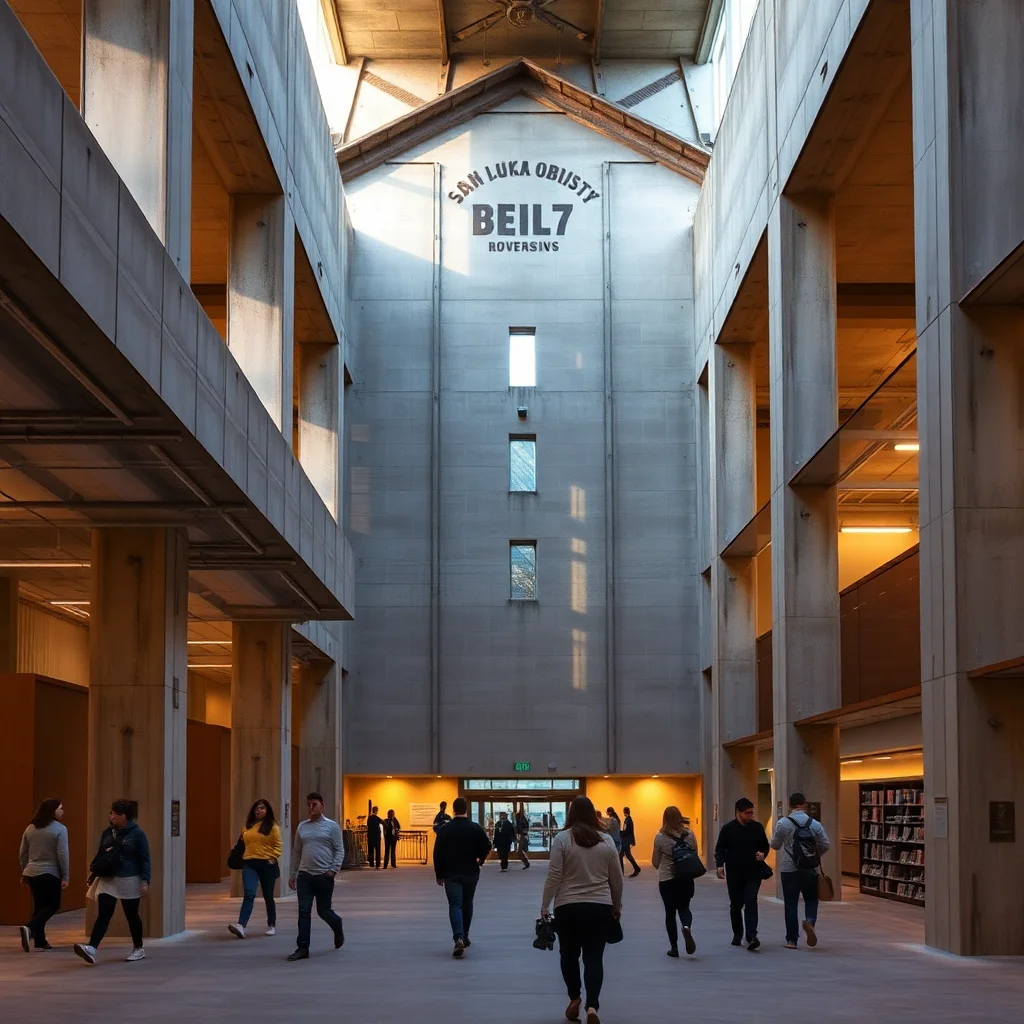
The brutalist library in California was not saved by embalming it. It was repaired by confronting its original 1977 intent, rooted in Robert Marquis’s design for clarity, gathering, and civic gravitas, and then making it work for contemporary academic life. Meanwhile, Gaudí’s final original residence has reopened not as a sacred relic to be admired behind velvet rope but as a cultural instrument once again, its historic fabric speaking through new modes of access, interpretation, and use. In both cases, the question is not whether the past deserves respect. It is whether respect means sealing it off from the present or giving it a new civic function.
This is the real argument in architecture today. Authenticity has been treated like a talisman, as if material survival alone could guarantee meaning. But heritage without use becomes an expensive corpse. A building that cannot absorb change is not protected; it is only delayed. The next era of restoration will be judged not by how perfectly it reproduces a prior state, but by whether it keeps architecture socially and culturally alive.
PRO: The Case for Material Truth and Design Intent
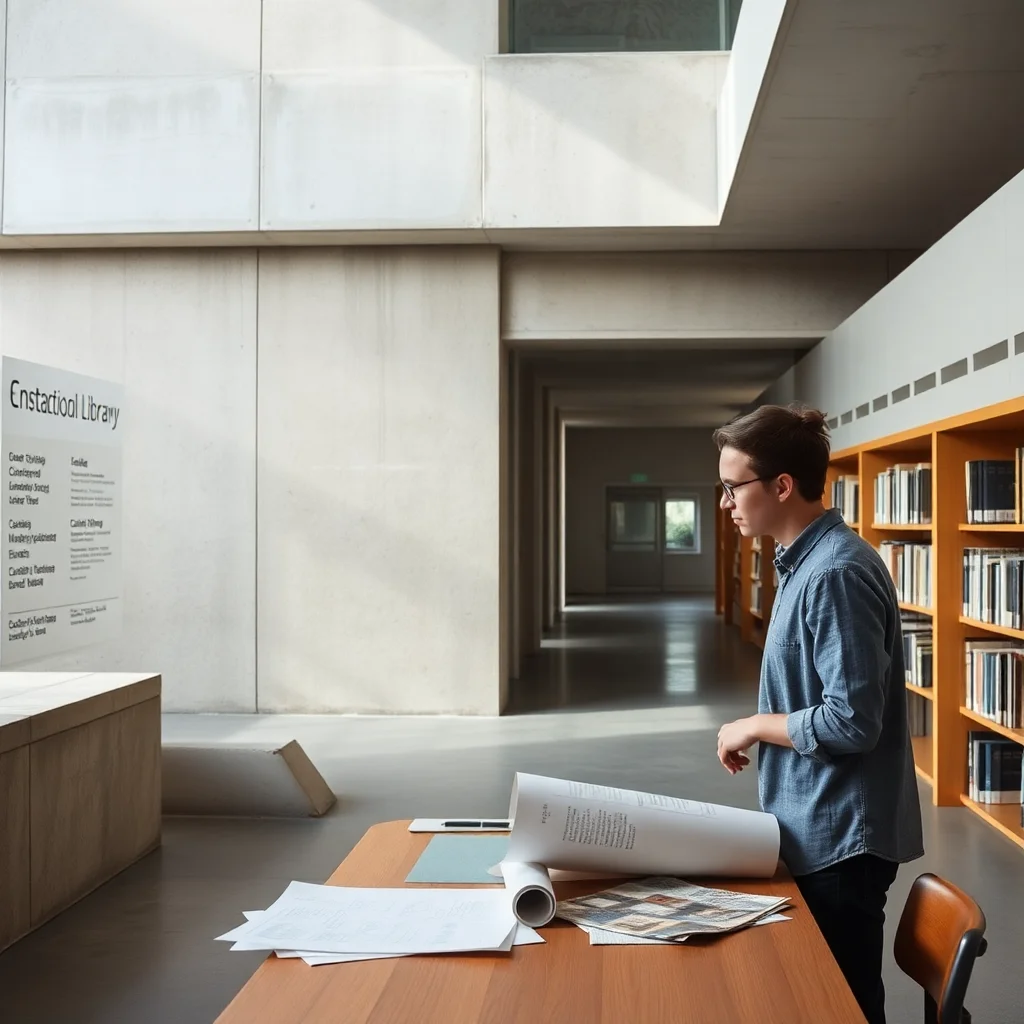
There is a powerful, necessary argument for restraint. Buildings are not generic containers for upgraded software. They are authored works, and their material makeup carries meaning. In a brutalist library, board-formed concrete, structural legibility, and spatial sequence are not decorative choices; they are the architecture. If you erase those qualities in the name of convenience, you may create a more efficient building, but you also erase the very intelligence that made it worth saving.
That is why the Miller Hull renovation matters. The most defensible restoration projects begin by asking what the original project was trying to do. Not what it looked like in a brochure, but how it organized bodies, light, circulation, and social life. This echoes the best conservation work across the field: Carlo Scarpa’s interventions at Castelvecchio in Verona, where old and new remain deliberately legible; David Chipperfield’s restoration of the Neues Museum in Berlin, where damage and repair coexist rather than being cosmetically hidden; and Peter Zumthor’s approach to the Kolumba Museum, where ruins are not treated as failure but as an active layer of memory.
From this perspective, “adaptation” can become an excuse for architectural amnesia. Too often, heritage buildings are stripped of their specificity and refitted into interchangeable cultural venues, coworking spaces, or luxury apartments. The surface survives, but the architecture is gone. If a restoration ignores intent, it risks turning history into a decorative style kit. The building remains, but its ideas do not.
Material authenticity also matters politically. In an age of climate anxiety and disposable construction, preserving existing fabric is already a form of resistance. Repairing concrete rather than replacing it, retaining original spatial logic rather than gutting it, and exposing the labor of maintenance rather than concealing it all push back against the destruction economy. The most ethical restoration may be the one that proves old buildings can still carry public life without surrendering their character.
That same tension shows up in broader debates over whether heritage can host new kinds of gathering without becoming a costume. Can Heritage Be a Civic Event Space? asks exactly how far a historic place can be activated before it slips into spectacle, a question that now shadows nearly every conservation project.
CONTRA: Preservation That Refuses Use Is Just Elegant Neglect
And yet the purity argument has a fatal flaw: it confuses fidelity with relevance. A heritage building that cannot serve contemporary users becomes a monument to its own survival. That is not preservation in any meaningful civic sense. It is stagecraft. The problem is especially acute in architecture, where buildings are not paintings. They are inhabited systems, shaped by codes, accessibility, technology, climate performance, and social expectations that change with every decade.
The reopening of Gaudí’s last original residence is instructive precisely because it exposes the limits of frozen authenticity. The building cannot be understood as a static artifact from the turn of the century; it must be encountered through curatorial framing, updated access, and forms of occupation that allow new publics to claim it. The same is true of many major preservation projects worldwide. Consider the Reichstag by Norman Foster, where a historic shell gained a democratic interior and a new political role. Or the Tate Modern by Herzog & de Meuron, where a power station was not conserved as an industrial fossil but transformed into a cultural engine. These projects did not survive because they stayed the same. They survived because they became useful again.
Heritage is not defeated by adaptation; it is defeated by irrelevance. A building that is too brittle to accept change will eventually be sidelined, underfunded, or preserved only as a symbolic image. That is a worse outcome than bold intervention. If the goal is cultural continuity, then architecture must remain in circulation. It must host classrooms, visitors, rituals, exhibitions, research, and daily friction. A restored building should be able to handle new patterns of use without performing a fake period drama.
There is also an intellectual honesty in admitting that every restoration is already an interpretation. Conservation is never neutral. Deciding what to keep, what to replace, what to reconstruct, and what to make visible is a design act, not a forensic one. Pretending otherwise only hides the politics of the process. Better to intervene clearly, argue openly, and make the building work for the present than to preserve a myth of untouched authenticity that no real building can sustain.
This is where preservation starts to overlap with the larger civic question of who gets access to durable, meaningful places in the first place. Who Gets to Live Near the Jobs That Need Them? is about housing and proximity, but the underlying issue is similar: design only matters if it remains connected to daily life and public usefulness.
The Brutalist Library and the Gaudí House Say the Same Thing
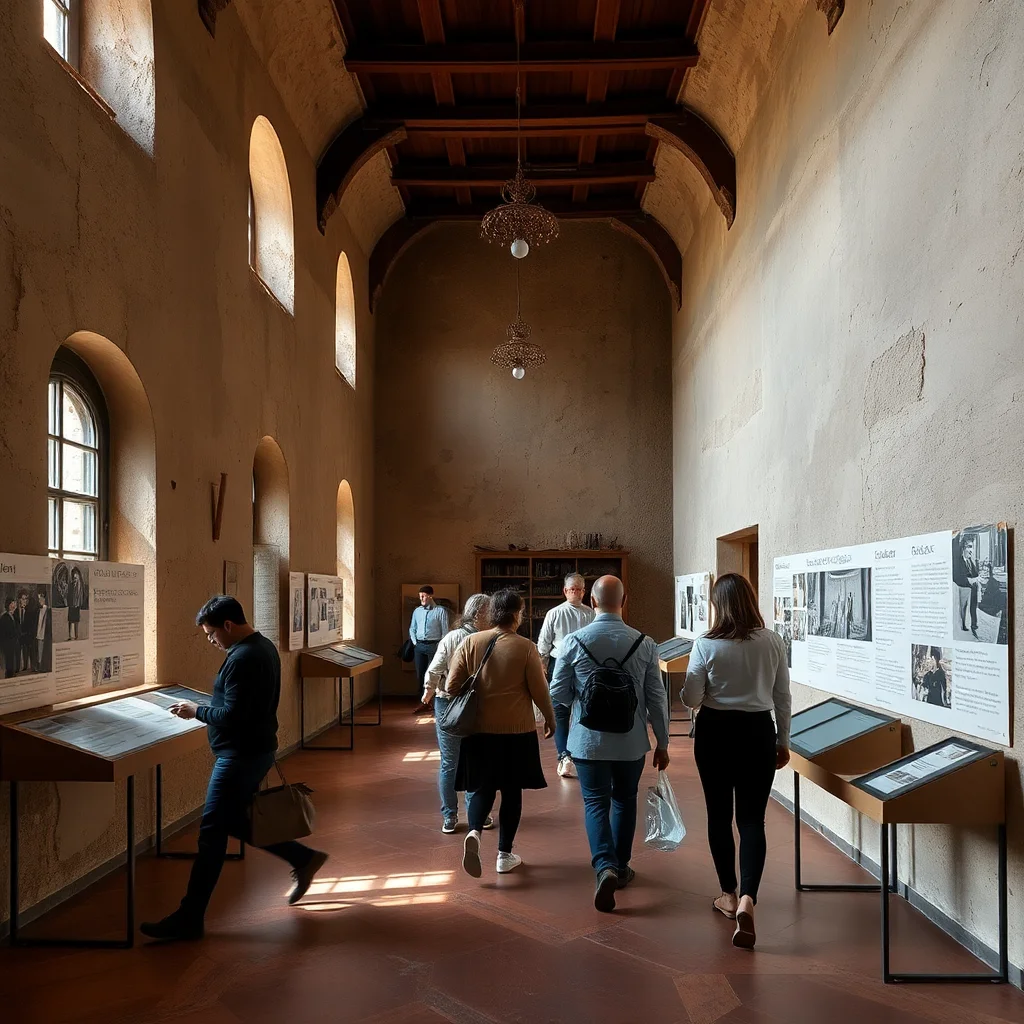
What links a Californian brutalist library and Gaudí’s final residence in Barcelona is not style, but a shared refusal to accept preservation as a glass case. One is a midcentury public interior built on modernist confidence; the other is a highly charged fragment of architectural authorship associated with Catalan genius. Both are now being asked the same question: how does a building remain itself while becoming something new?
The answer cannot be pure conservation or pure reinvention. A library that loses its acoustics, daylight logic, or communal spine has betrayed its purpose. A historic house that becomes inaccessible to contemporary publics has betrayed its meaning. The best restoration occupies the uncomfortable middle ground where architecture remains legible, but life is allowed to return. This is not compromise for its own sake. It is the only way buildings can continue to matter.
In practice, this means designers must become translators rather than priests. They must understand patina without fetishizing it, repair without falsifying it, and use without flattening it. The challenge is to keep the old building from becoming a theme park version of itself while avoiding the equally arrogant move of remaking it into a generic contemporary interior. The work is difficult because it requires discipline, not nostalgia; invention, not spectacle.
Restoration, in other words, is no longer about freezing history in place. It is about deciding what kind of future a building can still host. If heritage cannot absorb new life, it will become a dead language. If adaptation is done carelessly, authenticity will be lost. The task is not to choose one pole and declare victory. It is to force architecture to remain answerable to both memory and use, without pretending those demands are the same.
At its best, that kind of thinking is closely tied to climate adaptation too, because reuse is one of the few ways architecture can extend its life without pretending the world has not changed. When Climate Adaptation Becomes Public Space explores how infrastructure can become legible, communal, and useful at once—the same balancing act restoration now demands.
What a Serious Restoration Agenda Should Now Demand
- Preserve the structure of meaning, not just the surface. The spatial sequence, light, circulation, and social purpose of a building often matter more than an exact finish. If those elements survive, the architecture can still speak.
- Keep interventions legible. Scarpa, Chipperfield, and Zumthor show that new work can coexist with old without imitation. Honest contrast is more respectful than fake continuity.
- Design for use, not just admiration. A library, house, or museum that cannot support contemporary life is functionally weakened, whatever its protected status.
- Treat maintenance as a cultural act. Repair is not a lesser form of architecture. It is architecture’s long-term intelligence made visible.
- Resist the heritage theme park. Buildings that are over-restored into perfection lose the friction that makes them meaningful. Time should remain readable.
- Accept that restoration is interpretation. Every decision is editorial. The honest response is not denial but better argument, clearer methods, and stronger design.
That is why these recent projects matter beyond their own addresses. They signal that the future of preservation will belong to those willing to treat heritage as a living mandate rather than a closed archive. The brutalist library and Gaudí’s residence are not exceptions. They are warnings to a profession that has too often confused reverence with stasis.
Get the Mainifesto weekly — curated design debates, speculative ideas and the week's best articles every Saturday.
Editorial Perspectives
Questions and counterpoints developed by the Mainifesto editorial desk to extend the discussion.
Perspective 1
I’m with the article on this one: buildings have to earn their keep in the present, not sit there as expensive museum pieces. If the original material can be kept and repaired, fine — but the bigger test is whether the place still works for people and makes economic sense to maintain.
Perspective 2
I’d push back on the idea that adaptation is automatically a virtue. Once you start treating heritage as something to be continuously upgraded, you risk flattening the very material and spatial evidence that makes it historically legible in the first place.
Perspective 3
This is really a governance question disguised as a design one. Cities need a rule that protects what is irreplaceable, but also allows buildings to absorb new uses, new users, and new economies without turning preservation into paralysis.