
Luffu Link promises shared family health tracking. But when does AI-assisted care become surveillance—and who gets to switch it off?


Luffu Link promises shared family health tracking. But when does AI-assisted care become surveillance—and who gets to switch it off?

Denmark’s 36-home experiment tests whether 3D-printed housing can widen access—or simply automate construction’s existing inequalities.
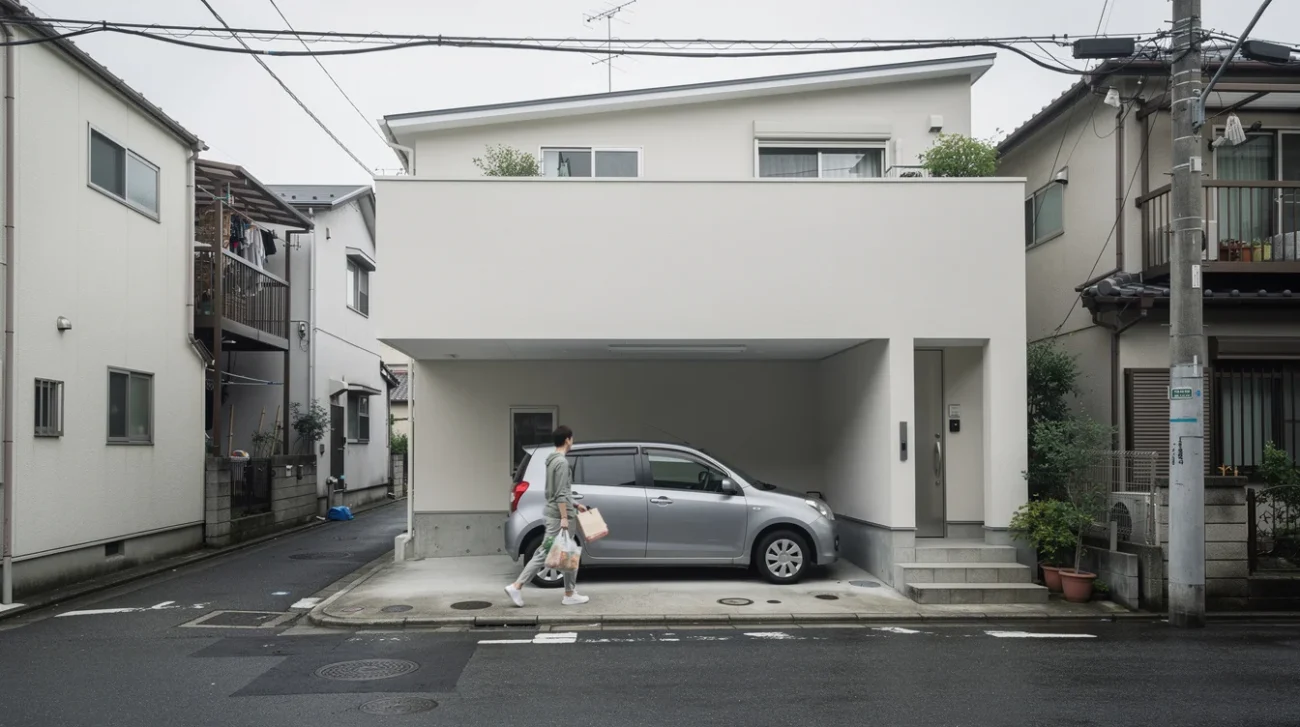
Tokyo’s tiny homes turn parking into architecture. Is the car-sized void a spatial breakthrough—or a costly surrender of light, space and flexibility?

OMHU's cheaper Tedy sofa dupe weaponizes copy culture—but does parody expose design's problems or normalize stolen authorship?
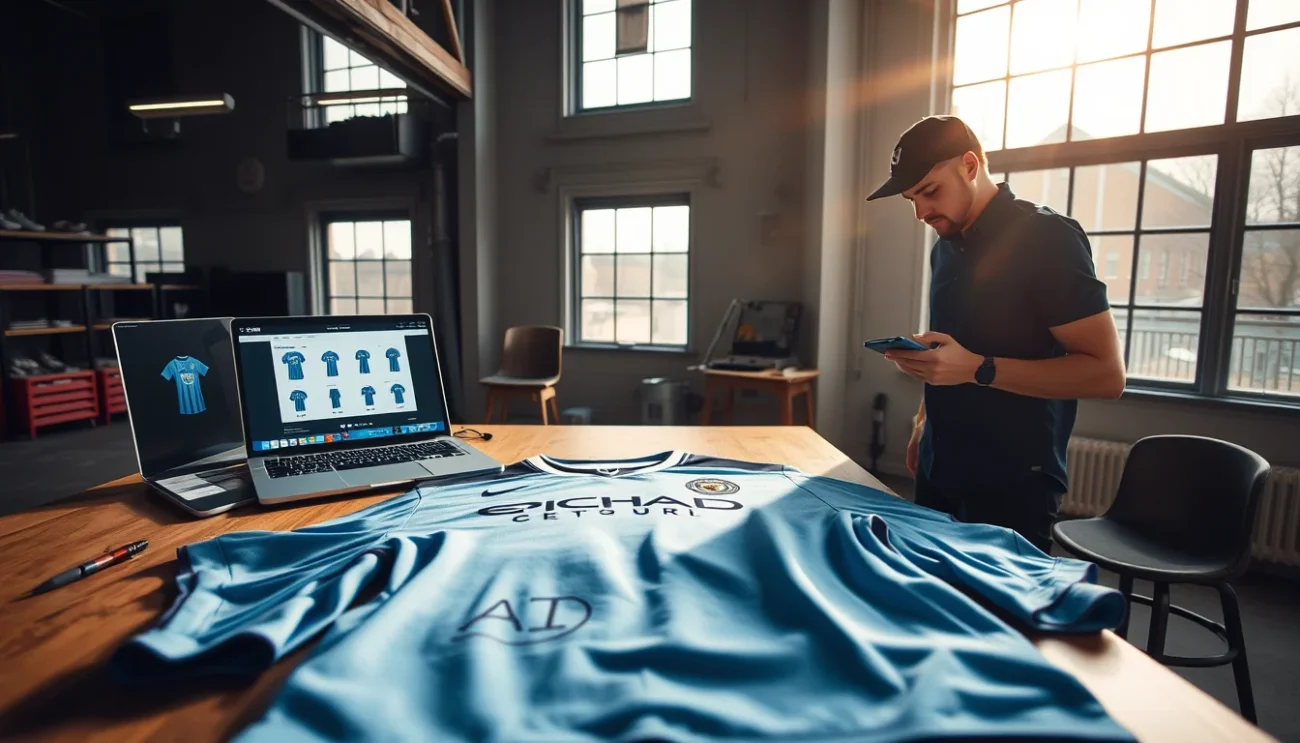
Manchester City's new Puma shirt was shaped by a fan and AI. We ask who owns the design when participation becomes automated.
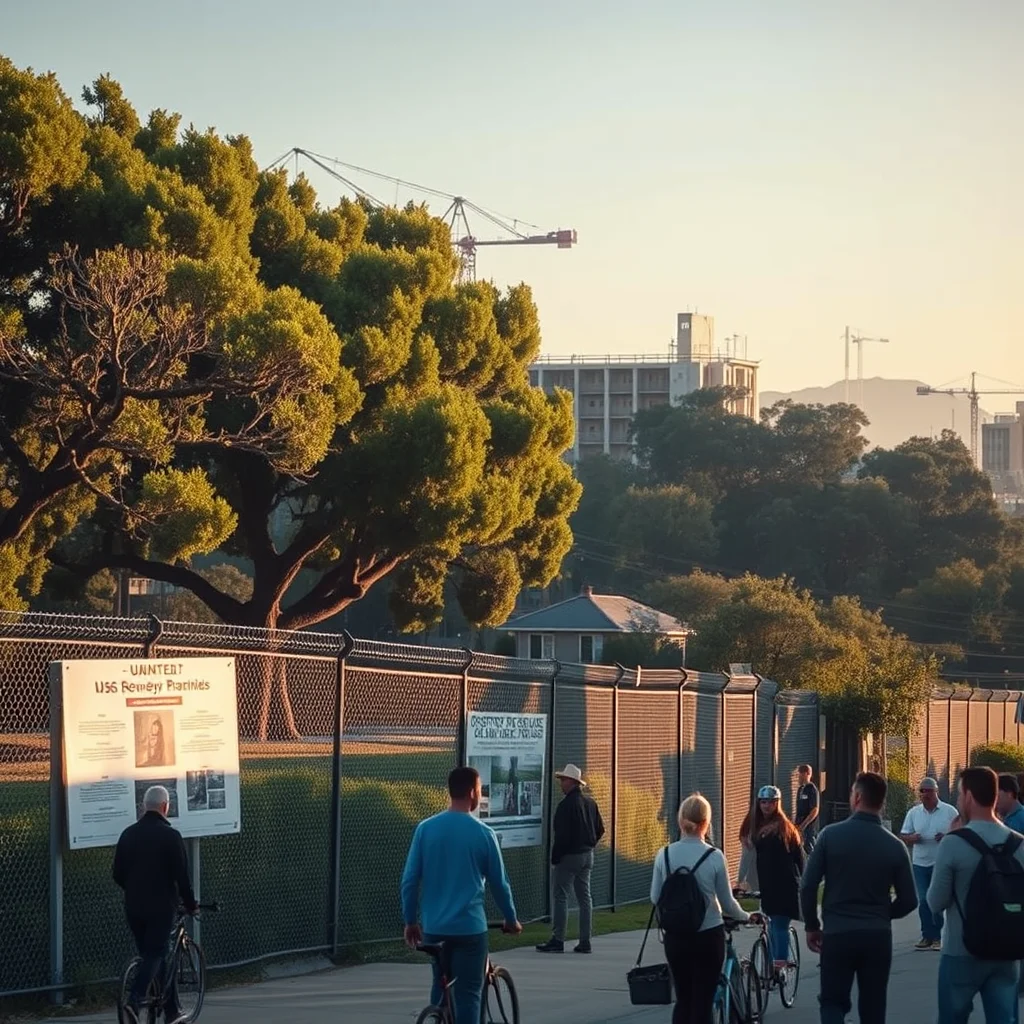
West Coast housing shortages are turning parks and greenbelts into battlegrounds between affordable shelter and ecological wellbeing.

The Balearic social housing model argues that beauty creates dignity and public life. But can quality survive budgets, maintenance and politics?

The cancelled John Galliano exhibition raises a harder question: can museums preserve difficult legacies without turning context into endorsement?

Marinas promise public waterfronts, but can civic access survive luxury development, branding, and privatized urban renewal?
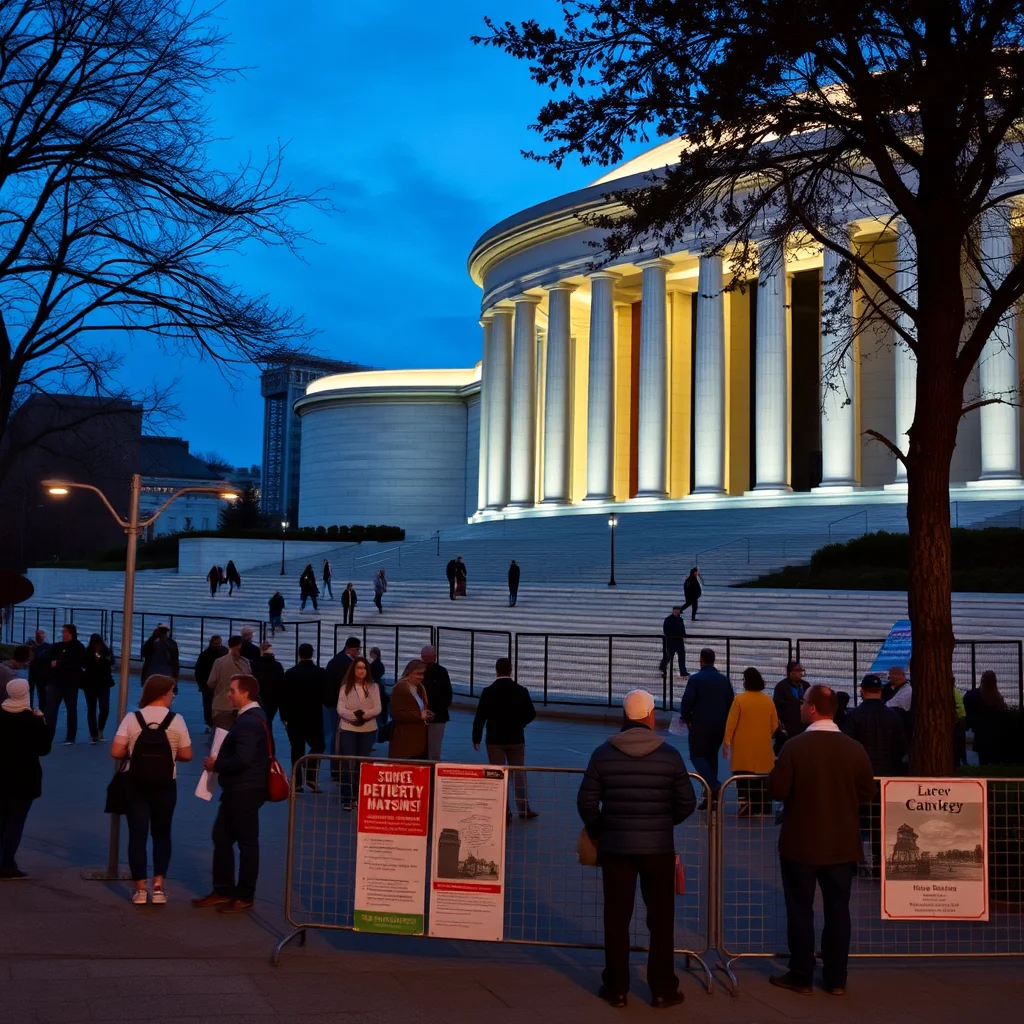
The Kennedy Center demolition fight asks whether cultural landmarks can adapt to political priorities—or whether civic memory has a point of no return.