
Can Beautiful Social Housing Become Social Infrastructure?
Can Beautiful Social Housing Become Social Infrastructure?
Social housing is usually discussed as a problem of quantity: how many homes can be built, how quickly, and at what cost. The Balearic Social Housing Model proposes a more unsettling question: what kind of public life is produced by the homes we make affordable? Developed between 2019 and 2023 by economist and independent consultant Cris Ballester and architect and civil servant Carles Oliver, the model has become one of the clearest contemporary challenges to architectural austerity.
Its premise is blunt. If public housing is designed as the cheapest possible enclosure, it may satisfy a numerical target while deepening social abandonment. If it is conceived as a durable, attractive and collective environment, it can support dignity, belonging and civic trust. On 1 September 2026, that argument won the OBEL Award, whose theme, Systems’ Hack, asked architecture to intervene in the systems shaping contemporary life.
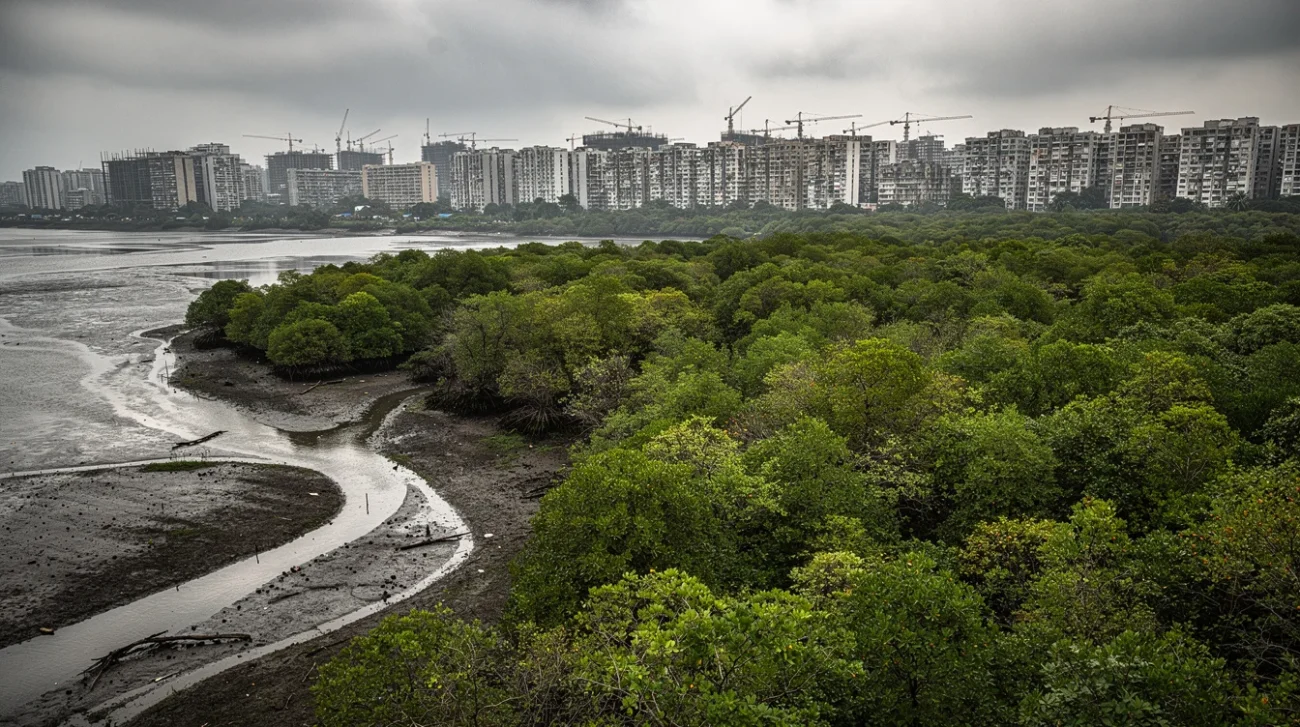
The Balearic approach brings procurement, architecture, materials, energy, tenure, public capacity and learning into a single framework. That ambition is important because the housing crisis is not only a shortage of apartments. It is also a crisis of land, labour, energy, maintenance, ownership and political imagination. The model is persuasive precisely because it refuses to separate aesthetics from these practical questions, echoing the principles explored in architecture that refuses to consume its site. It is also vulnerable for the same reason.
PRO: Beauty is not decoration; it is a public service
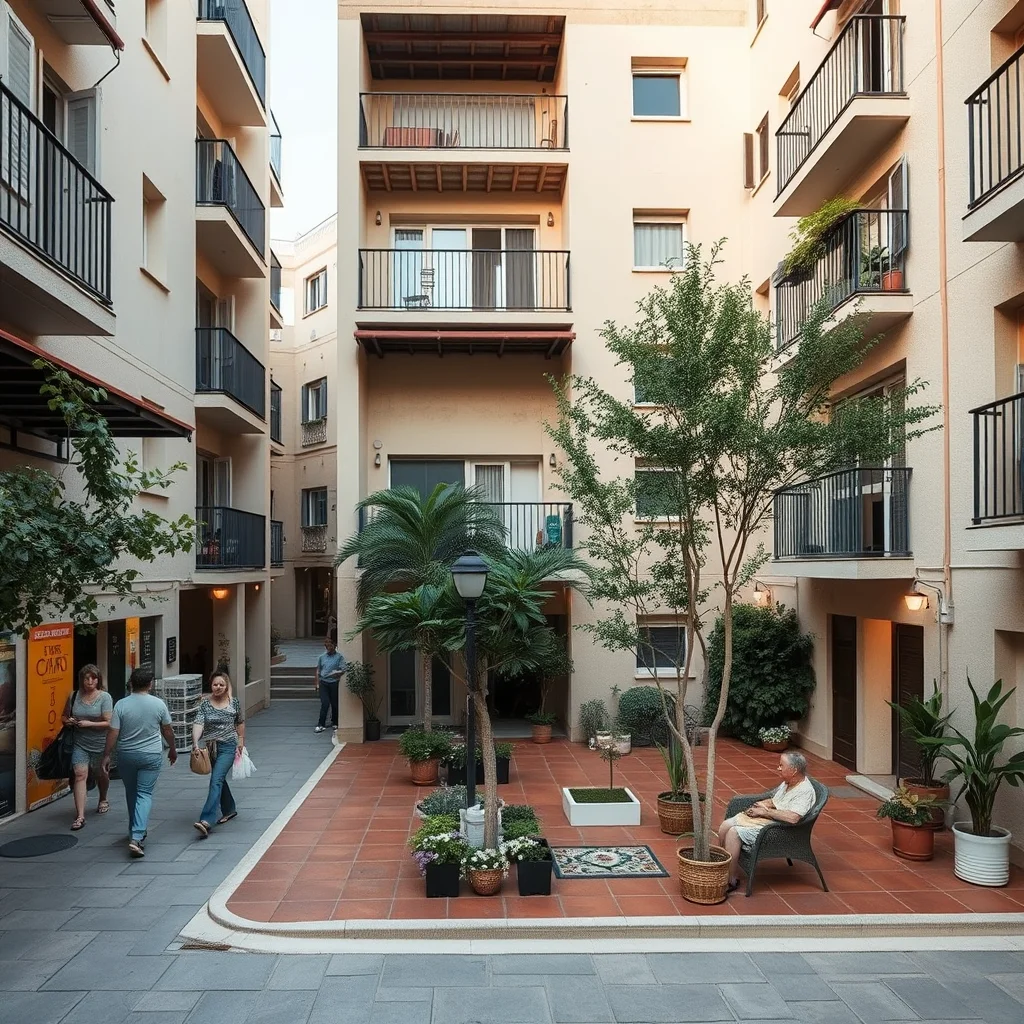
The strongest case for beautiful social housing is not that residents deserve fashionable façades. It is that visual and spatial quality can change how a building is inhabited, perceived and defended. A generous stair, a shaded courtyard, a robust material or a carefully framed view communicates that residents are not being warehoused. These decisions can turn an apartment block from an administrative object into a recognisable piece of the city.
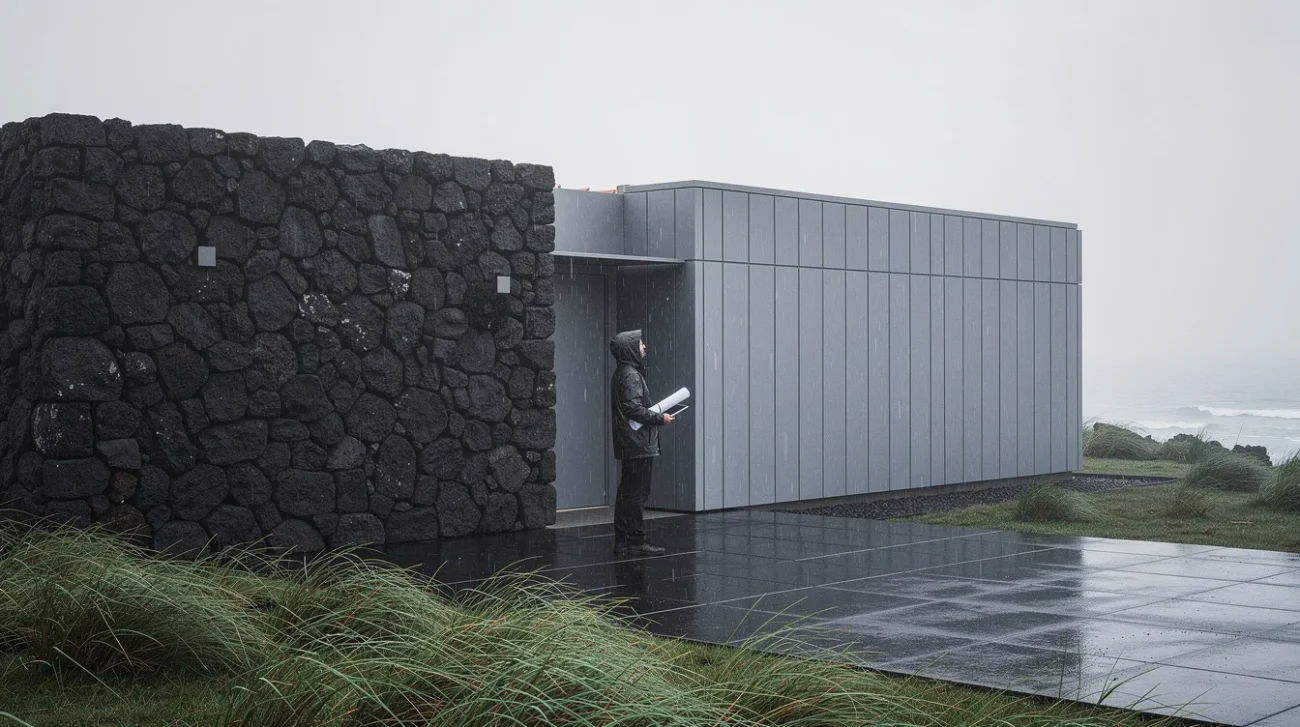
In the Balearic context, this means treating local climate and material culture as assets rather than constraints. Deep reveals, cross-ventilation, protected outdoor space and durable mineral finishes can produce comfort without depending entirely on mechanical systems. A building that responds to Mallorca or Menorca’s sun, humidity and seasonal rhythms is not merely more beautiful; it can be less expensive to operate and more pleasurable to share.
There are precedents. Lacaton & Vassal’s transformation of the Grand Parc housing estate in Bordeaux demonstrated that adding winter gardens and balconies could improve everyday life without demolishing existing homes. The architects rejected the familiar logic that low-income residents should receive a reduced version of architectural ambition. In Chile, Alejandro Aravena’s incremental housing projects similarly treated residents as participants in the completion of the city, not passive recipients of a finished product.
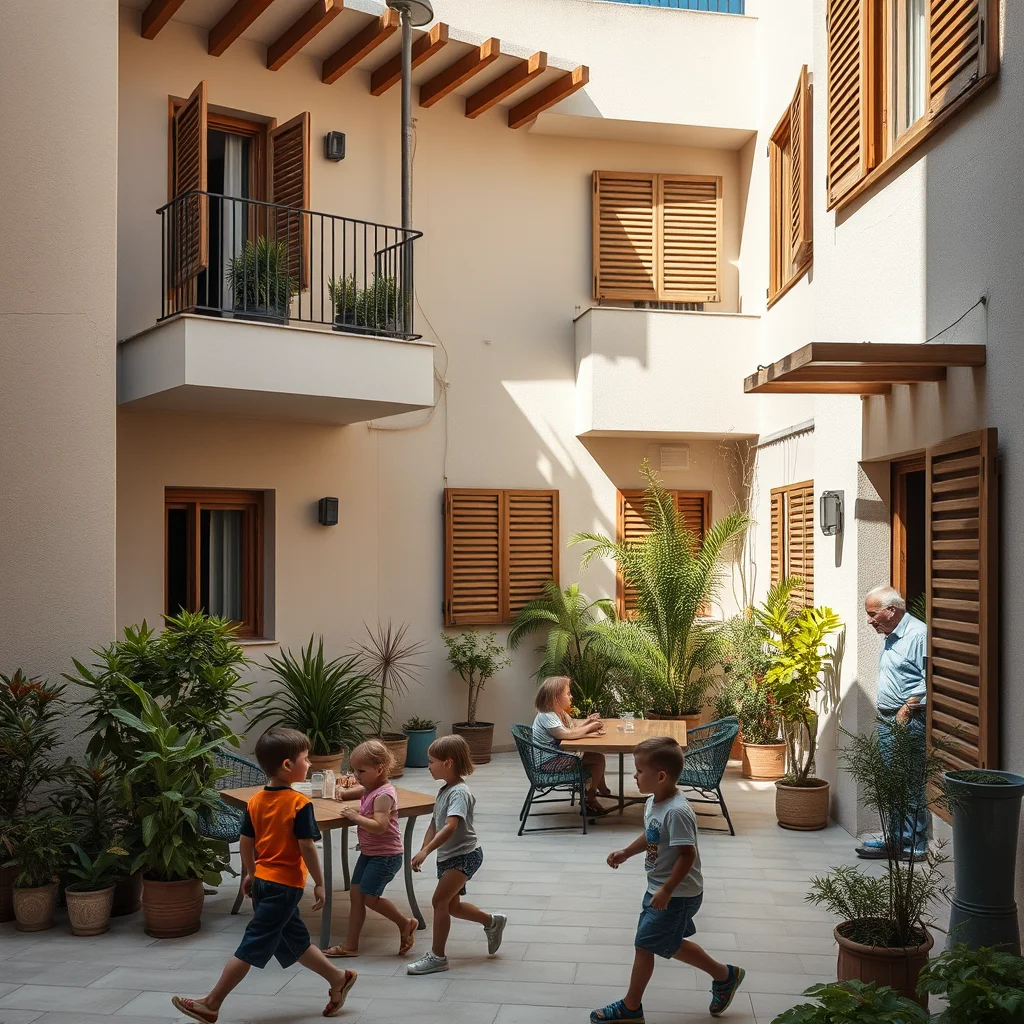
These examples suggest that beauty has infrastructural effects. A well-designed communal room can host a residents’ meeting, children’s play, a repair workshop or a meal during a heatwave. A dignified entrance can reduce the stigma attached to subsidised tenure. A planted court can become an informal support network, especially for older residents and families without private outdoor space. The idea of landscape becoming building material is relevant here: social infrastructure is not only a library or a clinic. It is the ordinary setting in which people encounter one another repeatedly.
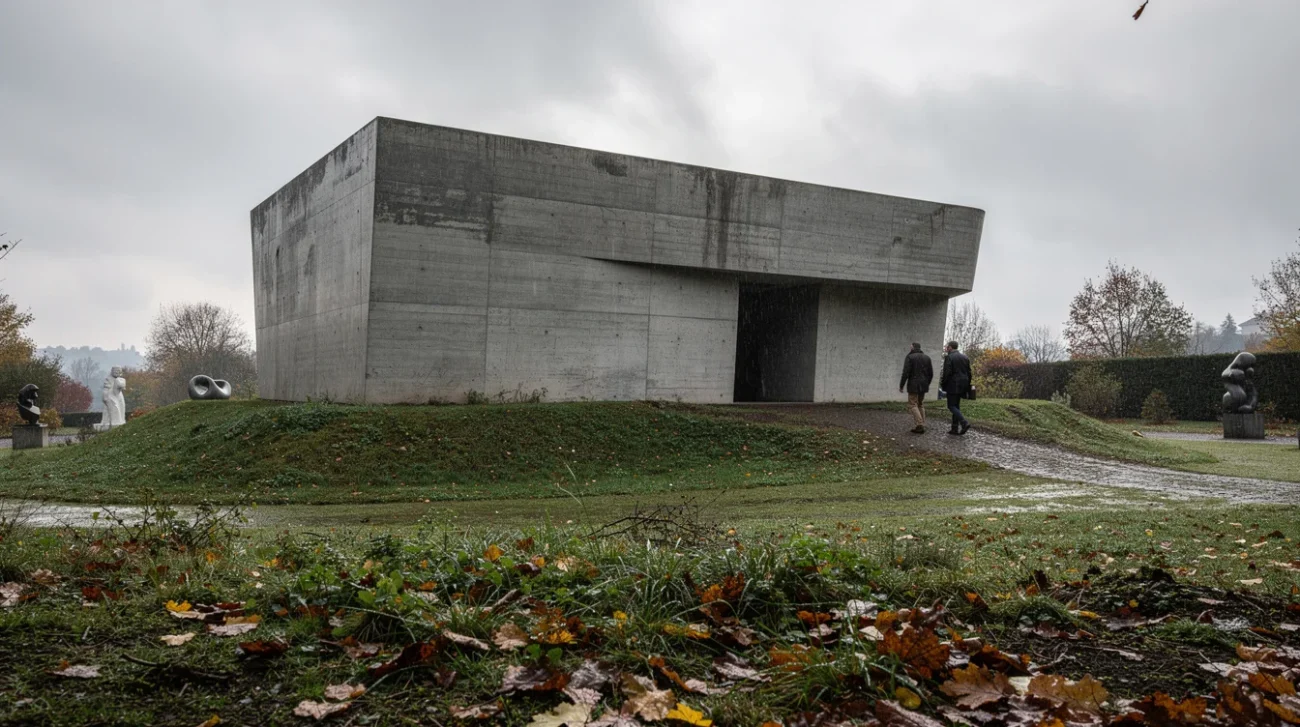
The Balearic model’s greatest achievement is therefore systemic. It places architecture alongside procurement and public learning, recognising that a clever plan cannot compensate for a weak institution. If public bodies learn to commission quality, evaluate lifecycle value and retain technical expertise, design becomes part of a broader civic capacity. The result is not luxury. It is an insistence that affordability should not mean a separate, visibly diminished standard of citizenship.
CONTRA: Beauty can become an expensive promise
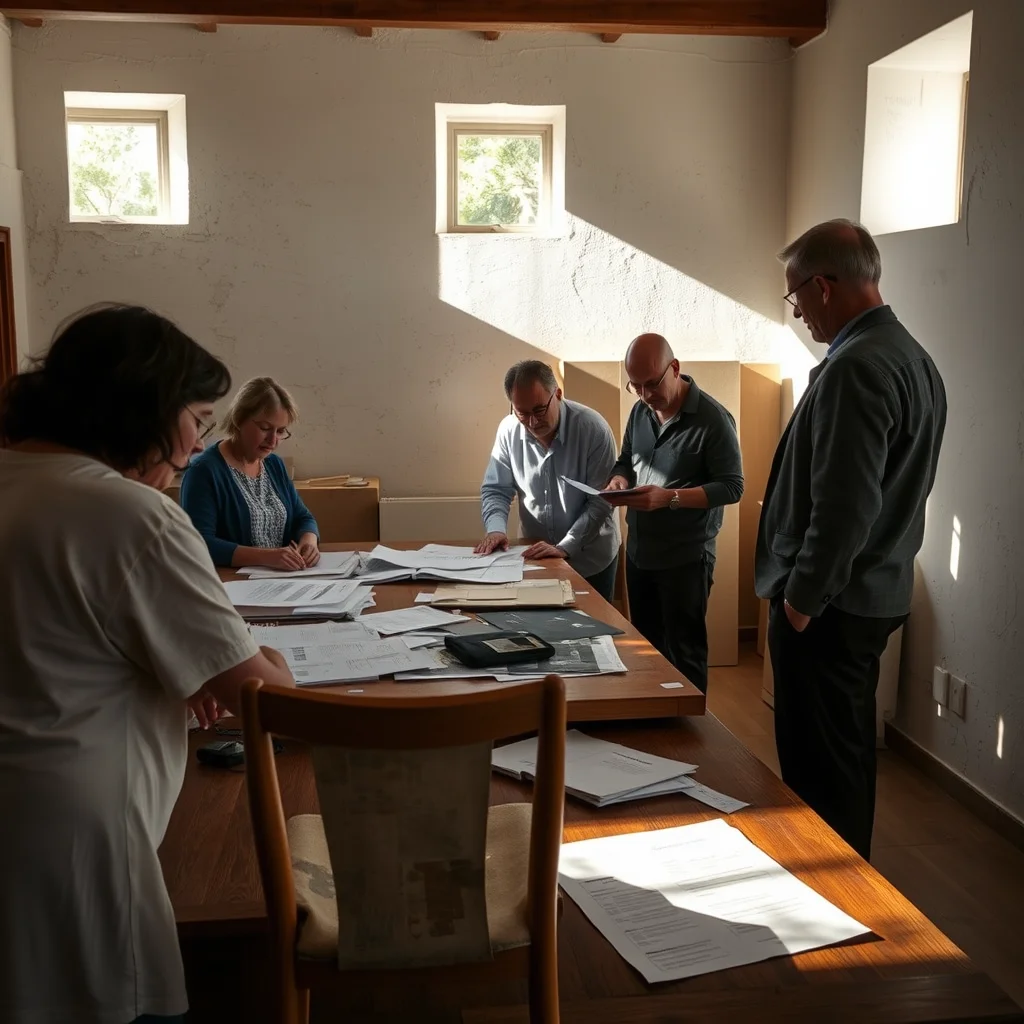
The argument becomes less comfortable when the invoice arrives. Attractive housing does not automatically create social cohesion, and a handsome building can still be unaffordable, badly managed or isolated from jobs and transport. The danger is that beauty becomes a moral alibi: a photogenic façade offered in place of adequate supply, secure tenure and genuinely public land.
Every architectural choice has a maintenance consequence. Timber requires inspection and protection. External shading must be repaired. Complex balconies collect water. Shared gardens need irrigation, cleaning and management. Even robust concrete can fail when detailing, workmanship or public budgets are poor. If the Balearic model is to be more than an exemplary design philosophy, it must prove that its material intelligence survives twenty or thirty years of ordinary use, vandalism, salt air and institutional turnover.
There is also a political risk in making social housing too dependent on exceptional officials. Ballester and Oliver have assembled an unusually integrated framework, but models built around committed individuals can weaken when administrations change. Procurement rules favour standardisation, short-term capital calculations and risk avoidance. Councillors may prefer a larger number of mediocre units to a smaller number of excellent ones, particularly when waiting lists are politically combustible. Beauty is easy to praise in an award citation and harder to defend in a budget meeting.
Vienna offers a useful counterpoint. Its housing tradition is not based on isolated architectural masterpieces but on decades of land policy, municipal ownership, mixed-income provision and management expertise. The lesson is severe: social infrastructure depends less on visual distinction than on continuity. A beautiful building in a speculative market can be absorbed into a system of rising rents and displacement. A modest building backed by stable tenure and accountable management may do more social work.
Nor should aesthetic consensus be assumed. What an architect calls calm, residents may experience as exposed. What appears materially honest may feel unfinished. A courtyard can support community, but it can also become a space of surveillance or conflict. Participation must therefore go beyond consultation theatre. Residents need influence over rules, maintenance priorities, accessibility and future adaptation. Otherwise, the language of dignity remains something designed for people rather than with them.
The test is not whether it photographs well
The Balearic Social Housing Model deserves attention because it attacks the false economy of ugly housing. Cheapness at the point of construction can generate costs later: higher energy bills, accelerated deterioration, social stigma, resident dissatisfaction and political pressure for demolition. But the model will matter only if it turns beauty into a measurable public value rather than a premium aesthetic.
That requires lifecycle budgets, post-occupancy evaluation and transparent maintenance data. It requires procurement teams capable of judging spatial quality, not merely counting square metres. It requires tenure arrangements that protect affordability after the ribbon-cutting. It requires public authorities to retain architects, engineers and housing managers long enough to learn from mistakes. And it requires a definition of beauty broad enough to include repairability, adaptability, thermal comfort and the right to alter one’s home.
The most convincing version of social housing is neither a monument nor a minimum standard. It is a durable framework for ordinary life. Its architecture should be distinctive enough to command respect, ordinary enough to belong to its neighbourhood, and robust enough to improve with use. The Balearic model is provocative because it argues that these are not separate ambitions. Its opponents are right that budgets and politics can destroy good intentions. Its advocates are right that austerity has never been neutral.
If social housing is to become social infrastructure, the question is not whether it can be beautiful. The question is whether governments are prepared to fund, manage and protect the beauty they claim to value.
Get the Mainifesto weekly — curated design debates, speculative ideas and the week's best articles every Saturday.
Editorial Perspectives
Questions and counterpoints developed by the Mainifesto editorial desk to extend the discussion.
Perspective 1
Beauty should be treated as a core housing right because spatial dignity affects how residents use, maintain, and identify with a place. The deeper question is not whether we can afford good design, but whether parametric planning and standardized components can make generous light, shared thresholds, and civic space repeatable without flattening local life.
Perspective 2
I am wary of calling architectural beauty a housing right when many cities still cannot deliver enough safe, accessible homes. In Barcelona, the test should be measurable performance—space, climate resilience, maintenance, and affordability—rather than an aesthetic ambition that can consume funds better spent on capacity and long-term management.
Perspective 3
The real constraint is not beauty but governance: who specifies quality, who pays for upkeep, and what happens when a subsidy cycle ends? A Balearic model cannot simply travel to Beirut or Dubai without confronting land politics, imported materials, procurement systems, and the unequal power to define what counts as public value.
Perspective 4
Beauty in housing is not necessarily an expensive finish; it can be the intelligence of a courtyard, a durable repair, or the careful reuse of what is already there. But once design becomes a branding tool for displacement, social infrastructure turns into an amenity for the next market rather than a lasting claim for residents.