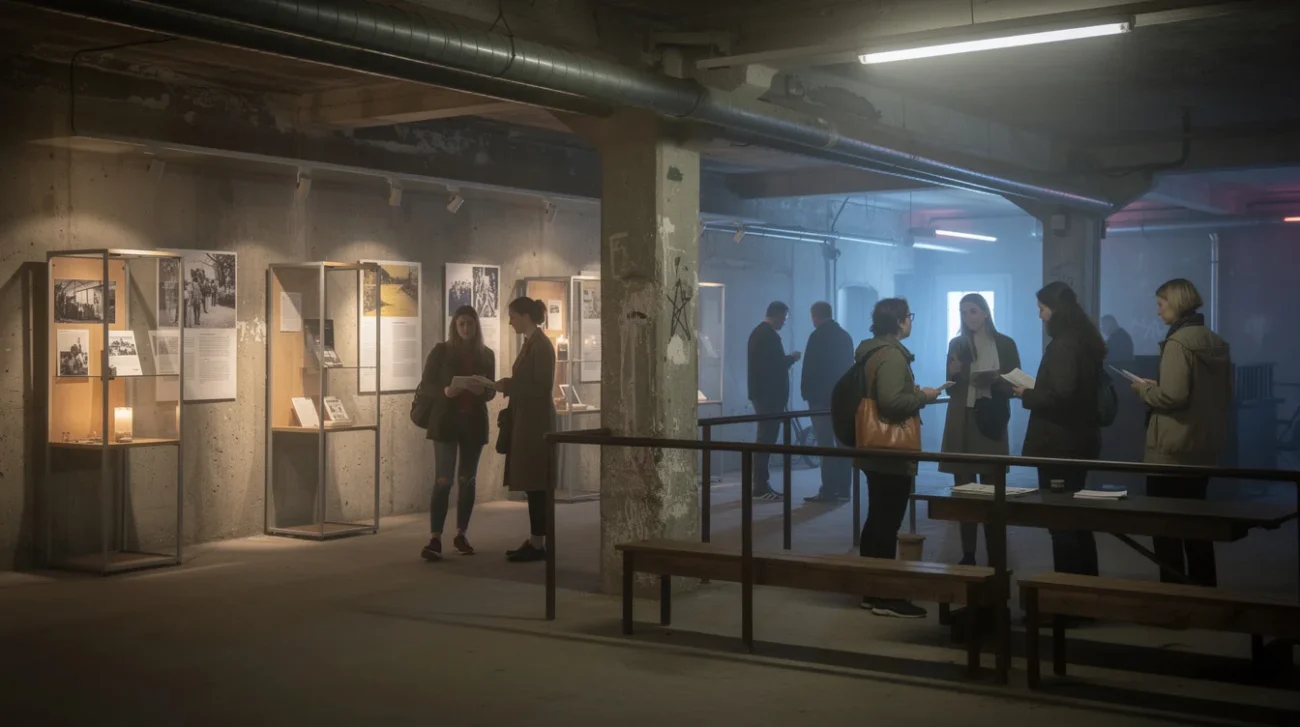
Berlin’s Living Archive tests whether exhibition design can preserve techno’s collective possibilities—or turn a living scene into industrial nostalgia.


Berlin’s Living Archive tests whether exhibition design can preserve techno’s collective possibilities—or turn a living scene into industrial nostalgia.
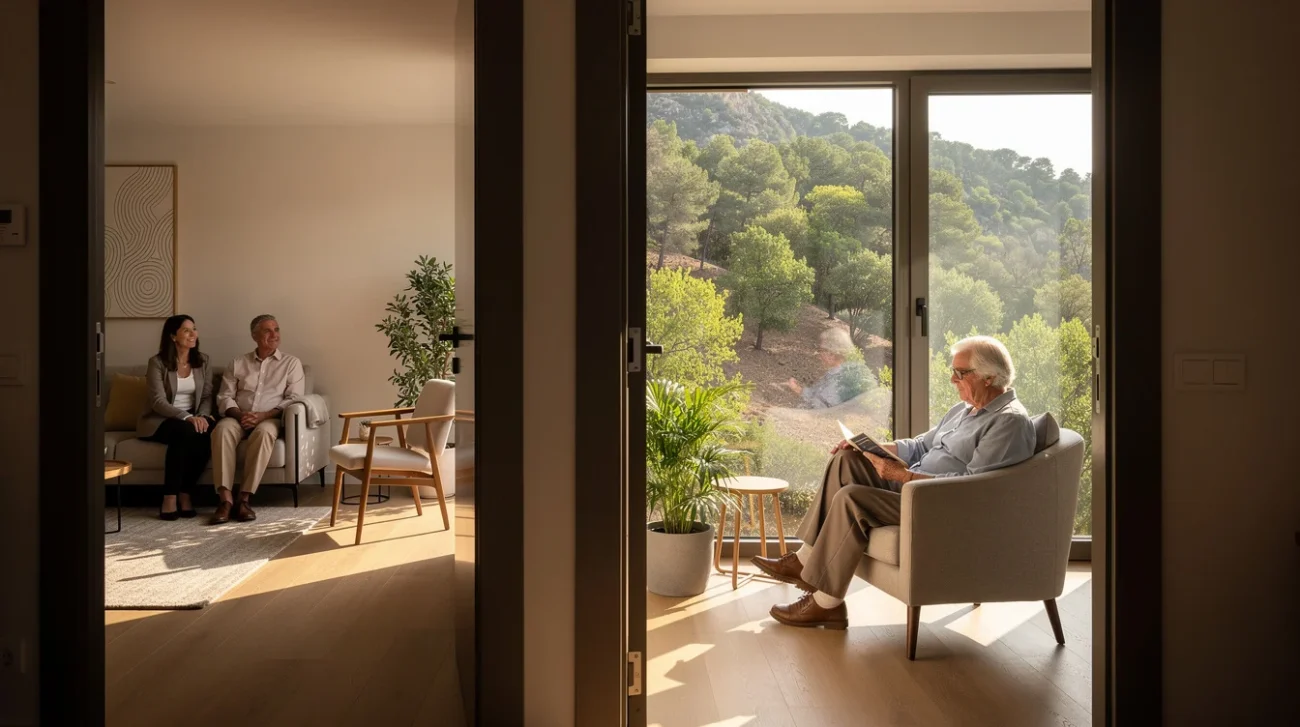
Mirador de Gràcia raises a crucial question for senior living: can domestic interiors deliver autonomy when institutional routines still set the rules?
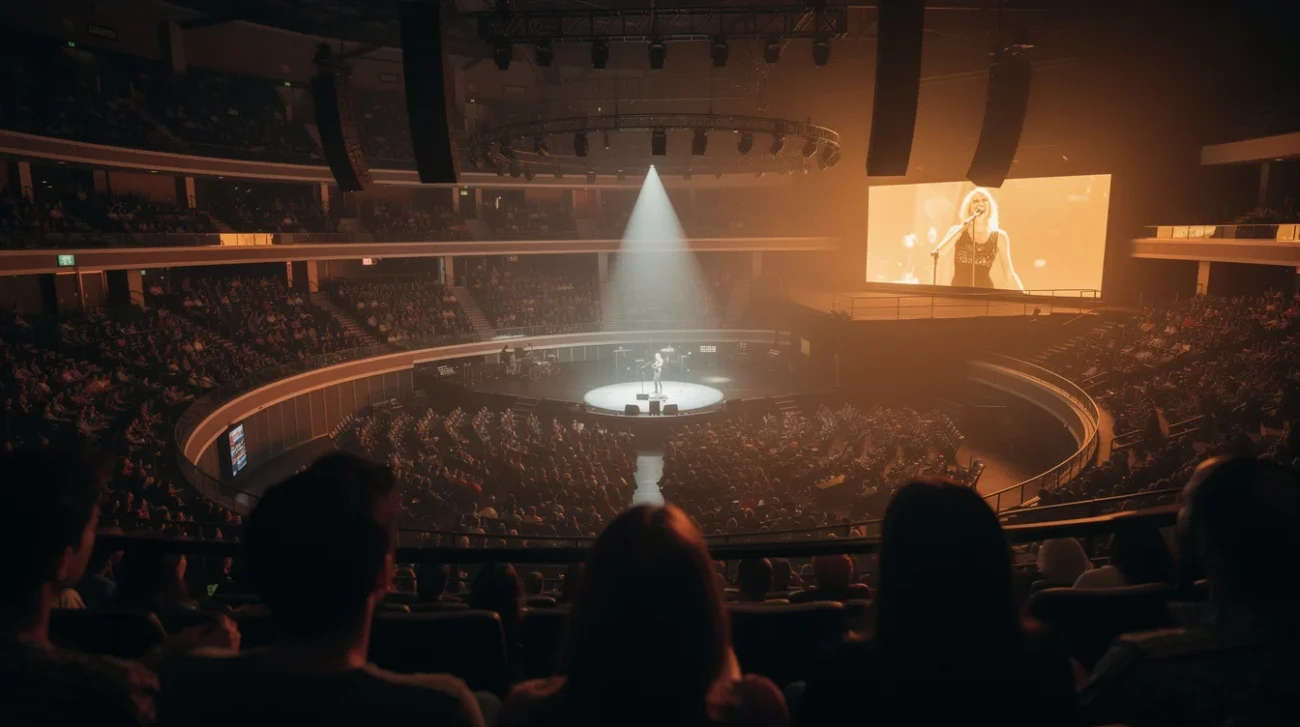
Can stadium lighting share intimacy beyond premium seats? Tobias Rylander and Michael Straun’s approach reveals the divide between connection and spectacle.
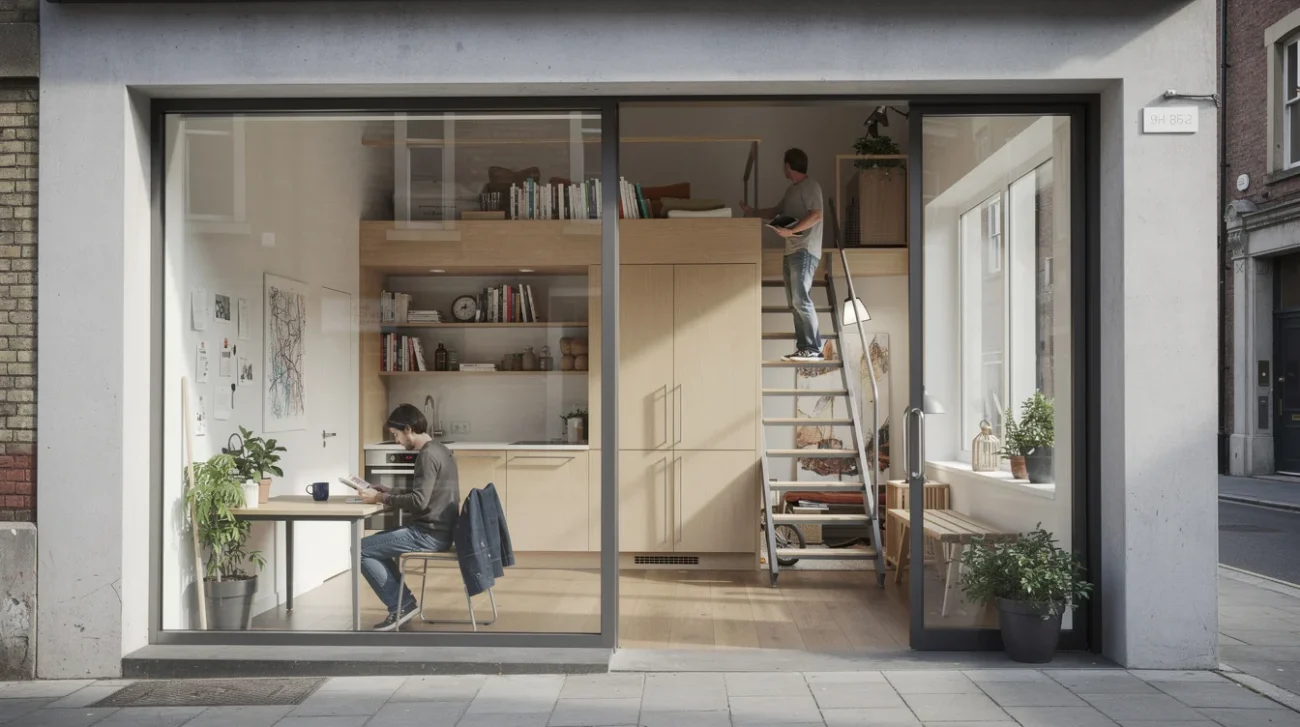
Crearctive turns a shop into four apartments. But spatial efficiency only succeeds when daylight, privacy, ventilation and usable space survive the conversion.
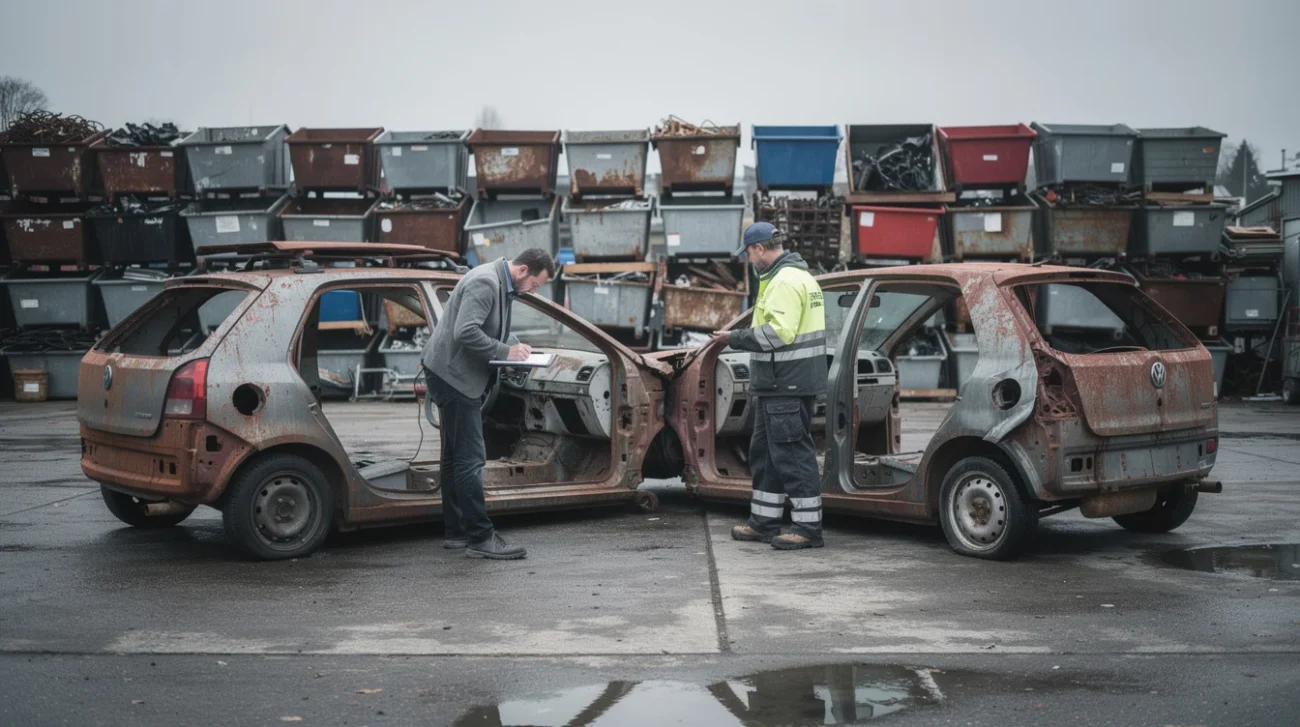
Giona Bierens de Haan’s It All Remains pits car reuse against material recovery. When does saving an object save resources—and when does it trap them?
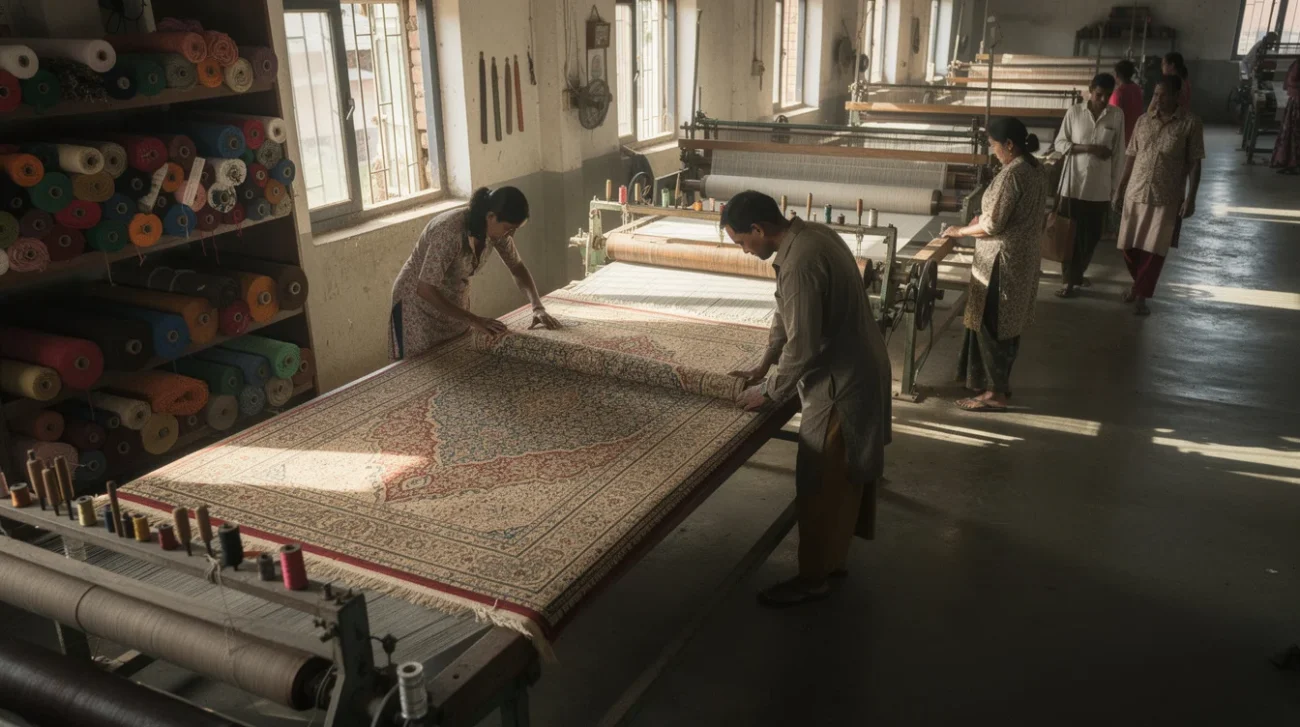
Bangladesh’s RIBA-winning Green Field Factory challenges workplace hierarchy. But can equal space give workers power without changing management?
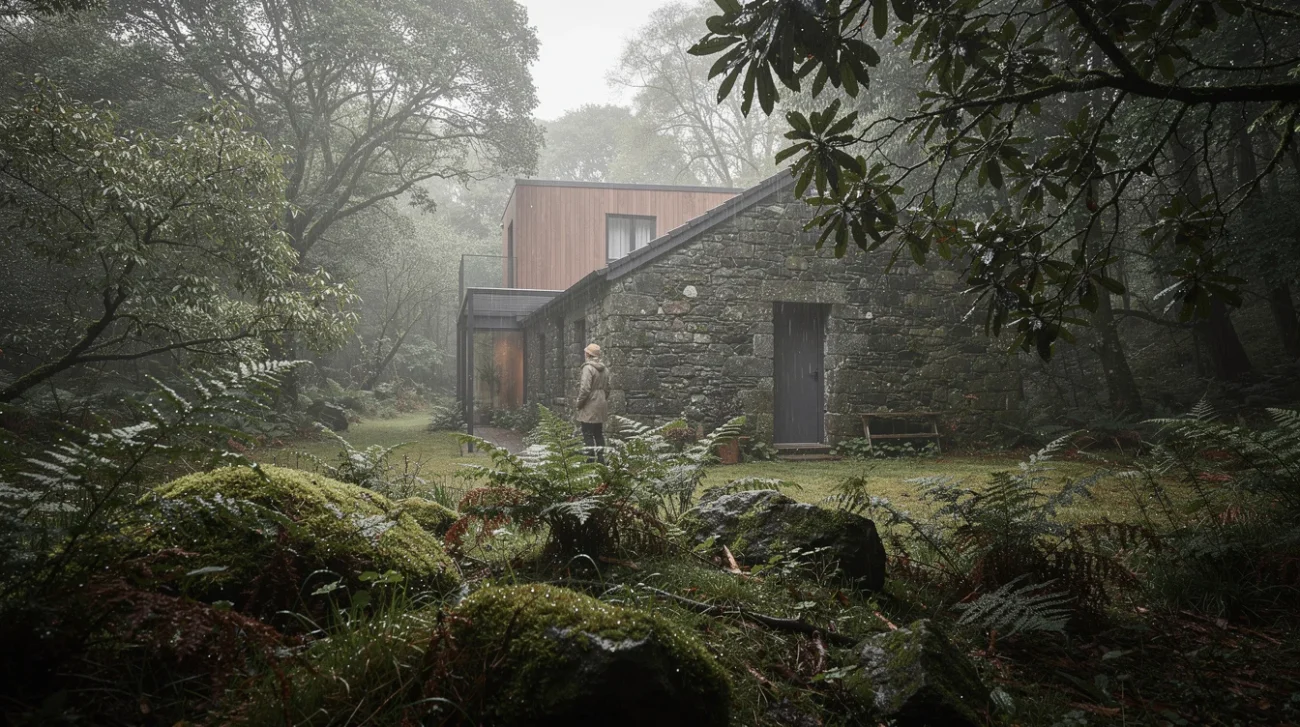
Schemata Architects’ Linden House raises a harder question for rainforest hospitality: who benefits when wellbeing becomes a reason to build?
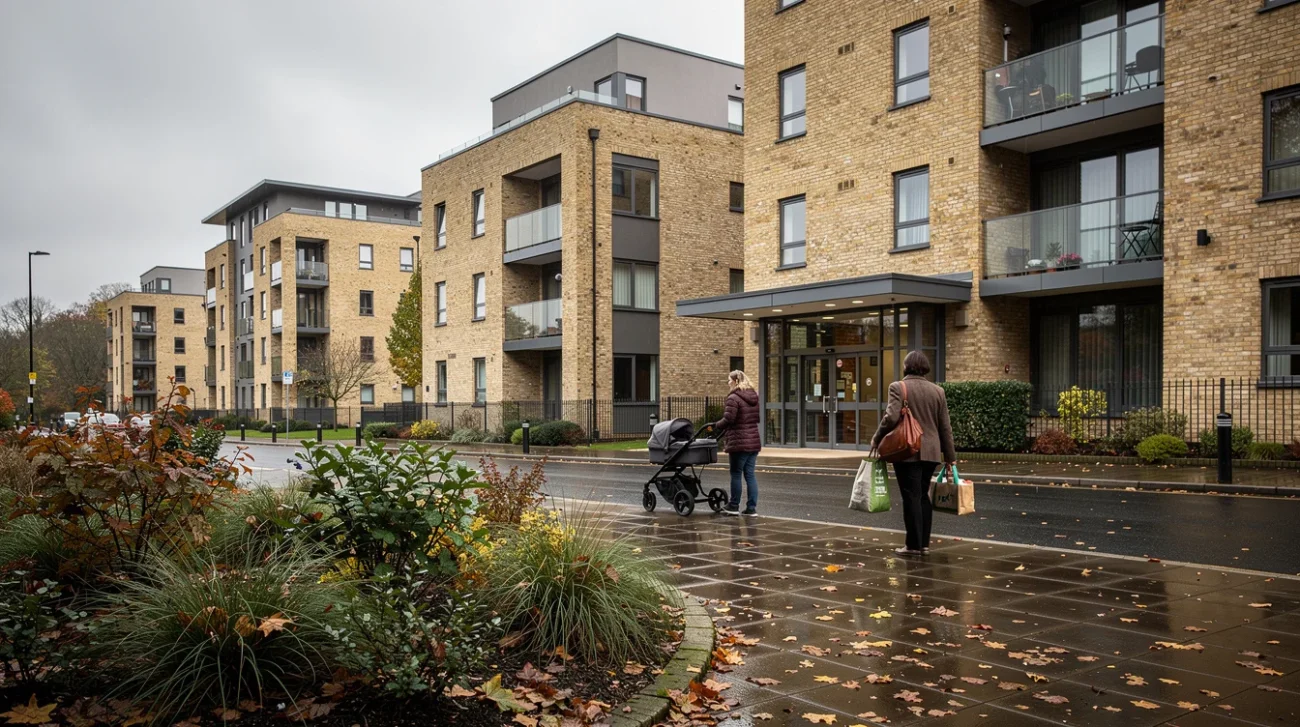
Lion Green Road’s Stirling Prize win raises a harder question: do mixed-tenure homes share architectural quality, amenities and maintenance fairly?

Latin America’s floodable parks make inundation a public service. But who guarantees safe evacuation, reliable reopening and somewhere else to play?
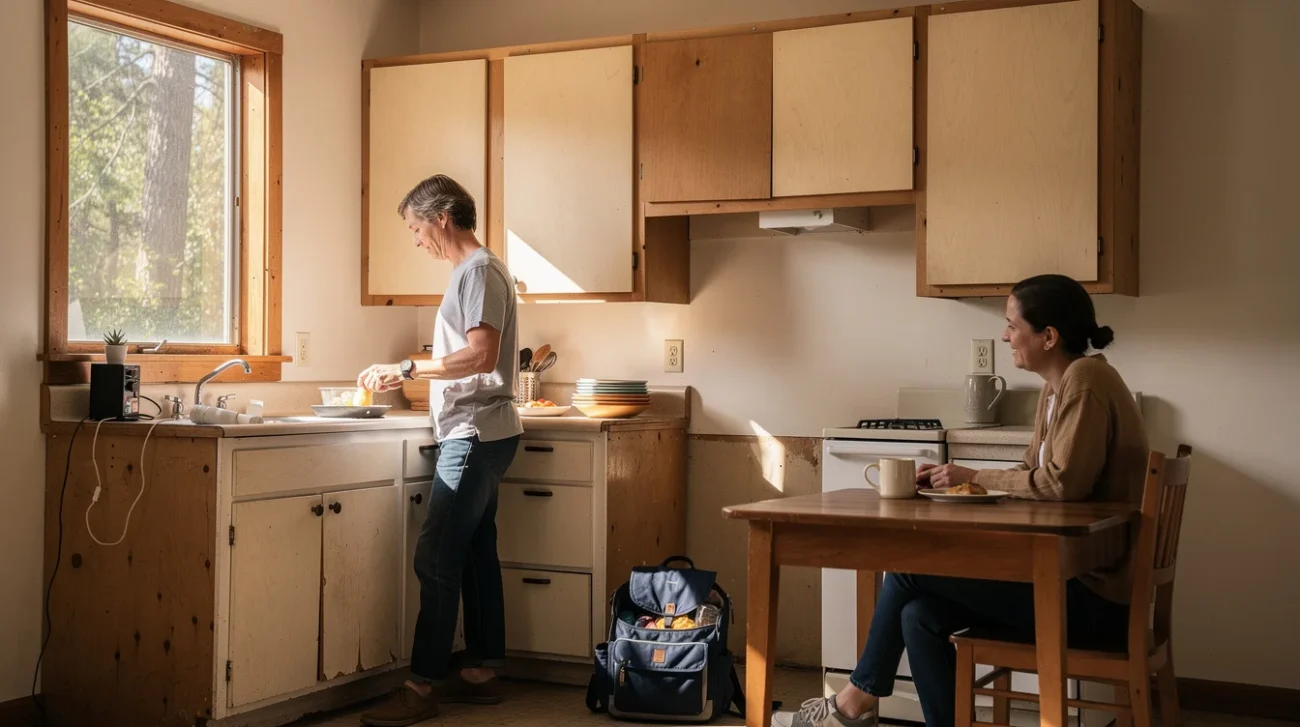
A $1,200 Topanga kitchen makeover asks who benefits when renters improve a home—and why permission alone may not protect their investment.