
University of Sheffield projects reveal how architecture can coexist with rising water through adaptive urban systems, not just resilience.


University of Sheffield projects reveal how architecture can coexist with rising water through adaptive urban systems, not just resilience.
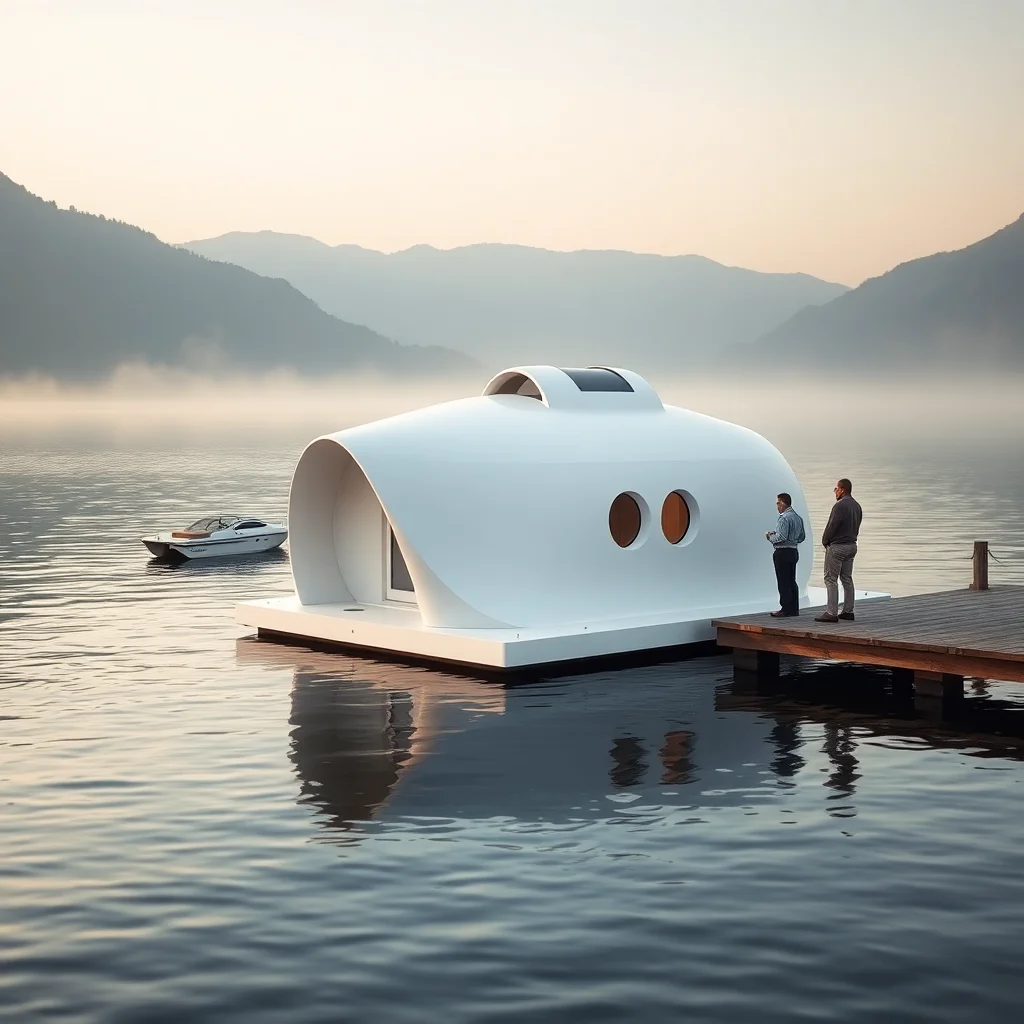
Floating micro-homes are evolving into climate-adaptive infrastructure, not novelty — modular, mobile, and built for water, scarcity, and leisure.
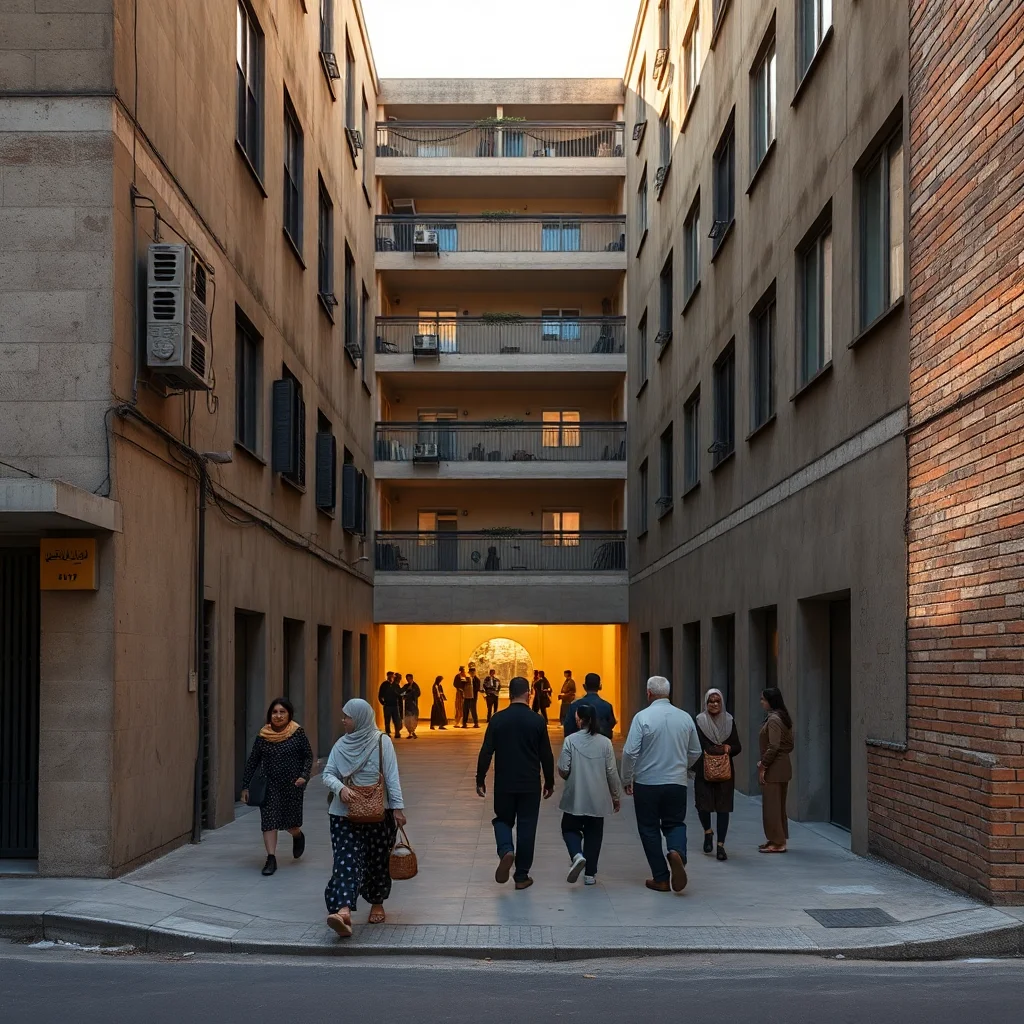
Can the courtyard and threshold revive apartment life? Bahār in Mashhad points to a denser, more social housing model.

Bao Fast Foods turns fast food into a modular brand system. Can speed, consistency, and local adaptation coexist without losing soul?
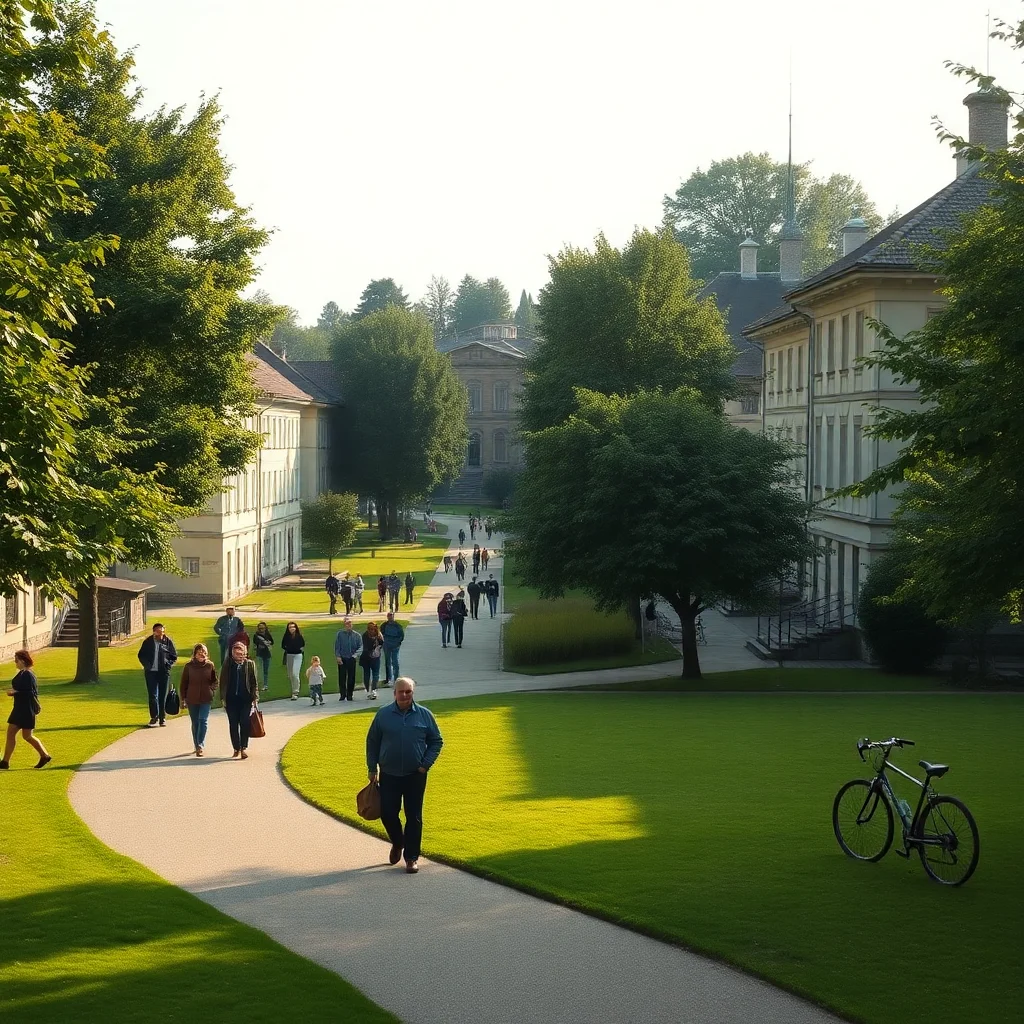
Peter Zumthor’s Fondation Beyeler extension asks whether the next cultural landmark should absorb civic life, not just project form.

Bangkok’s recyclable ribbon canopy argues for lightweight shade as civic infrastructure in cities battling heat, congestion, and change.
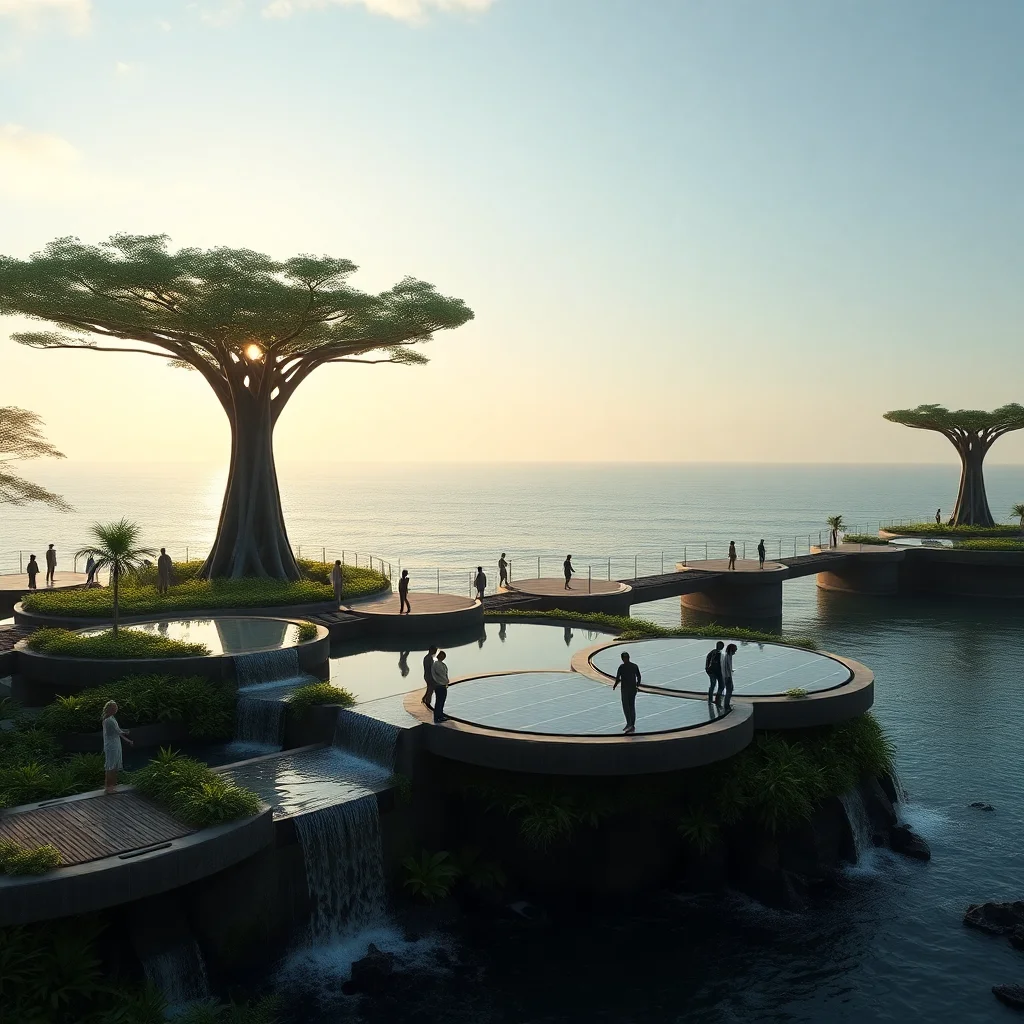
Climate infrastructure is shedding its industrial disguise. A baobab-inspired energy resort in Madagascar asks if adaptation can be desirable.

Xingu House and Ara Manor reveal a future where residential architecture frames slope, water, air, and view.

AI can draw fast. But can it learn architecture’s slow memory, civic limits, and layered precedent?

From Lego cathedrals to branded objects, iconic architecture is being miniaturized and merchandised. What is gained—and what is lost?