

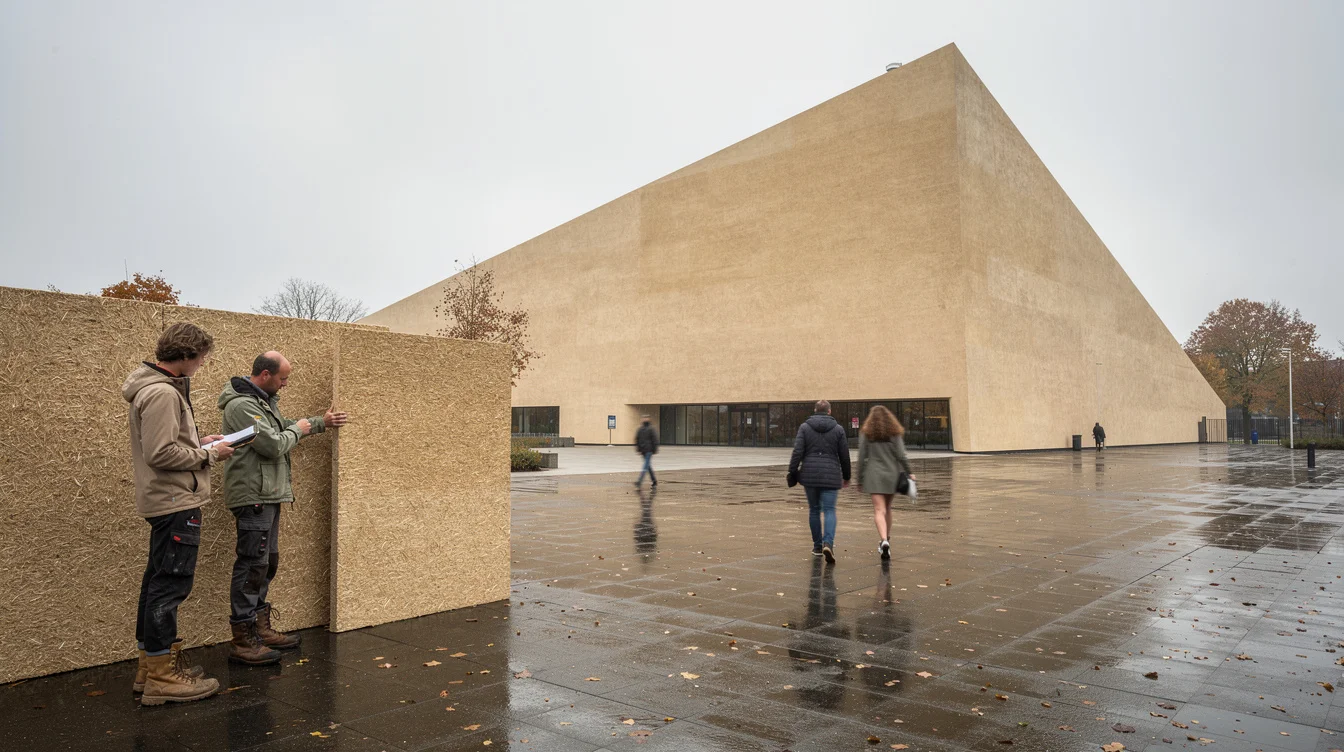
Museum Vonk puts affordable bio-based construction on trial. Can hempcrete
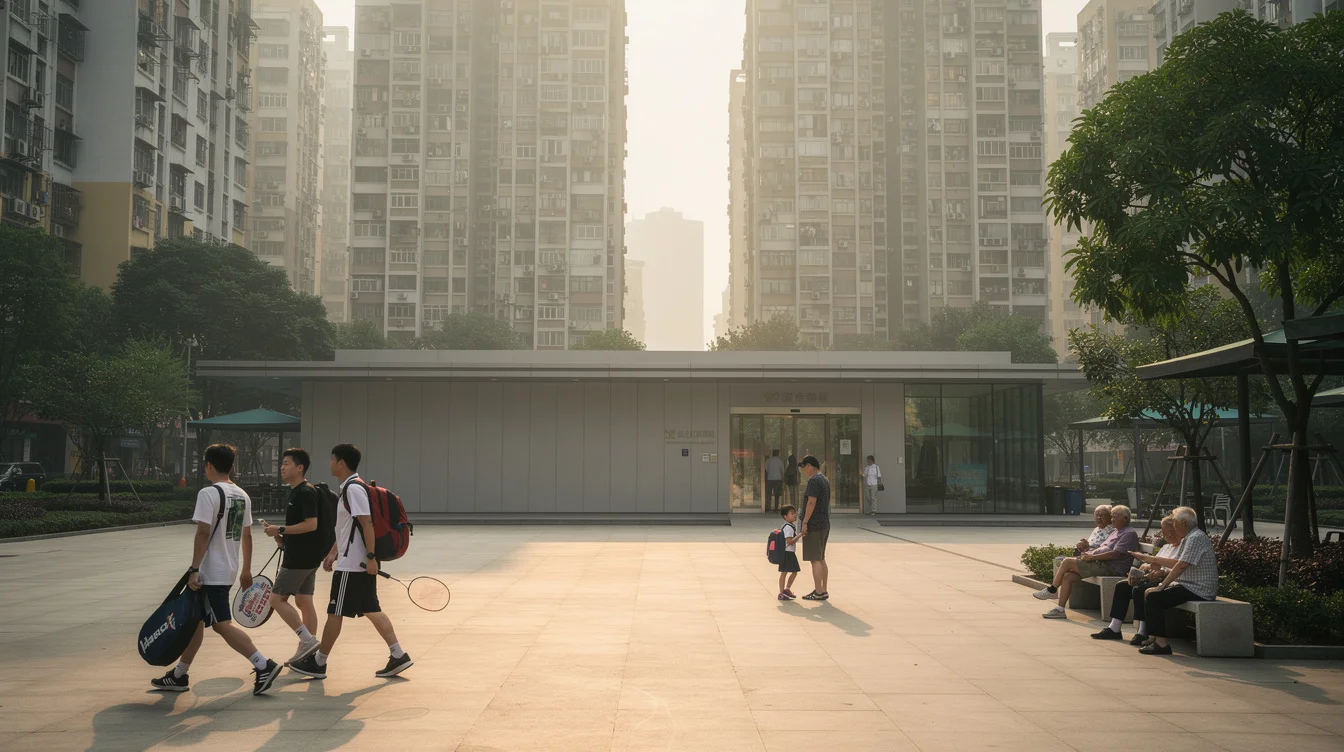
URBANUS’s Yuehai center provokes a civic design debate: how much
The Floating City Wants to Be Infrastructure
Freedom Ship revives the floating-city fantasy—and exposes the political, climate, and social stakes of architecture untethered from land.

When Architecture Refuses to Consume the Site
Casa 144º and the new hillside house ask whether restraint is true luxury—or costly engineering made to look effortless.
Designing for the Day the Landscape Moves
A Himalayan glacier collapse exposes the limits of static resilience. Architecture must design for cascading floods, landslides and mass evacuation.

When Landscape Becomes the Building Material
Architecture is leaving the object behind. Explore a future where terrain, vegetation and memory generate buildings as ecological stitching.
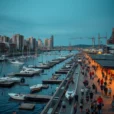
Can Waterfronts Still Belong to Everyone?
Marinas promise public waterfronts, but can civic access survive luxury development, branding, and privatized urban renewal?
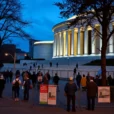
Who Decides When the Kennedy Center Has Failed?
The Kennedy Center demolition fight asks whether cultural landmarks can adapt to political priorities—or whether civic memory has a point of no return.
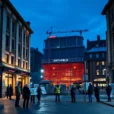
Can a Branded Museum Still Feel Public?
London Museum’s relaunch asks whether civic memory can survive spectacle, branding, and a highly managed architectural identity.
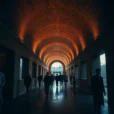
Can Heritage Architecture Survive Luxury Conversion?
Japan’s former Nara Prison becomes a hotel—does adaptive reuse preserve memory, or market it as atmosphere?