
Craft Needs Apprentices, Not Just Collectors
The design world has become exceptionally good at selling the evidence of a human hand. A tool mark authenticates a table; an irregular surface justifies a premium. Yet the survival of this aesthetic tells us remarkably little about whether its maker earns a reliable income—or whether anyone is learning to take over. A collectible object can outlive the working culture that produced it.
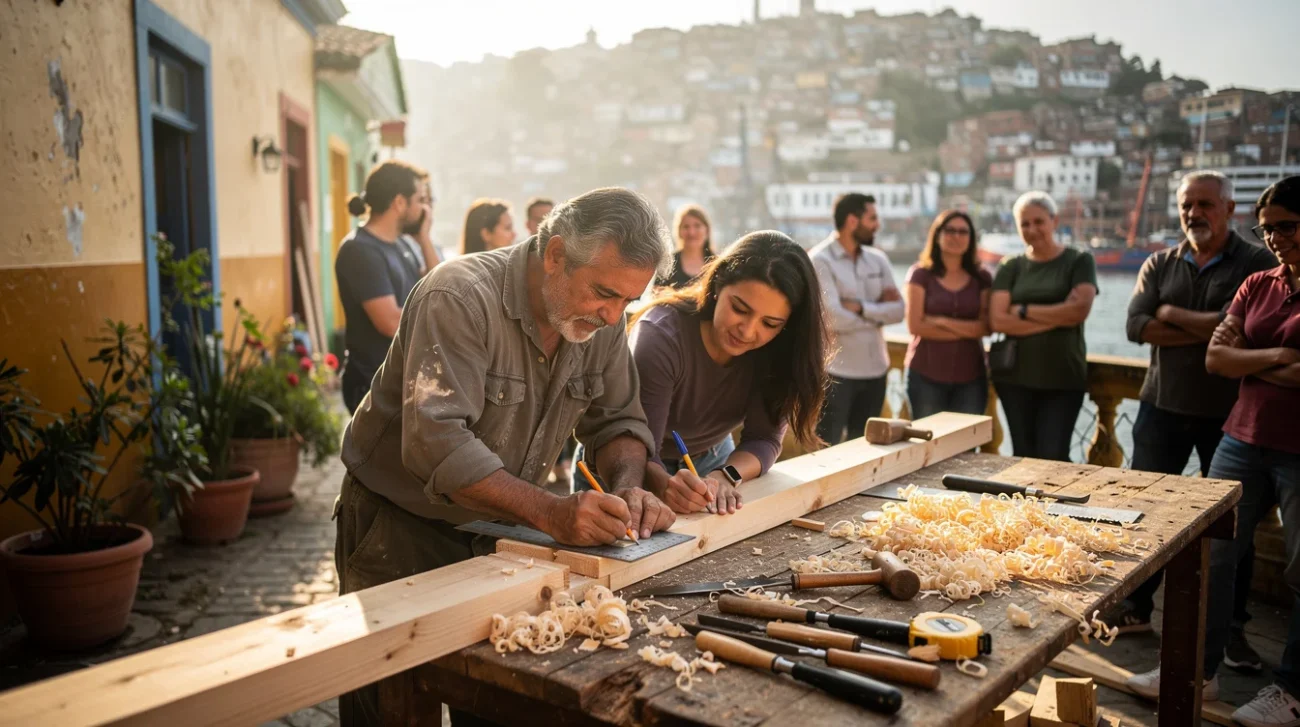
Valparaíso offers a different starting point. Scheduled for October 9–11 at the Parque Cultural de Valparaíso in Chile, the municipally organized Oficios en obra, or Trades at Work, is a free, publicly accessible gathering devoted to learning and collaboration around the city’s traditional construction trades. Its stated ambition is recognition and continuity across generations, rather than exclusivity. That distinction deserves more than applause. It demands a confrontation between two propositions: premium commissions can finance skilled work; public access can widen its future. Neither deserves credit without evidence of livelihoods and succession.
PRO: Premium Commissions Can Pay for Mastery
Start with the strongest argument for the collector: skilled work takes time, and somebody must pay for it. Assessing an old timber connection, selecting a compatible repair or reproducing a complex component involves judgment that cannot be reduced to material quantities. A client willing to pay for that judgment can support a workshop more directly than a crowded demonstration ever will.
William Morris exposes both the promise and the contradiction. The interiors associated with Morris & Co., and the collaborative domestic vision of Red House, made craft central to an influential design culture. They also depended on customers able to afford labor-intensive production. The market’s narrowness did not make the workmanship fraudulent. It made access unequal. Confusing those two criticisms lets us denounce luxury without answering the practical question of who covers the wage bill.
In Valparaíso, premium restoration commissions could provide income for practitioners working with the structural timber, earth-building traditions and nineteenth-century industrial technologies embedded in the city’s architecture. A demanding client can make careful investigation commercially possible. Expensive work is not automatically exploitative; underpriced expertise frequently is. Preservation cannot be built on the expectation that skilled people should accept less because their work has cultural value.
PRO: A Market Can Become a Training Infrastructure
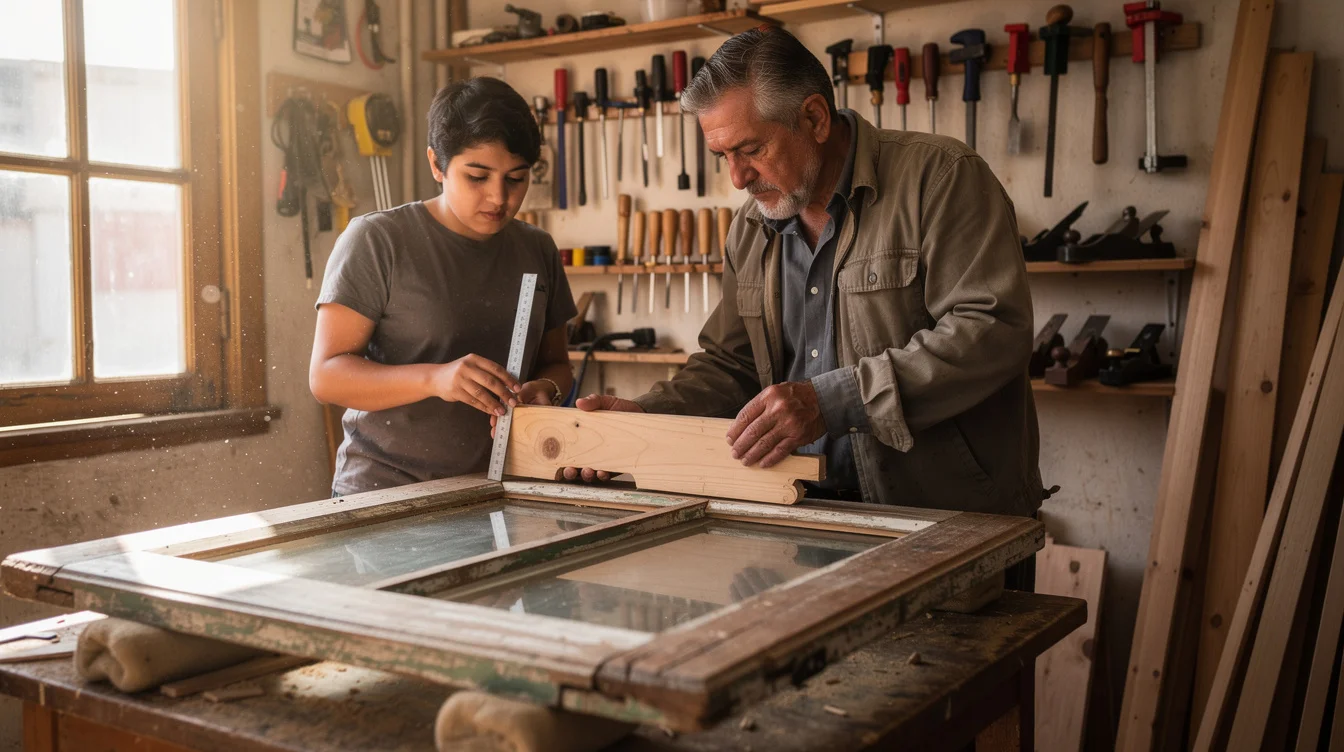
The better defense of premium craft is therefore institutional, not sentimental. A healthy workshop uses profitable commissions to maintain tools, retain experienced workers and absorb the slower pace of a beginner. Apprenticeship has a productivity cost: someone must explain, supervise and sometimes remake. A higher project margin can create room for that cost, provided the owner chooses to invest it.
Hermès offers a relevant, if imperfect, comparison through its apprenticeship and leatherworking training infrastructure in France. Leather goods are not building conservation, and a global luxury company is hardly a template for a small Chilean contractor. Nevertheless, the example punctures the claim that exclusivity and skill transmission must be enemies. A premium business can train people because its future output depends on their competence. The problem begins when the brand captures the cultural prestige while training becomes somebody else’s responsibility.
For architecture, the test belongs in the commission itself. Does the contract fund supervised learning hours? Does the schedule accommodate them? Are practitioners named, rather than dissolved into an architect’s authorship? A collector commissioning an intricate timber interior could require an apprentice position and pay for it. That would turn patronage into productive capacity, not merely ownership. The strongest case for premium commissions is that they can finance tomorrow’s workers while delivering today’s work.
CONTRA: Luxury Can Preserve the Look While Losing the Trade
Now the objection: a market for remarkable objects is not the same as a labor market capable of maintaining a city. Collectors reward distinction. Buildings usually need repetition—inspection, repair, replacement and competent upkeep. The spectacular commission photographs beautifully; the modest repair keeps a working culture useful. When prestige determines what survives, ordinary expertise can disappear while its most photogenic effects flourish.
Valparaíso makes that mismatch visible. Once the South Pacific’s most important port, the city accumulated building practices involving structural timber, rammed earth and imported industrial technologies. These are not simply a palette for boutique hospitality. They are forms of construction knowledge whose relevance depends on understanding existing buildings, material behavior and appropriate intervention. Copying an aged surface does not reproduce the ability to diagnose what is failing behind it.
Scarcity also creates a perverse incentive. If a workshop’s desirability rests on access to a single celebrated master, expanding the pool of competent practitioners may not strengthen its exclusivity. This is not an accusation against every maker; it is a structural tension within scarcity-based marketing. Morris’s predicament returns: the celebration of meaningful labor can culminate in products unavailable to most people. A craft can become more valuable as a luxury sign precisely while becoming less available as a practical service.
CONTRA: Public Access Opens the Door, but Apprentices Need Wages
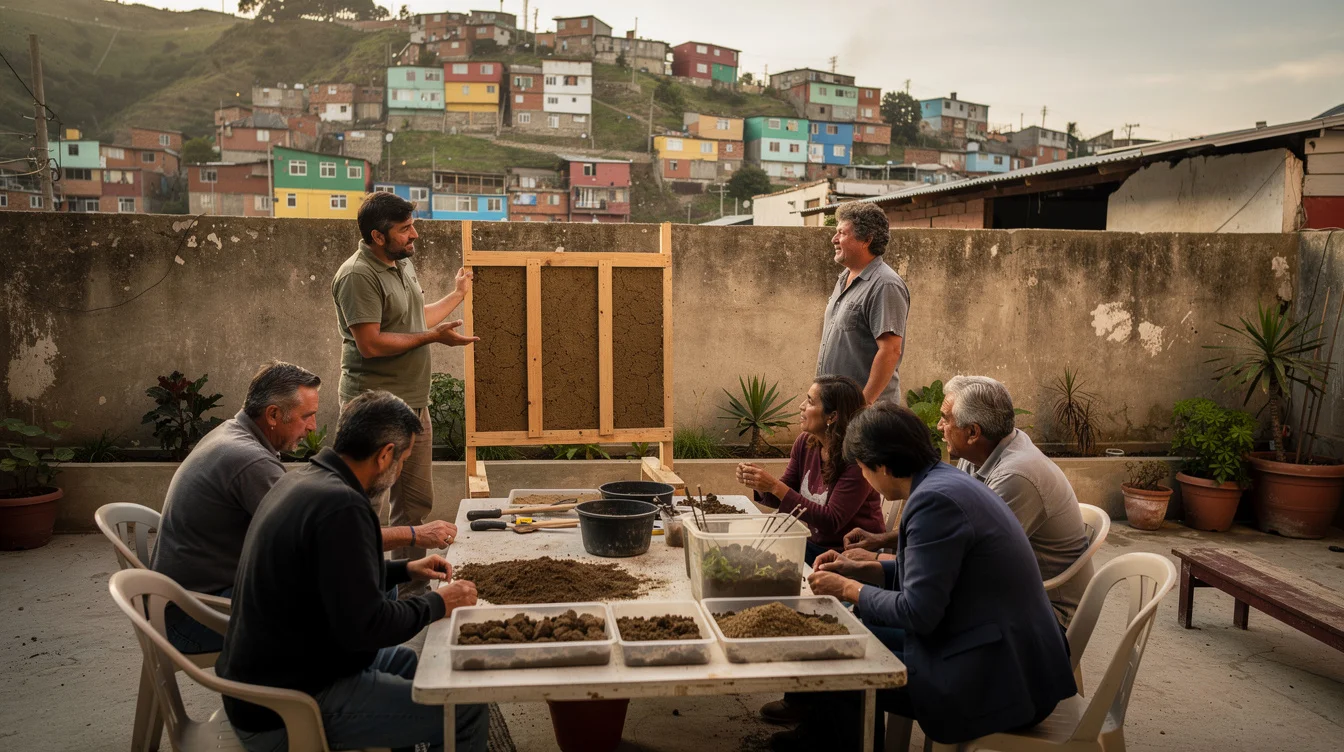
Oficios en obra challenges that logic by treating knowledge as something to circulate. Free entry matters because a future practitioner need not already be a customer, a design student or a member of a professional network. The costs of visibility in design make that access far from a given. At its best, a gathering lets someone encounter a trade before deciding whether it might become a livelihood. Recognition can move from the finished object to the person who knows how to make and maintain it.
But a three-day event cannot carry the burden of succession. The Compagnons du Devoir’s work-study model in France offers a useful reference for connecting learning to professional practice. Auburn University’s Rural Studio, working in Alabama’s Hale County, demonstrates another relevant principle: design education can engage construction and community needs together. Neither should be imported wholesale into Chile. Both show why continuity requires an organized pathway beyond the inspiring encounter.
The next step for Valparaíso should be judged through paid placements, sustained teaching capacity and suitable repair commissions—not attendance alone. Municipal procurement could recognize supervised training as a funded project requirement, with competent oversight and fair compensation. Publicly accessible training provides the stronger foundation because it widens entry rather than rationing it. Premium commissions remain valuable as one revenue source within that foundation. Free access should describe the learner’s doorway, never the master’s obligation to work unpaid. Otherwise, public celebration and luxury marketing reach the same dead end: admiration without succession.
FAQ: What Would Actually Keep Craft Alive?
What is Oficios en obra?
It is a municipally organized gathering scheduled for October 9–11 at the Parque Cultural de Valparaíso, Chile. Its free, public activities focus on learning and collaboration around traditional construction trades, with the aim of supporting recognition and continuity among new generations.
Do premium commissions help preserve traditional trades?
They can pay for expert labor, workshop overheads and supervised learning. But a high sale price is not proof of preservation. The stronger evidence is sustained employment, fairly compensated teaching and opportunities for apprentices to develop independent competence.
Why is a free workshop not enough?
An introductory workshop can remove barriers and spark interest, but competence requires repeated practice, feedback and responsibility over time. Learners also need income, equipment and routes into employment; experienced practitioners need payment for the time they spend teaching.
How should craft-preservation initiatives measure success?
Track apprentice retention, progression into paid work, practitioner earnings and the quality of completed repairs. Attendance and publicity reveal reach, not succession. Assessment should also involve experienced tradespeople, rather than relying only on institutions or clients to define competence.
If we genuinely value handmade work, should its highest reward be owning something few others can buy—or enabling more people to learn how to make and repair it?
Get the Mainifesto weekly — curated design debates, speculative ideas and the week's best articles every Saturday.
Editorial Perspectives
Questions and counterpoints developed by the Mainifesto editorial desk to extend the discussion.
Perspective 1
I’d rather see craft’s highest reward fund apprenticeships than another limited edition. We can parametrically model a joint, but who teaches the judgment needed to fit it when the timber moves? Valparaíso’s free gathering points toward a better measure of success: how many people can carry the skill forward.
Perspective 2
I don’t buy the opposition between collectors and apprentices: demanding, well-paid commissions can keep a workshop alive long enough to train anyone. Historic buildings need specialists who can afford to stay in the neighbourhood, not another free cultural event that makes the area attractive while their rents climb. Ask whether the commission pays for an apprentice’s time before dismissing the collector.
Perspective 3
A hand-cut joint matters because someone knows how tight it should feel, where it might split, and how to repair it later—not simply because it’s rare. I’d want both the commission and the training budget to pay for that judgment. Letting beginners handle good materials matters, but so does paying the person beside them when they make a mistake.
Perspective 4
In an exhibition, a handmade object can sit beautifully under a spotlight while its making remains completely out of view. I’d like some of that attention given to a workbench, with enough light to see a repair taking shape. A free gathering can let someone stay, watch, and finally ask to try.