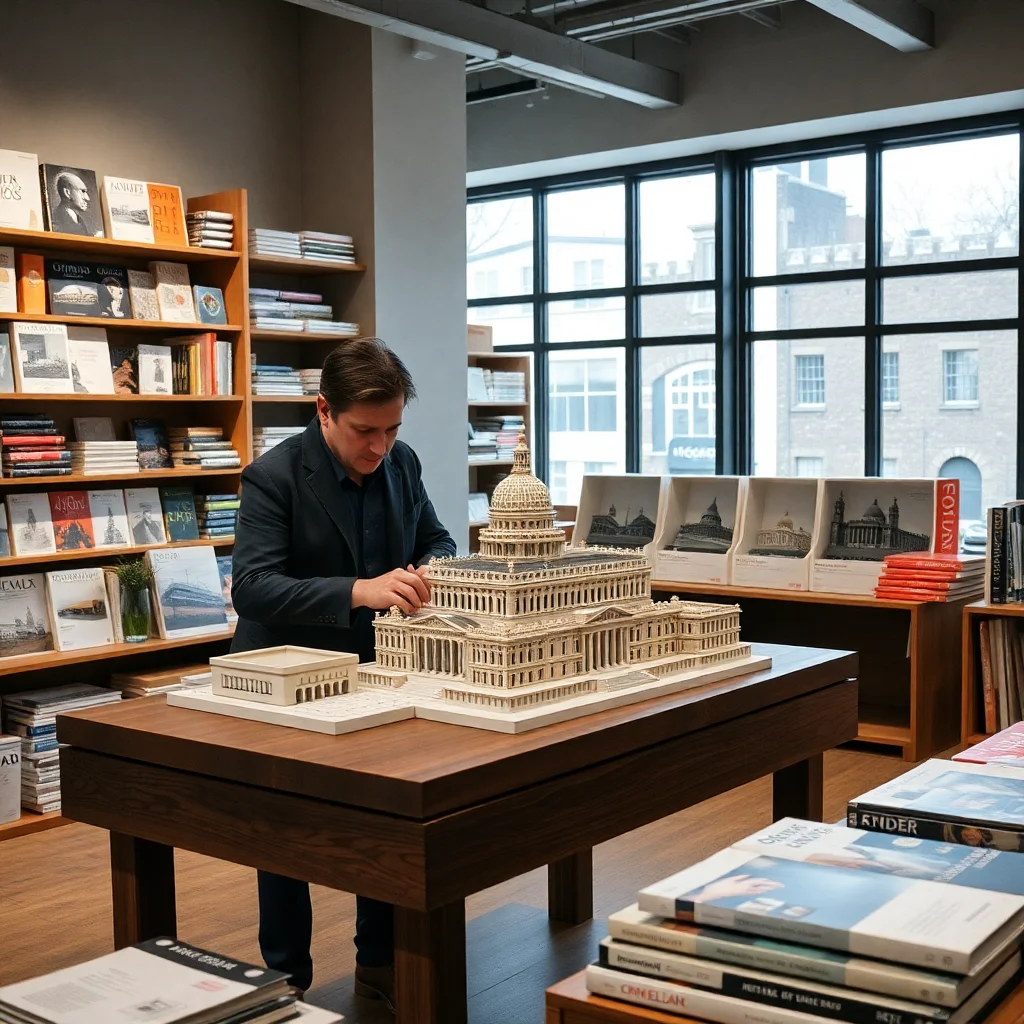
From Lego cathedrals to branded objects, iconic architecture is being miniaturized and merchandised. What is gained—and what is lost?


From Lego cathedrals to branded objects, iconic architecture is being miniaturized and merchandised. What is gained—and what is lost?
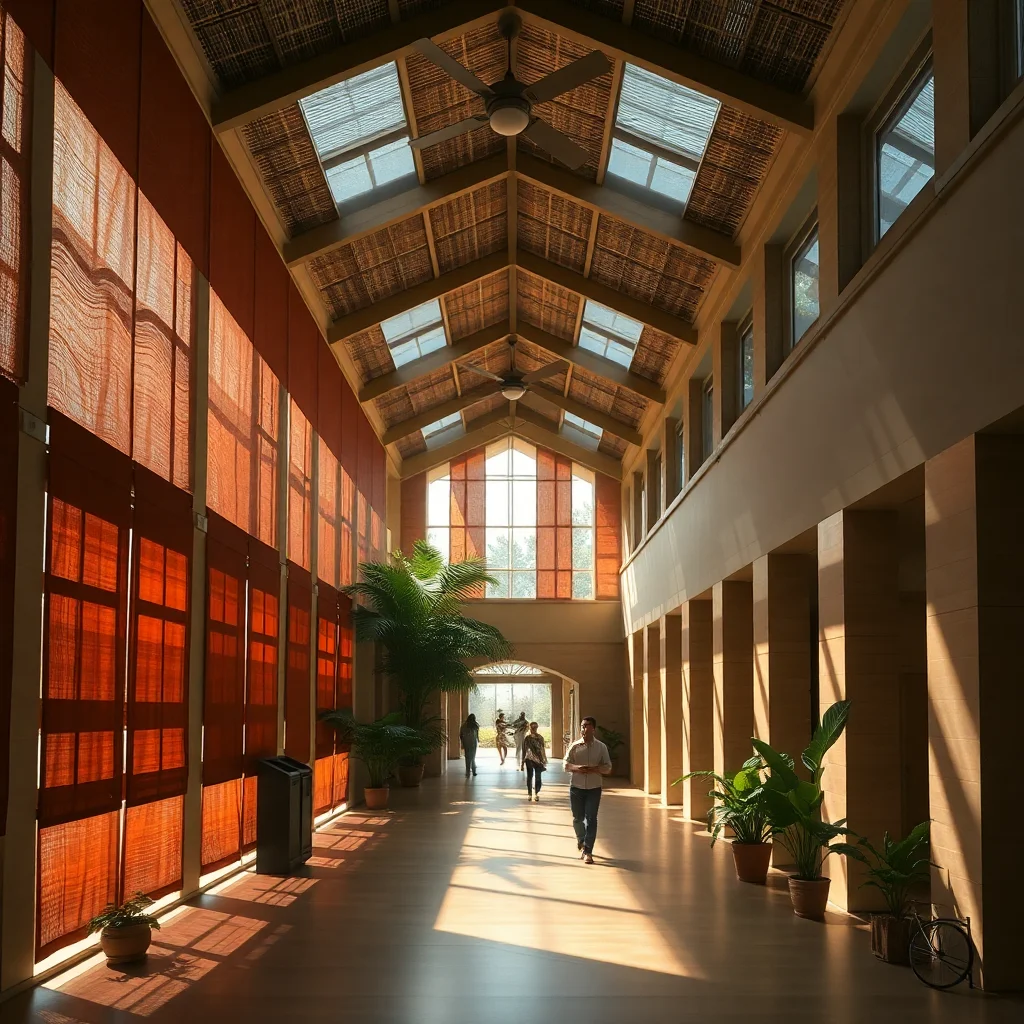
Passive cooling is back: a blunt answer to overheating, energy strain, and carbon-heavy comfort.
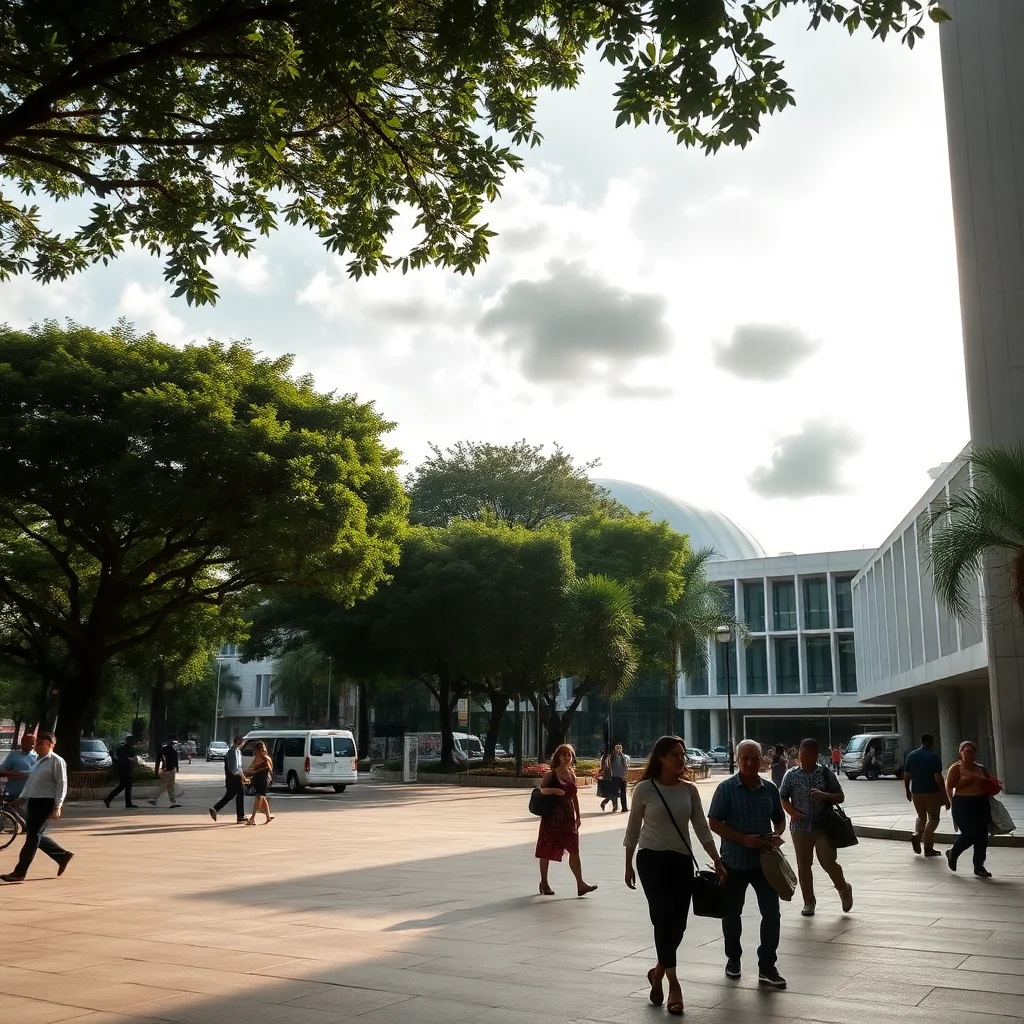
Museums and civic projects are being redesigned as climate tools that shade, cool, and connect urban neighborhoods.

AI visualization speeds up architecture—but does it clarify design or seduce teams into style-first decisions?
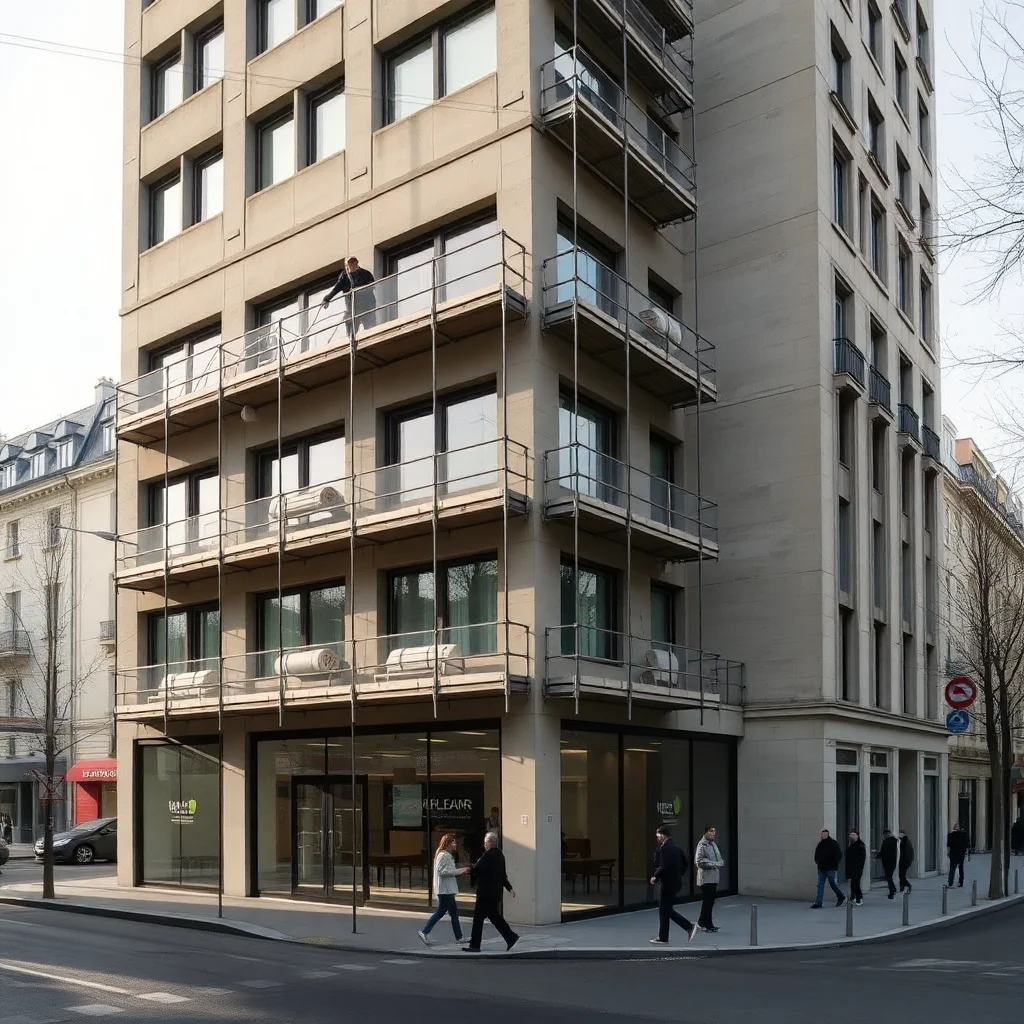
Adaptive reuse is becoming architecture’s real status symbol: lower-carbon, faster, urban, and brutally constrained.
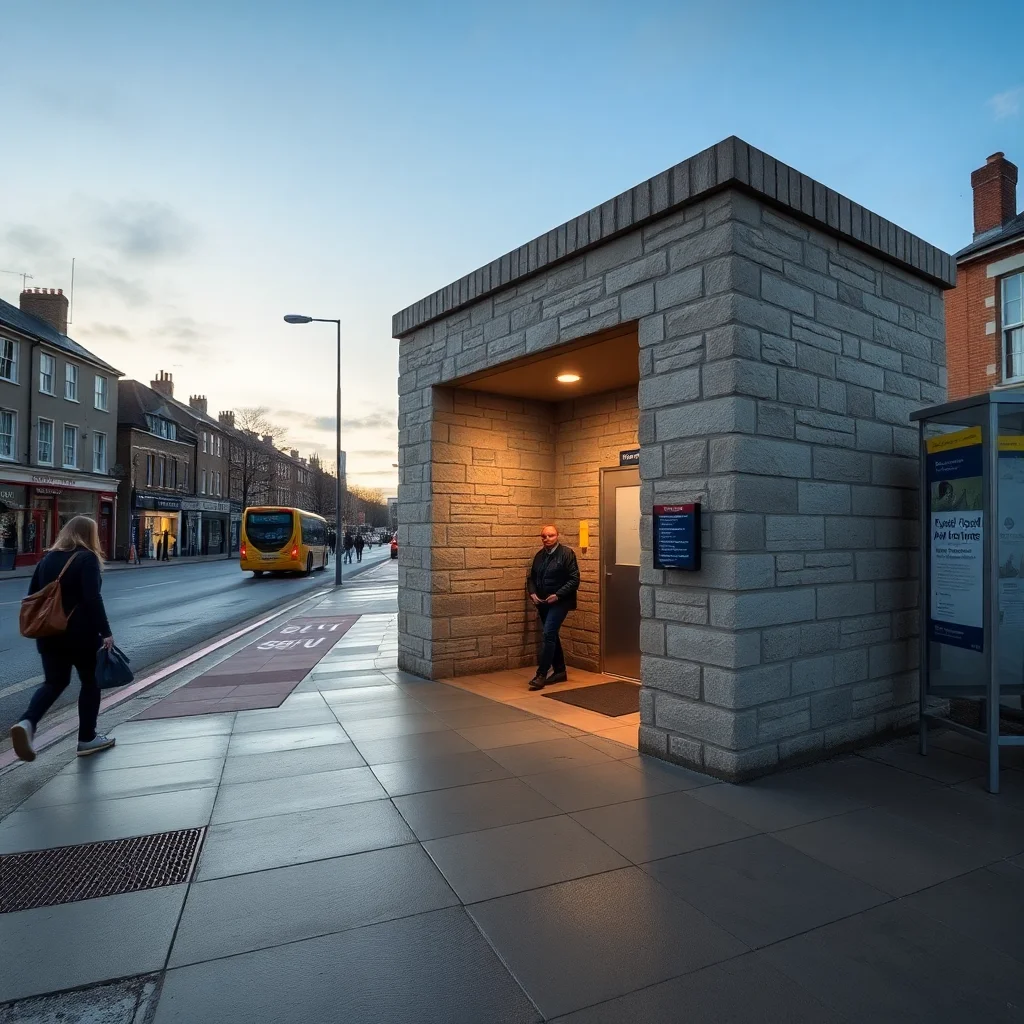
Studio Weave’s Maida Hill toilet block shows why public toilets test dignity, maintenance, safety and beauty all at once.
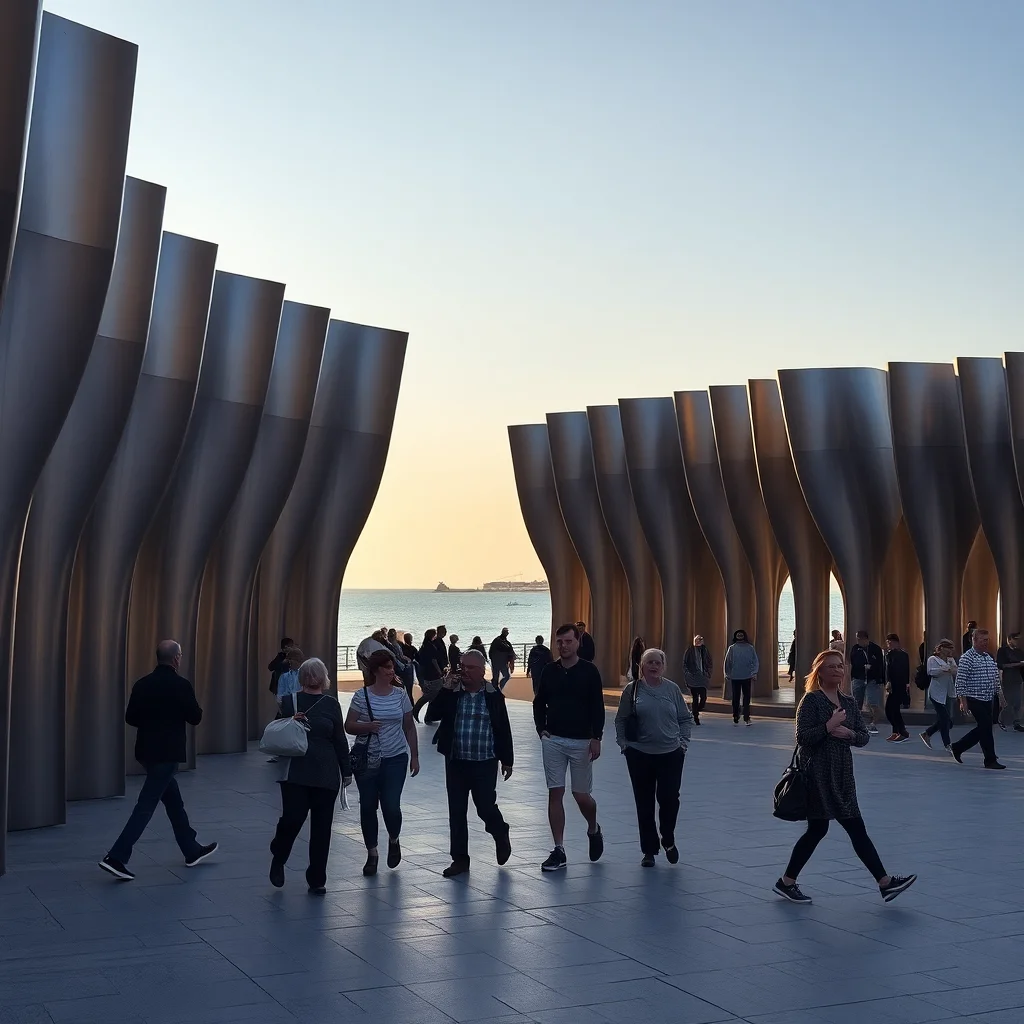
Marseille’s folded-metal tribute asks whether public art can honor migration without becoming spectacle.
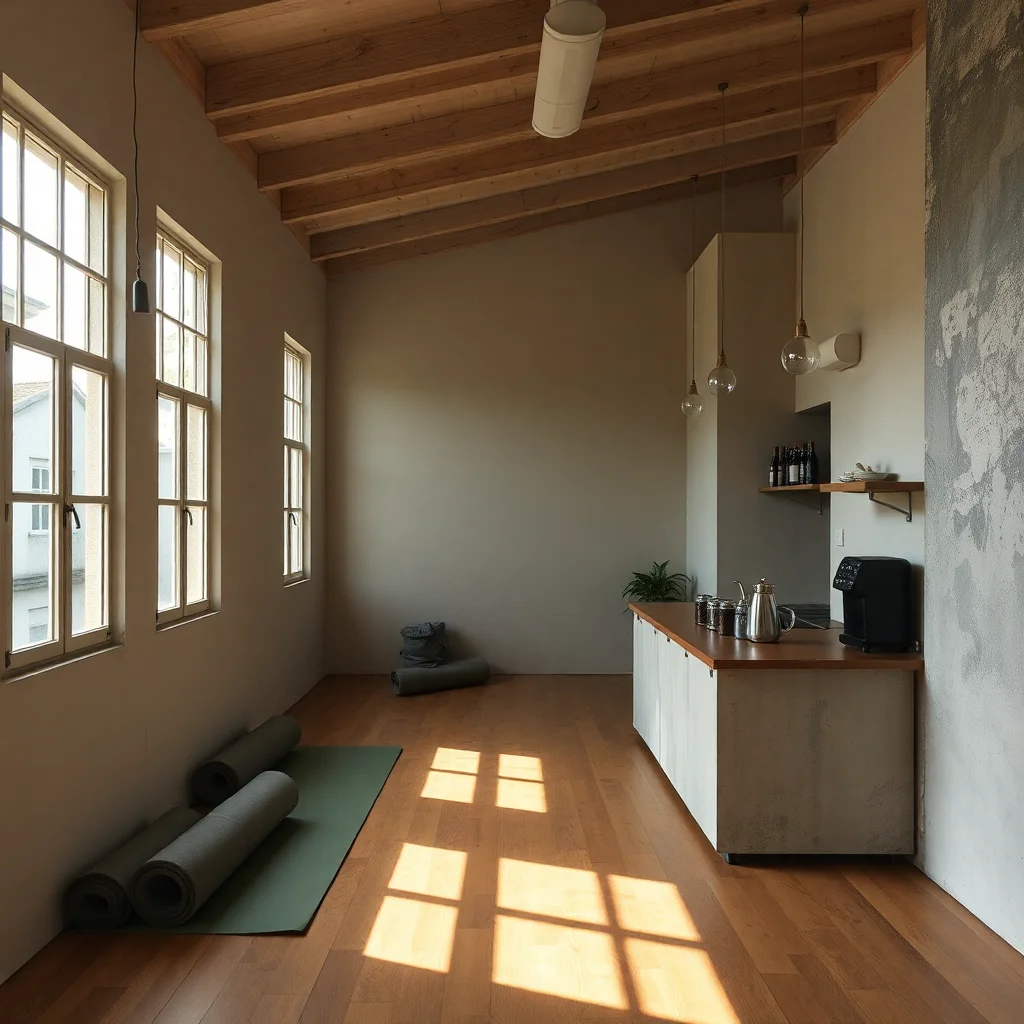
Adaptive reuse is not just preservation—it's a fight over how much history a building should visibly keep.
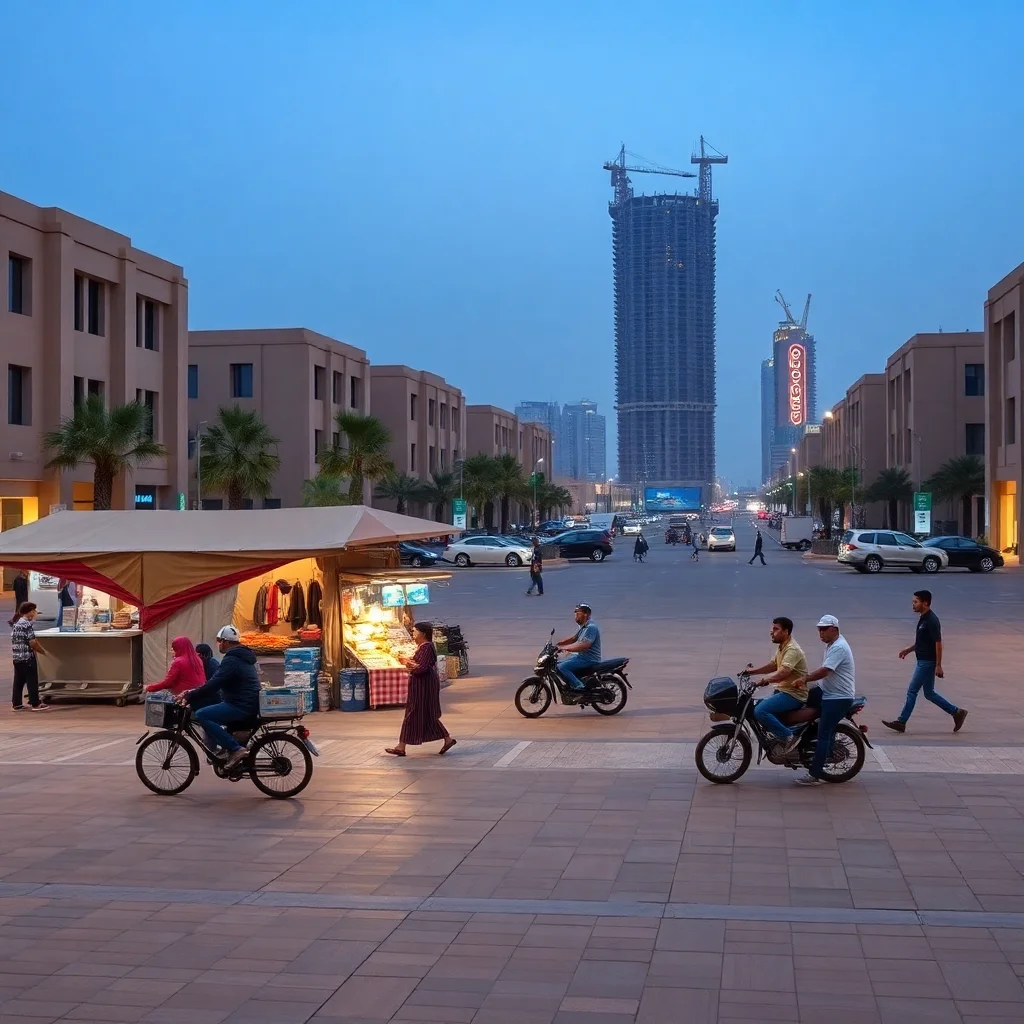
Planned cities need more than diagrams: identity, ritual and local use must be designed in from the start.

PPAA’s Lamartine hotel shows how narrow-lot hospitality must balance light, intimacy, and efficiency without losing comfort.