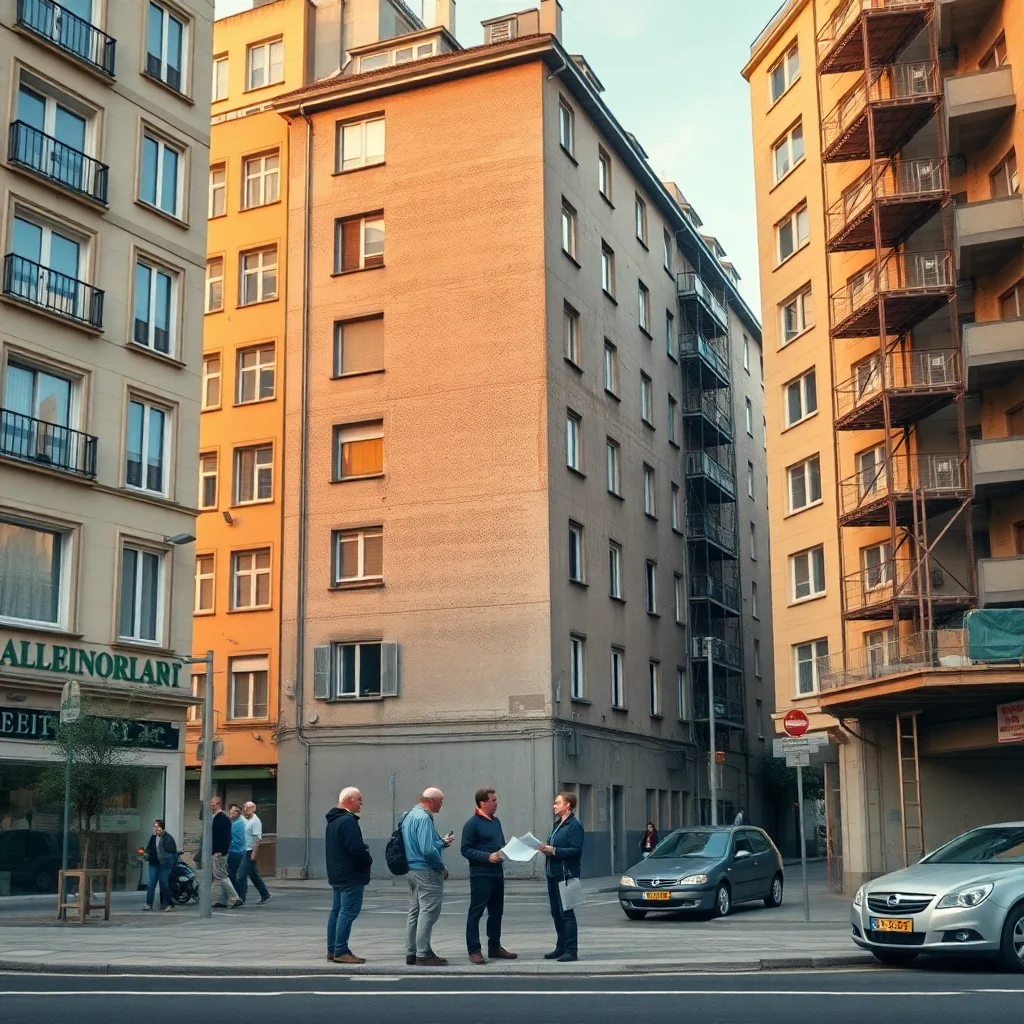
As cities densify, reuse is replacing demolition as the smartest urban strategy—ecological, financial, and fiercely political.


As cities densify, reuse is replacing demolition as the smartest urban strategy—ecological, financial, and fiercely political.
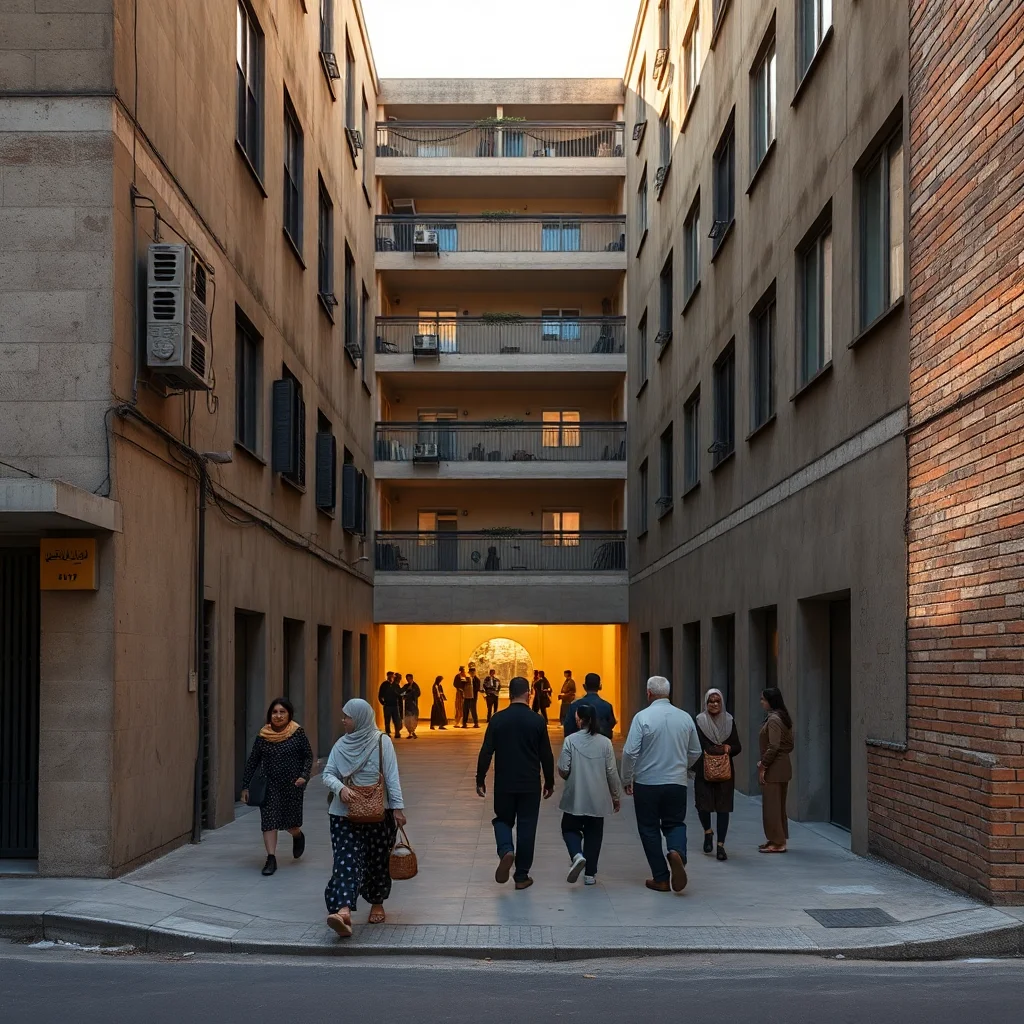
Can the courtyard and threshold revive apartment life? Bahār in Mashhad points to a denser, more social housing model.
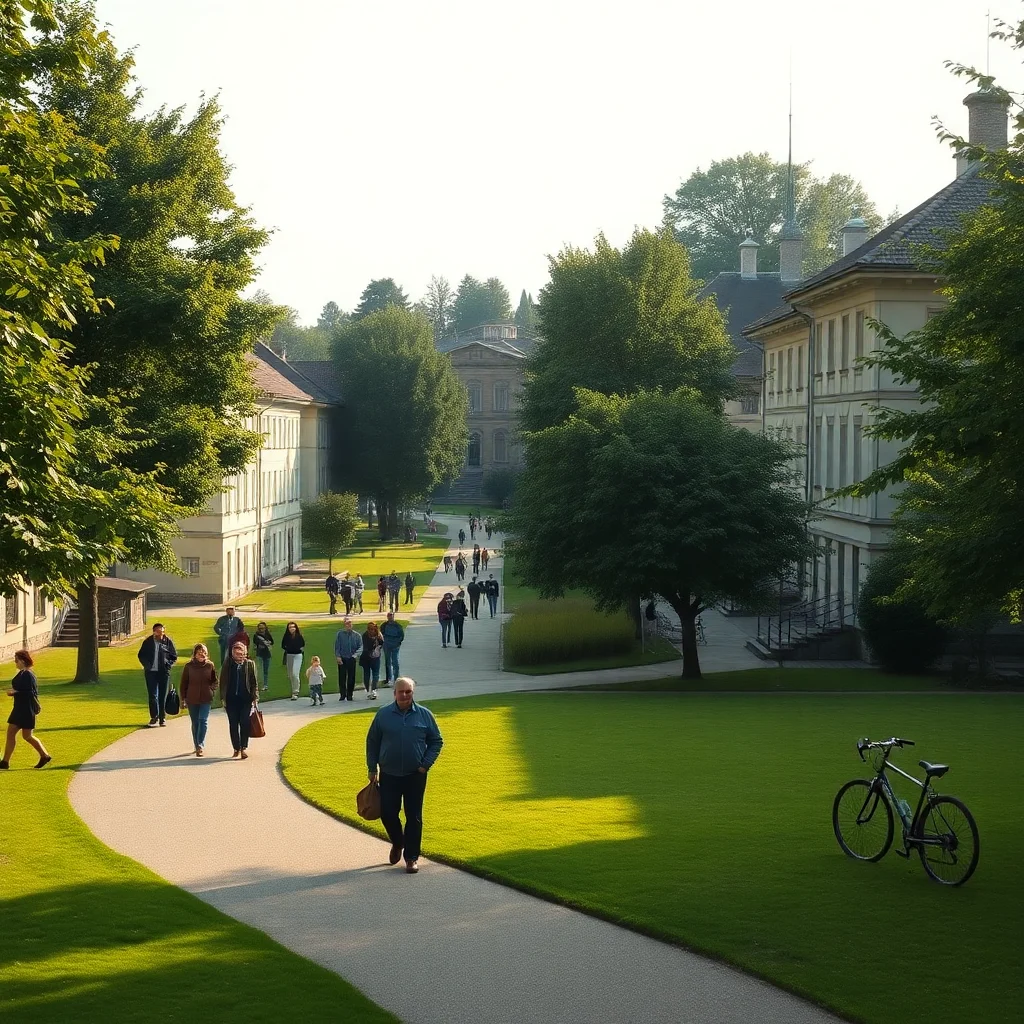
Peter Zumthor’s Fondation Beyeler extension asks whether the next cultural landmark should absorb civic life, not just project form.
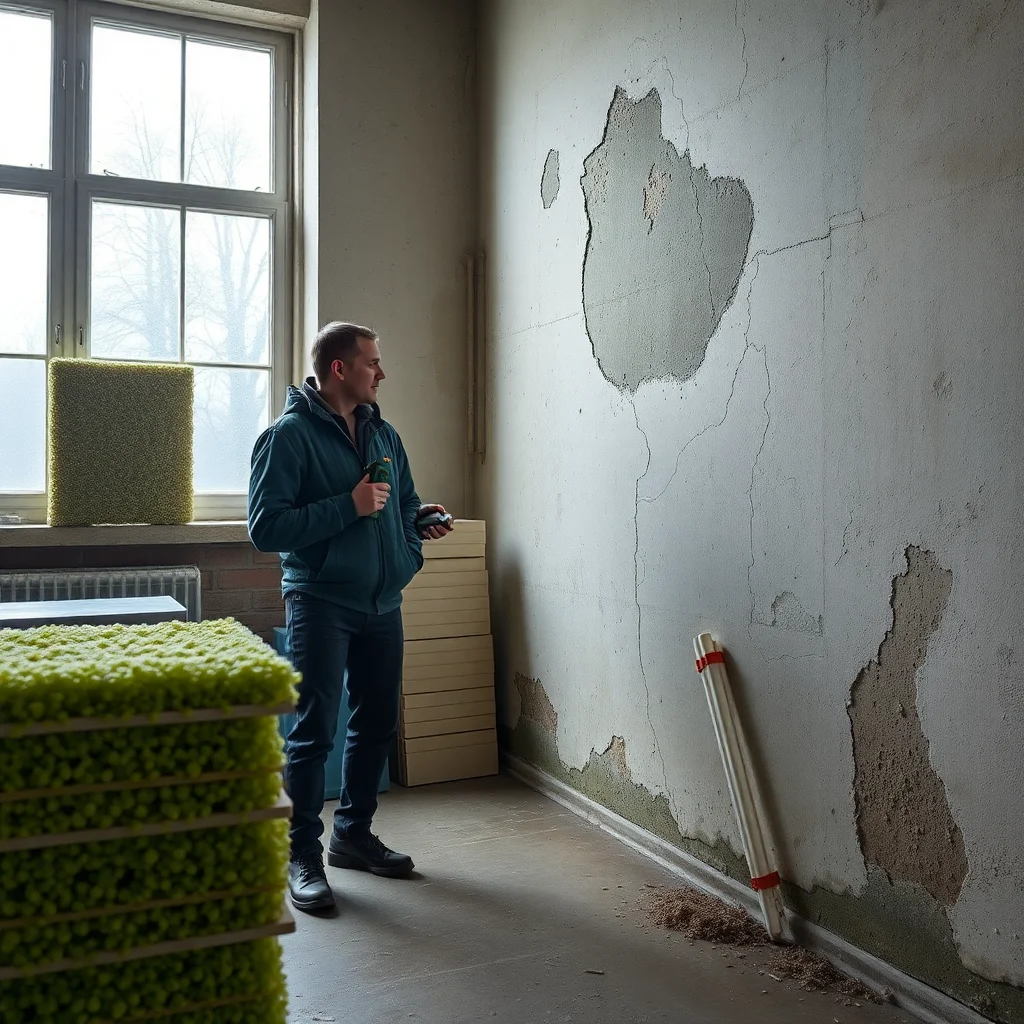
Mold, mycelium, and algae reveal architecture’s real struggle: not cleanliness, but control over life, moisture, and decay.
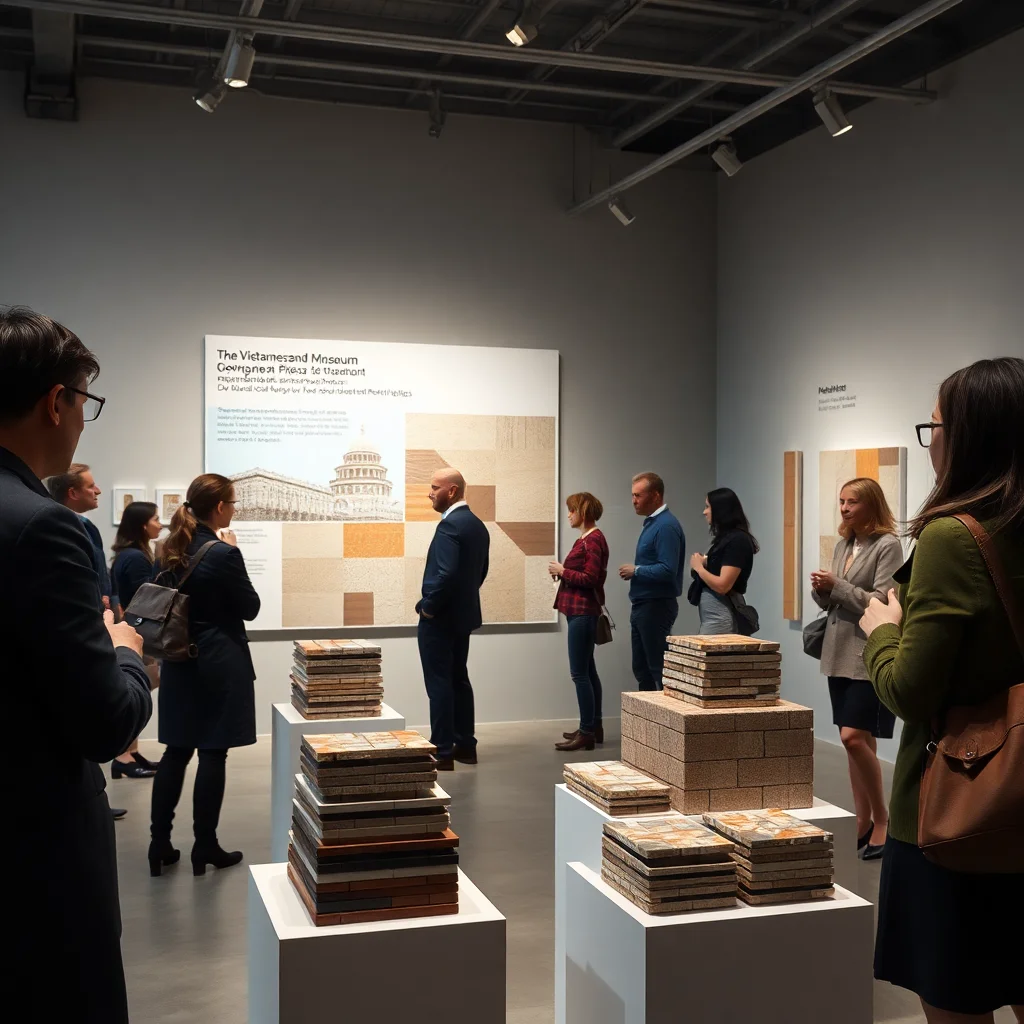
Reclaimed tiles, recycled ceramics, and dismantlable brick systems are turning circular construction into architecture’s new status language.
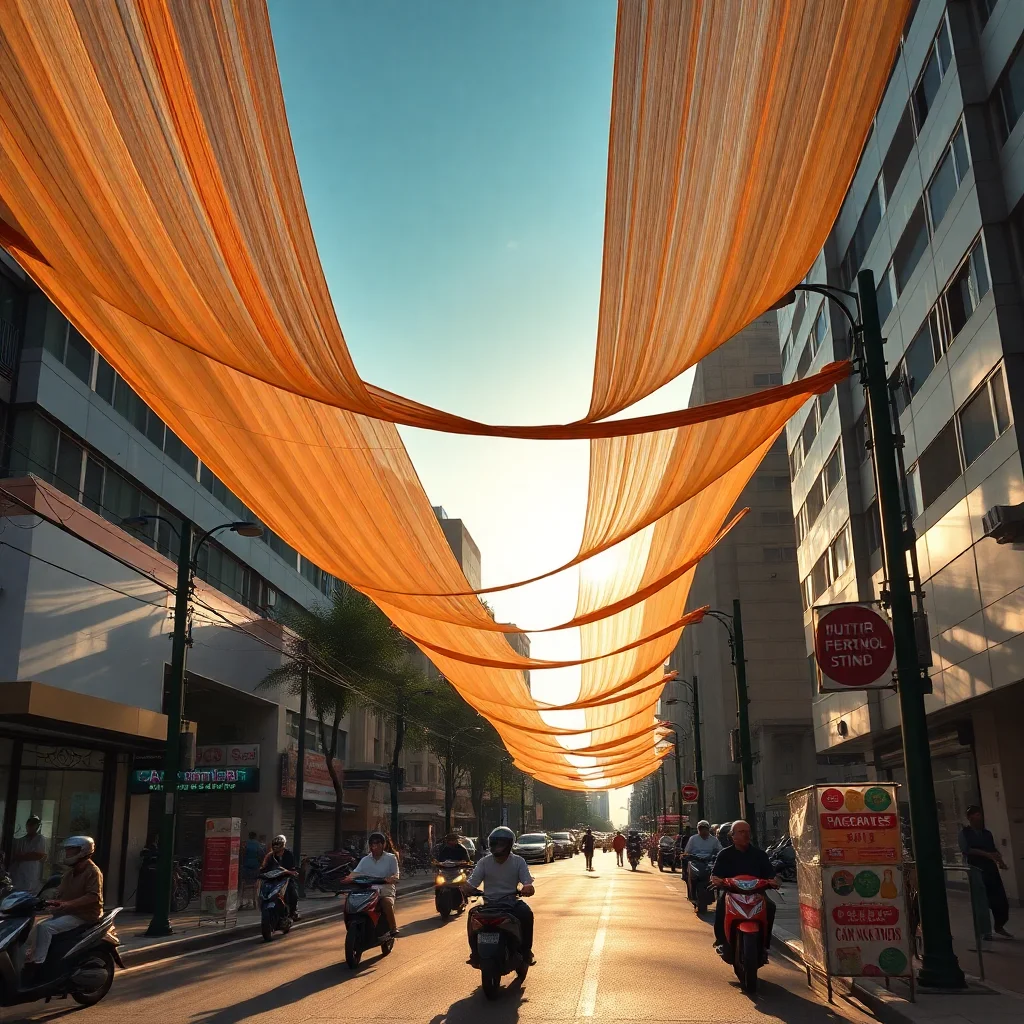
Bangkok’s recyclable ribbon canopy argues for lightweight shade as civic infrastructure in cities battling heat, congestion, and change.
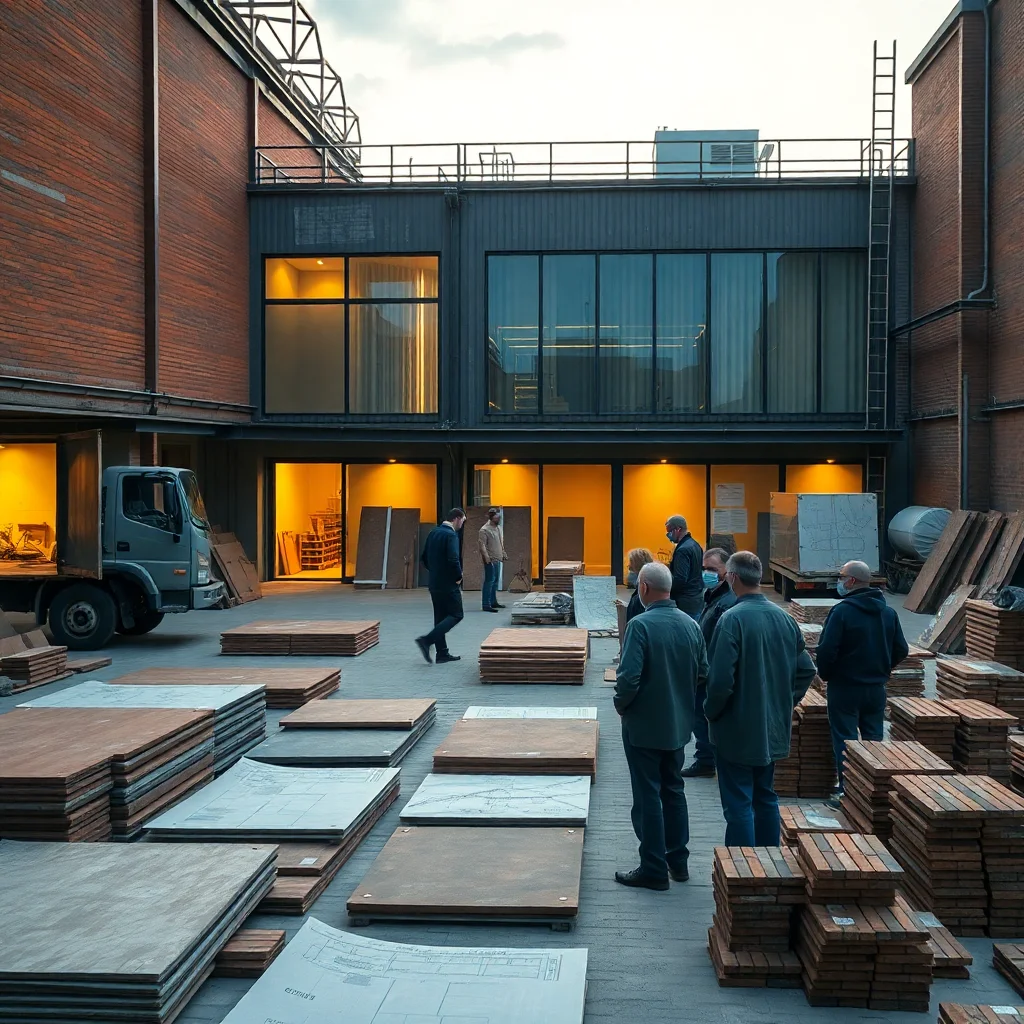
Cladding is not just finish: it exposes how local fabrication, logistics and cost pressure reshape architectural intent.

Climate infrastructure is shedding its industrial disguise. A baobab-inspired energy resort in Madagascar asks if adaptation can be desirable.

Xingu House and Ara Manor reveal a future where residential architecture frames slope, water, air, and view.
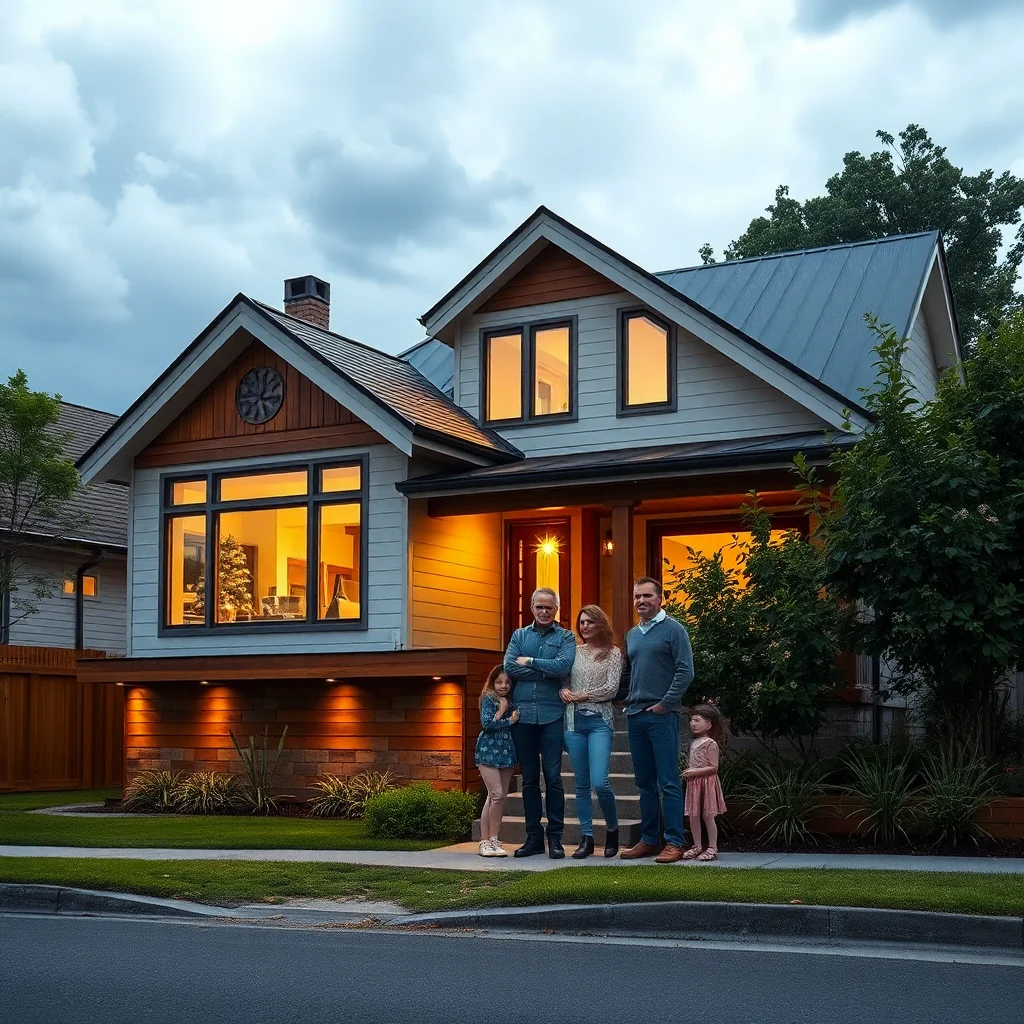
Resilient homes are moving from niche sustainability to a battle over comfort, permanence, and who can afford safety.