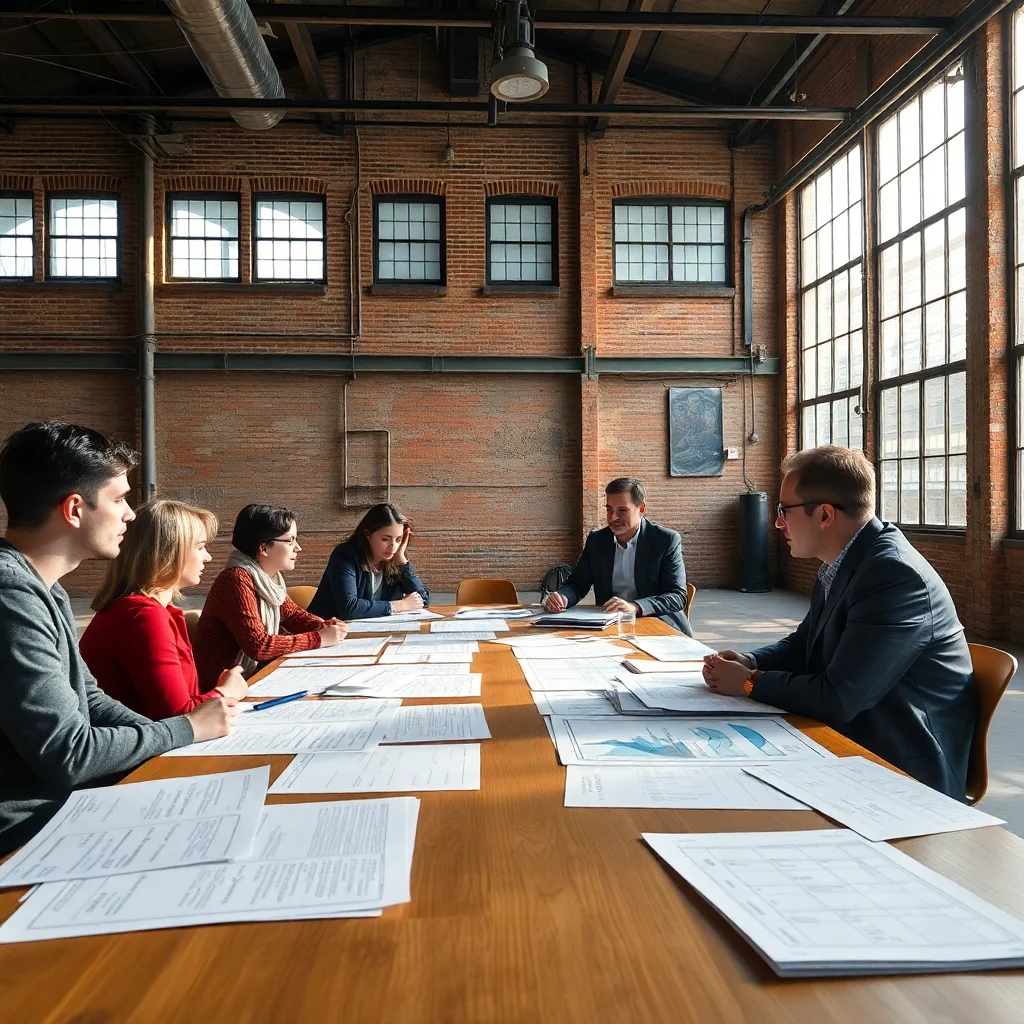
Student proposals and policy essays are turning adaptive reuse into a code reform battle over climate, carbon, and existing buildings.


Student proposals and policy essays are turning adaptive reuse into a code reform battle over climate, carbon, and existing buildings.
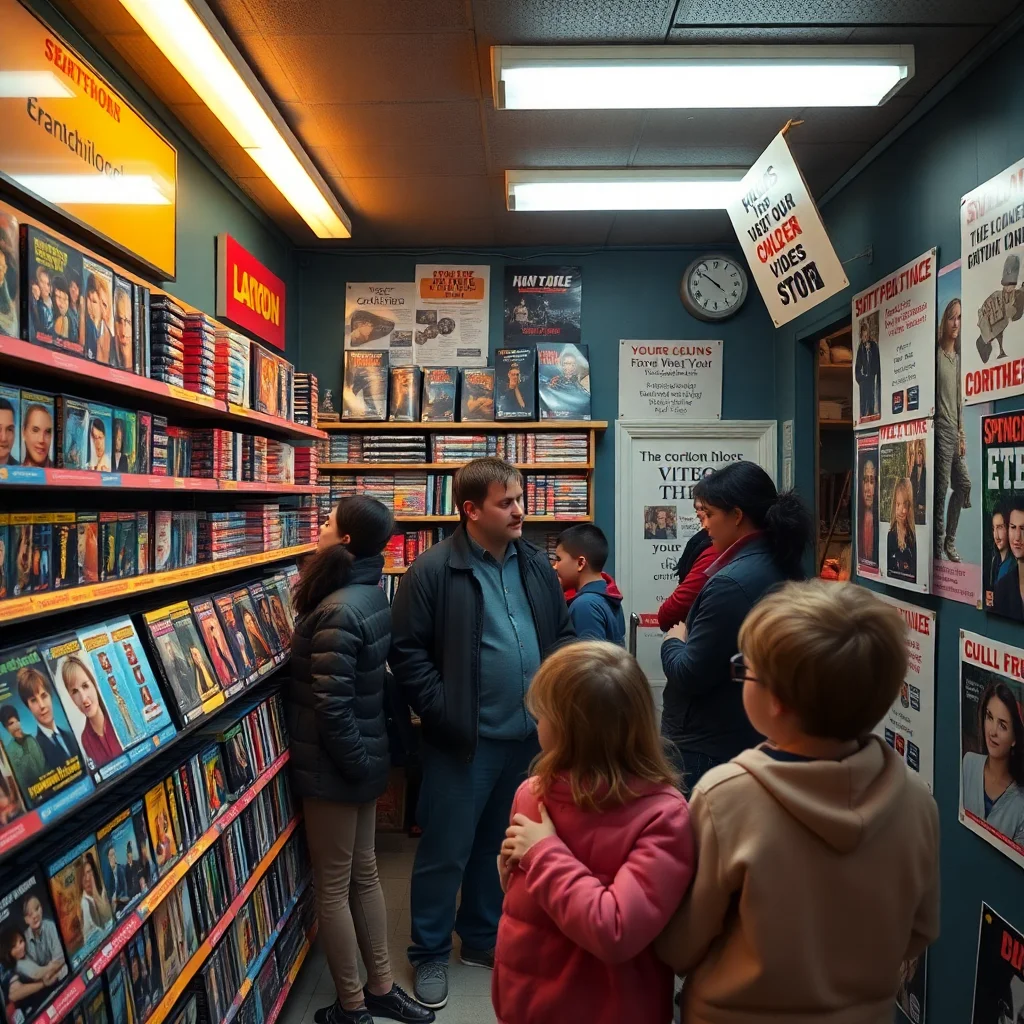
Smartphone Free Childhood turns nostalgia into a design argument: children’s attention now needs protection, ritual, and offline limits.
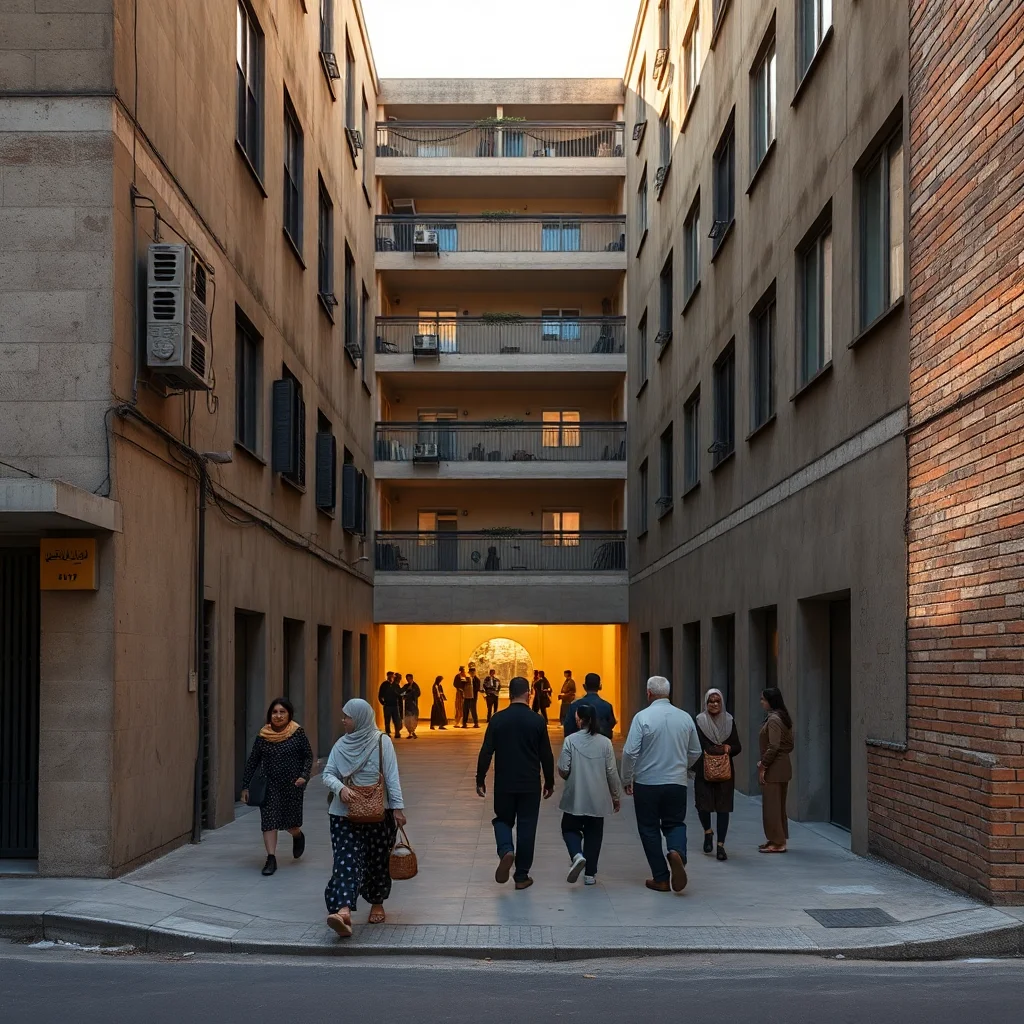
Can the courtyard and threshold revive apartment life? Bahār in Mashhad points to a denser, more social housing model.
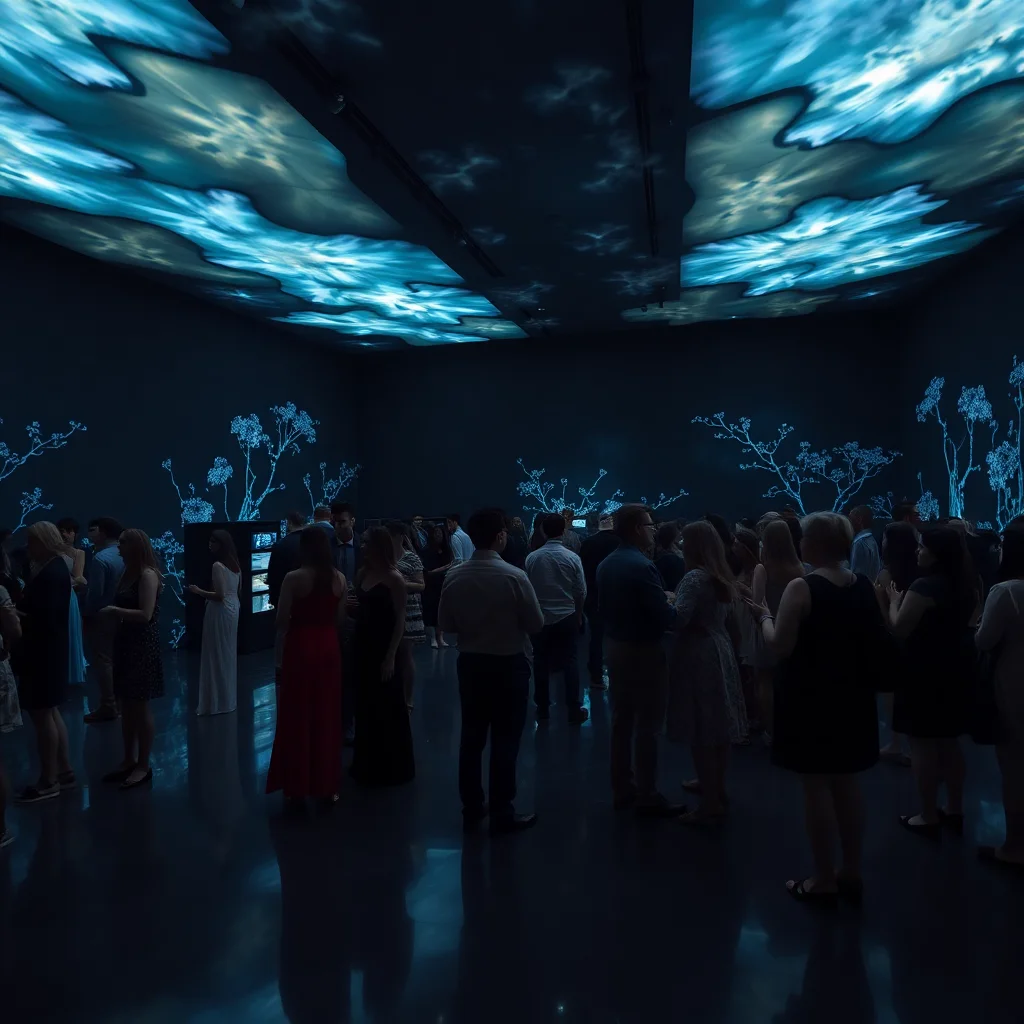
Dataland’s Los Angeles opening forces museums to decide if AI art is authorship, craft, or just tech validation.
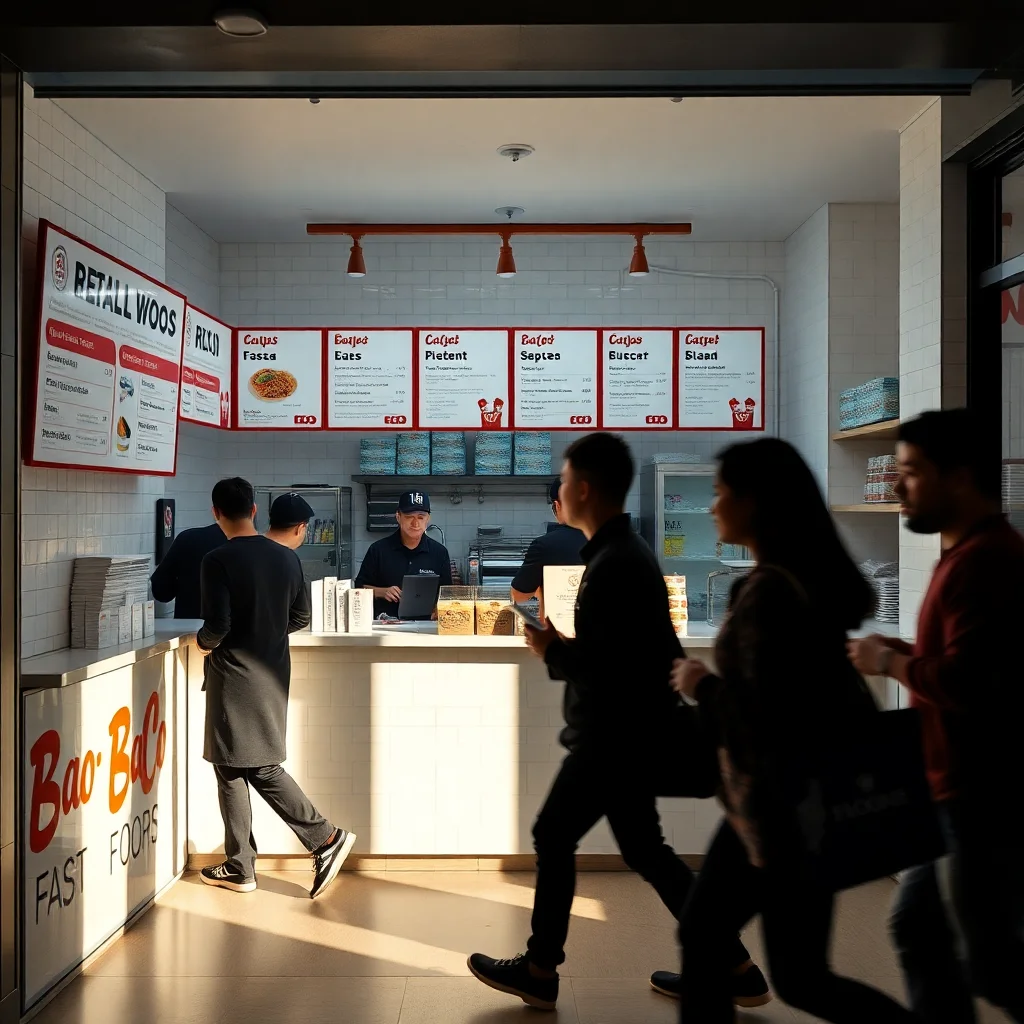
Bao Fast Foods turns fast food into a modular brand system. Can speed, consistency, and local adaptation coexist without losing soul?
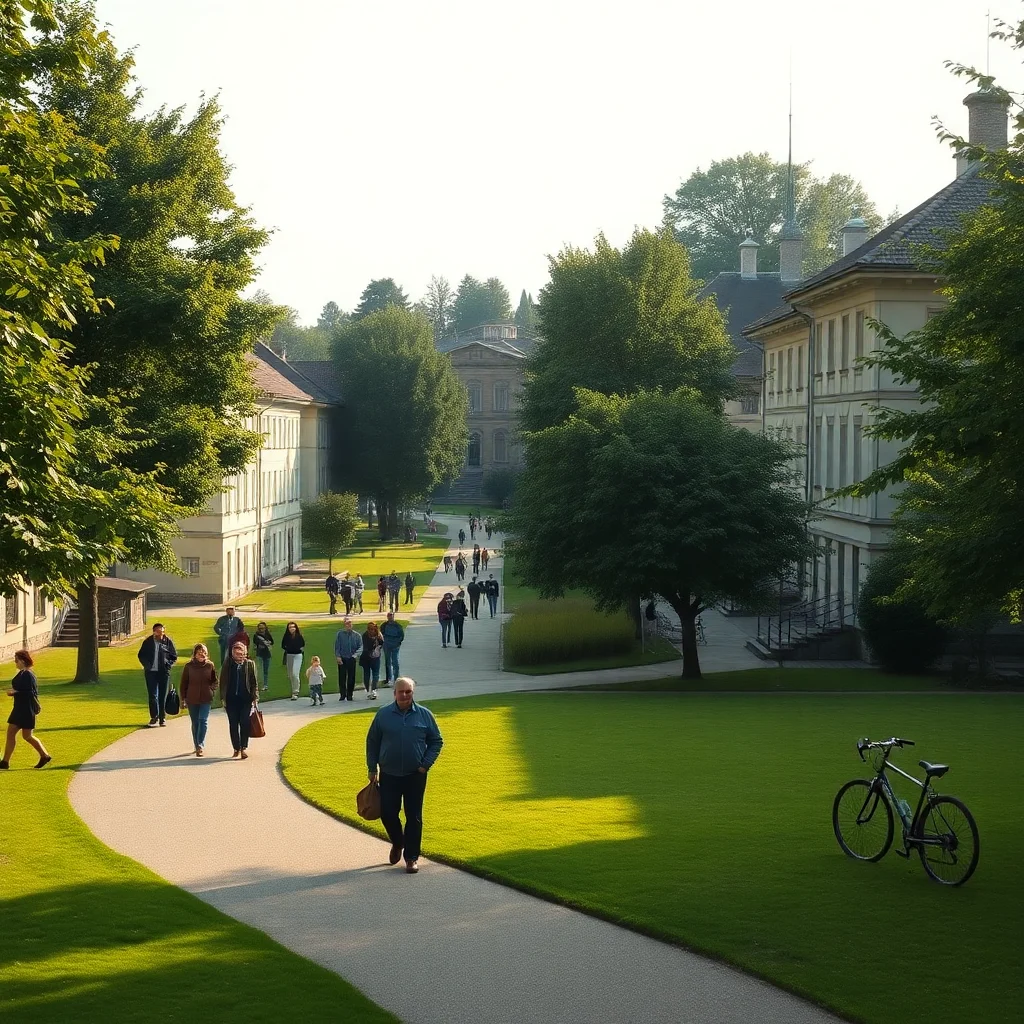
Peter Zumthor’s Fondation Beyeler extension asks whether the next cultural landmark should absorb civic life, not just project form.
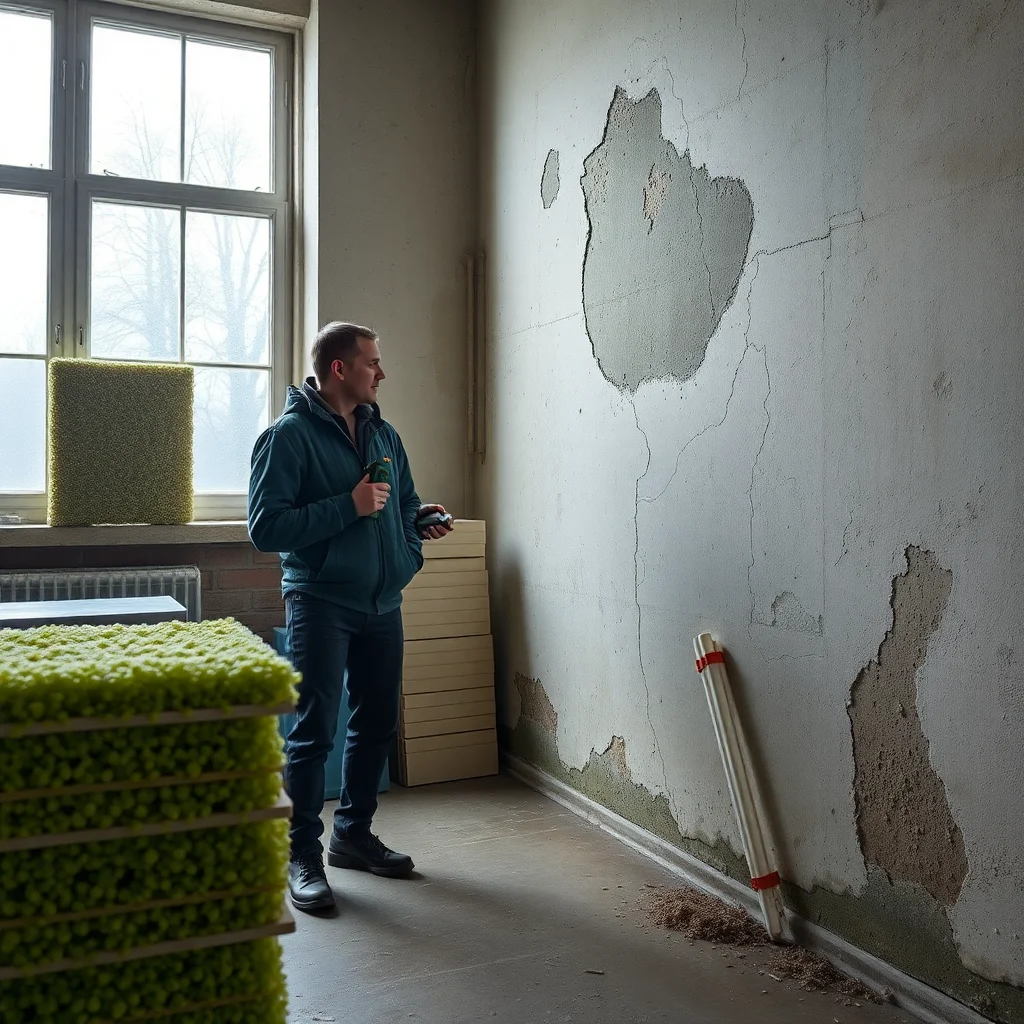
Mold, mycelium, and algae reveal architecture’s real struggle: not cleanliness, but control over life, moisture, and decay.
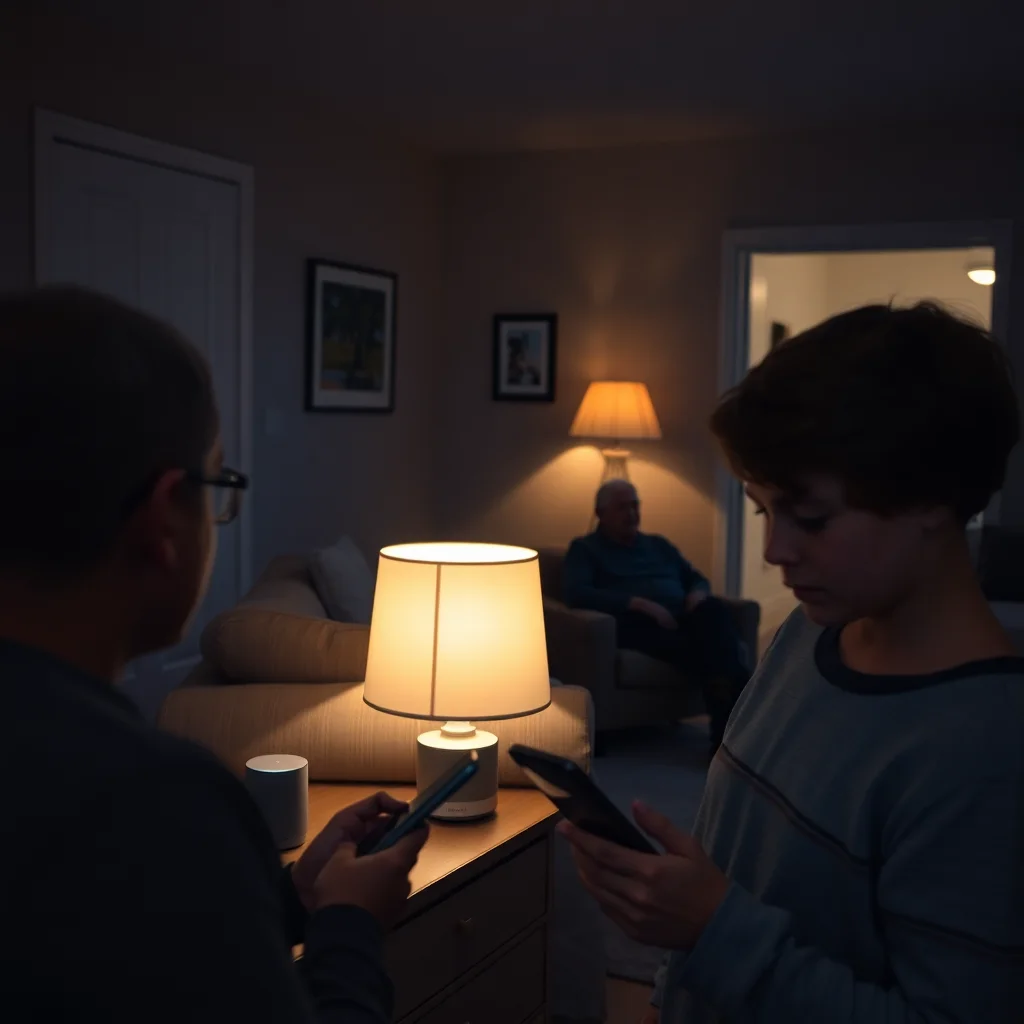
Sensors promise safer aging in place, but they also normalize surveillance. Is the smart home care—or controlled living?

UT Austin's water-harvesting jacket turns clothing into survival tech—and raises hard questions about premiumizing basic needs.
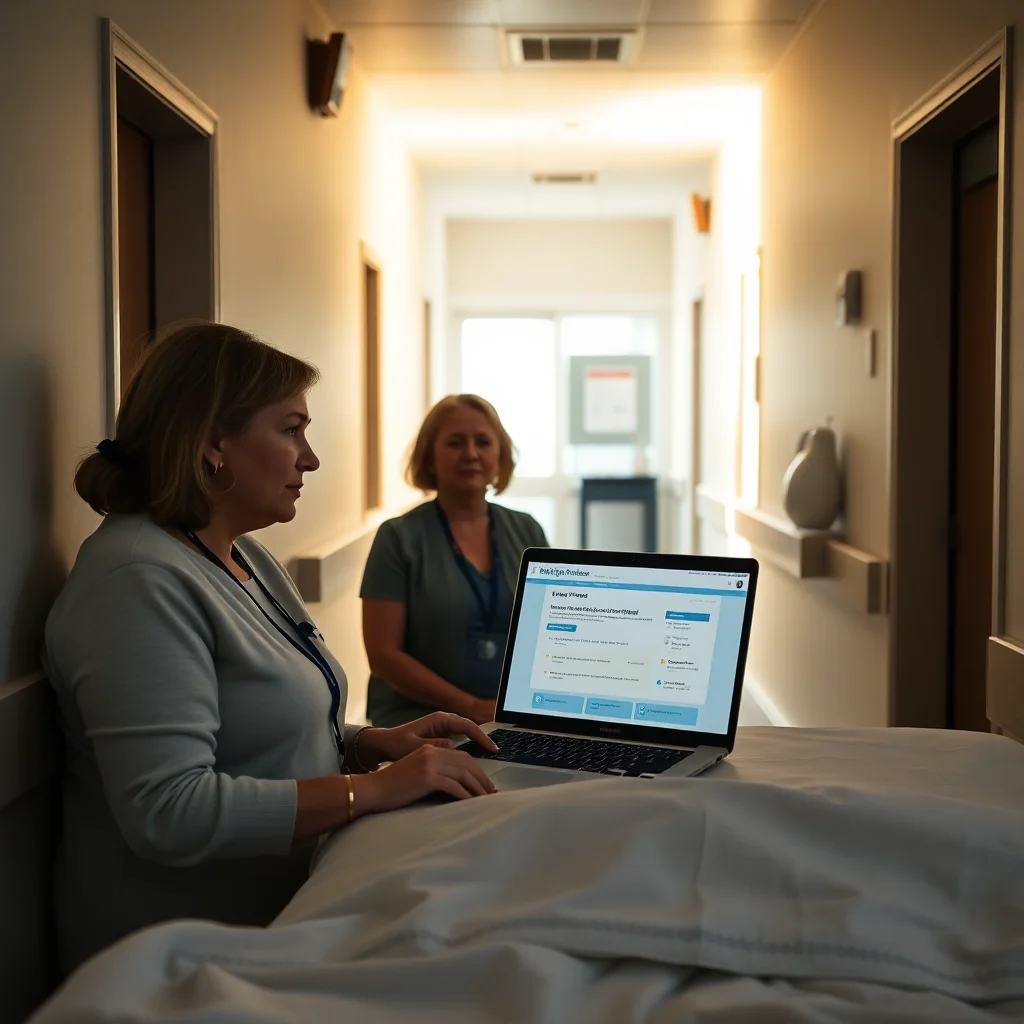
Hospice New Zealand’s Dying Reviews turns end-of-life care into a public service test. Brilliant accountability or dangerous simplification?