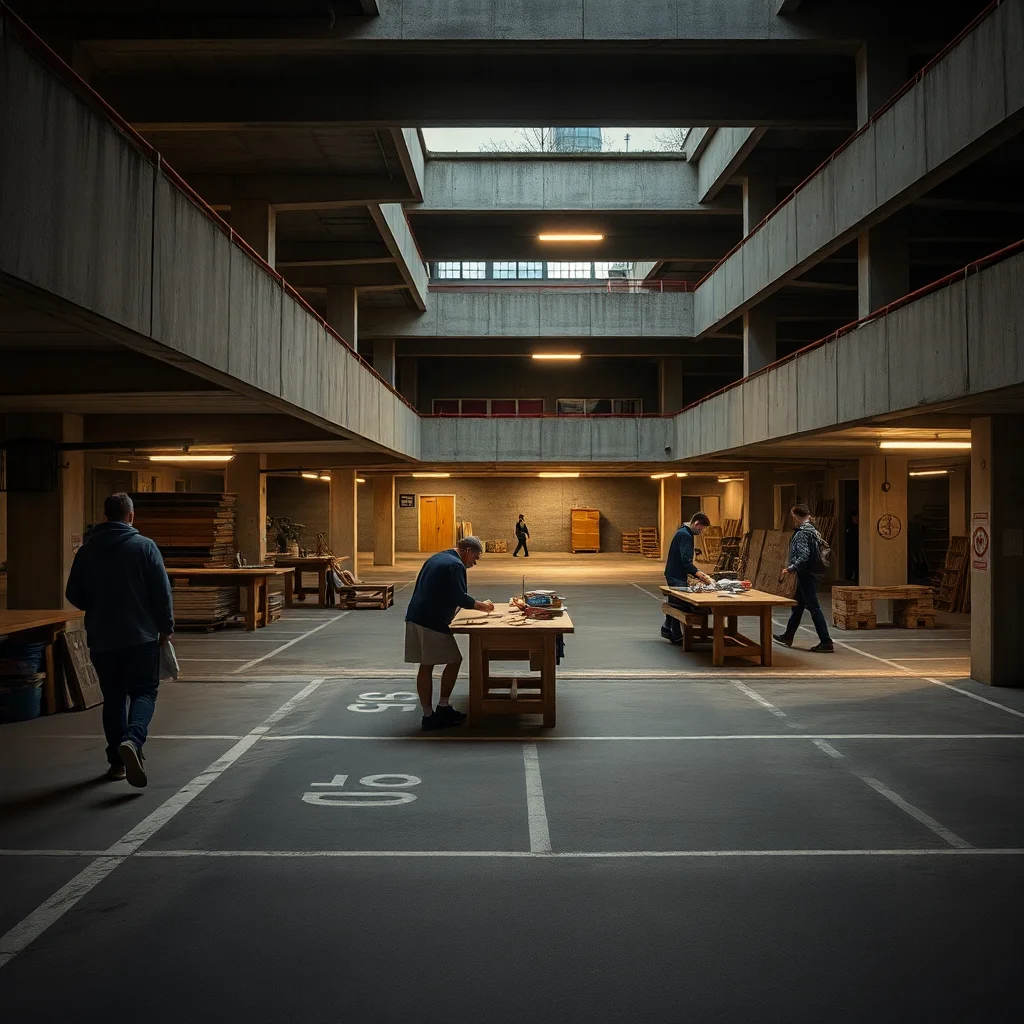
Vacant lots and empty garages are becoming civic engines. But are they repairing cities—or just styling scarcity?


Vacant lots and empty garages are becoming civic engines. But are they repairing cities—or just styling scarcity?
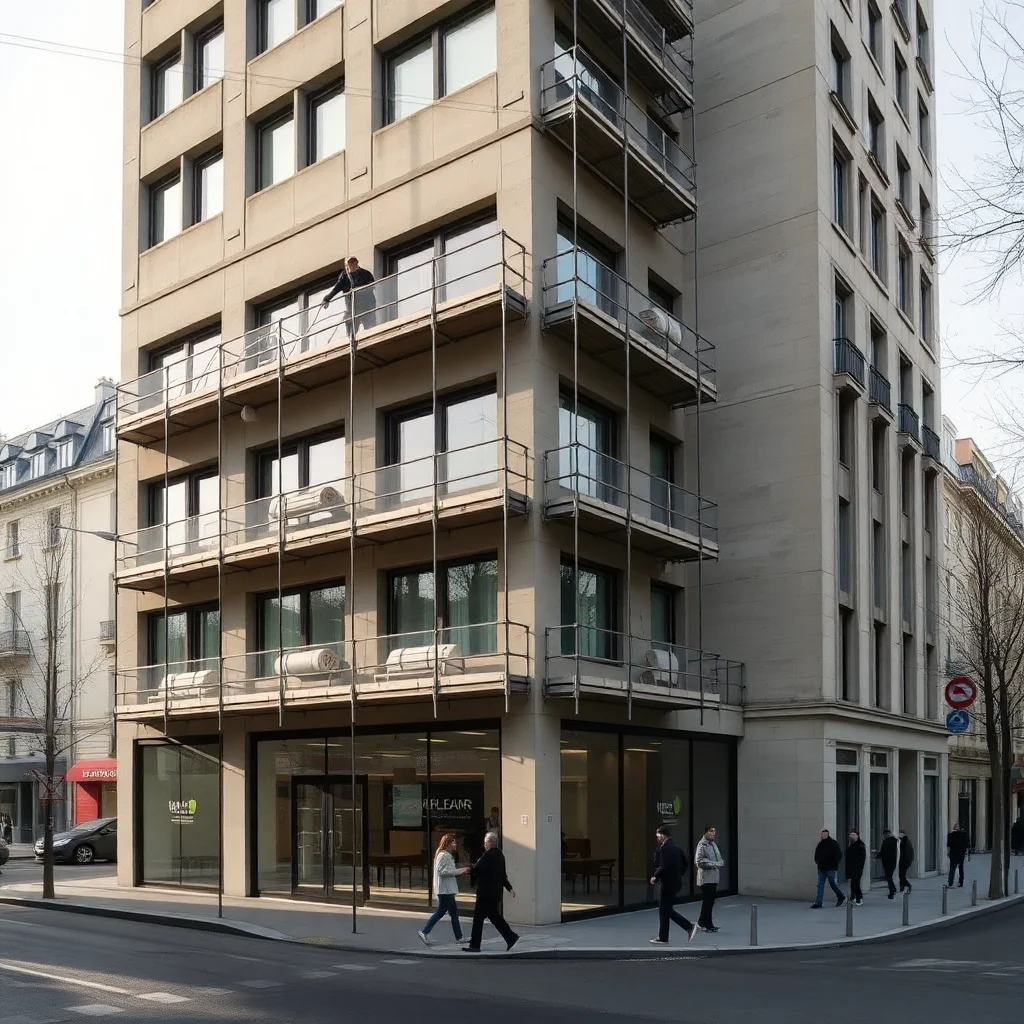
Adaptive reuse is becoming architecture’s real status symbol: lower-carbon, faster, urban, and brutally constrained.
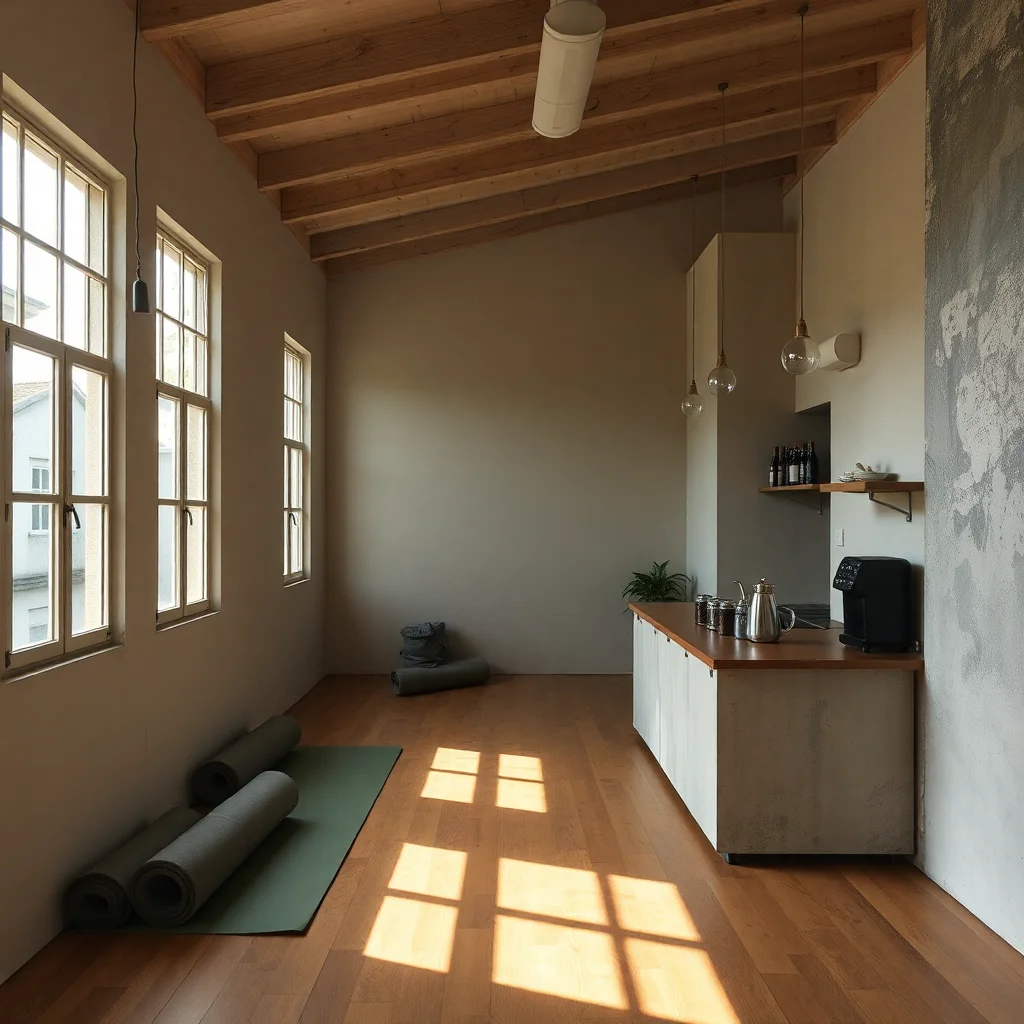
Adaptive reuse is not just preservation—it's a fight over how much history a building should visibly keep.
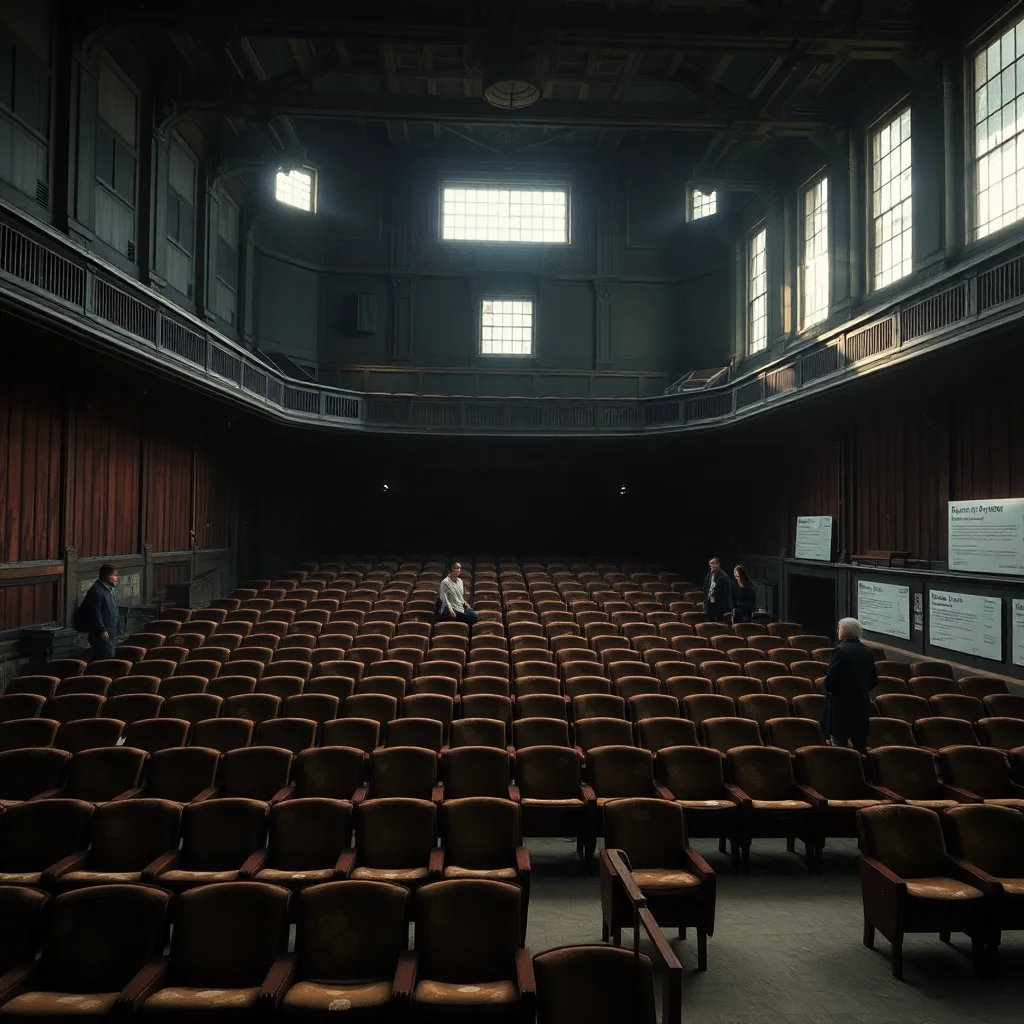
Adaptive reuse may rescue theaters and cinemas—but at what cost to memory, gathering, and civic life?
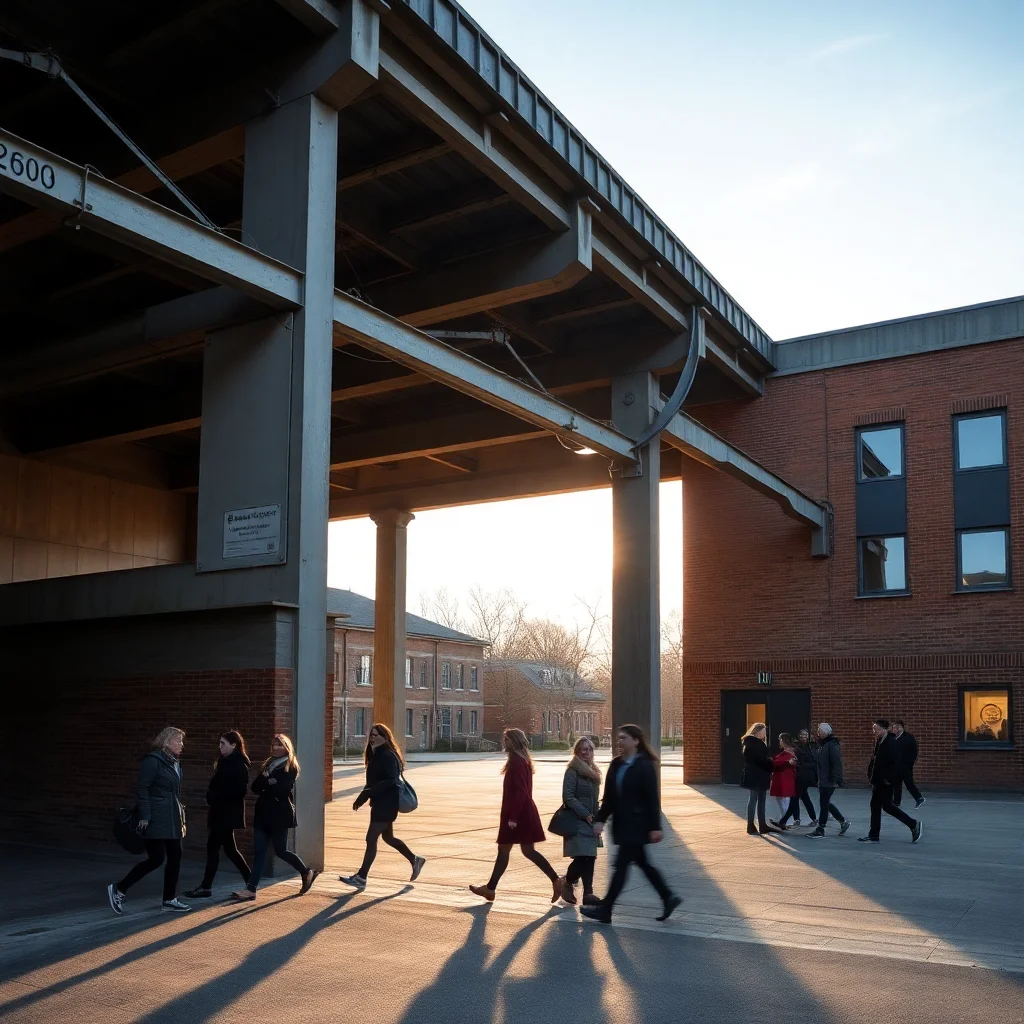
Hunstanton School’s renewal asks how Brutalist landmarks can evolve without betraying their authorship, budgets or safeguarding needs.
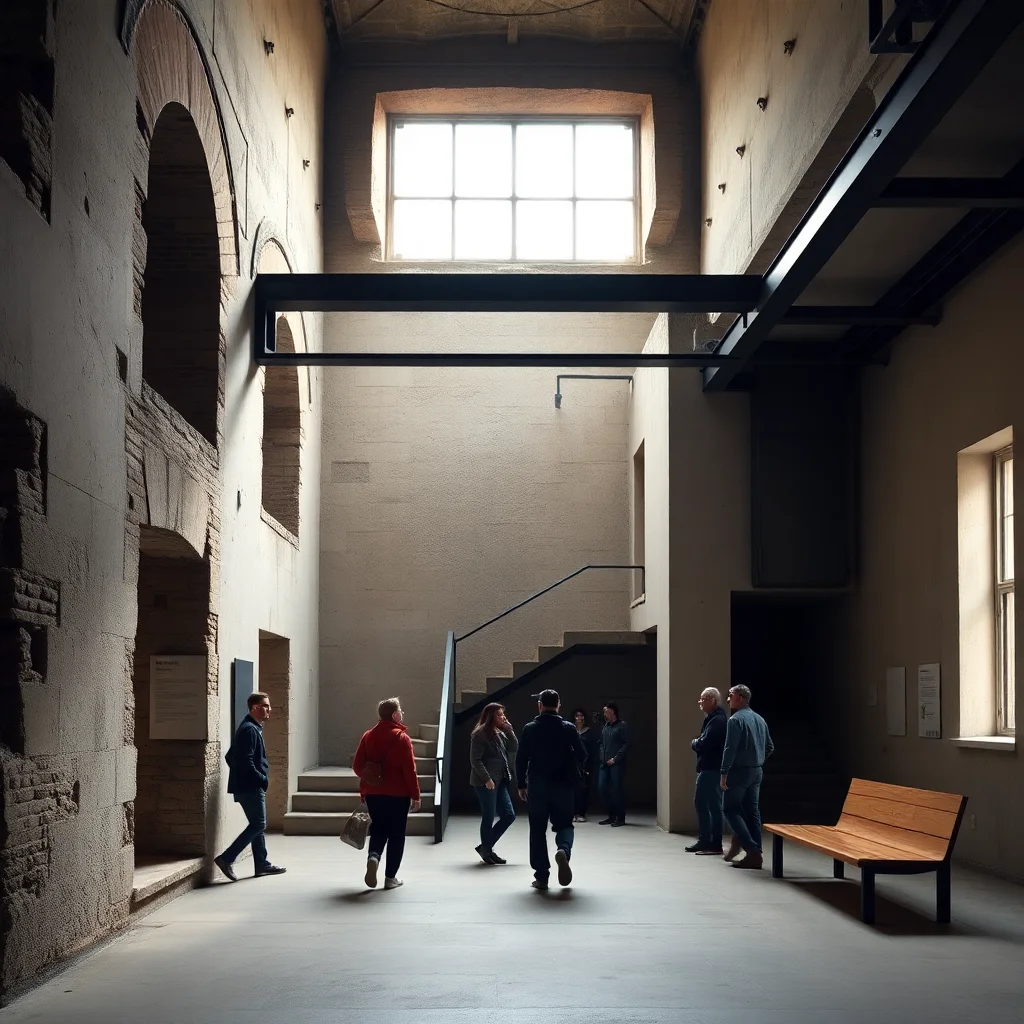
Heritage interiors now preserve memory and absorb new uses—where authenticity means lived continuity, not frozen perfection.
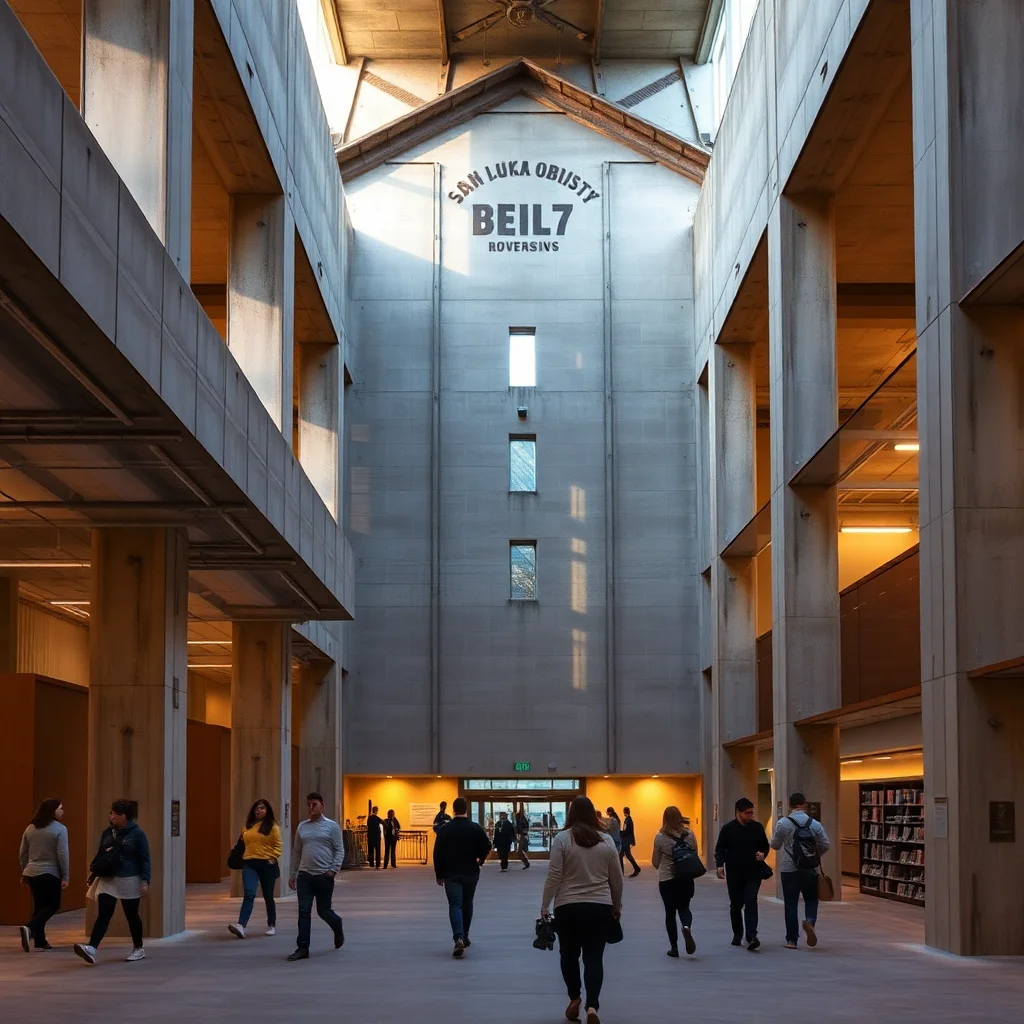
Brutalist libraries and Gaudí’s residence show heritage can live through adaptation, not just perfect preservation.
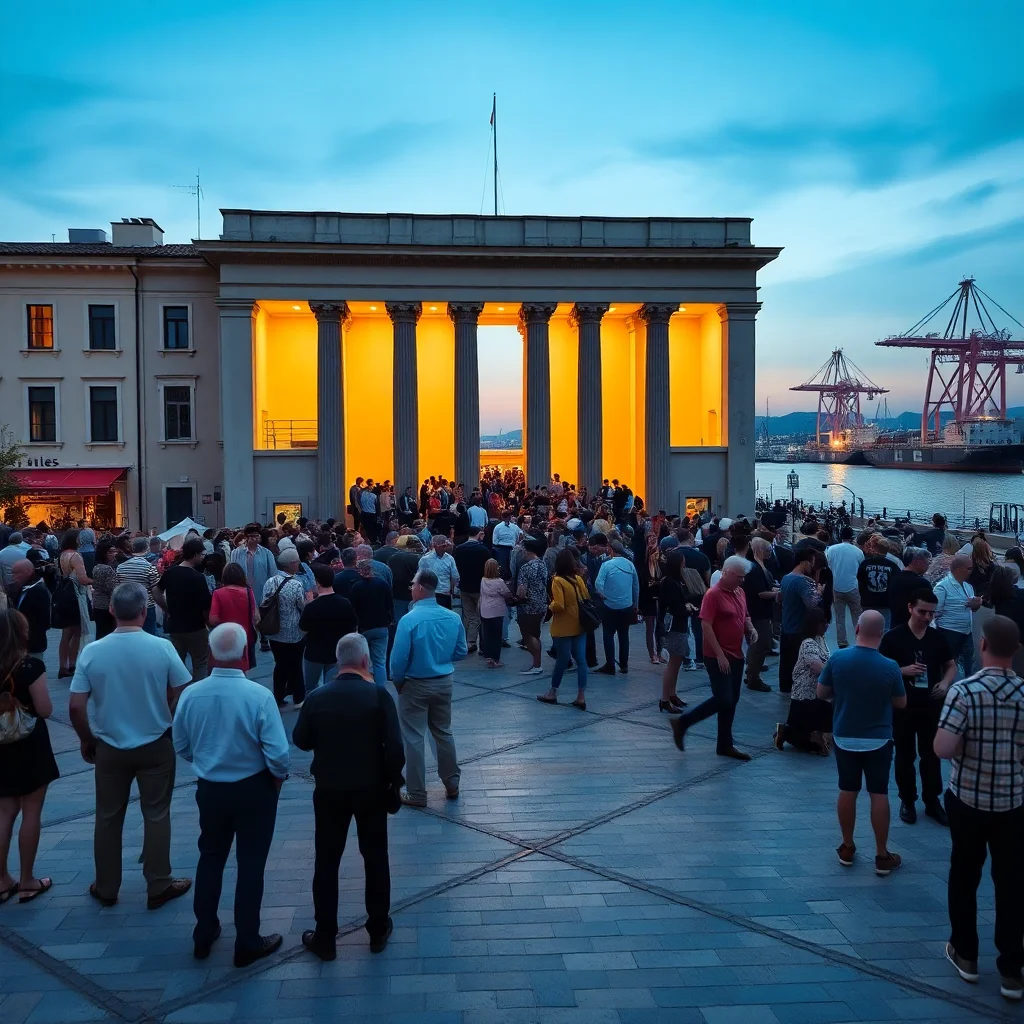
Castor Place and the Edo-Tokyo Museum ask whether heritage can host public life without slipping into architectural theme park.
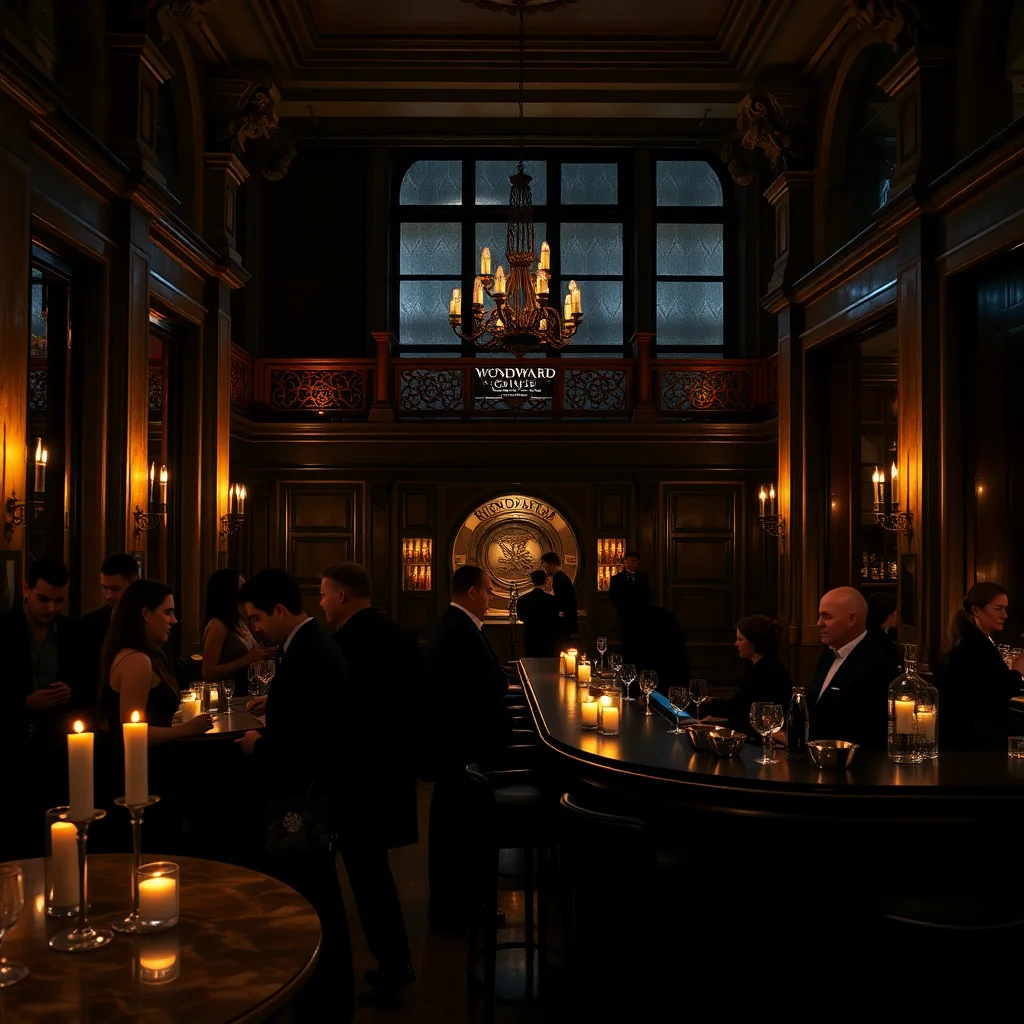
The Woodward’s relaunch shows how restoration can become reinvention—and where historic character risks becoming luxury branding.
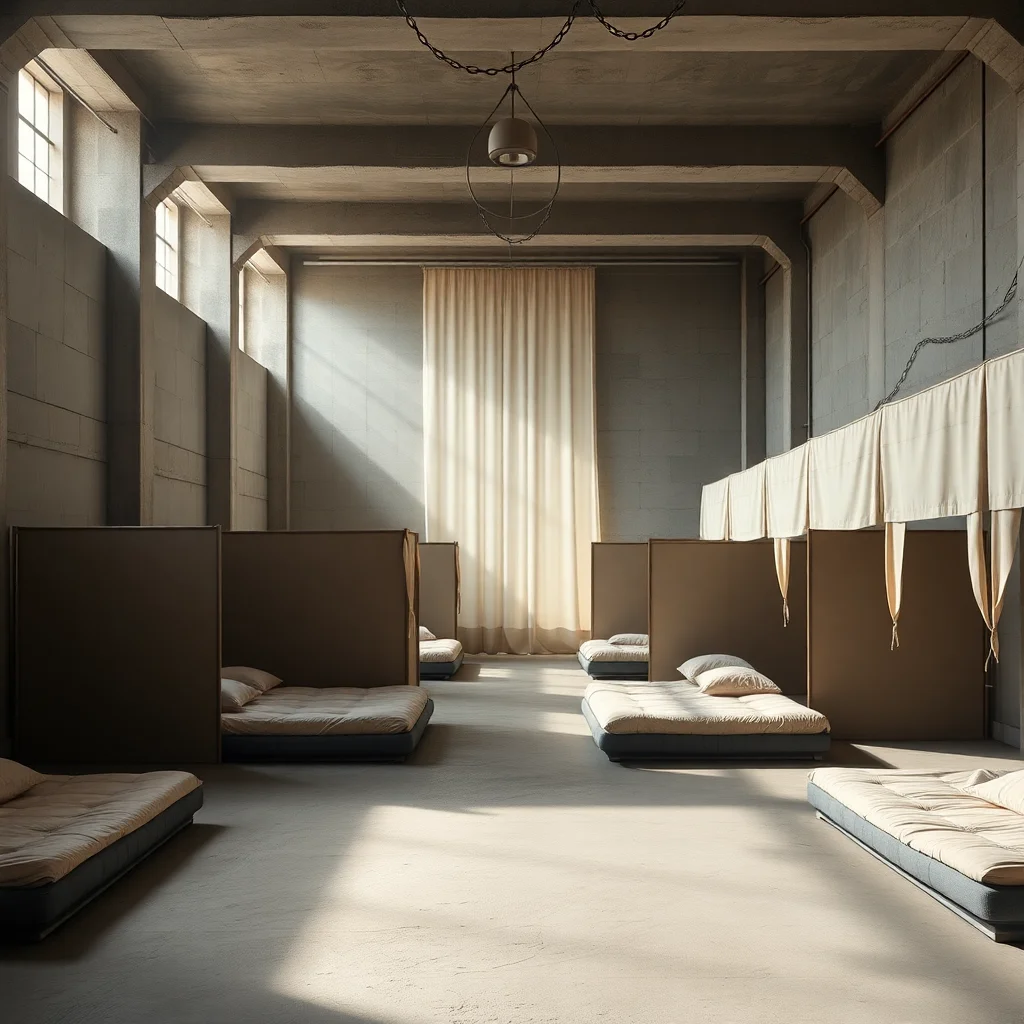
When emergency architecture moves fast, what dignity cannot be negotiated? A sharp look at humane temporary shelters and their ethics.