
Fritz Hansen Sound Club: Who Sets the Terms?
When the Showroom Becomes a Listening Room, Who Sets the Terms?
The most persuasive thing a showroom can sell is the feeling that it has stopped selling. A chair becomes somewhere to settle rather than something to assess. An audio system becomes an occasion rather than a specification. Stay long enough, and the commercial setting starts to feel like hospitality.
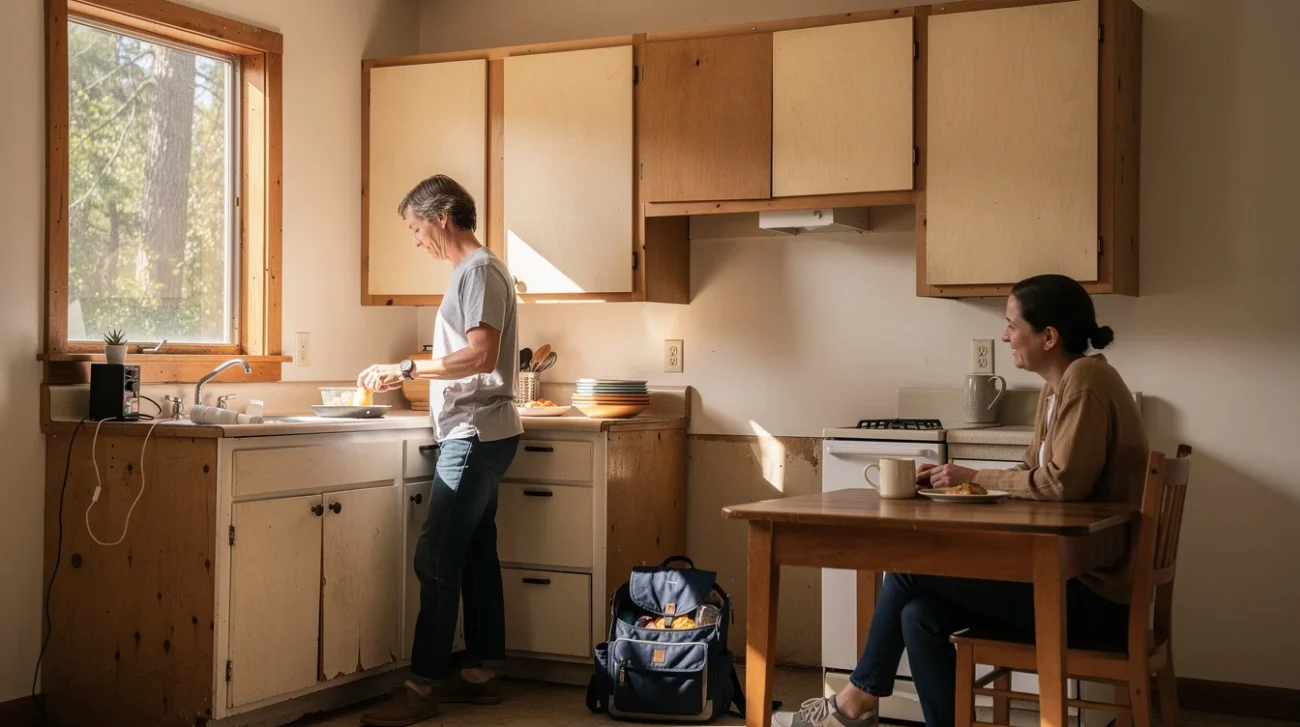
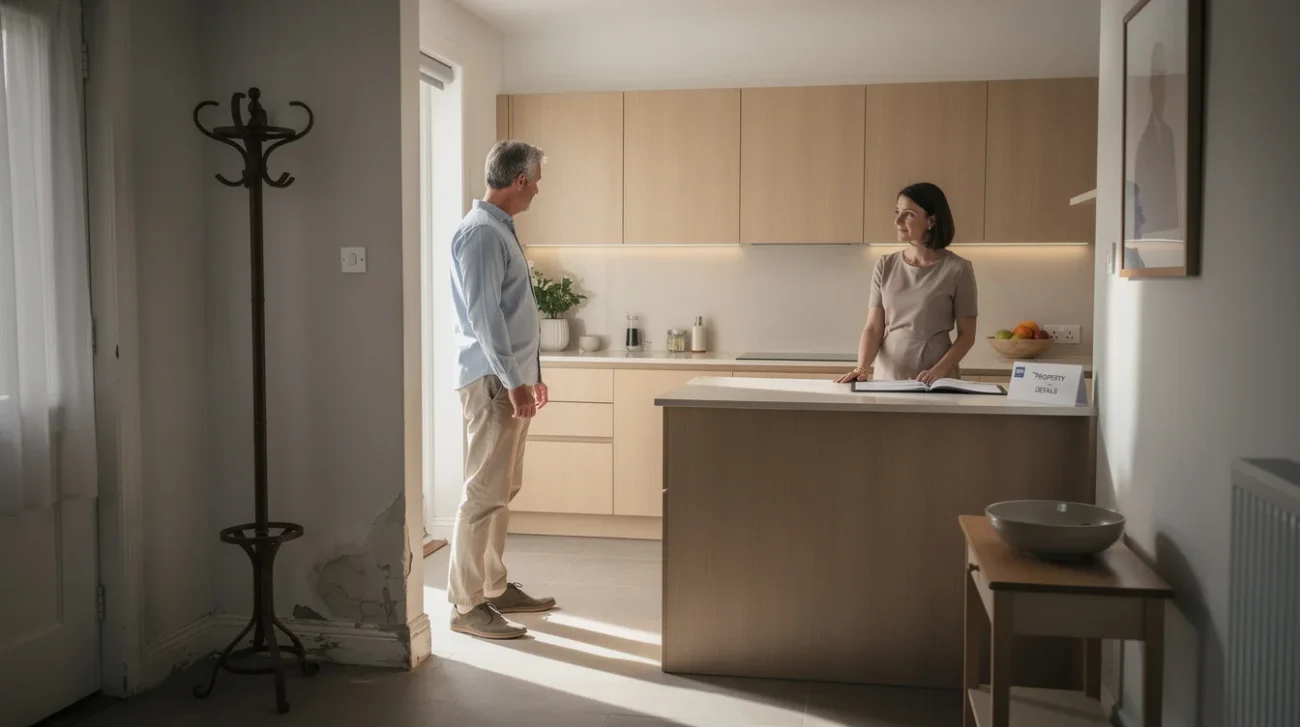
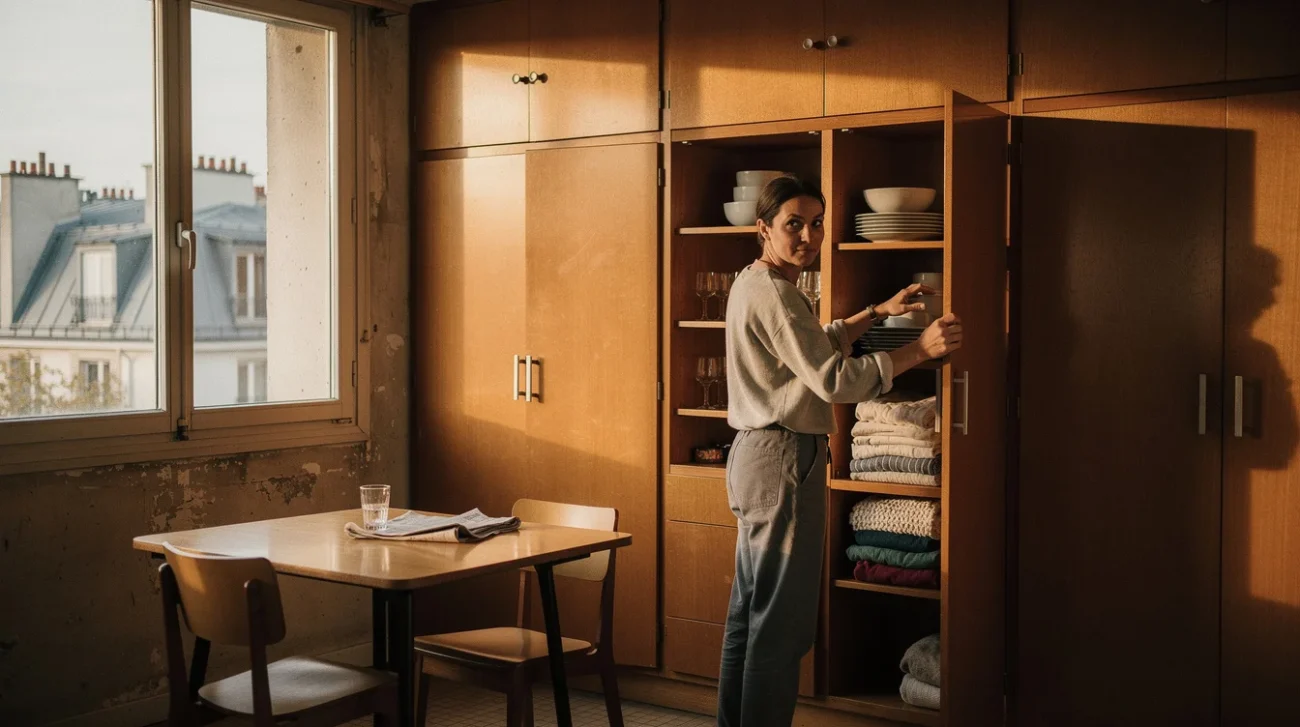
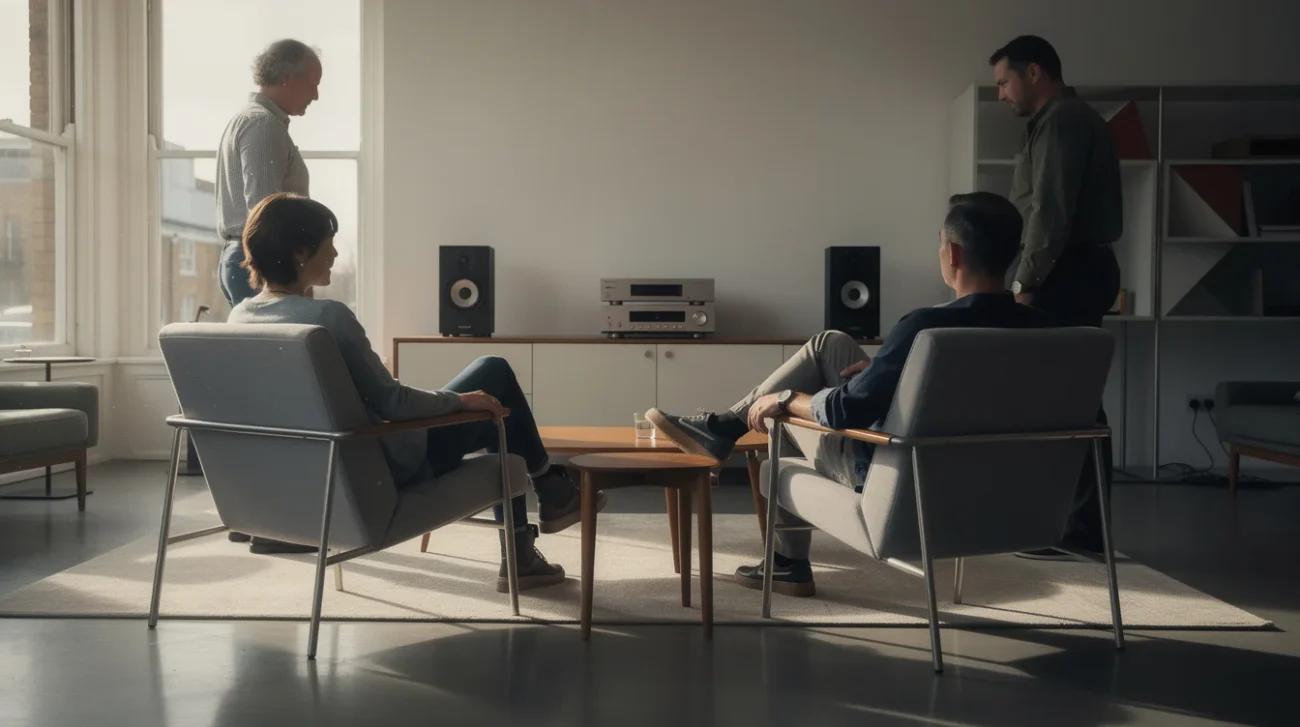
For London Design Festival, Danish furniture brand Fritz Hansen and audio specialist Technics have transformed Fritz Hansen’s Farringdon showroom into four domestic listening scenes. The Fritz Hansen Sound Club invites visitors to hear curated music in settings described as Bauhaus-inspired. Its premise is appealing: instead of looking at interiors, inhabit them; instead of treating sound as background, give it your attention.
But this is not simply a welcome correction to the visual overload of design week. It is also an unusually coherent sales environment. Furniture supports the listening body; audio equipment supplies the emotional event. Each product category gives the other a reason to matter.
The question is not whether commerce contaminates culture. It is whether guests can become the protagonists of a room whose commercial purpose was established before they arrived. That distinction determines whether this is collective space or an advertisement with exceptionally good manners.
The Domestic Scene Is Already an Argument
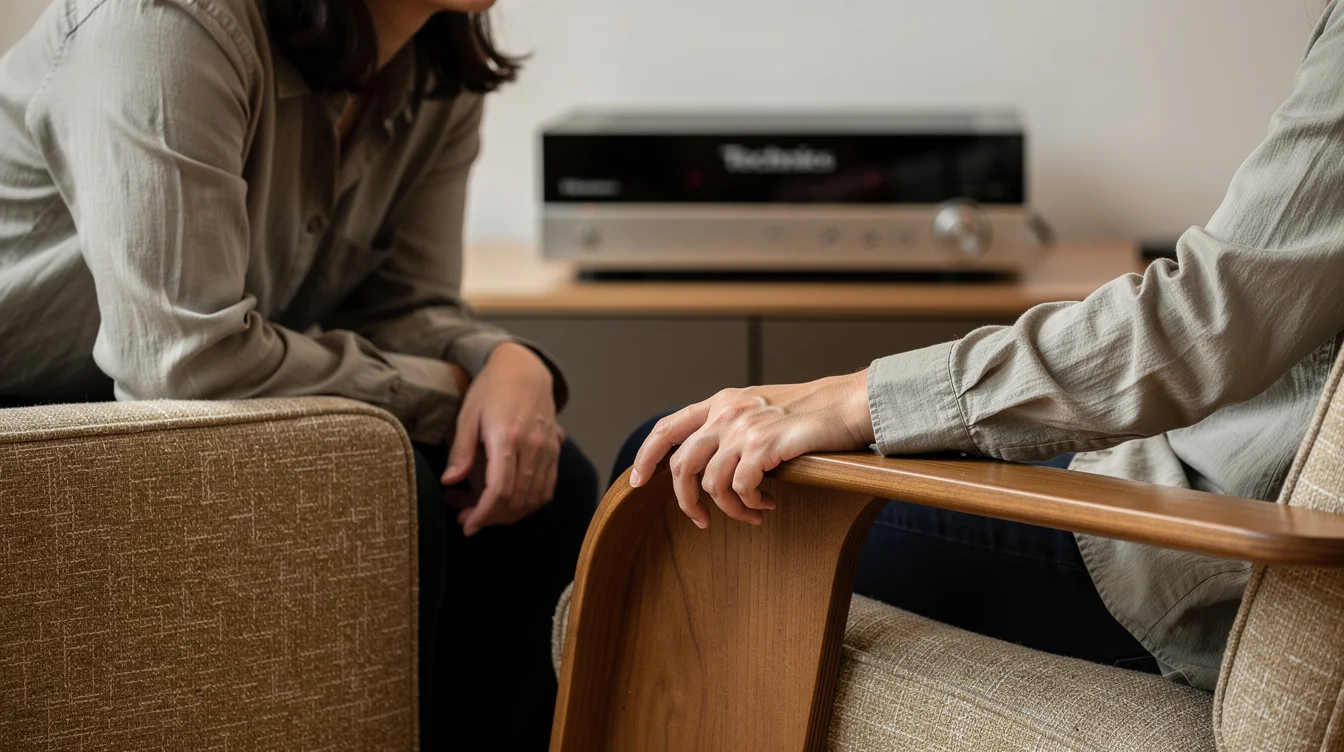
Organising a showroom into domestic scenes does more than make products approachable. It proposes a life. There is a place for the body, a relationship between companions and an implied sequence of activities. Sit here. Face this way. Allow this object to organise your evening.
Modern design has always understood this power. The Eames House, completed in 1949 as Case Study House No. 8, presented modern living through an accumulation of furniture, objects, plants and everyday activity. Its enduring appeal lies partly in that density: architecture became credible through a life lived inside it. A staged showroom borrows the authority of inhabitation without necessarily accepting its disorder.
The Bauhaus reference sharpens the issue. At its most ambitious, the school connected objects, space and daily practices rather than treating furniture as isolated sculpture. Yet invoking that legacy aesthetically does not automatically reproduce its social ambitions. A coordinated interior can suggest a better everyday life while leaving the question of who can access that life untouched.
Four scenes potentially offer four ways to gather. But variety of arrangement is not the same as freedom of use. The decisive detail is whether visitors can inhabit those settings differently from the lifestyle each scene appears to prescribe.
Listening Together Is a Real Offer
There is something worth defending here. Shared listening asks people to occupy time together without requiring continuous conversation or performance. In a festival organised around circulation, launches and rapid visual recognition, sitting through a piece of music can be a small refusal of the schedule.
Japanese jazz kissa provide a useful comparison. These listening cafés developed distinct cultures around recorded music, often privileging concentration over chatter. Their significance is not reducible to expensive loudspeakers. It lies in the agreement between host and audience about what the room is for. Selection, volume, conduct and duration make the space as surely as its furnishings.
London venues such as Brilliant Corners in Dalston and Spiritland in King’s Cross have also made serious sound part of social hospitality. They are commercial operations, not public commons. Nevertheless, their listening cultures demonstrate that payment and meaningful encounter are not mutually exclusive. The transaction matters, but so do continuity, musical judgement and the people who return.
A temporary showroom installation can offer a genuine encounter too. A visitor might discover unfamiliar music, share an unhurried interval with a stranger or notice how bodily comfort changes attention. Those experiences do not become false because a furniture company enabled them. The problem begins when their value is used to exempt the setting from scrutiny.
Who Controls the Room Controls the Experience
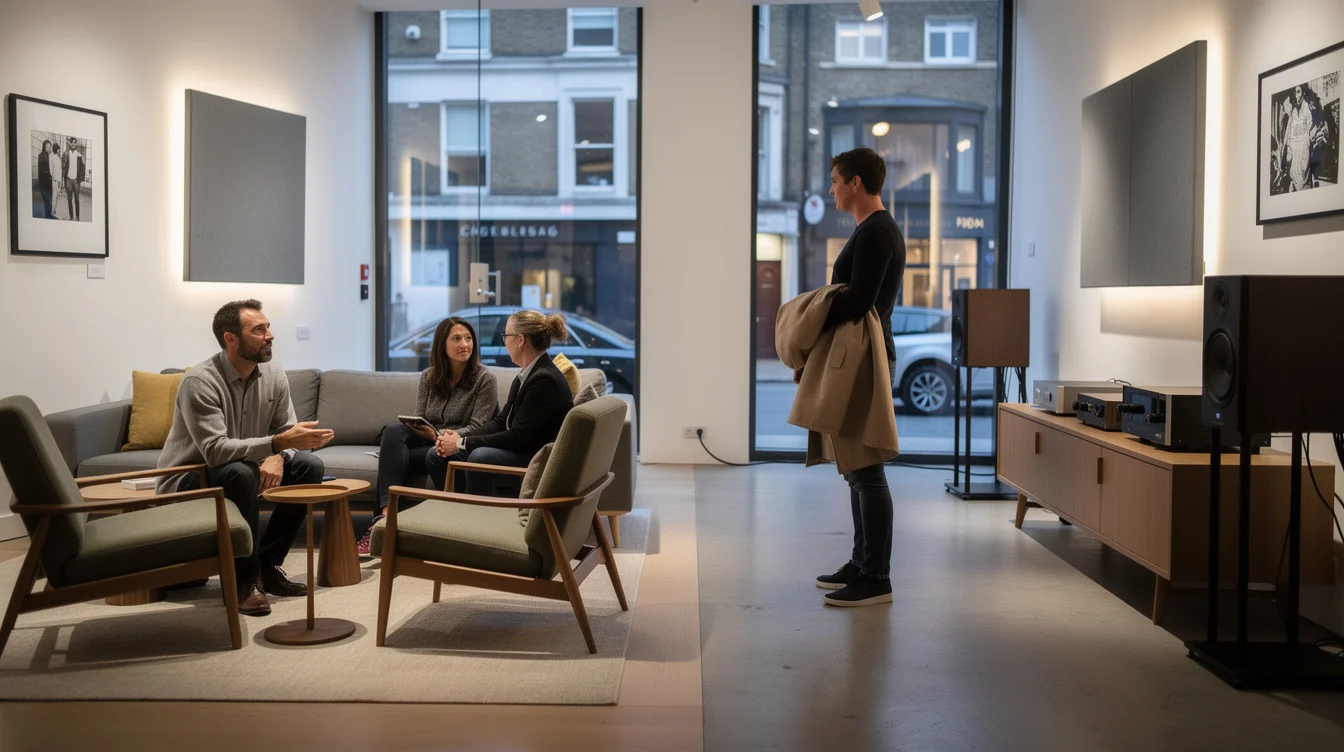
Curating music means exercising power. Someone decides what deserves attention, which moods suit the interior and how much friction the audience should encounter. The central political object in a listening room may not be the chair or the loudspeaker. It may be the playlist.
Pauline Oliveros’s Deep Listening practice offers a productive counterpoint. Its emphasis on expanded sonic awareness does not depend on admiration for a particular playback system. It invites attention to environments, bodies and the act of listening itself. Applied as a critical lens here, it raises a useful question: does the installation deepen awareness, or direct awareness towards the performance of the equipment?
The source account establishes four domestic scenes and curated listening, but does not establish visitor control over selection, access conditions or the freedom to rearrange the settings. Those are not minor operational details. They are the terms of the invitation.
Consider two possible sessions. In one, a host introduces a recording, makes room for responses and allows silence afterwards. In another, every musical passage becomes evidence of sonic precision, while every pause becomes an opportunity to discuss upholstery. Both may be enjoyable. Only the first allows the cultural experience to exceed the demonstration. The difference is editorial control, not interior styling.
Hospitality Must Include Permission Not to Buy
Hospitality becomes meaningful when it accommodates someone who offers no obvious return. In a showroom, that means more than avoiding an aggressive sales pitch. It means making a visitor without purchasing power feel no less entitled to the seat, the music or the host’s attention.
The test is practical. Can someone arrive alone and stay for a complete listening session? Are access arrangements clearly communicated? Can a guest ask for a lower volume without being treated as an obstacle to the demonstration? Are different bodies offered genuinely usable seating rather than a single photogenic posture?
Alvar Aalto’s Paimio armchair is a useful historical reminder that furniture design can begin with bodily conditions rather than image. Developed for the Paimio Sanatorium, it belongs to a broader attempt to shape surroundings around patients. A contemporary listening room need not claim a therapeutic function to recognise the same basic obligation: a body is not a styling accessory.
None of these questions presumes that Fritz Hansen Sound Club fails the test. They define what success should mean. A hospitable branded interior must permit uses that do not improve the sales narrative. Resting, disagreeing, disliking the selection and leaving without a lead captured are not failures of engagement. They are evidence that an invitation was real.
Make the Products Supporting Actors
The strongest version of this collaboration would not pretend the brands are absent. Their presence is the premise. Instead, it would establish where their authority stops. Clear hosting protocols, visible curatorial credits and protected periods without product explanation would make that boundary legible.
A more ambitious programme could invite independent selectors to introduce music that does not simply flatter the room. Community radio offers a useful model: NTS, founded in London, demonstrates how a recognisable platform can host sharply differentiated musical voices. The relevant lesson is not to imitate its identity, but to allow taste to remain plural rather than collapse into a single corporate mood.
Success should also be measured differently. How long did people listen? Did strangers speak afterwards? Were visitors comfortable returning without shopping? These questions would not abolish commercial benefit, but they would stop conversion from becoming the only meaningful outcome.
Fritz Hansen and Technics have identified a real hunger for attentive, embodied cultural experience. That deserves more than either automatic applause or reflexive suspicion. It deserves a demanding standard. The installation becomes culturally interesting precisely when the music, the guests or an unexpected conversation can upstage the merchandise. A beautiful room is easy to author. A room that shares authorship is the more difficult design project.
FAQ
What is Fritz Hansen Sound Club?
It is a collaboration between Fritz Hansen and Technics for London Design Festival, transforming Fritz Hansen’s Farringdon showroom into four domestic listening scenes with curated music and Bauhaus-inspired settings.
Can a commercial showroom offer meaningful collective space?
Yes, but shared presence alone is insufficient. Meaningful collective space requires clear access, considerate hosting and permission to participate without buying. Its cultural value should not depend entirely on its usefulness as a sales environment.
How does interior design affect attentive listening?
Seating comfort, orientation, distance between listeners and room acoustics influence concentration and social behaviour. The important distinction is between arranging bodies to admire equipment and supporting different people through a sustained listening experience.
What separates branded hospitality from product demonstration?
Hospitality allows guests’ needs and responses to change the encounter. A demonstration remains organised around proving product value. A branded listening room can contain both, but should make the boundary clear rather than disguising one as the other.
If a brand provides the room, the chairs and the soundtrack, what must it surrender before the gathering genuinely belongs to its guests?
Watch the Mainifesto Short
Get the Mainifesto weekly — curated design debates, speculative ideas and the week's best articles every Saturday.
Editorial Perspectives
Questions and counterpoints developed by the Mainifesto editorial desk to extend the discussion.
Perspective 1
A listening room needs enough shadow to let the furniture stop performing. I’d watch what happens when someone talks over the record or moves a chair out of the lighting scheme: can the hosts leave it alone?
Perspective 2
There’s nothing wrong with a well-made chair earning your attention through an hour of comfortable listening. But guests should be able to rearrange it, put a coat over it and forget who made it. Craftsmanship can support a gathering without becoming its subject.
Perspective 3
A showroom hosting a listening night is offering hospitality, not necessarily collective space. Before calling it that, I’d ask who gets invited back without buying anything, and whether guests can programme a night the brand wouldn’t have chosen. The history of urban gathering places includes friction; a guest list curated for brand fit leaves little room for it.