Can a Beautiful Rental Survive Being Treated Like One?
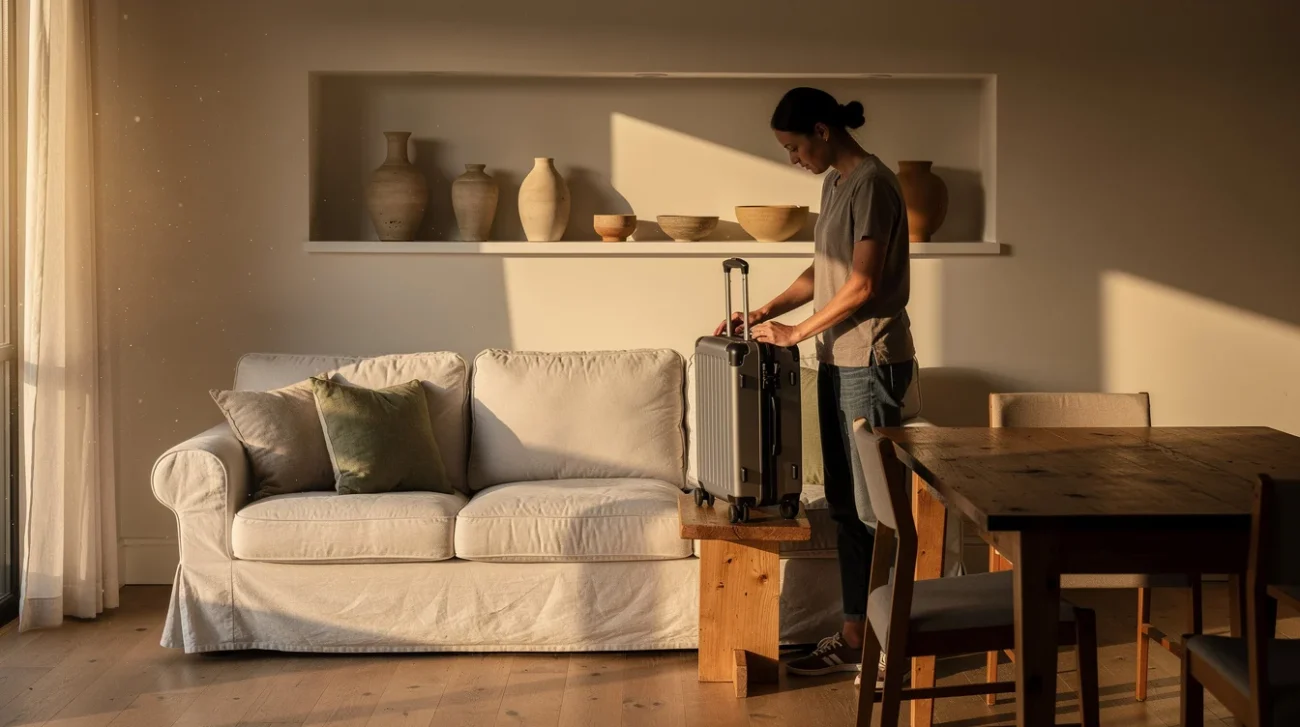
A beautiful vacation rental makes a seductive promise: for a few nights, someone else’s taste can become your life. Then comes the red wine, the wet swimsuit and the suitcase dragged across the floor. Dwell’s discussion of owners furnishing short-term properties with distinctive objects exposes the central mismatch: an interior conceived as personal expression must operate as shared infrastructure. The wrong response is to choose between a collector’s apartment and a catalogue of wipe-clean substitutes. The real argument concerns who absorbs wear, how quickly damage can be repaired, and whether hospitality can accommodate objects with character without issuing guests a conservation manual.
PRO: Good Design Can Be Designed to Recover
The strongest case for distinctive rental interiors begins by abandoning the fantasy of permanent newness. A room does not need to resist every incident. It needs to recover predictably. That distinction changes the purchasing brief from “Will this scratch?” to “What happens after it scratches?” Solid timber with a repairable finish, removable upholstery covers and mechanically joined components offer different recovery routes. None is automatically maintenance-free; all can make damage less terminal.
Alvar Aalto’s Stool 60, introduced in 1933, is a useful reference rather than a universal shopping recommendation. Its compact timber construction, stackability and ability to serve as seating or a side table demonstrate how a recognisable object can also solve operational problems. The lesson is not to fill every rental with expensive Finnish stools. It is to favour furniture whose identity does not depend on immaculate surfaces or a single narrowly prescribed use.
Character becomes commercially useful when it survives intervention. Before buying twelve dining chairs, test one: inspect its joints, ask how its finish is restored, and establish whether a damaged seat can be repaired locally. A beautiful chair that can return to service beats a supposedly indestructible chair that must be discarded after one failed connection.
PRO: Maintenance Is Part of the Interior
Enzo Mari’s 1974 Autoprogettazione project proposed furniture assembled from straightforward timber elements. Its relevance here is not a rustic aesthetic, nor permission to improvise unsafe guest furniture. It is the visibility of construction: understanding how something goes together makes its eventual repair easier to imagine. Rental design needs that clarity behind the scenes, even when the finished room looks effortless.
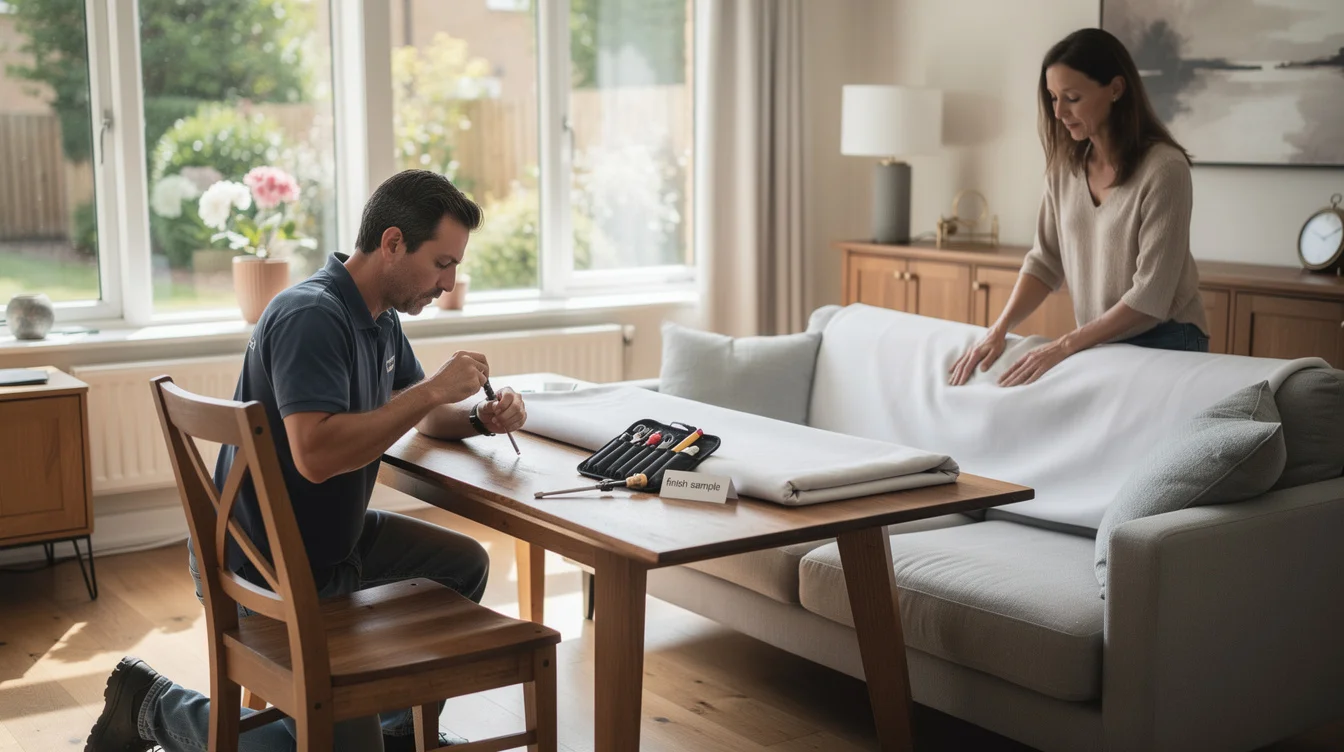
Consider a proposed two-bedroom rental with a locally made dining table. The designer could specify a documented finish, retain an offcut for testing cleaners, and arrange periodic refinishing with the maker. For the sofa, the brief might require removable covers, a second compatible set and written washing instructions for the turnover team. These are design decisions, not administrative leftovers. A cover that takes three days to dry is not operationally washable between consecutive bookings.
The budget must recognise this infrastructure. Suppose a £2,400 sofa remains serviceable for eight years: its purchase cost alone averages £300 annually. A £700 sofa replaced every two years averages £350. Those hypothetical figures prove nothing about actual lifespan, but they reveal the right calculation. Add laundering, repairs, transport and lost availability before declaring the cheaper object economical. Purchase price is only the opening expense.
PRO: Give Guests Freedom, Not Instructions
A distinctive room should be legible without a warning label. Put a generous, stable table where people actually place drinks. Provide hooks where wet coats arrive and a luggage bench where bags naturally land. Keep the delicate ceramic sculpture away from the route between bed and bathroom. If the room repeatedly produces the same accident, blaming strangers is a refusal to redesign it.
Charles and Ray Eames offer a useful model of domestic richness: their own house brought furniture, textiles, toys and collected objects into a layered whole. A rental can learn from that compositional intelligence without copying its density of possessions. Colour, proportion, framed works and robust objects can carry personality; an irreplaceable vessel need not sit at elbow height to authenticate an owner’s taste.
This approach relocates responsibility to the host. Cleaning staff receive a short, paid training session and a material-specific checklist. Guests receive ordinary hospitality, not instructions about the correct way to inhabit a chair. The owner accepts minor marks as an operating cost and maintains a reserve for replacement. The pro position is unapologetic: beautiful vacation rentals can work when their owners design the service around the objects, rather than asking visitors to protect the investment.
CONTRA: Repairability Is Not the Same as Availability
The opposing case starts where design rhetoric usually stops: the next guests arrive at four. A chair may be repairable in principle while the nearest competent workshop has a six-week queue. A spare cover may exist but be unavailable in the required fabric. A broken lamp may need a specialist electrical repair rather than a quick intervention by the host. The possibility of repair does not eliminate downtime.
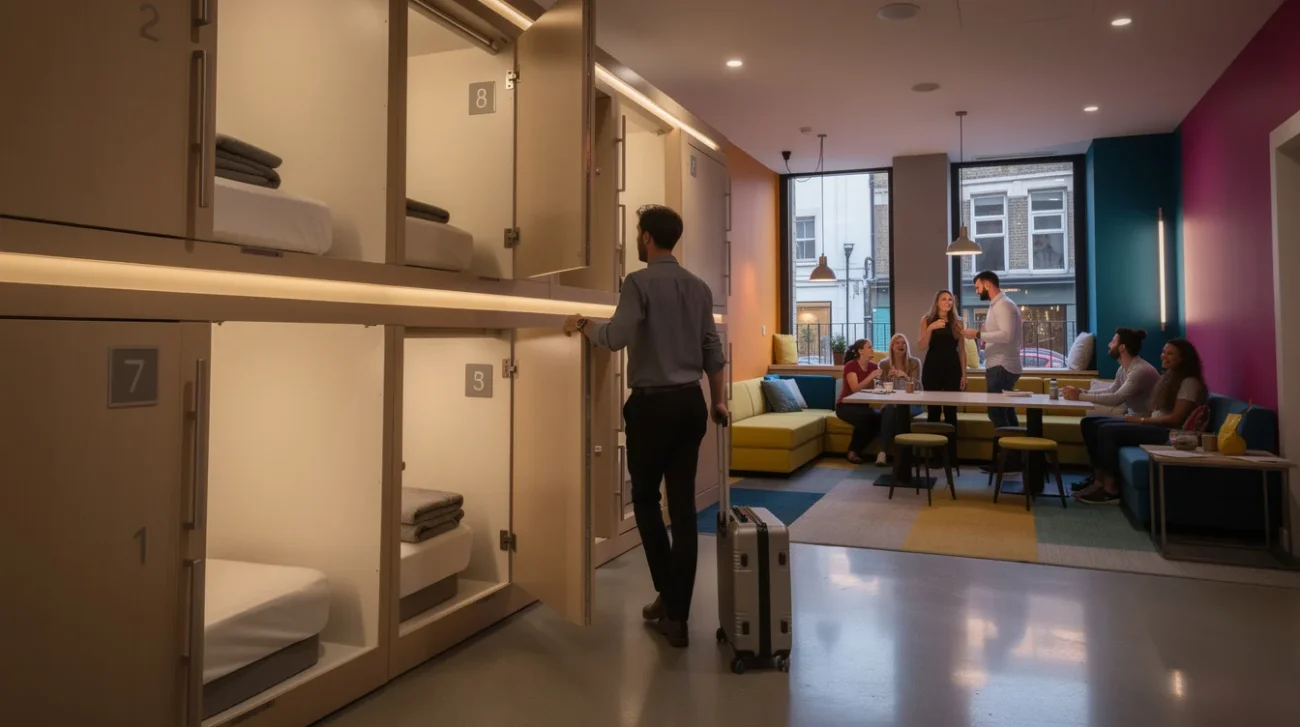
Charlotte Perriand’s work on compact holiday apartments at Les Arcs offers a sharper reference than the collector’s living room. Restricted space and repeated accommodation types made layout, useful storage and economical occupation central concerns. Today’s hosts should take that operational discipline seriously. A photogenic arrangement that obstructs cleaning access or leaves nowhere to put a suitcase is not redeemed by the pedigree of its furniture. As with sleeping pods in Soho, the question is how much usable space a stay actually provides.
Even straightforward timber repair requires time, tools and a suitable work area. Some finishes need curing periods; sanding creates dust; transporting furniture creates another logistical task. A remote coastal property cannot borrow the service network of a major city. Without local labour and realistic turnaround times, “repairable” can become an expensive adjective. The contra argument is not against repair. It is against specifying repair-dependent interiors where the repair system does not exist.
CONTRA: Patina Can Hide a Labour Problem
Designers praise surfaces that age beautifully. Guests may see something else: a stain whose origin they cannot identify. The distinction between patina and dirt is culturally variable, but hygiene cannot depend on aesthetic persuasion. An owner might cherish the darkened arm of a vintage chair while a paying visitor wonders whether anyone has cleaned it.
Ilse Crawford’s interiors are a useful reference for the importance of material warmth and tactile experience. But translating that sensibility into a short-stay property demands a second specification: how each surface will be cleaned, how often, and by whom. A richly textured textile may conceal crumbs. An irregular decorative object may require careful dusting. A heavy stone table may withstand daily use while making floor cleaning awkward. Sensory generosity can produce invisible work.
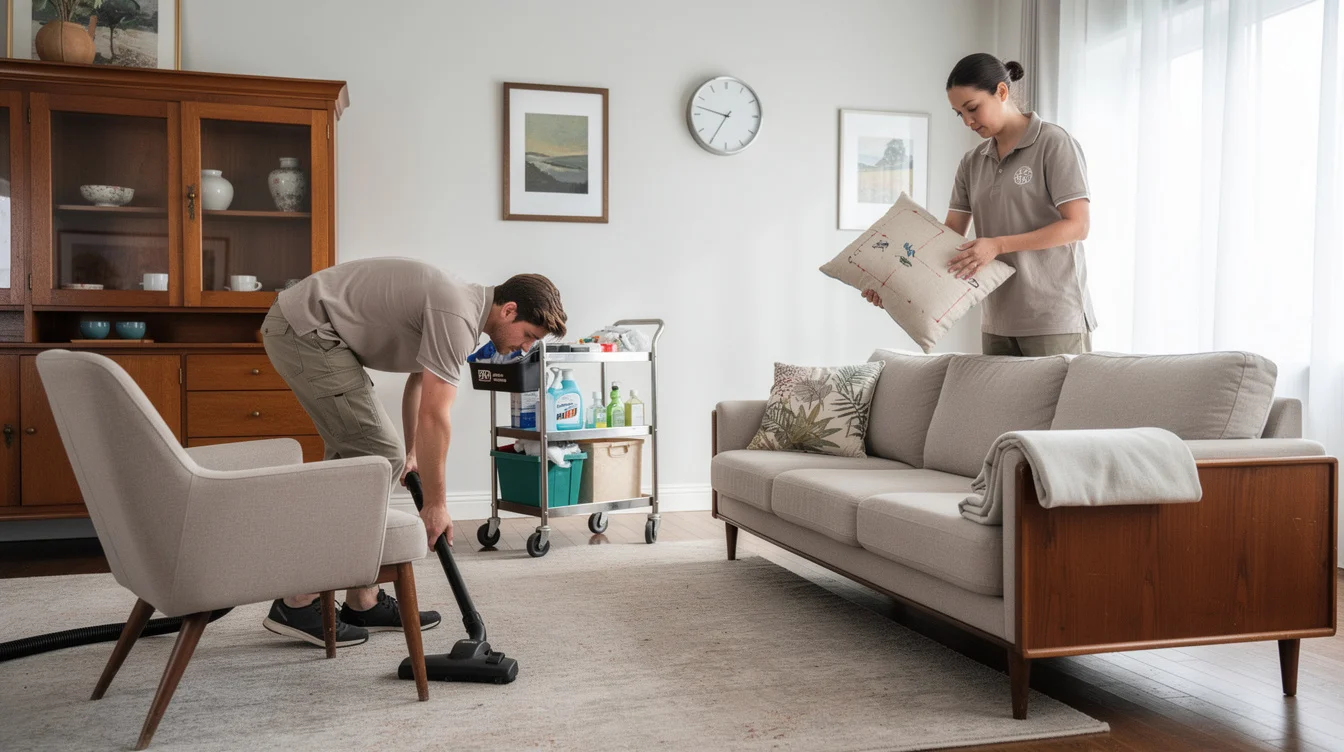
That work has a price, and it should not be extracted from cleaners through impossible schedules. Test a complete turnover before opening bookings. Time the sofa reset, inspect the bathroom after products have dried, and ask the cleaning team which objects create repeated difficulty. Any proposed premium from a distinctive interior must be weighed against those actual costs. If the business model works only because someone rushes, skips breaks or absorbs unpaid minutes, the room is not commercially ingenious. It is subsidised by labour.
CONTRA: Some Objects Should Never Become Amenities
There is also a limit that no spreadsheet can dissolve: emotional attachment. An owner may calculate a replacement reserve for a vintage lamp and still resent the guest who breaks it. Once an object is irreplaceable in the owner’s mind, its presence can contaminate the entire hospitality relationship. The guest becomes a suspect before anything happens.
Donald Judd’s furniture provides a useful conceptual provocation. Its force comes from proportion, material and construction, not from decorative excess. A rental can pursue that clarity without buying collectible pieces or pretending that every personally meaningful possession belongs in commercial accommodation. Distinctiveness is a spatial achievement, not an inventory valuation. Removing the most precious object can make the room more hospitable, not less designed.
The contra position therefore demands restraint. Standardise hidden consumables, keep compatible replacements for frequently damaged components, and reserve one-off objects for locations where their failure will not disable the room. Decline materials whose care requirements exceed the available service capacity. Above all, do not assume better photographs guarantee higher rates or enough additional occupancy to fund maintenance. A rental earns the right to be precious only when its operating model can afford the consequences. Otherwise, the supposedly sophisticated interior is merely transferring its owner’s anxiety to everyone who enters.
FAQ
Which furniture is best suited to a distinctive vacation rental?
Prioritise stable construction, cleanable surfaces and documented repair options. Removable covers, accessible fixings and locally repairable finishes can matter more than a residential or commercial label. Check suitability, warranties and applicable safety requirements for the intended use.
How should an owner budget for furniture replacement?
Create an inventory with purchase costs, likely repair needs and replacement lead times. Fund a reserve from booking revenue, then revise it using actual damage, cleaning and downtime records rather than optimistic lifespan assumptions.
Can vintage furniture work in a short-term rental?
Yes, if it is structurally sound, suitable for its function and realistically repairable. Avoid making rare or emotionally irreplaceable pieces essential to daily use. Have upholstered and electrical items assessed for condition and applicable safety requirements.
How much maintenance should guests be expected to perform?
Ordinary considerate use is reasonable; specialist care is not. Guests should not need to oil timber, treat stains or decode washing instructions for upholstery. The host’s cleaning and maintenance system should handle those tasks.
If an interior cannot tolerate ordinary guests without resentment, is it really good rental design—or simply good photography?
Watch the Mainifesto Short
Get the Mainifesto weekly — curated design debates, speculative ideas and the week's best articles every Saturday.
Editorial Perspectives
Questions and counterpoints developed by the Mainifesto editorial desk to extend the discussion.
Perspective 1
If ordinary use makes the owner resentful, the rental hasn’t been designed for its actual purpose. I’d judge its environmental credentials by the washing, repairs and replacements it needs over several seasons—not by a natural-materials list on opening day.
Perspective 2
I don’t think tolerance alone decides whether a rental is well designed: oiled timber and handwoven cloth can deserve their place even when they need more care. Budget for skilled cleaning and refinishing rather than replacing every tactile surface with something wipeable; that work belongs to the operator, not the guest.
Perspective 3
In an adapted historic house, a worn threshold isn’t a design failure, and making everything guest-proof can erase what made the building worth inhabiting. But selling that character at a premium while scolding visitors for using it is a business-model problem, not a preservation ethic.
Perspective 4
A room can survive every suitcase and still lose its atmosphere when one failed lamp is replaced with a cold, glaring bulb. Specify light sources the operator can actually reorder, and shades that can be cleaned without a delicate operation; guests shouldn’t need instructions to make the evening feel comfortable.