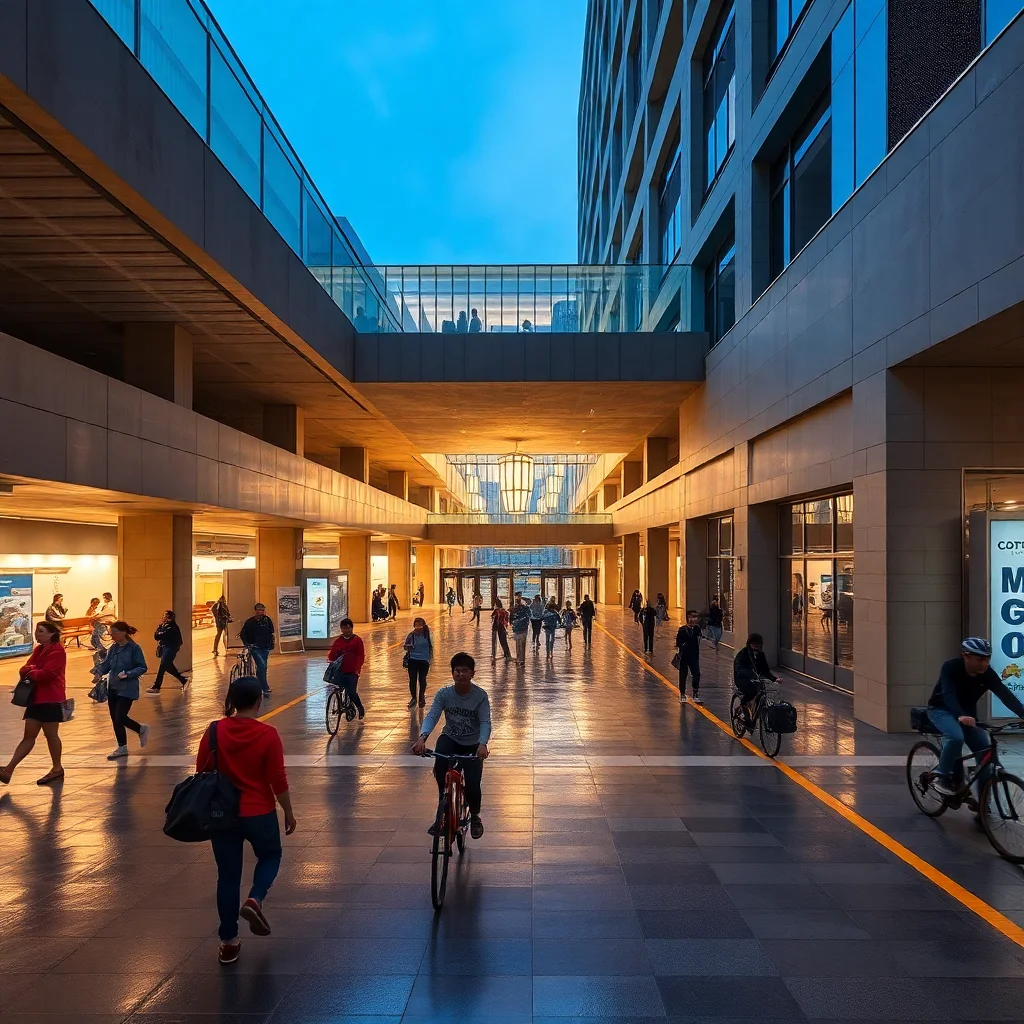
Shenzhen Mingwan School points to a new campus model: education, transit, sport, and community life fused into one urban operating system.


Shenzhen Mingwan School points to a new campus model: education, transit, sport, and community life fused into one urban operating system.
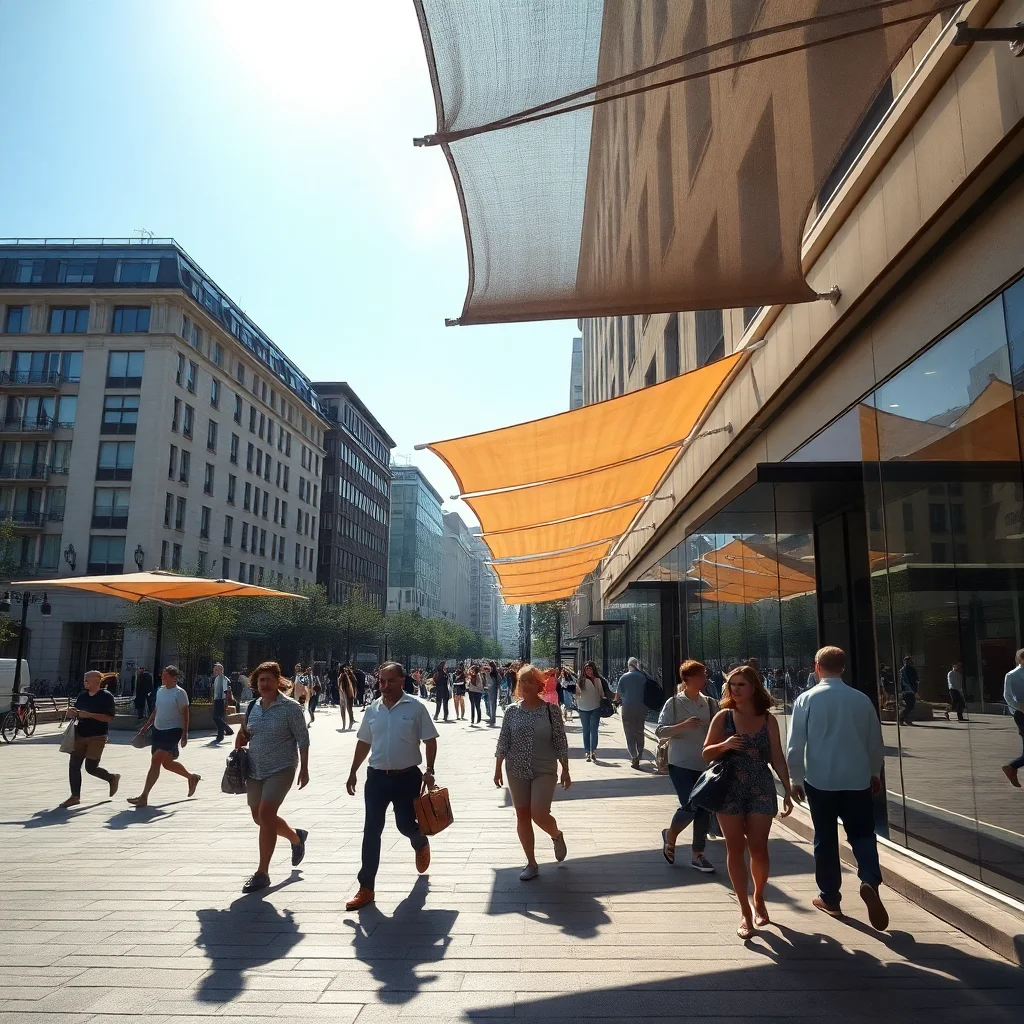
Heatwaves are forcing offices to rethink cooling as architecture, economics, and carbon collide. Can productivity stay humane without hotter cities?
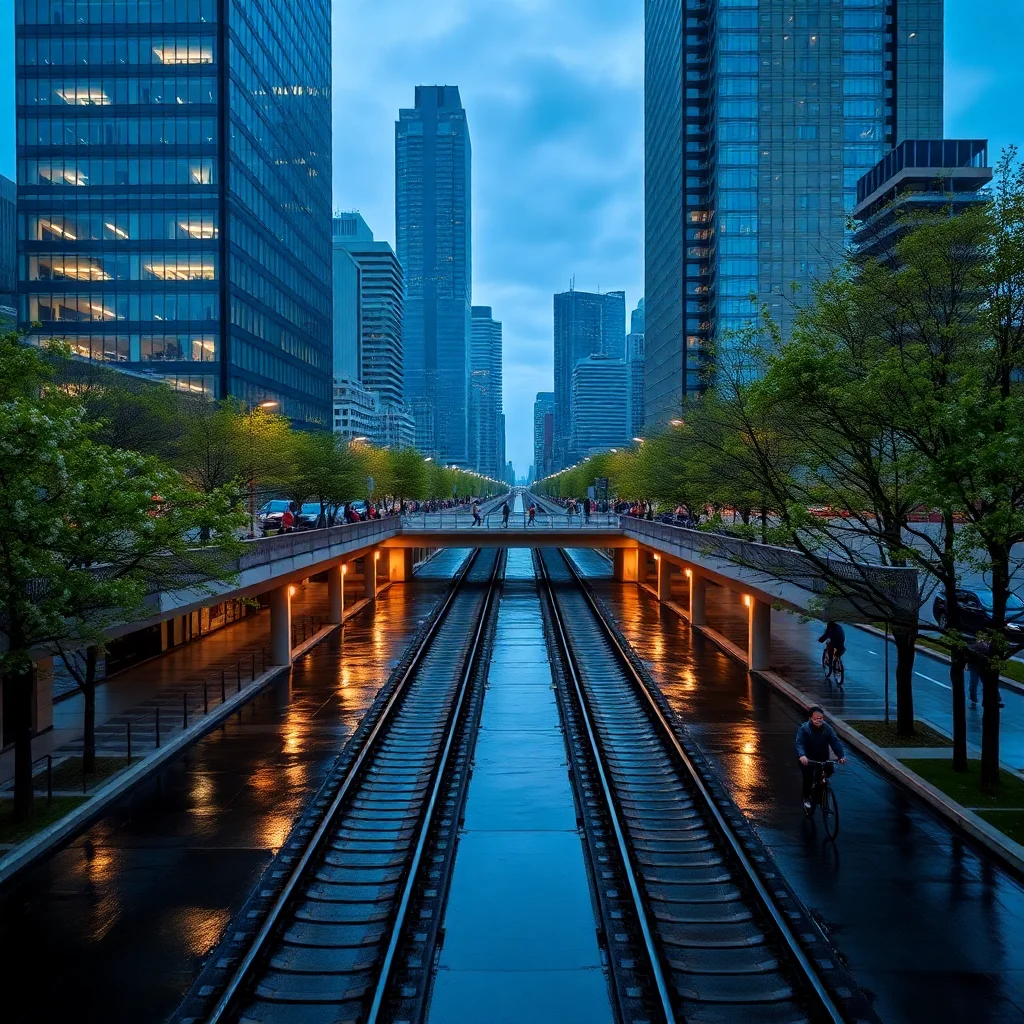
Toronto’s CIBC Square turns office architecture into public landscape—praised as civic generosity, critiqued as corporate alibi.
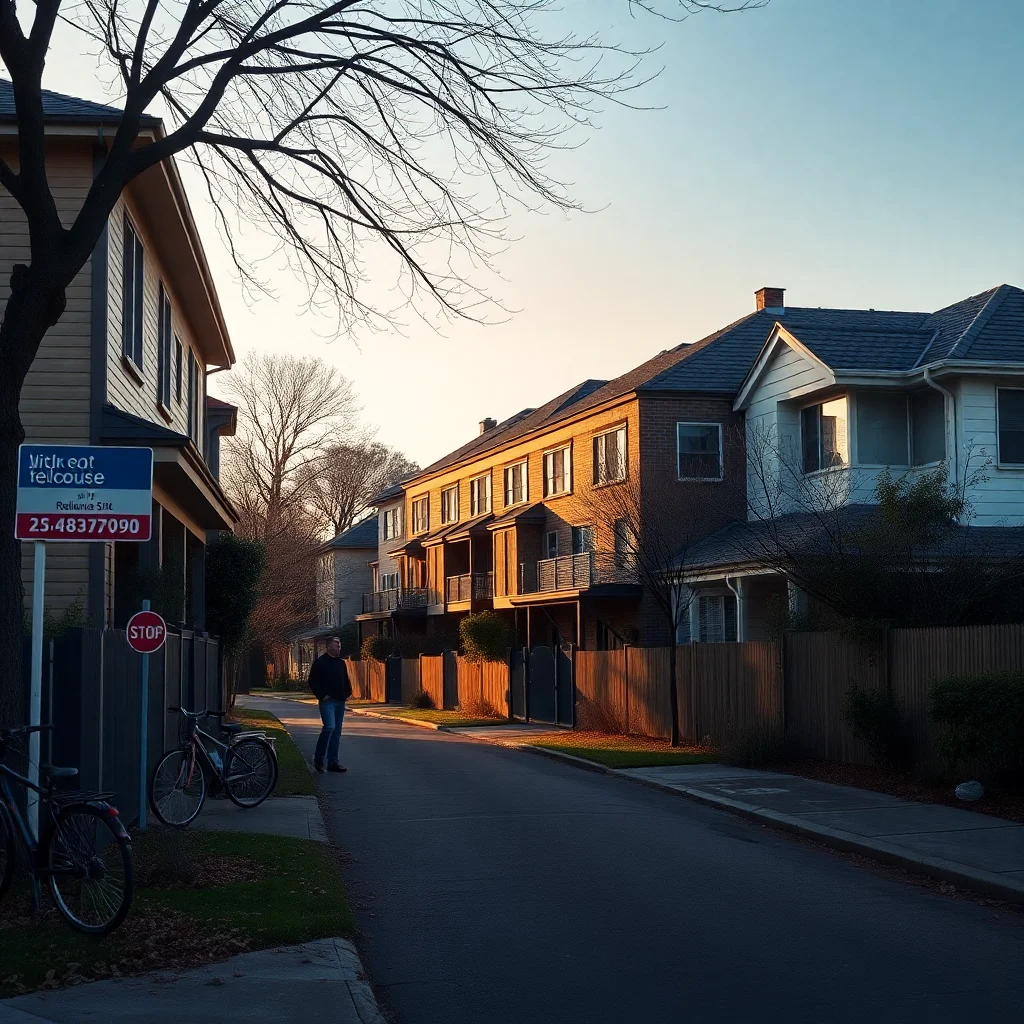
Melbourne’s Shand Road tests whether repeatable infill can deliver affordable, design-led housing without flattening architectural quality.

Meta’s Kylie Jenner AI glasses blur fashion and surveillance, turning the face into a new battleground of desirability and control.
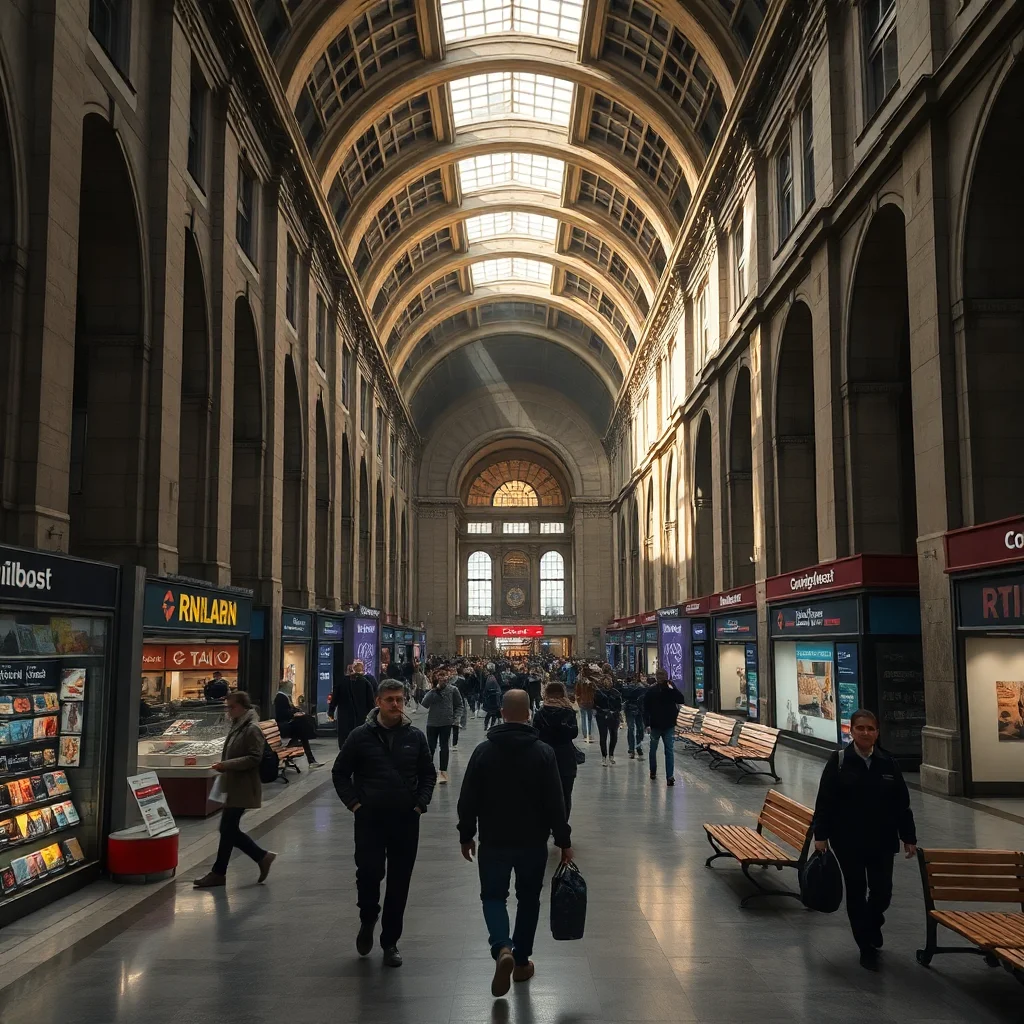
Milano Centrale’s makeover reveals the promise and danger of turning monumental infrastructure into polished public space.
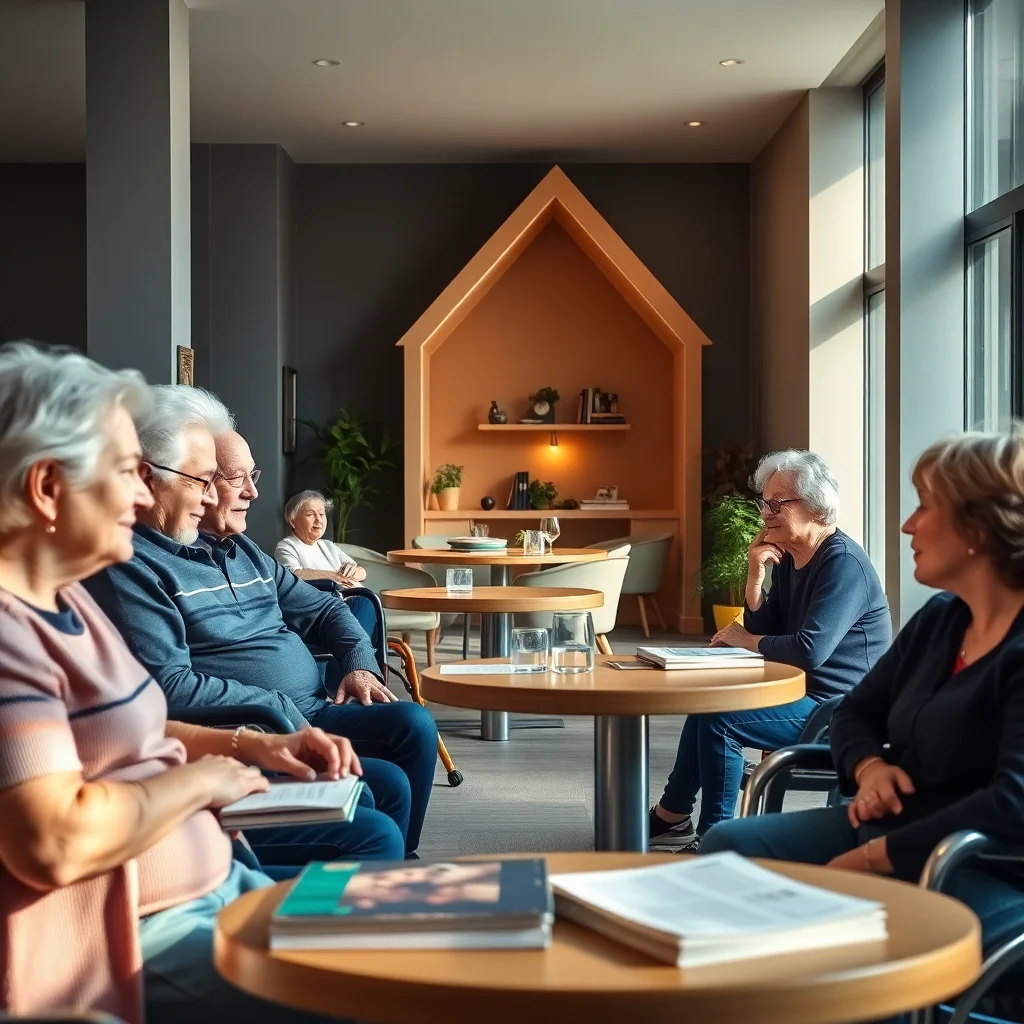
Intergenerational co-living promises care and connection—but who benefits when housing becomes lifestyle branding?

An argument for architecture that plans for humans, dogs, birds, insects, and monkeys as co-inhabitants of the city.
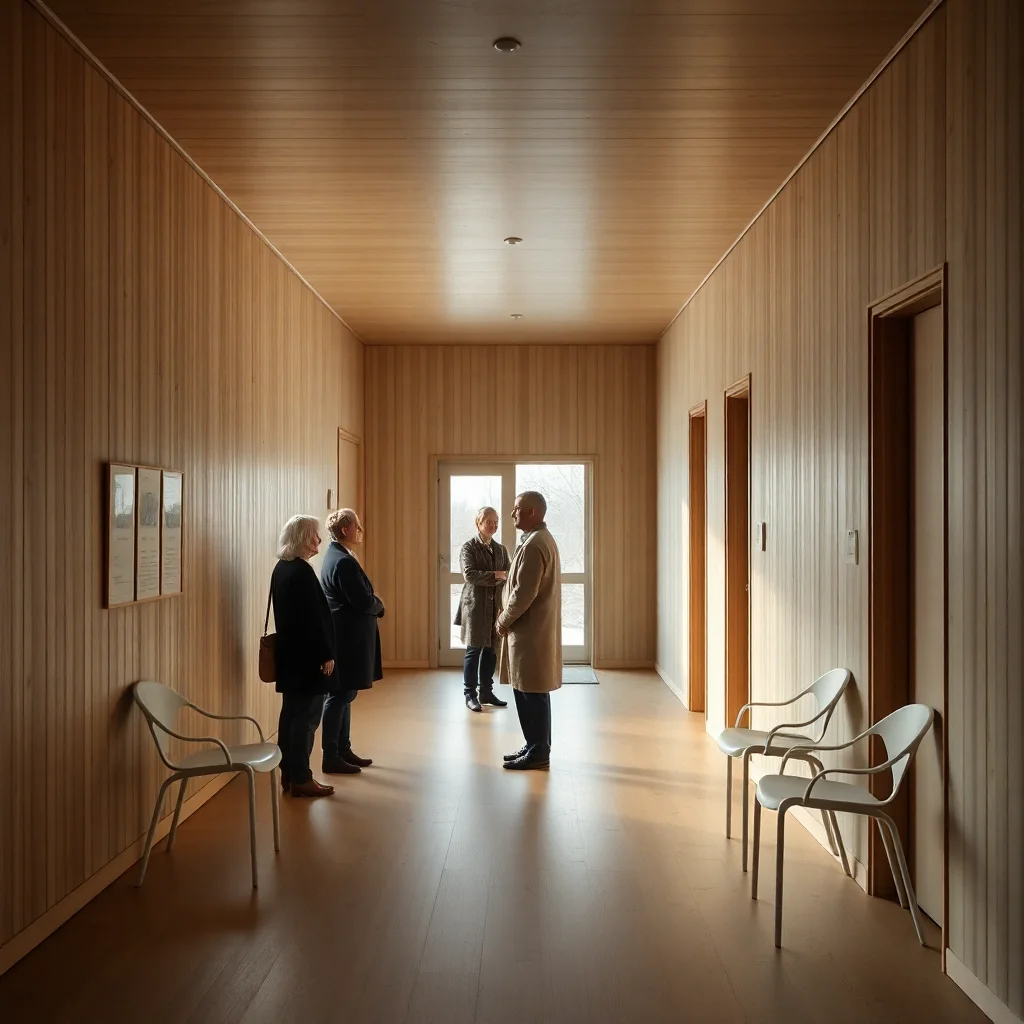
Paimio Sanatorium and the New York Historical extension expose the fight between preservation and adaptive reuse.
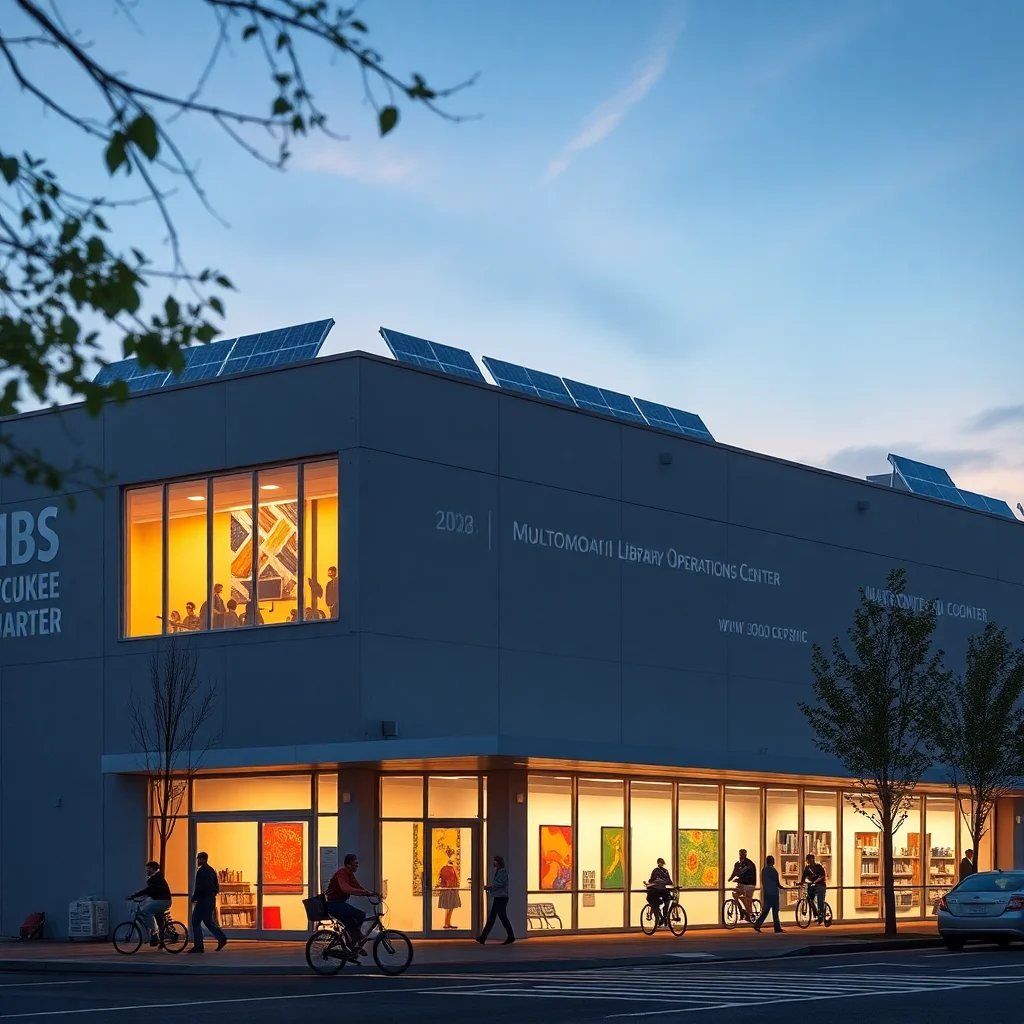
A Portland supermarket reborn as a library hub shows why big-box shells are becoming civic infrastructure, not demolition fodder.