
Your Home Security Camera Watches More Than Your Home
Your Home Security Camera Watches More Than Your Home
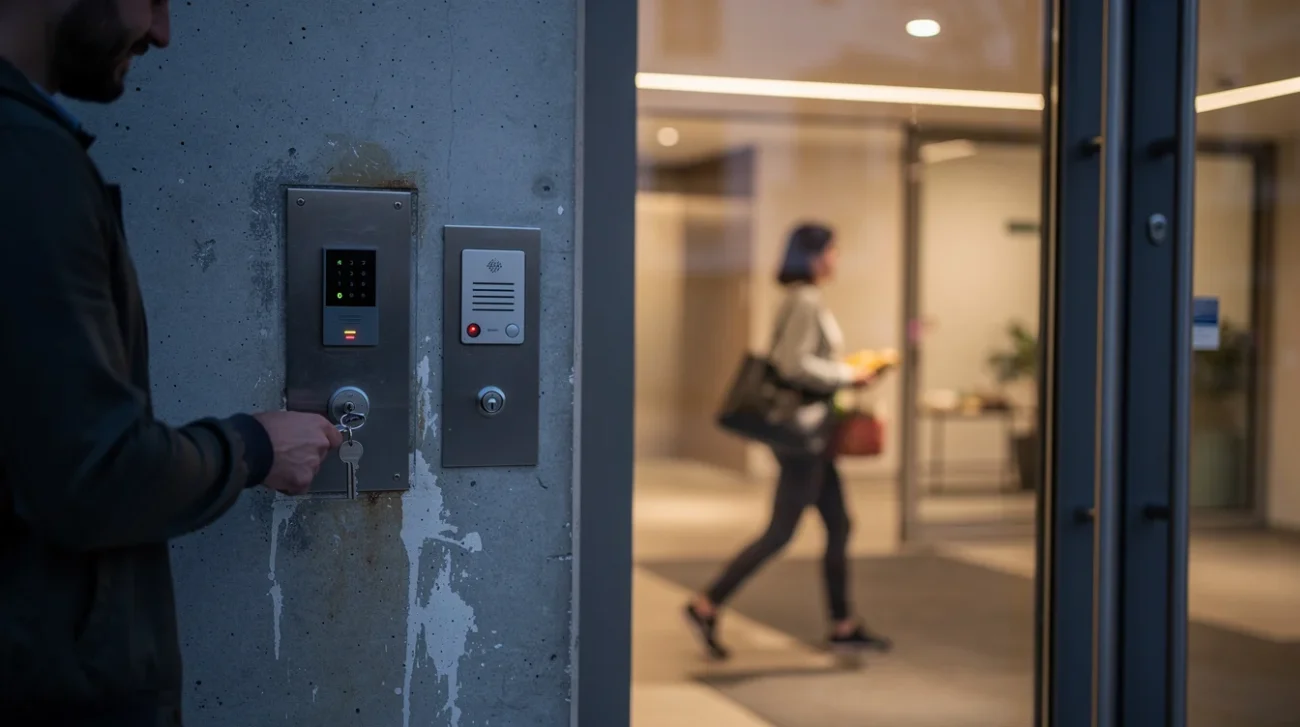
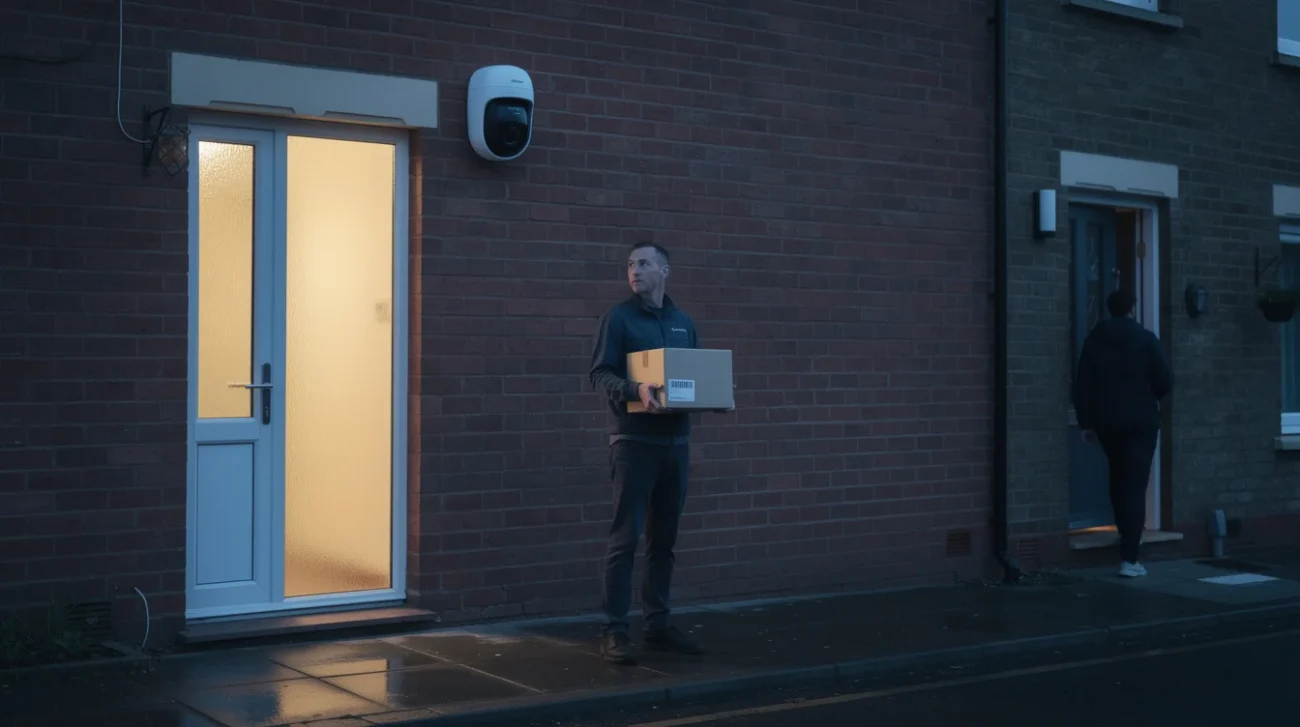
Your new security camera recognises a person, follows their movement and saves the encounter. The product demonstration calls this intelligence. The delivery worker at your door might call it something else: another workplace camera, installed by someone they have never met, operating under rules they cannot inspect.
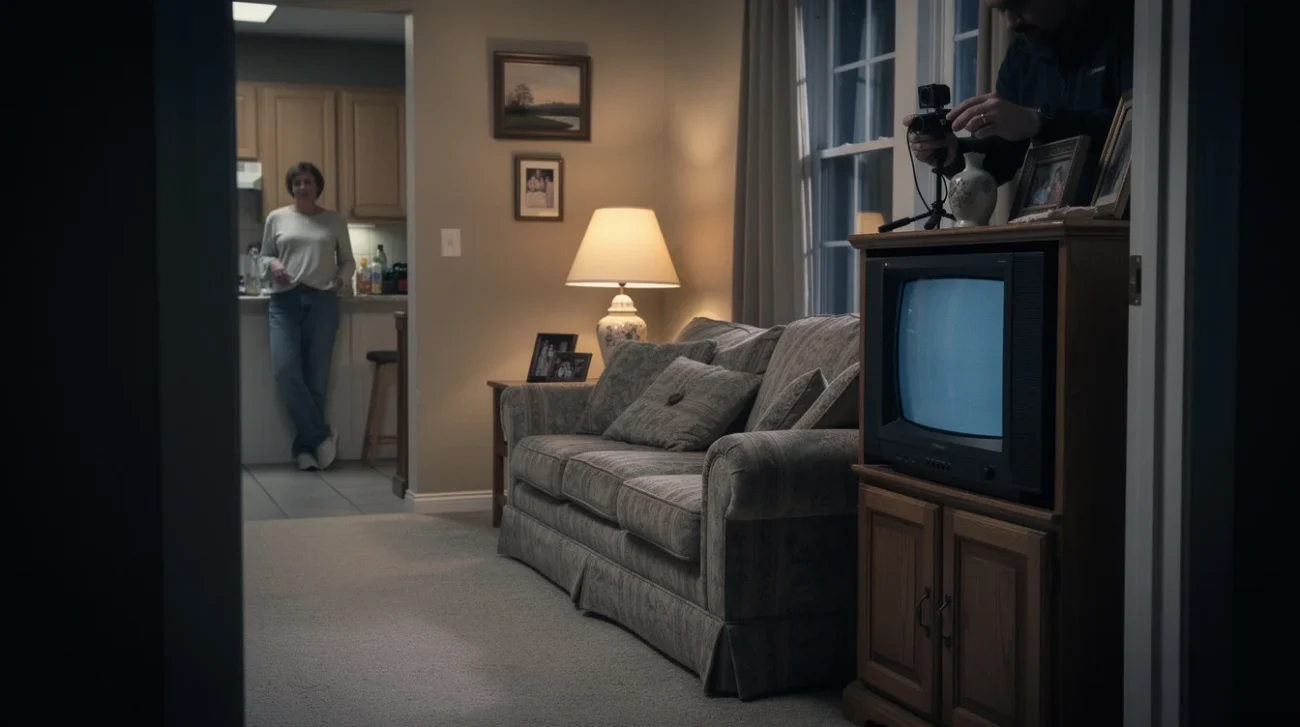
This is the uncomfortable premise behind the latest domestic security upgrade. Wallpaper’s roundup of technology from Apple, Anker Eufy and Baseus places intelligent tracking and recording within the familiar promise of a better-protected home. But the consequential design question is not simply how much a camera can see. It is who gets to decide what becomes visible, memorable and shareable.
A doorstep is rarely an exclusively private stage. It connects homes to pavements, shared corridors, maintenance routes and neighbouring windows. Treating everything within the lens as the owner’s business turns an optical capability into an assumed entitlement. A better security product should exercise more judgment, not merely collect more footage.
The property line does not stop the lens
Architecture gives property an edge: a wall, a threshold, a fence. A wide-angle camera casually looks past it. Intelligent tracking can compound that mismatch when a motorised lens follows a person beyond the entrance it was installed to protect. Technical coverage and legitimate purpose are not the same boundary.
Imagine a terraced house where a camera watches the front step, the neighbouring door and part of a bedroom window opposite. A parcel theft might justify reviewing one brief encounter. It does not automatically justify assembling a searchable history of when the neighbour leaves, who visits or how often a care worker arrives. Information can be intrusive without ever revealing the inside of a room.
Jane Jacobs’s celebrated “eyes upon the street” concerned the social life that helps make streets safer. It should not become a convenient slogan for networked observation. A shopkeeper looking outside is not equivalent to a device that records, classifies and potentially exports an encounter. Human attention usually passes; stored footage persists. The design brief must acknowledge that difference instead of dressing every additional recording capability as neighbourliness.
A glowing LED is not meaningful consent
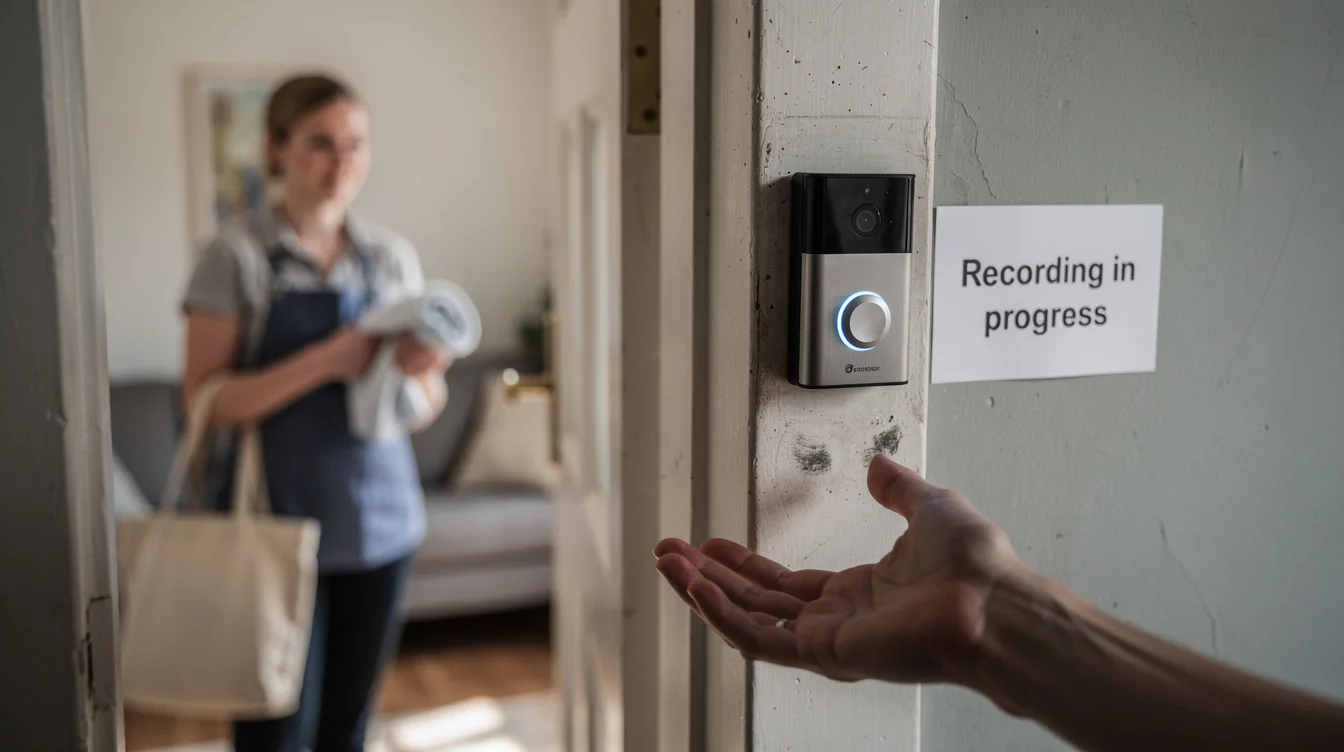
Most security interfaces address the purchaser. The app explains modes, subscriptions and alerts to the person holding the phone. The people entering the frame receive considerably less information: perhaps a tiny light, perhaps a sticker, perhaps nothing legible until they are already recorded.
Don Norman’s emphasis on understandable feedback offers a useful test. Can someone approaching the door tell whether the device is live-viewing, recording, capturing sound or switched off? If the answer requires a manual or the owner’s password, the interface has failed an important audience. A single ambiguous status light is decoration masquerading as disclosure.
Better design would place a clear recording indicator beside the lens, distinguish audio capture and provide readable notice before a visitor crosses the capture boundary. Where feasible, an alternative delivery position could sit outside that boundary. These are design proposals, not features that should be assumed across the products in the source roundup.
But disclosure is not consent. A cleaner cannot necessarily decline surveillance without losing work; a neighbour cannot choose another entrance to their own flat. Consent cues must never become an alibi for recording people who have no practical way to refuse. Their value is transparency, not automatic permission.
Draw the boundary before collecting the footage
The most important rectangle in a security app may not be the video window. It may be the area the camera is instructed to ignore. Yet “activity zone” and “privacy zone” can describe very different behaviours. A zone that suppresses motion notifications may still leave everything visible in recordings. A meaningful privacy mask should prevent the excluded area from being captured or made accessible throughout the relevant recording pipeline—not merely hide it on one screen.
Consider a shared landing. The resident needs to see someone approaching their own door, not catalogue every arrival at the flat opposite. Setup should begin with selecting the protected threshold and excluding adjacent entrances. For a tracking camera, those exclusions must remain effective as the lens moves. Otherwise the privacy boundary disappears precisely when the supposedly intelligent feature activates.
Microphones deserve their own boundary discussion. Sound does not respect a carefully drawn image mask. A camera aimed responsibly at a parcel shelf may still capture a conversation nearby.
Ann Cavoukian’s Privacy by Design framework makes privacy a default rather than an optional repair. Applied here, that means narrow initial capture areas, restrained tracking and a clear reason to enable audio—not a sweeping field of observation that only conscientious owners bother to reduce.
Encryption protects footage, not everyone in it
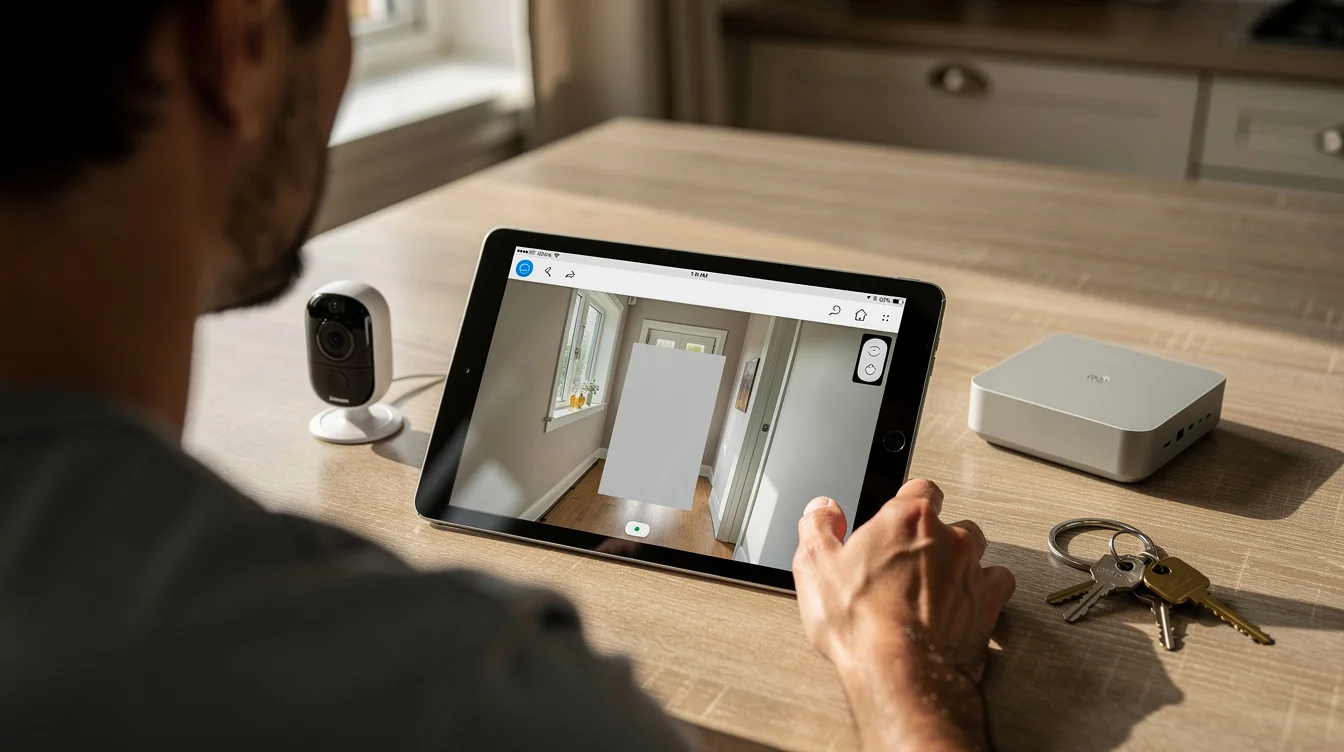
Apple’s HomeKit Secure Video illustrates one response to the security problem: on supported third-party cameras, it uses a home hub for video analysis and end-to-end encryption for recordings stored in iCloud. That architecture matters. It is also different from claiming that Apple makes every camera discussed within its ecosystem, or that encryption resolves the ethics of domestic recording.
An encrypted clip can still be unwanted surveillance. The account holder may be able to view it, retain a downloaded copy or share it beyond the original purpose. Protecting footage from outsiders does not answer whether it should have been collected in the first place.
Likewise, buyers assessing Eufy or Baseus devices should investigate the exact model, configuration and service rather than infer privacy from a brand name or the phrase “local storage.” Ask where event analysis happens, what leaves the device, whether notification previews transmit images and which features require a remote account. Local recording is useful; it is not a complete data-flow diagram.
The interface should make those flows understandable. A homeowner should not need to reverse-engineer a network to discover whether a clip remains indoors or travels elsewhere.
Forgetting should be a premium feature
Security marketing rewards accumulation: longer histories, more events, easier searching. A privacy-conscious product would also compete on disciplined forgetting. It would let owners keep routine recordings briefly, preserve a specific incident deliberately and understand when copies escape the original retention policy.
A useful design might delete uneventful doorstep footage after a short, clearly stated interval while allowing a burglary clip to be retained for an insurance claim. The appropriate interval depends on the setting and purpose; there is no universal magic number. What matters is that indefinite retention should require justification rather than arrive disguised as convenience.
Access deserves similar restraint. Giving a dog walker temporary entry should not automatically expose the household’s recording archive. Shared accounts should distinguish live viewing, playback, exporting and administration. Owners should be able to see who accessed footage and revoke permissions without navigating an obscure settings maze.
Dieter Rams’s principle that good design is “as little design as possible” acquires sharper stakes here. Restraint should apply not only to the camera’s sculpted enclosure but to its appetite for information. A discreet white object collecting an excessive record is not minimalism. It is visual modesty concealing operational excess.
Security needs a different product review
None of this requires pretending cameras are useless. Footage can help document theft, harassment or damage. Remote viewing can help someone check an entrance without physically approaching it. But those benefits do not establish that more tracking, broader coverage or longer recording will always improve a particular home’s security.
Sometimes the better intervention is architectural: a secure parcel compartment, an entrance light aimed without dazzling neighbours, a repaired shared-door latch or a sightline cleared by moving a badly placed bin store. These measures can reduce vulnerability without producing a database of ordinary visitors. The camera should be assessed alongside them, not treated as their inevitable replacement.
A serious product review should therefore test more than image sharpness and detection speed. Can an outsider understand when recording happens? Does a privacy mask survive tracking? Can audio be disabled independently? Does deletion mean what the interface suggests? Are privacy-preserving defaults maintained after updates?
The provocation is simple: a camera that records less can be the more sophisticated security product. Intelligent protection should know its purpose and stop at its boundary. Anything less asks visitors, workers and neighbours to subsidise the owner’s reassurance with their visibility.
FAQ: Home security cameras and privacy
Do activity zones stop a camera recording neighbours?
Not necessarily. Some activity zones only determine which movements trigger alerts. Check whether the device offers privacy masking, whether excluded areas remain absent from saved and exported footage, and whether masks continue working when a tracking lens moves.
Does a recording sign mean visitors have consented?
No. Notice tells people surveillance exists; it does not establish freely given consent or automatically make recording lawful. Requirements vary by jurisdiction, particularly for audio and views beyond your property. Workers and neighbours may have little practical ability to avoid the camera.
Is local storage more private than cloud storage?
It can reduce reliance on remote storage, but it is not a guarantee. Detection, notifications or remote access may still involve external services. Evaluate encryption, account security, data flows, access permissions and retention alongside the physical location of recordings.
Which privacy controls should buyers prioritise?
Look for effective recording exclusions, independent microphone controls, understandable recording indicators, short retention options and granular sharing permissions. Confirm how these features work on the exact model rather than relying on general brand claims or a feature label.
If your security camera makes other people permanently visible, how much say should they have over what your home is allowed to remember?
Watch the Mainifesto Short
Get the Mainifesto weekly — curated design debates, speculative ideas and the week's best articles every Saturday.
Editorial Perspectives
Questions and counterpoints developed by the Mainifesto editorial desk to extend the discussion.
Perspective 1
We model daylight and sightlines before a building goes up; why not model a camera’s recording footprint too? If it captures a neighbour’s doorway, that neighbour should have a say in the boundary—not just hope the owner picks sensible settings.
Perspective 2
A discreet enclosure doesn’t make a camera privacy-conscious. Lens choice, on-device processing and automatic deletion need to survive the bill-of-materials review, not appear later as app features nobody can find.
Perspective 3
Your property line should not become permission to build an archive of the street. A delivery worker can’t negotiate with every doorbell, so recording limits need enforceable rules—not a consent screen—and those rules must cover access by landlords, platforms and police.
Perspective 4
I’m fascinated by the accidental cinema these cameras produce, but the people in the frame didn’t audition. A clip recorded for security shouldn’t become neighbourhood entertainment or training data by default; being visible is not permission to be repurposed.