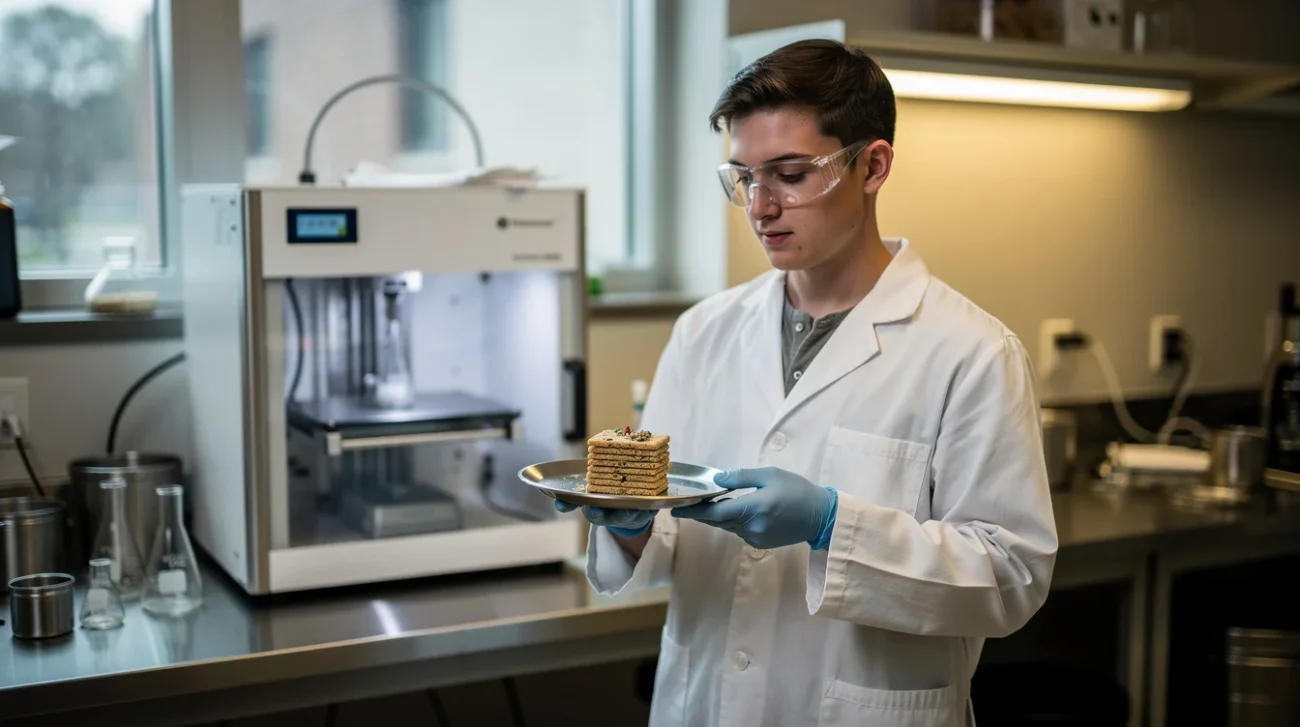
NASA-backed µBites turns waste into food. Can a 3D-printed cookie earn trust through design, transparent processing and credible safety evidence?
NASA-backed µBites turns waste into food. Can a 3D-printed cookie earn trust through design, transparent processing and credible safety evidence?
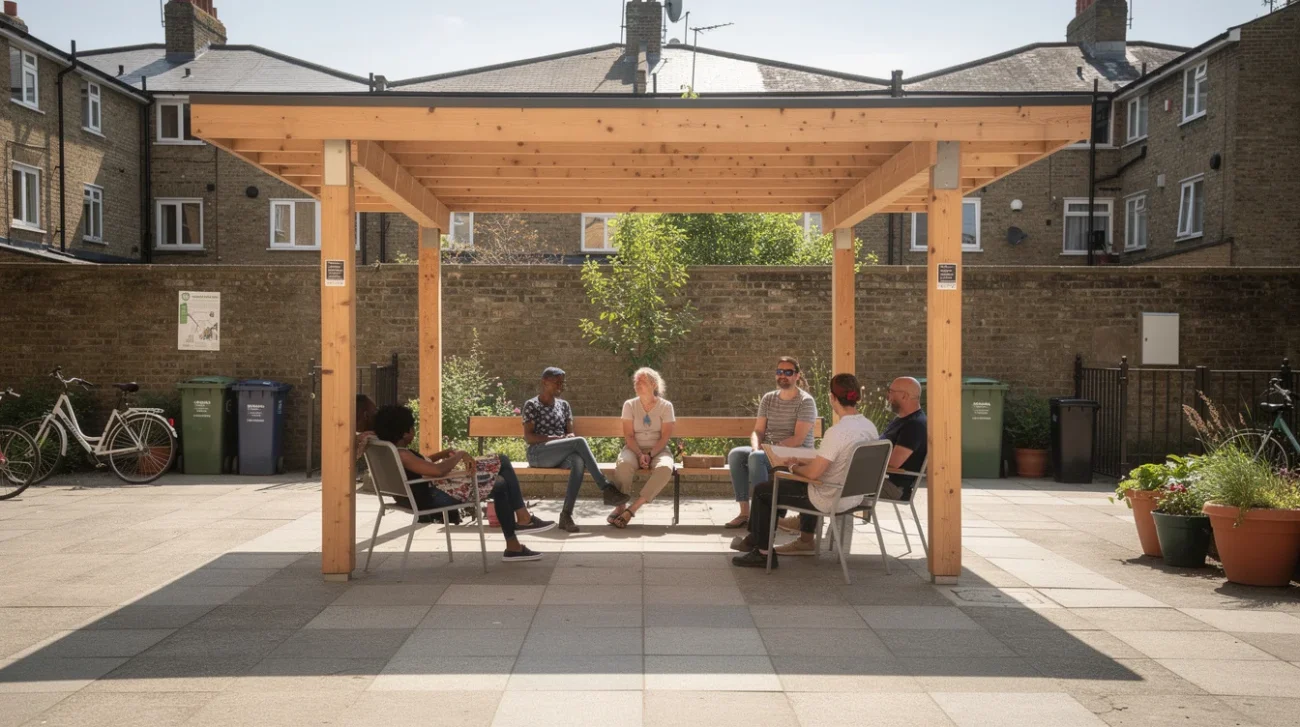
Pearce+’s Camden pavilion champions DIY shade. But when does community empowerment become an excuse to offload climate adaptation onto residents?
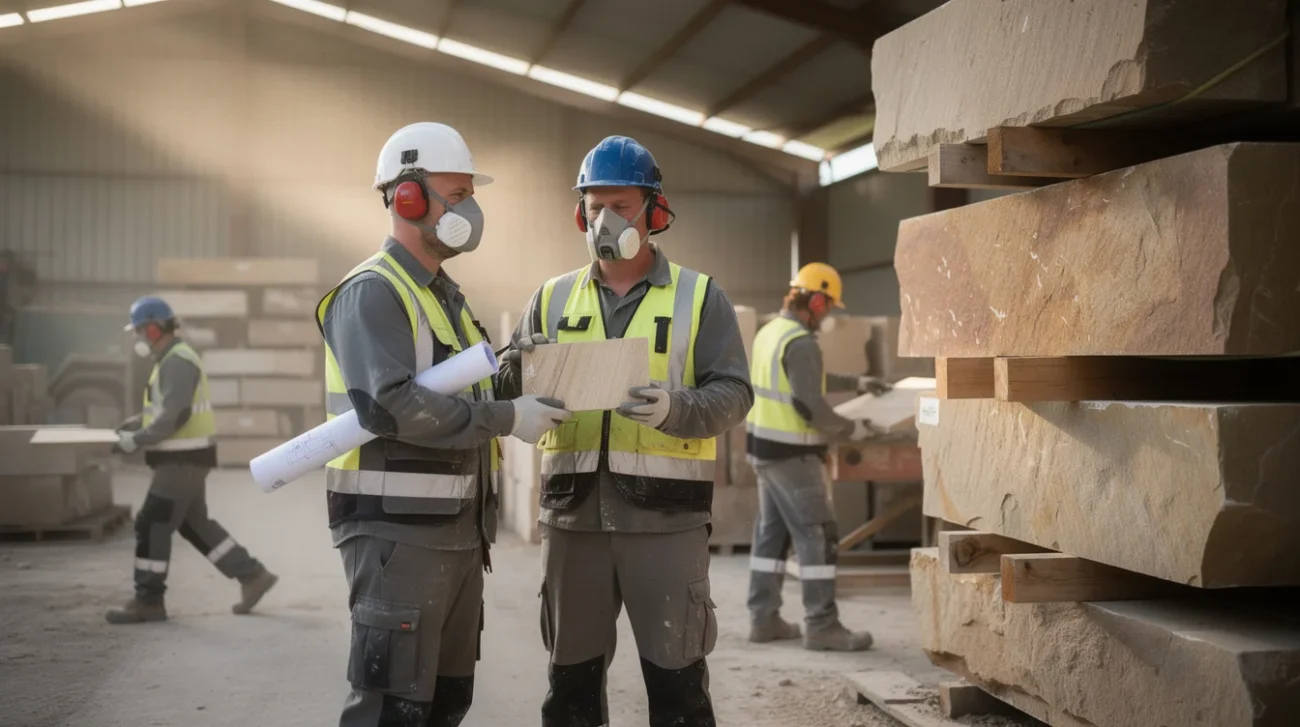
Forced labour hides inside construction supply chains. What must architects verify—and who should pay when ethical sourcing threatens budgets and deadlines?
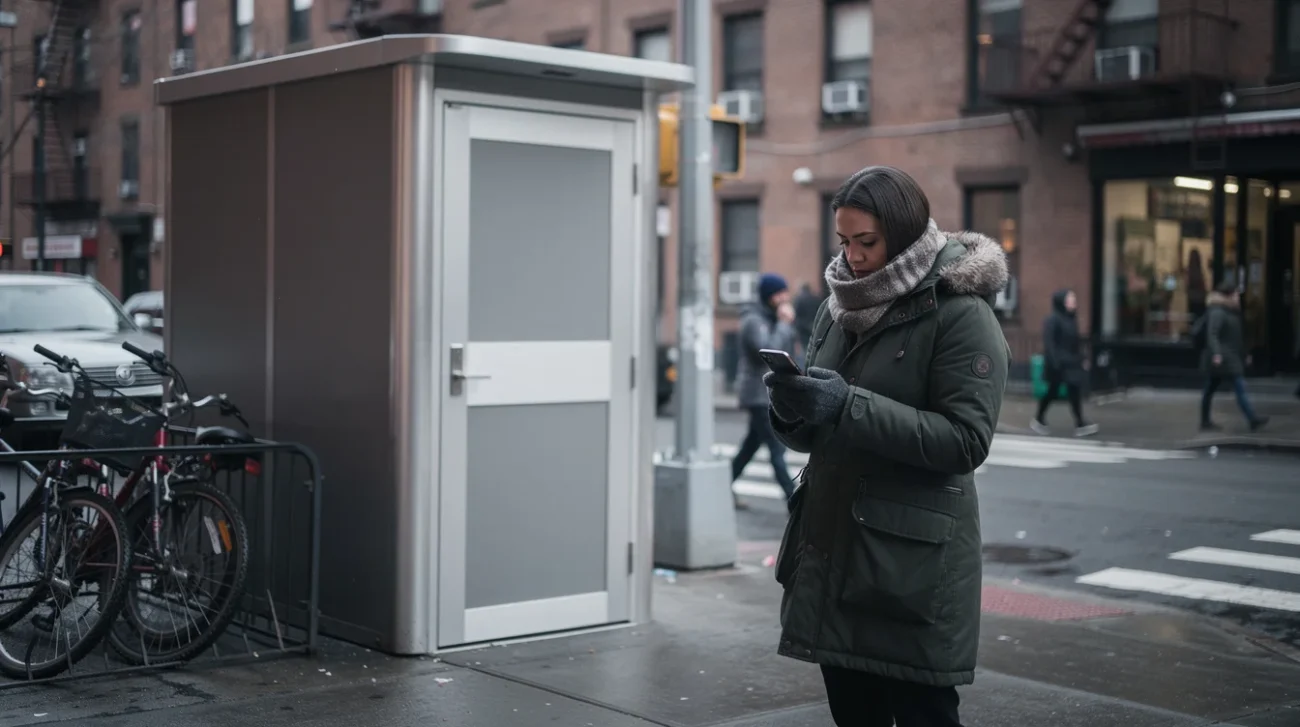
New York’s app-based public toilets test a basic civic promise: immediate, dignified access. What must work when a phone, account, or network fails?
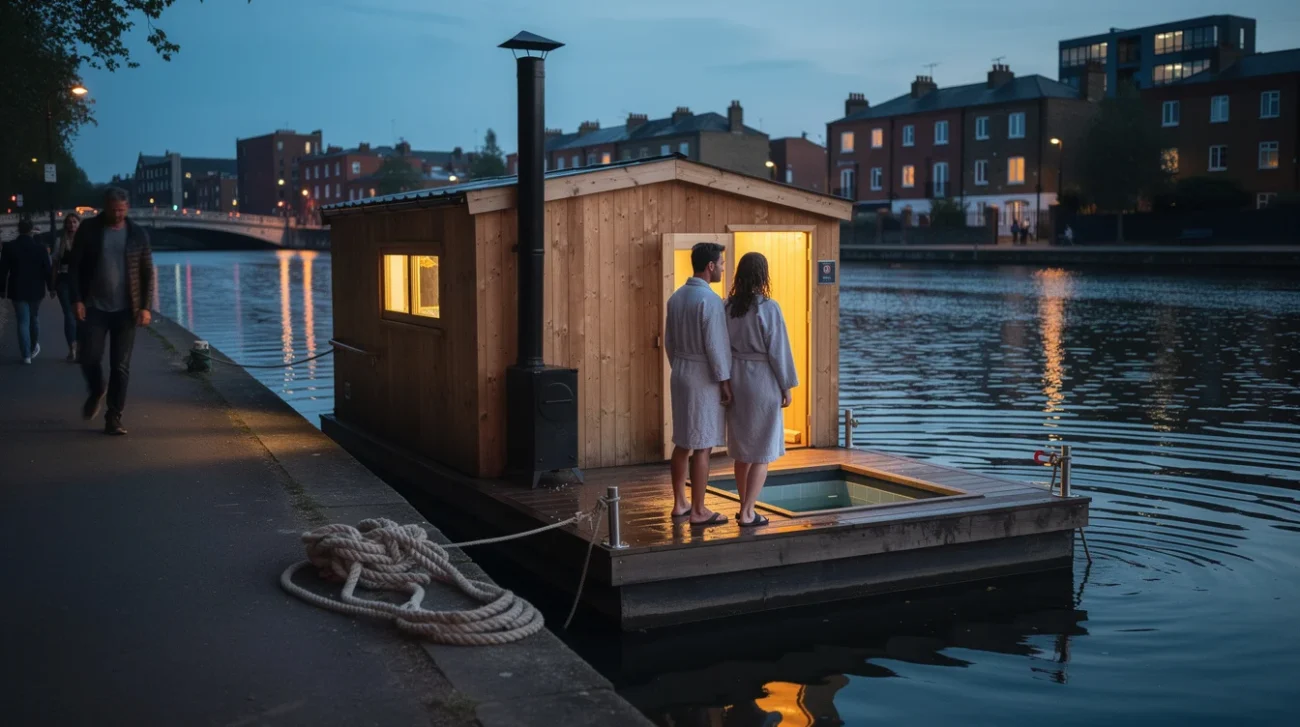
London’s floating Soak sauna tests the green promise of off-grid wellness. Wood fuel, air pollution and water management demand a harder assessment.
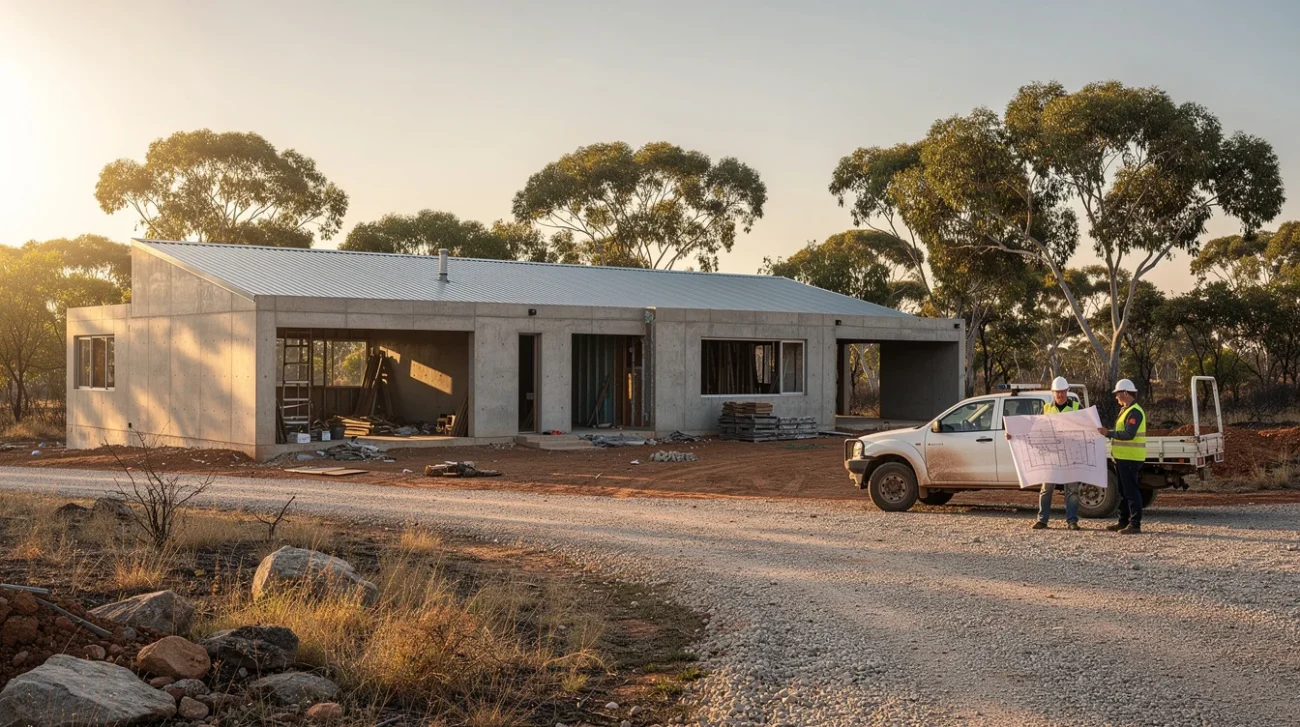
Cathedral House’s wildfire rescue exposes the gap between fire-resistant design and construction-site safety. What should resilience claims disclose?
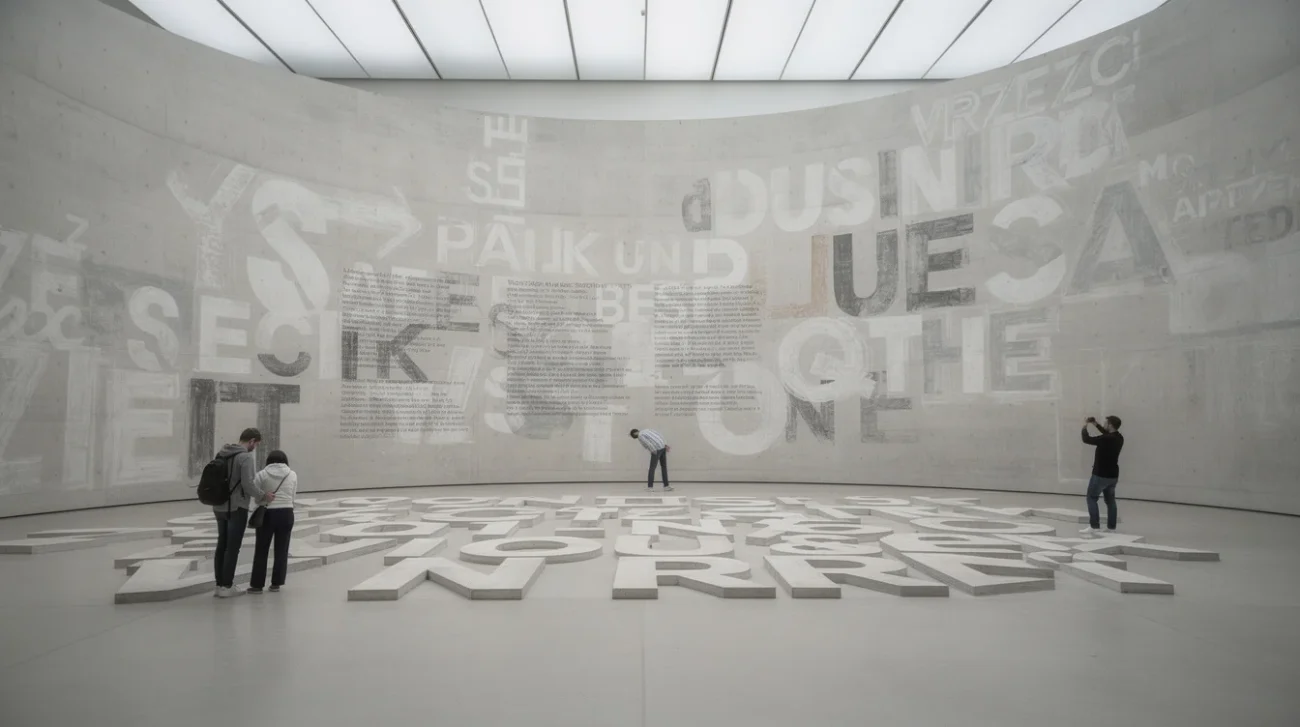
Barbara Kruger’s monumental texts in Paris expose a museum paradox: can an attack on spectacle resist becoming its most photogenic attraction?
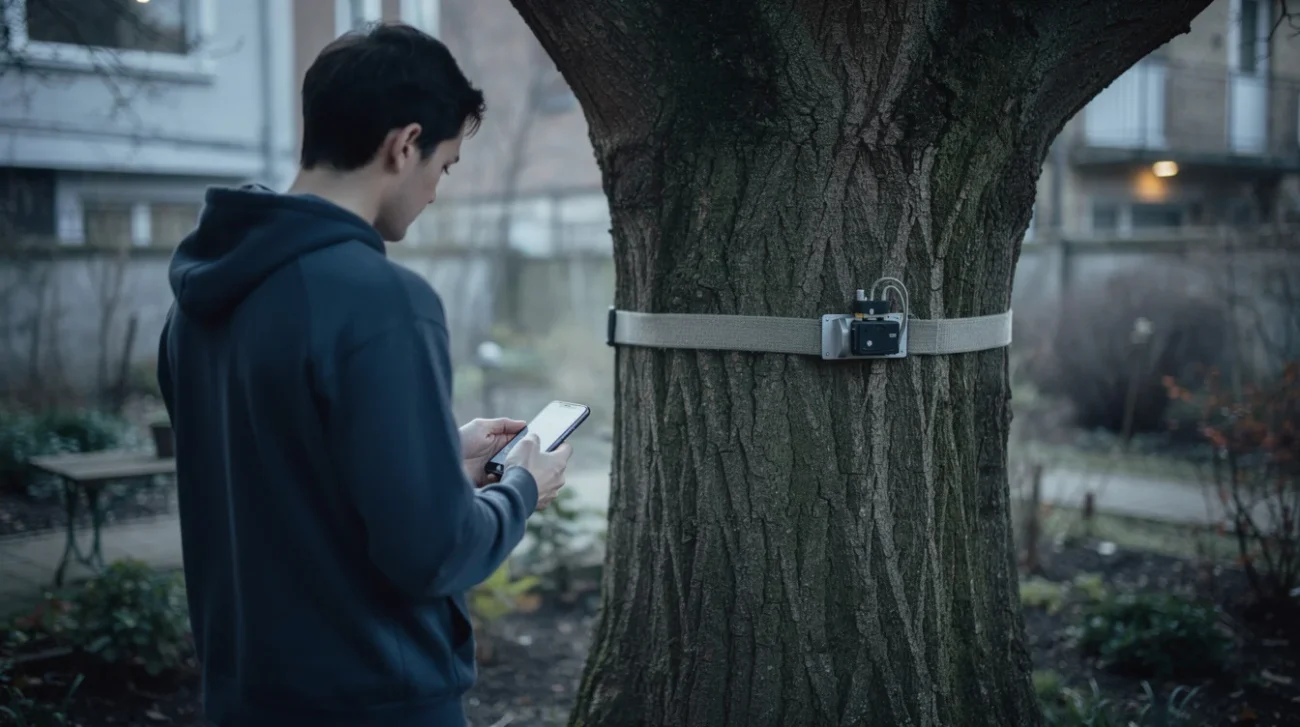
An app-controlled wood-knocking device exposes product design’s blind spot: removing effort can also remove the meaning of a ritual.
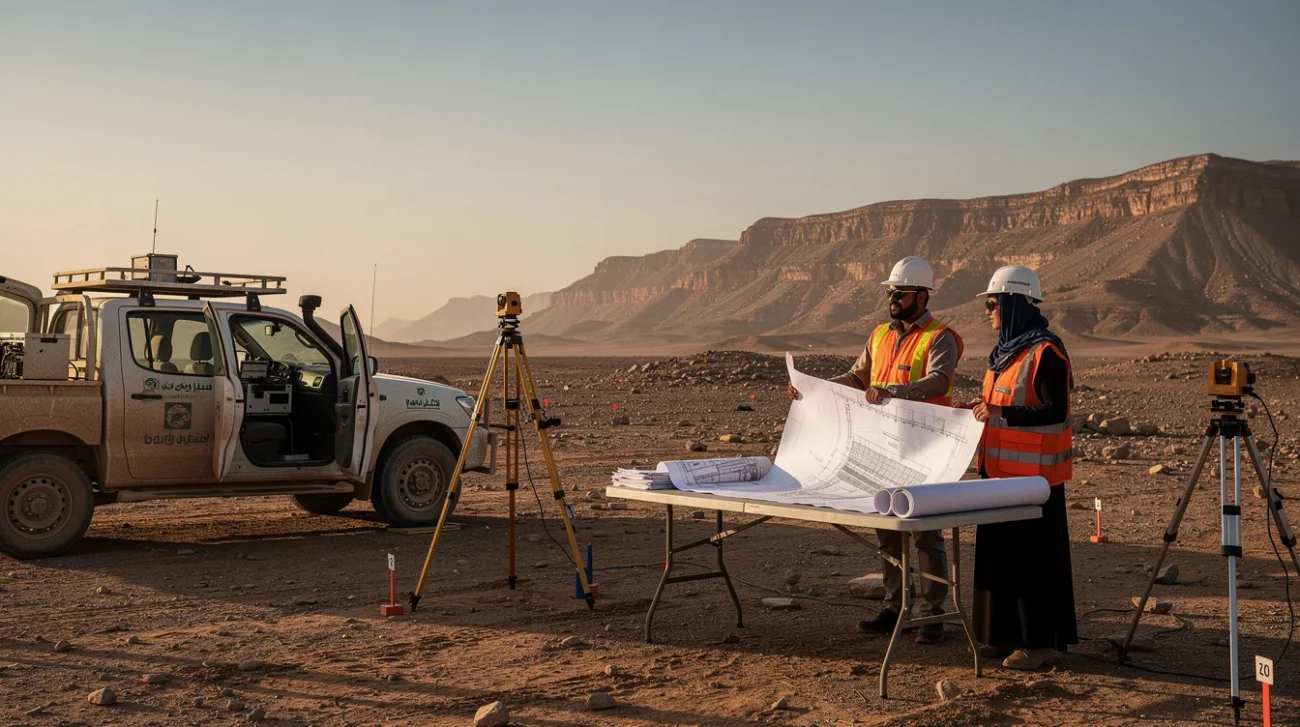
Neom Stadium’s reported shelving exposes a World Cup planning gap. Should megaprojects require fallback venues, phased investment and exit plans?
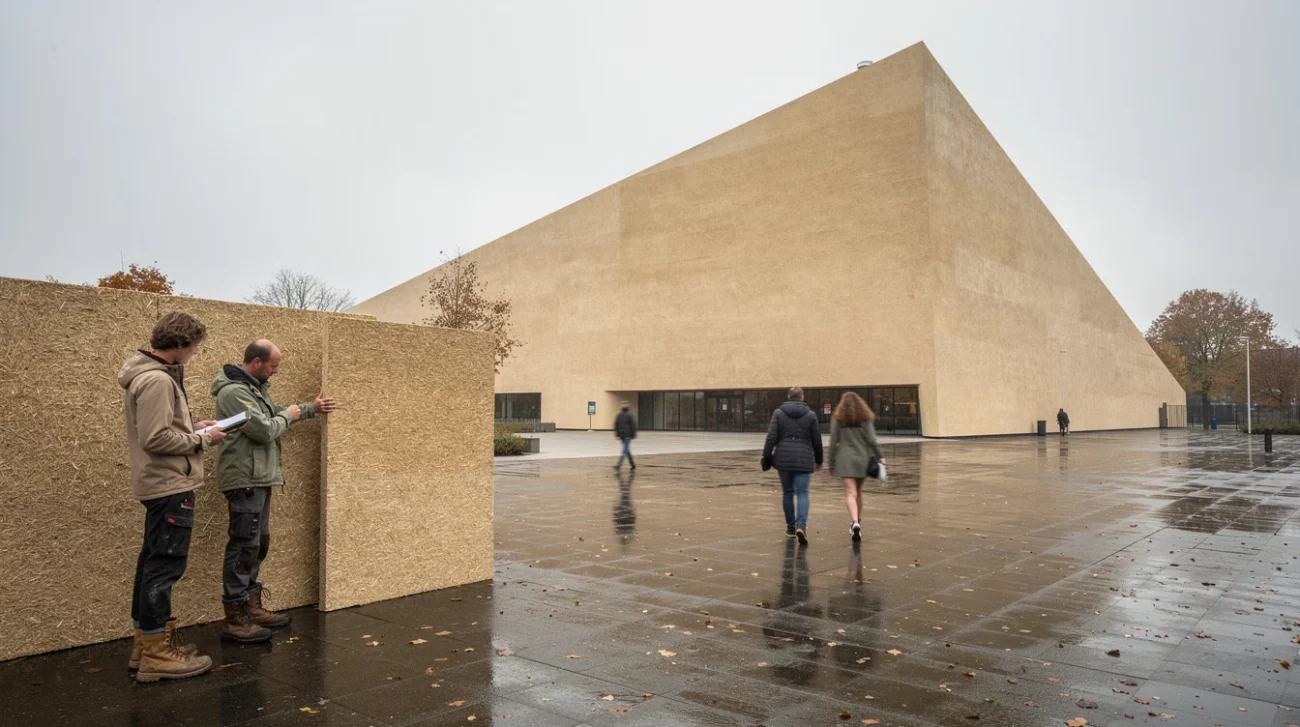
Museum Vonk puts affordable bio-based construction on trial. Can hempcrete compete once labour, procurement and specialist expertise enter the bill?