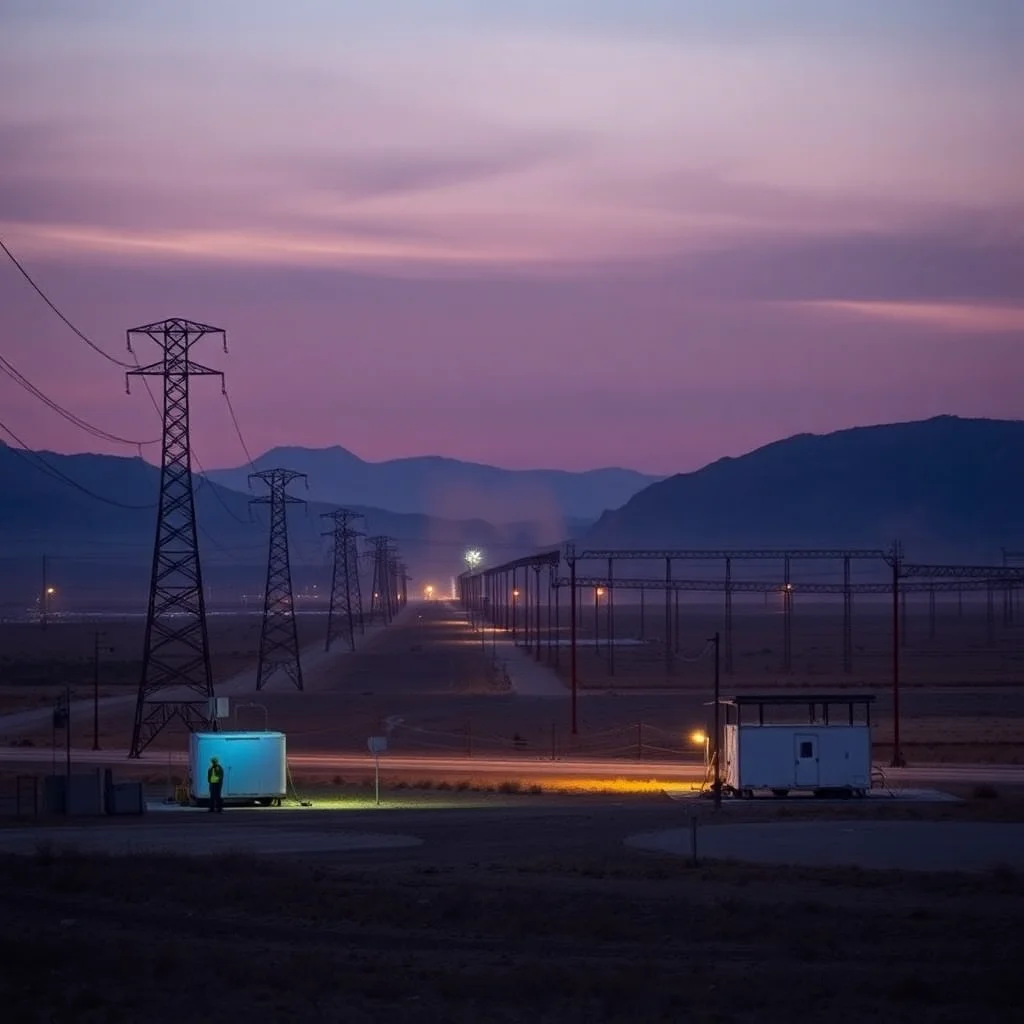
Gensler’s Utah hyperscale project raises a provocative question: should data centers be designed like public institutions?


Gensler’s Utah hyperscale project raises a provocative question: should data centers be designed like public institutions?
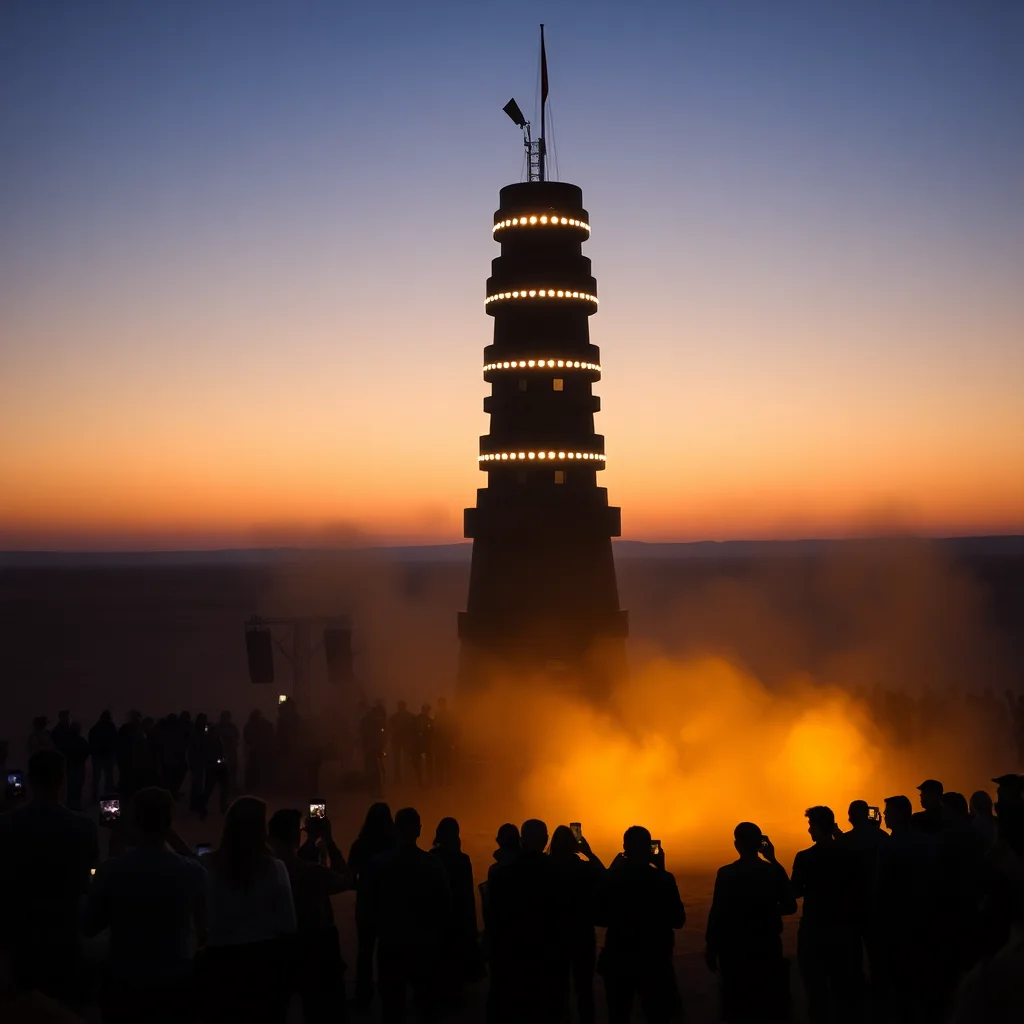
A Burning Man tower asks whether architecture can translate collective voice into light, form, and responsive media.

Boutique cruise ships are reshaping travel with intimacy, locality and restraint—less floating resort, more architectural hotel at sea.
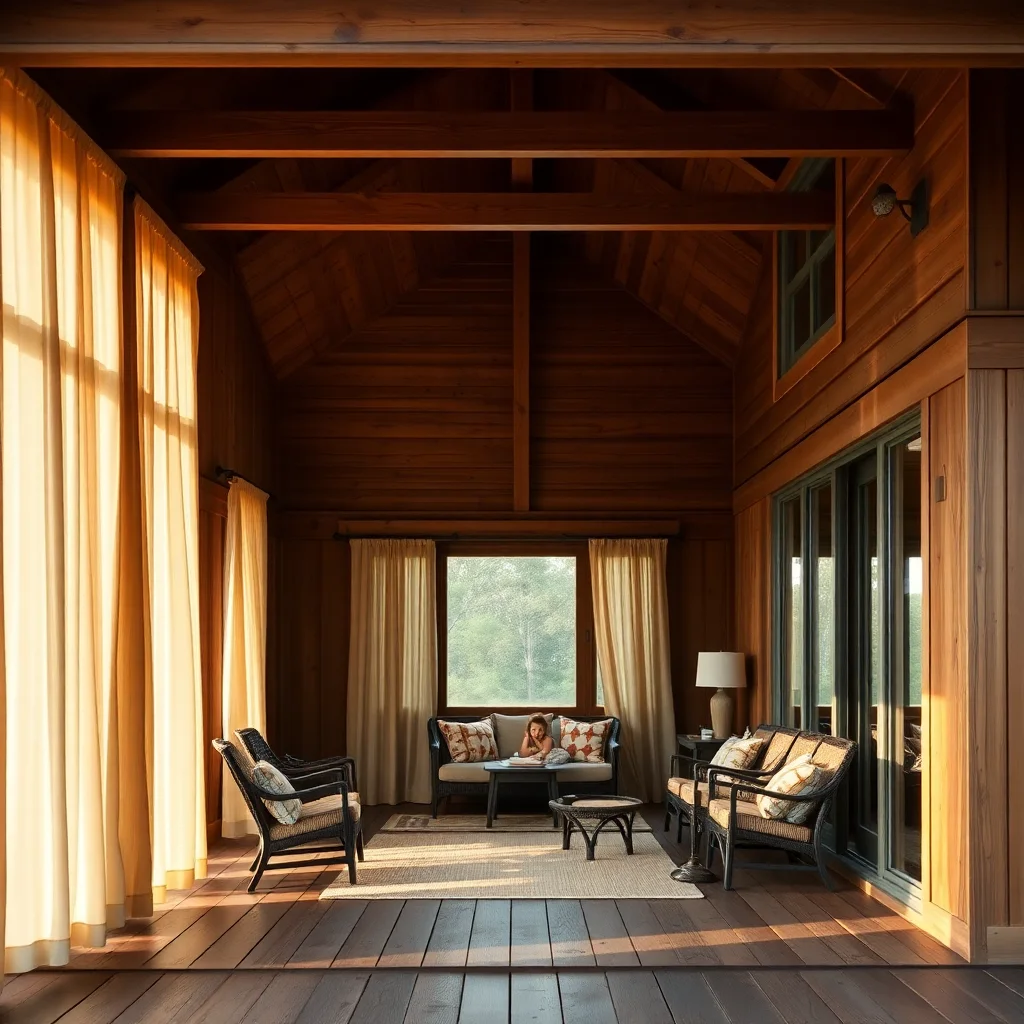
The dogtrot house shows how vernacular spatial logic could power climate-smart housing—if architects avoid nostalgia.

On’s spray-on shoe robot points to a future of material deposition, customization, and a harder question: is it sustainability or spectacle?
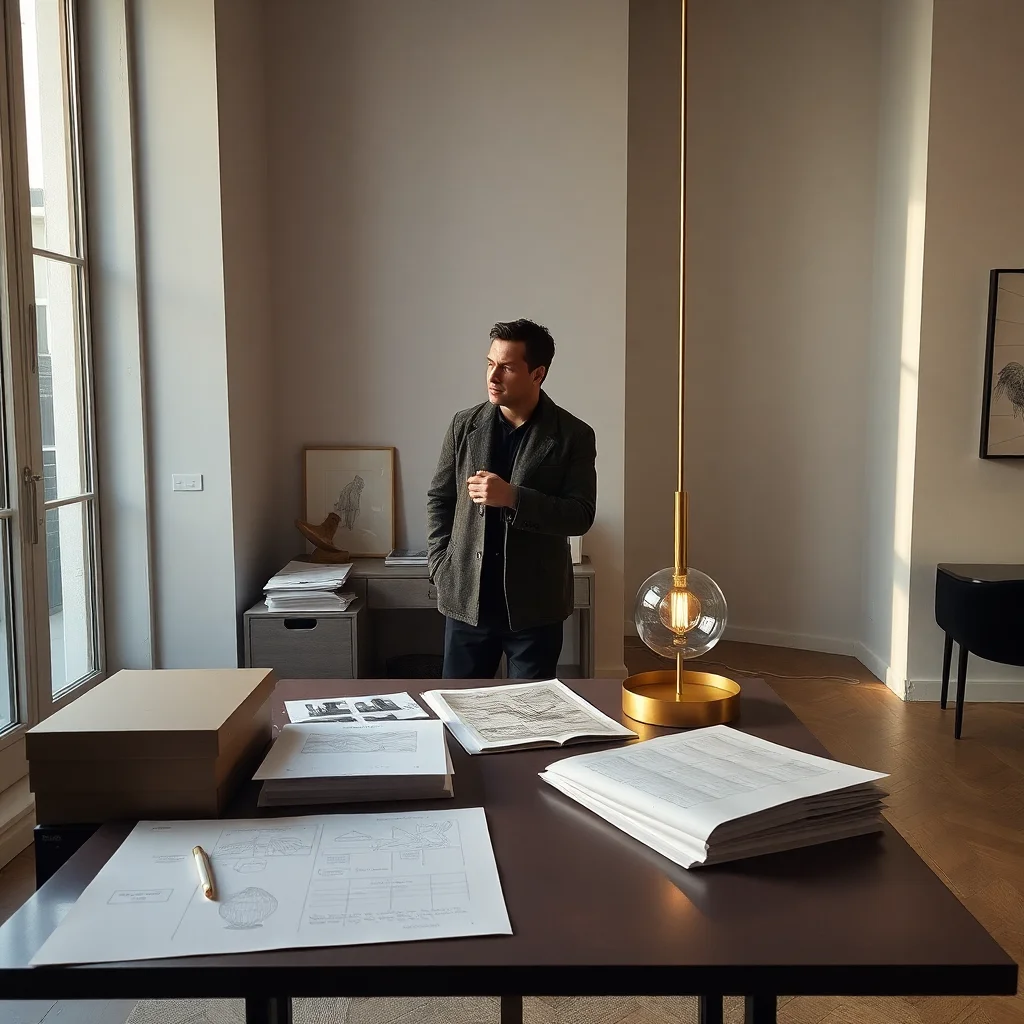
Michael Anastassiades’ brand closure signals a new model: designers separating authorship from production to reclaim creative freedom.
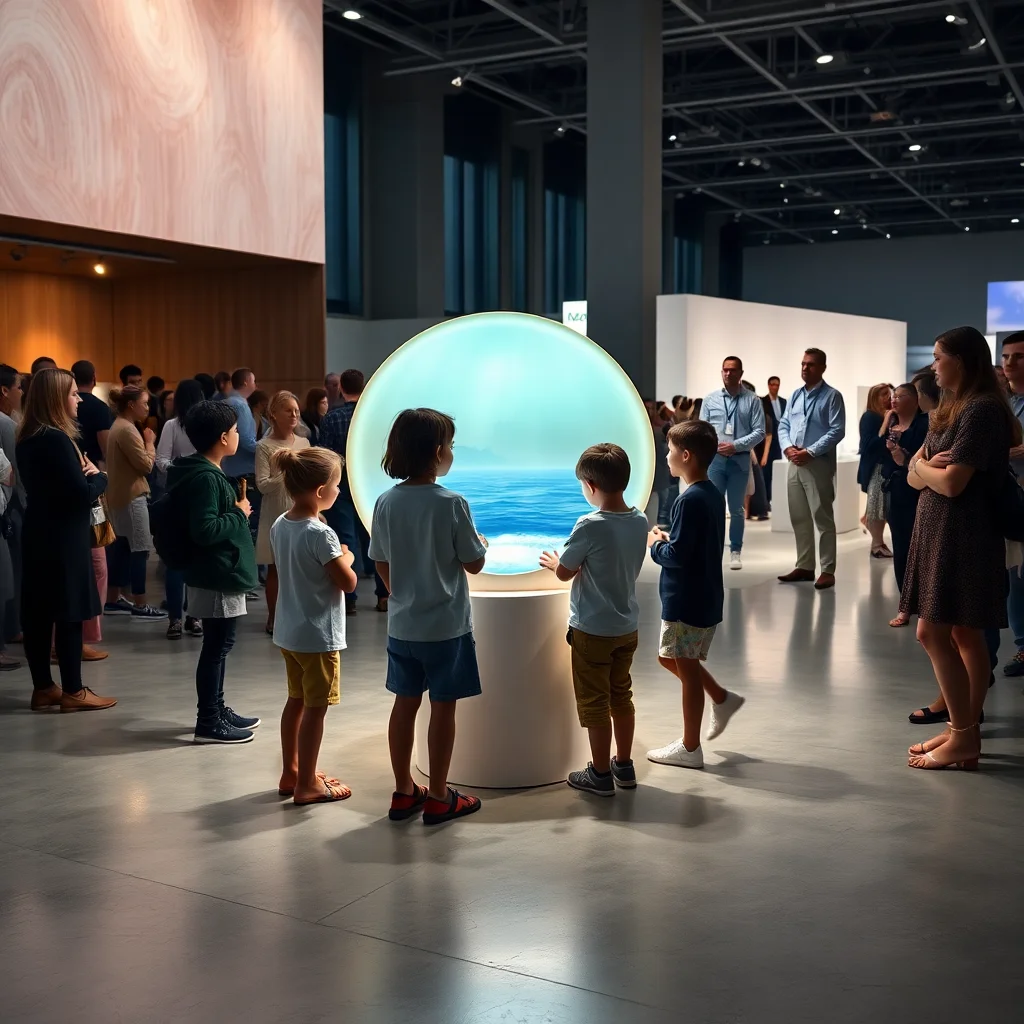
How conch-shaped breathing devices turn pediatric care into an emotional landscape, reshaping fear management through design.

Compact homes are redefining luxury through light, courtyards, and sequence—can architecture make small feel expansive without cliché?

Bathrooms are evolving into engineered, ultra-precise interiors where performance, durability, and spatial intelligence matter as much as style.

Seaweed lights signal a future where decay is a design feature, not a flaw. Can short-lived materials still hold cultural and commercial value?