
Bromley Hall Workspace: Can Heritage Handle Real Work?
A Tudor Manor Is Becoming a Workplace—Can Heritage Handle Real Work?
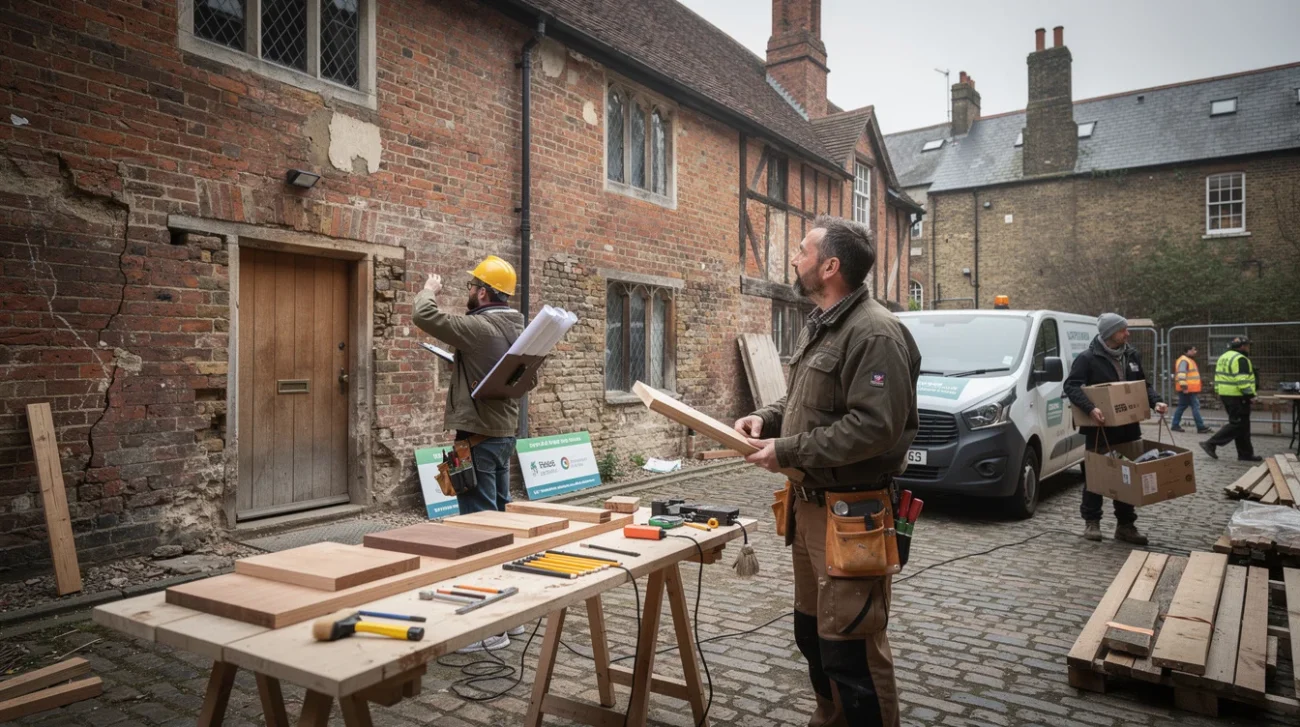
A Tudor manor is allowed to host a wedding. It can sell tickets, serve expensive dinners or become the atmospheric backdrop to somebody else’s wealth. Put working makers inside it, however, and heritage suddenly becomes a question of compatibility. Dust, deliveries and extraction ducts threaten the picture. That hierarchy deserves challenging: why should a historic building’s most respectable future so often involve consuming its past rather than producing anything new?
Assemble’s planned transformation of Bromley Hall in east London makes that question architectural rather than rhetorical. According to the project announcement reported by ArchDaily, the collective has secured a 25-year lease with an option to buy on a site encompassing the early Tudor manor, dated to around 1485, the Old Poplar Library, dating to around 1904–05, and the RedBox container building.
The proposal would add 14,000 square feet to Assemble’s workspace provision, with a long-term development plan intended to double that figure. It would be the collective’s largest workspace to date. But the consequential number is not floor area. It is the lease term: an attempt to give productive activity something London’s property market routinely withholds—time.
Heritage Needs More Than a Photogenic Tenant
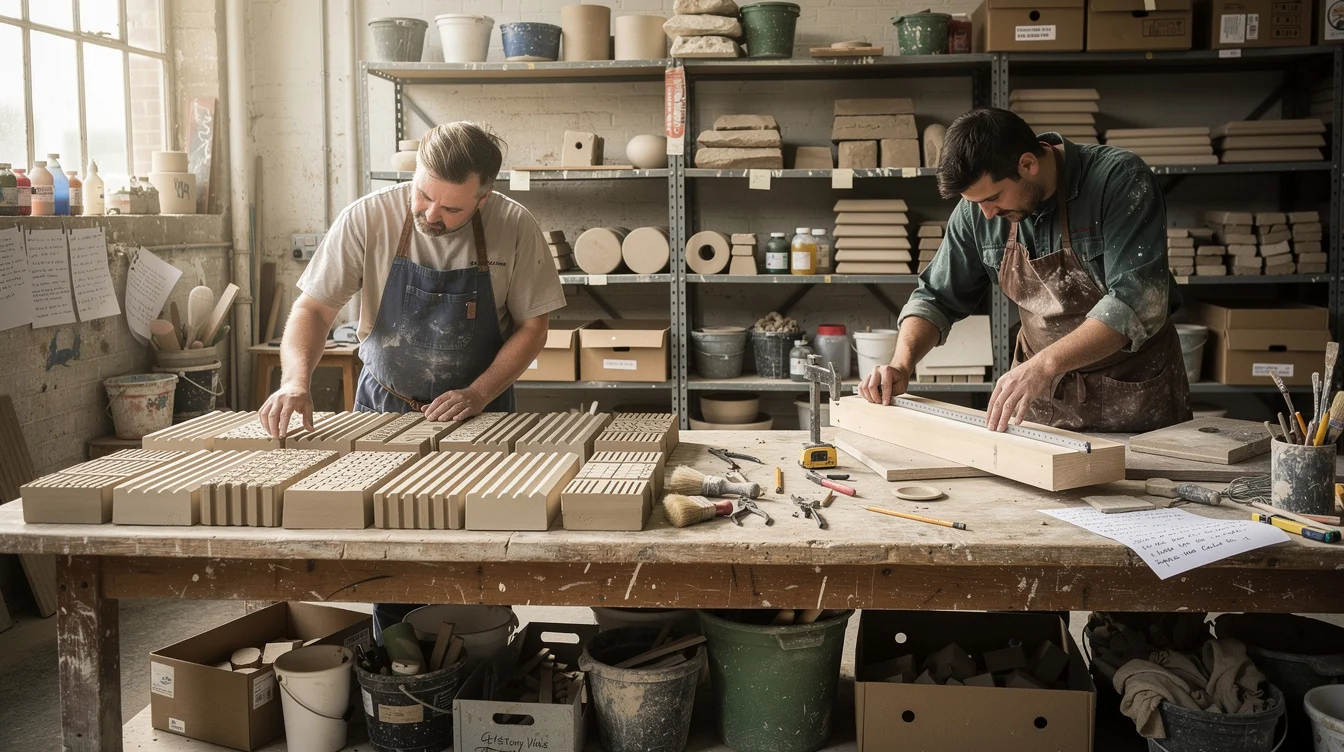
Bromley Hall is Grade II*-listed and considered one of London’s oldest houses. Neither fact makes it an obvious factory. Both make its proposed future a useful provocation. Conservation is not simply the defence of an image; it concerns significant fabric, spatial relationships, historical evidence and the conditions that allow those things to survive.
Work can support that survival. Regular occupation can bring maintenance, observation and revenue. A leaking gutter noticed by a daily occupant may receive attention before it becomes an expensive conservation emergency. Yet occupation is no automatic virtue: a careless workshop can damage a building just as effectively as an overambitious hospitality conversion.
Assemble has a relevant precedent in Liverpool’s Granby Four Streets and the associated Granby Workshop. There, architectural repair and making became connected through products including architectural ceramics. The lesson is not that craft magically regenerates neighbourhoods. It is that production can be part of an architectural project’s substance rather than a decorative story attached to its launch.
At Bromley Hall, the test will be whether making remains materially present. A creative workspace without affordable room for tools, stock and unfinished objects is often just an office with better branding. Heritage should not become the excuse for editing out everything that makes production productive.
A Long Lease Buys Time, Not Immunity
Twenty-five years is a serious departure from meanwhile-use culture. Temporary studios can animate vacant property, only to disappear when the activity they attract helps make redevelopment desirable. A longer horizon potentially lets an operator spread investment in services, repairs and shared equipment across decades instead of gambling on a short occupancy.
But a headline lease term is not an affordability policy. The supplied announcement does not establish the headlease’s rent-review formula, break provisions, repair liabilities or the terms of the purchase option. These are not peripheral legal details. They determine whether security survives contact with rising costs.
Nor does Assemble’s security automatically become an individual maker’s security. The stated ambition includes long-term rental agreements, but their duration, renewal rights and pricing will matter. A ceramicist deciding whether to invest in a kiln needs more than reassurance that the landlord’s landlord cannot immediately recover the site.
London’s community land trust movement offers a useful comparison: lasting affordability requires rules governing value, not simply benevolent intentions. The proposed purchase option could strengthen Assemble’s position, but its usefulness depends on price, timing and access to finance. Buying at an unaffordable future valuation would turn an apparent safeguard into a fundraising challenge. The project should be judged by its operating agreements as closely as its eventual architecture.
The Conservation Question Is Where the Machines Go
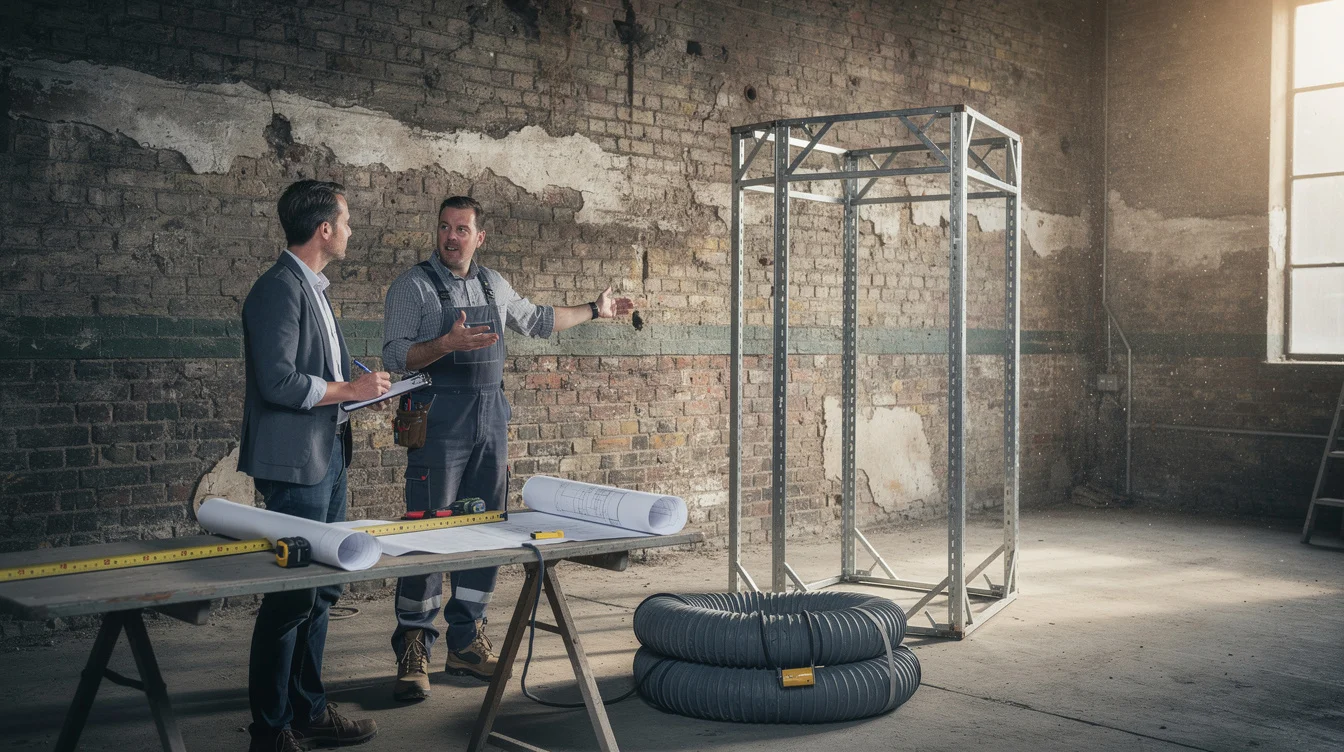
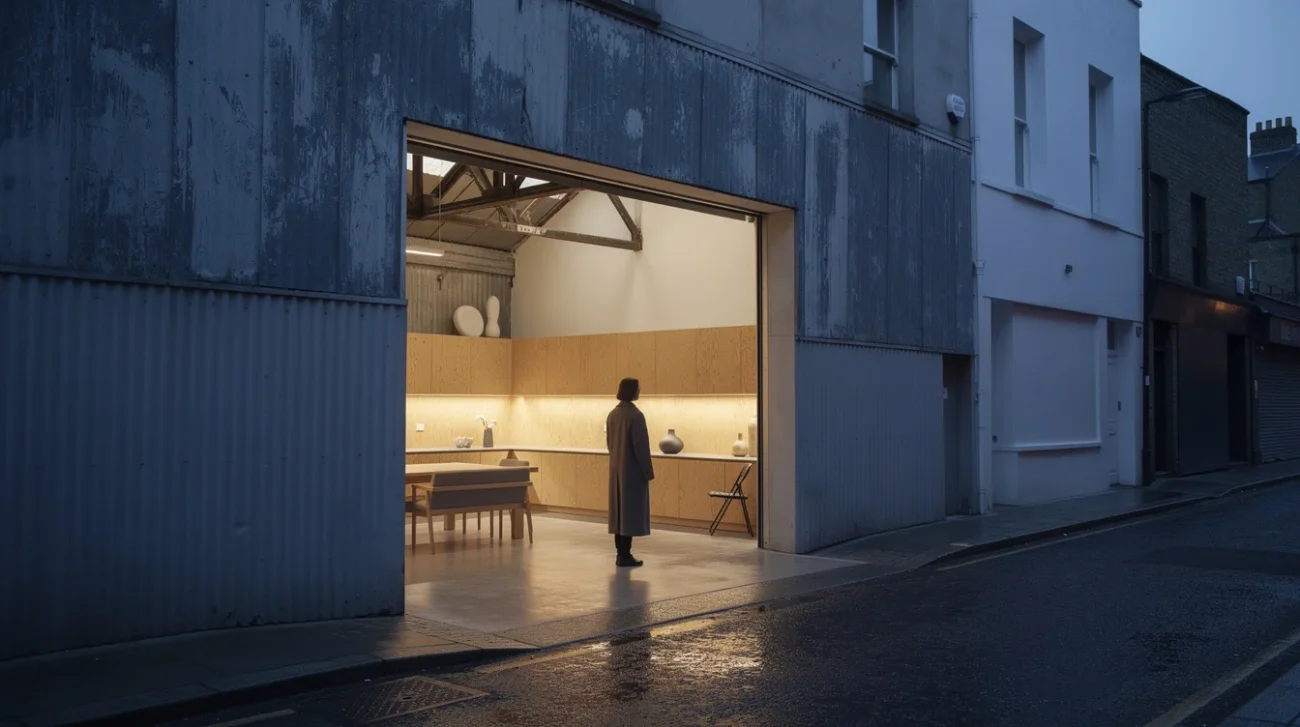
“Light industrial” sounds gentle until someone specifies the machinery. Joinery can mean dust extraction, noise and timber deliveries. Ceramics can require substantial electrical capacity, ventilation and careful management of materials. Even relatively quiet textile work needs storage, task lighting and dependable access. These are normal workplace requirements, not embarrassing complications to conceal from the conservation narrative.
Assemble’s Blackhorse Workshop in Walthamstow provides a relevant reference for shared making infrastructure: access to tools and practical facilities matters as much as the character of the room. Transferring that ambition to a protected Tudor building, however, demands a different technical and regulatory approach.
The three-building site suggests a possible strategy, not a confirmed allocation of uses. Higher-impact processes might sit in less sensitive areas, subject to structural capacity and the relevant approvals, while the manor accommodates quieter work, meetings or activities requiring lighter servicing. An element-by-element assessment must establish significance; neither the former library nor the container building should be treated as an unrestricted service zone by assumption.
Freestanding benches, carefully routed services and removable partitions could reduce intervention in historic fabric. But reversibility is not a magic word. Fixings, fire separation, vibration, moisture and escape routes still require scrutiny. In England, works affecting a listed building’s special architectural or historic interest require listed building consent. The productive future must be designed through that obligation, not advertised around it.
Restoration Must Not Become the Rent Surcharge
The hardest collision may be financial rather than aesthetic. Specialist repairs, access improvements, fire precautions and upgraded utilities cost money. If every pound is recovered through studio rents, the building could be beautifully conserved while the intended community is priced out. That would not resolve the contradiction between heritage and production. It would simply transfer the bill to makers.
A credible operating model should distinguish conservation expenditure from ordinary workspace costs and clarify who carries major repair risk. Grants, patient capital or cross-subsidy might help, but none should be presented as secured without evidence. Higher-paying uses could support lower-cost workshops; equally, they could gradually displace them. The difference lies in enforceable limits and transparent accounting.
There is a warning in the wider success of industrial reuse. Projects such as Tate Modern demonstrate how powerfully buildings associated with production can become destinations for cultural consumption. That transformation has public value, but it is not a substitute for places where things are still made. Bromley Hall proposes the reverse movement: a prestigious old house entering a working economy.
Its eventual performance should therefore be measured through tenant retention, usable workshop area, rent trajectories and access to shared facilities—not merely occupancy rates or sympathetic restoration photographs. A full building can still fail its founding purpose if only the most profitable tenants remain.
The Real Experiment Is Institutional
Assemble, founded in 2010, has built its practice around the relationship between design, construction and collective activity. Bromley Hall pushes that relationship into a more demanding arena: stewardship of a highly protected historic asset across a substantial period. The architecture will matter, but institutional design may matter more.
Useful commitments would include publishing allocation criteria, explaining how rents are reviewed and giving tenants a meaningful route to raise operational concerns. Workspace also depends on mundane provisions: loading arrangements, waste handling, working hours and maintenance responsibilities. If these remain unresolved, the celebrated maker may discover that the building welcomes creativity but objects to its delivery van.
Public benefit need not mean turning every workshop into a spectacle. Open days, paid training or partnerships with local organisations could make the site accessible without demanding that tenants constantly perform their labour for visitors. A workplace deserves some privacy precisely because it is not an exhibition.
Bromley Hall’s promise is not that Tudor architecture can effortlessly absorb contemporary industry. It is that conservation and productive occupation might discipline each other: the building constraining careless intervention, the work resisting sterile preservation. The trigger is clear. Stop asking only whether makers are suitable occupants for heritage, and start asking what arrangements would let them stay.
FAQ
What is planned for the Bromley Hall workspace?
Assemble plans to turn a three-building site comprising Bromley Hall, the Old Poplar Library and the RedBox container building into creative and light-industrial workspace. The announced addition is 14,000 square feet, with a long-term ambition to double that area.
Does the 25-year lease guarantee affordable studios?
No. It provides a longer operating horizon, but tenant affordability depends on headlease costs, rent reviews, repair obligations and individual rental agreements. The option to buy may offer further security, depending on its terms and available finance.
Can a Grade II*-listed building accommodate workshops?
Potentially, provided the uses and alterations are compatible with its significance and physical capacity. Works affecting its special architectural or historic interest require listed building consent. Machinery, servicing, fire safety and access must be assessed rather than assumed feasible.
How should the project’s success be measured?
Alongside conservation quality, assess rent levels, tenant retention, genuinely usable production space and the practicality of everyday operations. Long-term success means makers can afford to remain and work effectively, not simply that the restored buildings are occupied.
If we accept luxury consumption as a viable future for historic buildings, what would it take to give ordinary productive work the same presumption of belonging?
Watch the Mainifesto Short
Get the Mainifesto weekly — curated design debates, speculative ideas and the week's best articles every Saturday.
Editorial Perspectives
Questions and counterpoints developed by the Mainifesto editorial desk to extend the discussion.
Perspective 1
A 25-year lease gives Assemble time, but what security does it give the makers renting from them? Without limits on rent increases and clear renewal rights, productive work could do the familiar job of making a place desirable before being priced out.
Perspective 2
We seem quite relaxed about turning old buildings into luxury scenery, then discover our conservation scruples when someone proposes a workshop. Ruskin’s concern for the life of buildings deserves better than this, though invoking makers is no excuse to shrug off damage to Tudor fabric.
Perspective 3
I’d want to see how the proposal handles vibration, extraction and fire separation without cutting up fragile fabric. Could reversible service systems make workshops viable here—and could makers help decide what gets protected and how the building is used?
Perspective 4
Twenty-five years is useful runway, but affordable rent still has to cover maintenance, insurance and the occasional horrible discovery behind a wall. Show me who funds the major repairs and whether materials can get in and out without a conservation drama; that’s what will make this a working building rather than a worthy address.