
Can a Welcoming Police Station Change Power?
Can a Welcoming Police Station Change the Experience of Power?
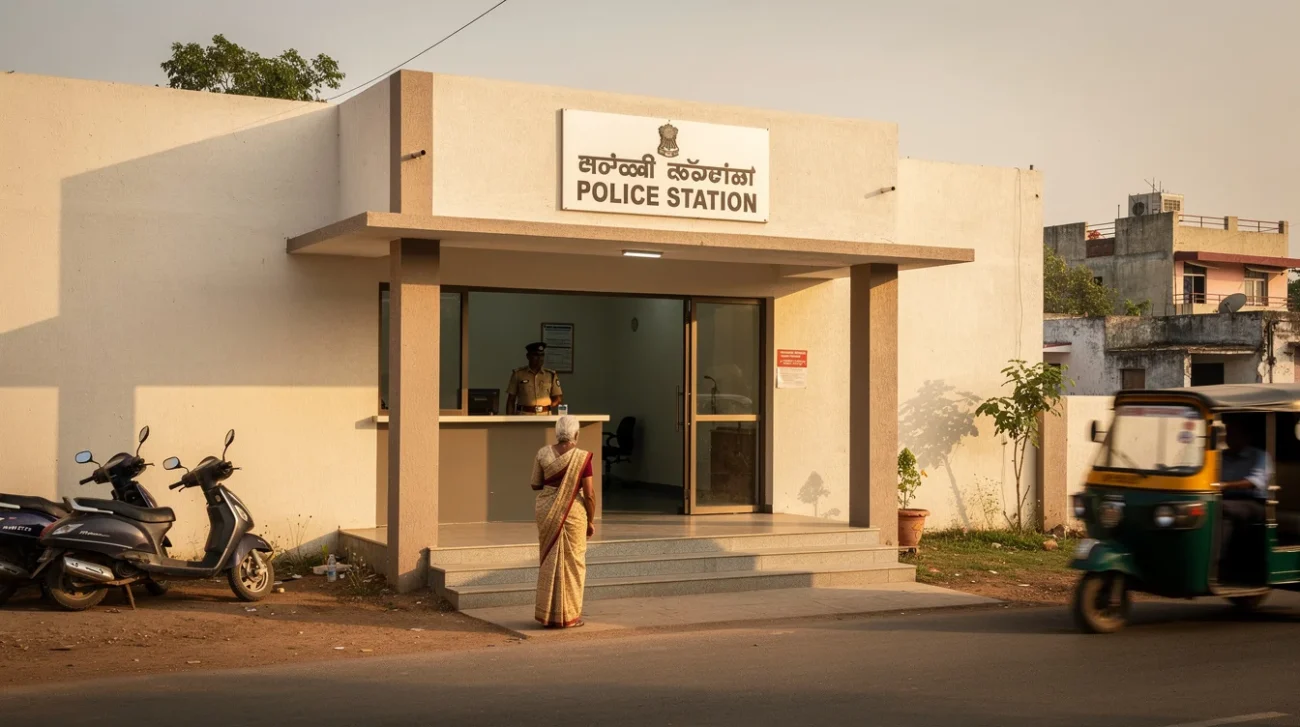
“Build us a Police Station that people don’t find intimidating.” The Additional Commissioner’s brief to STUDIO MOTLEY, quoted in ArchDaily’s account of its Devanahalli project, asks architecture to intervene in an unusually charged relationship. In this town on Bangalore’s outskirts, with a history spanning more than 500 years, the police station becomes a test of what public architecture can honestly promise.
The ambition deserves attention, but not automatic applause. A police station receives people seeking protection while also exercising powers of questioning, detention and arrest. Its visitors do not arrive with equal freedom to leave. The architectural challenge is therefore not simply to make authority look friendly. It is to reduce avoidable humiliation without disguising the authority that remains. The source establishes the project’s brief and setting; it does not establish measured outcomes for visitors. What follows evaluates that ambition, rather than treating its success as proven.
PRO: A Less Punishing Threshold Is a Real Public Benefit
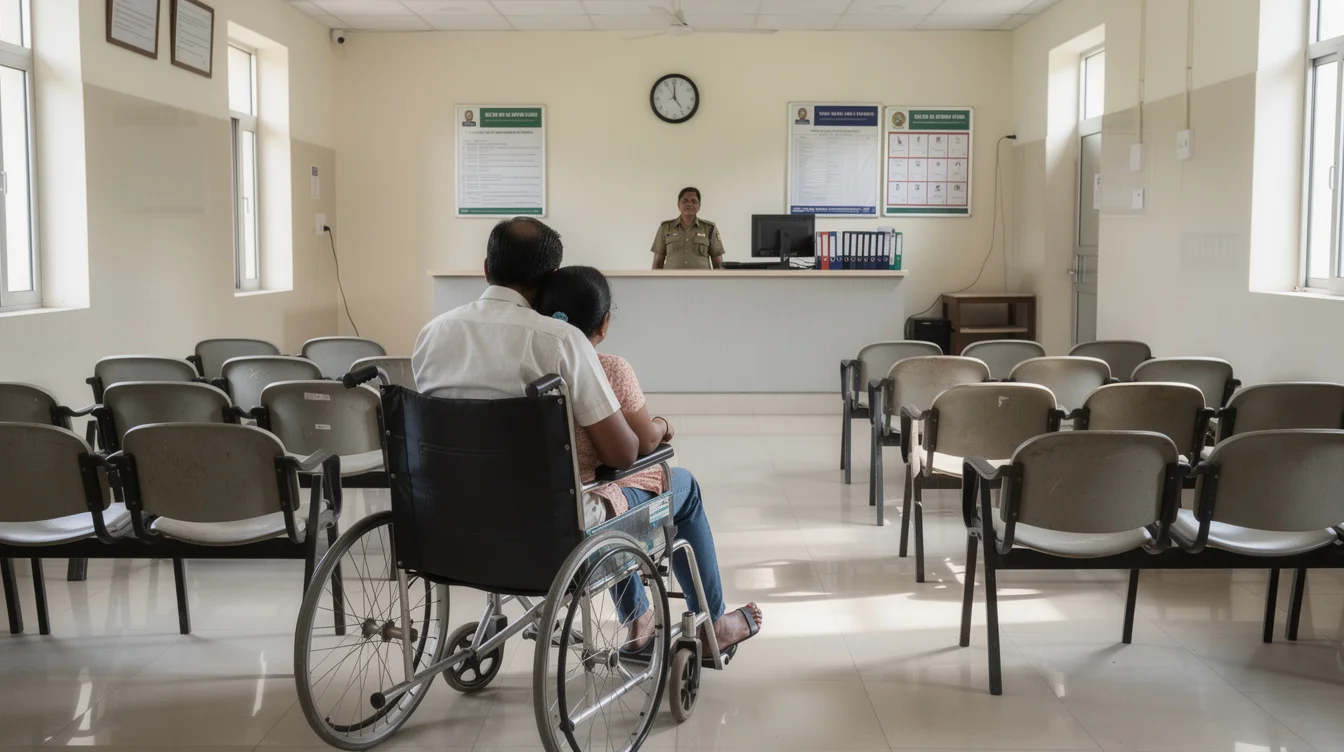
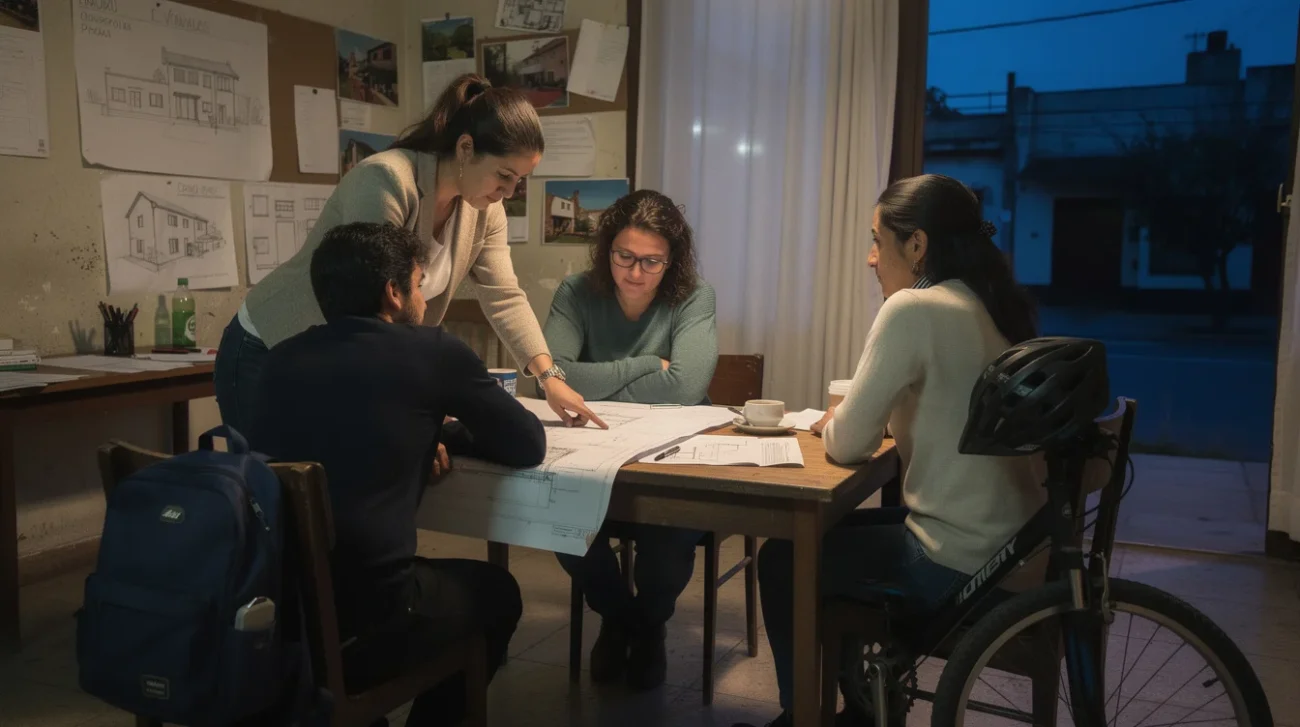
Architecture cannot guarantee a fair hearing, but it can make asking for one less exhausting. Imagine arriving to report a missing relative: the entrance is unclear, the only waiting area is exposed to afternoon heat, and finding the correct desk requires interrupting an officer. Each obstacle is small enough to escape official scrutiny. Together, they make access dependent on confidence, physical stamina and familiarity with institutional routines. As in debates over who has time to participate in democratic housing, formal access means little if using it demands resources people do not have.
A welcoming police station can remove those obstacles through shaded waiting, a clearly identifiable reception point, step-free routes and seating that accommodates older people and accompanying children. In Devanahalli, information in Kannada and other languages used locally should be developed around actual visitor needs, not a graphic designer’s preference for visual restraint. These are criteria for evaluating the brief, not claims about features documented in the supplied project account.
Healthcare offers a useful precedent. At Paimio Sanatorium, Alvar Aalto treated the patient’s bodily experience as an architectural concern, attending to details beyond the building’s public image. The relevant lesson is not to import a therapeutic aesthetic into policing. It is to design from the position of someone tired, anxious or physically vulnerable.
Reducing intimidation is meaningful when it reduces the effort required to exercise a right. A shaded seat does not reform policing. For someone waiting hours in distress, however, it is not merely decorative either.
PRO: Privacy and Legibility Can Give Dignity Practical Form
The stronger case for welcome begins where the attractive entrance ends. Someone reporting domestic violence should not have to describe abuse within earshot of a crowded queue. A witness should not casually cross paths with the person they fear. A wheelchair user should reach the same reception service as everyone else, rather than depend on an improvised alternative at a secondary entrance.
These needs translate into acoustic separation, confidential interview rooms, accessible toilets and carefully managed circulation. Privacy must also coexist with staff safety and safeguards against abuse: a private interview should not become an encounter beyond appropriate oversight. The precise arrangement requires operational planning, not a universal floor-plan formula.
Rogers Stirk Harbour + Partners’ Maggie’s Centre at Charing Cross Hospital in London offers a relevant, limited comparison. Its domestic scale and differentiated spaces support both company and retreat. A police station serves fundamentally different purposes, but it can learn from that refusal to make every encounter happen in one undifferentiated institutional room.
Spatial legibility matters just as much. Visitors should understand where they may go, where they must wait and how to request assistance without repeatedly seeking permission. Clear distinctions between public and secure areas can reduce unnecessary confrontations. Here, architecture is not replacing procedure; it is making a decent procedure easier to carry out. The test is concrete: can a person ask for help, speak confidentially and understand the next step?
CONTRA: An Approachable Image Can Become Institutional Camouflage
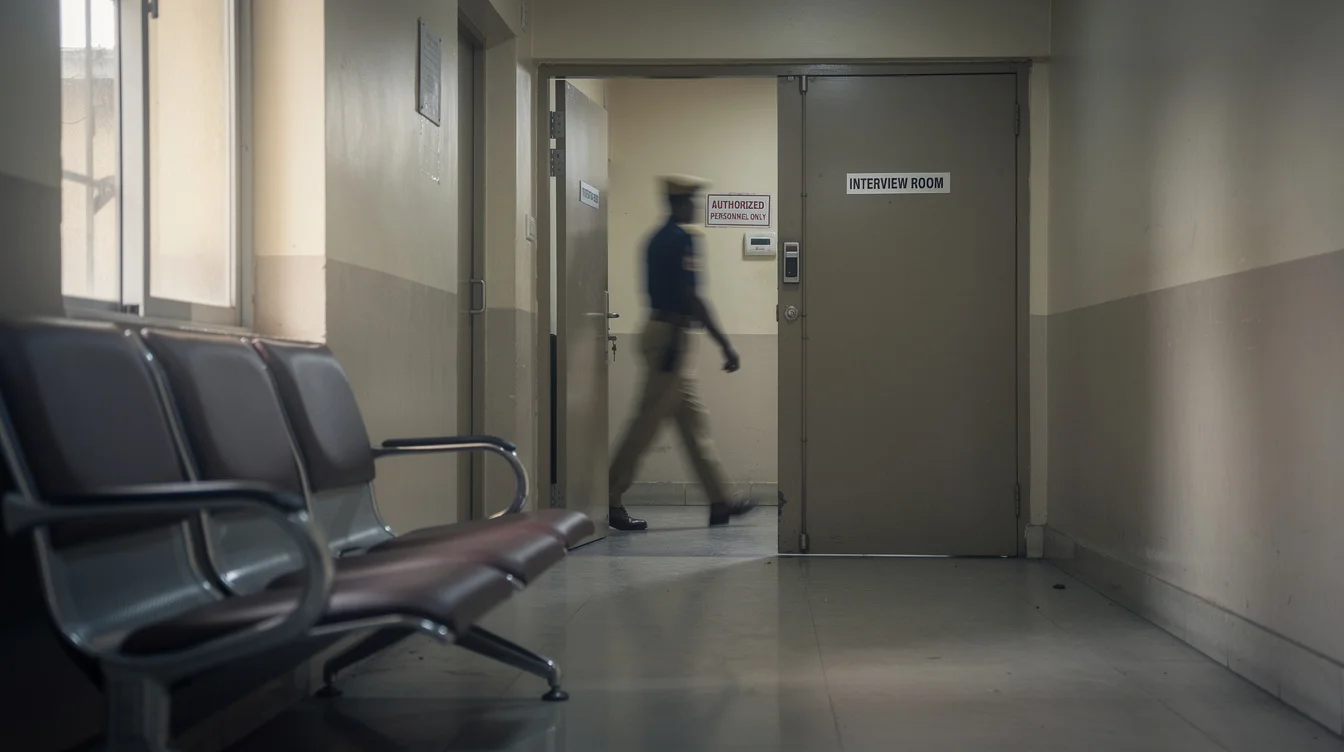
The danger begins when a building’s atmosphere is offered as evidence of the institution’s character. Daylight does not establish accountability. A low reception counter does not ensure a complaint will be registered. A welcoming entrance cannot tell a visitor whether questioning will be lawful or whether discrimination will shape the response. Architectural photographs are particularly effective at collapsing these distinctions: the institution appears open because its lobby looks open.
Jeremy Bentham’s Panopticon proposal, later central to Michel Foucault’s account of disciplinary power, remains a useful warning about equating visibility with freedom. What matters is not simply how much can be seen, but who can observe whom and with what consequences. Extensive glazing might help visitors orient themselves while simultaneously exposing distressed complainants to public view. The tension echoes questions about identity and control in retail architecture: an inviting setting does not necessarily give its users greater agency.
Nor should warmth become a demand that people trust more readily. Someone whose previous encounters with police involved mistreatment may be entirely rational in remaining wary. Treating that wariness as an image problem relocates responsibility from institutional conduct to the visitor’s perception.
A non-intimidating police station should make rights easier to exercise, not coercive authority harder to recognise. Its public information must explain procedures and routes of complaint as clearly as its entrance signals welcome. Otherwise, architecture risks becoming a sophisticated invitation to lower one’s guard without receiving stronger protections in return.
CONTRA: The Floor Plan Cannot Deliver the Reform It Advertises
Even excellent spatial provisions depend on staffing, budgets and rules. A confidential interview room can become storage. An accessible entrance can be blocked by parked vehicles. A public waiting area can remain comfortable while detainee facilities receive little scrutiny. Without management commitments, the humane plan becomes an arrangement of possibilities rather than a reliable service.
Compare the Oslo Opera House by Snøhetta, where the publicly accessible roof makes a strong civic proposition physically tangible. People can walk on a surface that monumental cultural buildings typically reserve for distant admiration. The analogy also reveals policing’s limit: public access to a roof is a relatively direct architectural offer; fair treatment during questioning is not. It depends on legal protections, institutional practice and enforceable accountability.
For Devanahalli, the serious follow-up would be an independent post-occupancy evaluation rather than another round of celebratory imagery. Do visitors know where to go? Can sensitive conversations be overheard? Are accessible routes consistently usable? Do staff have the resources to keep private rooms available? Feedback should include complainants, accompanying relatives, disabled visitors, lawyers and people who have been detained, with safeguards against identification or retaliation.
Architects should also state what their commission cannot establish: lawful decisions, adequate legal assistance, effective complaints investigations or freedom from discrimination. The brief is worth pursuing precisely because dignity matters—but welcome must be tested as a service, not accepted as a style. A better building is an obligation, not an institutional alibi.
FAQ
What makes a police station genuinely welcoming?
Clear access, understandable information, comfortable waiting, confidential conversations and respectful assistance matter more than a friendly aesthetic. Welcome becomes credible when these provisions work consistently for people with different languages, disabilities and reasons for visiting.
Can architecture reduce intimidation without weakening security?
Yes. Legible public routes, controlled transitions to secure areas and appropriately separated interview spaces can support both access and safety. Security requirements should be assessed specifically rather than used to justify blanket hostility toward every visitor.
Does STUDIO MOTLEY’s brief prove that the Devanahalli station changed policing?
No. The supplied source establishes the ambition to create a non-intimidating station, not evidence of changed police conduct or visitor outcomes. Those claims would require operational data, independent evaluation and testimony gathered without pressure.
How can designers avoid substituting appearance for institutional reform?
They can connect design decisions to explicit service standards, protect confidential communication, plan for maintenance and advocate for post-occupancy assessment. They should distinguish architectural achievements from institutional claims that a building alone cannot substantiate.
When a police station looks welcoming, what evidence should we demand before calling the power exercised inside it more humane?
Get the Mainifesto weekly — curated design debates, speculative ideas and the week's best articles every Saturday.
Editorial Perspectives
Questions and counterpoints developed by the Mainifesto editorial desk to extend the discussion.
Perspective 1
I’m for making police stations welcoming: clear sightlines, legible routes and private reporting spaces can give people more control in a frightening encounter. But can we test whether those spatial choices actually reduce exposure and intimidation, especially for people arriving without a lawyer or an influential contact?
Perspective 2
I don’t buy a welcoming station as evidence of more humane policing; hospitality knows how easily a good arrival experience can conceal a bad operation. Show me fewer refused complaints, shorter waits and less reported intimidation—or that design spend is buying reputation, not better service.
Perspective 3
Start with a baseline, then compare complaint registration, access to counsel and reports of mistreatment before and after occupation. Separate the findings by gender, caste and disability: an average improvement can hide exactly the people a public building is failing.
Perspective 4
I’d want to see what still works after two monsoons and a maintenance budget cut: toilets, ventilation, private interview rooms and somewhere decent to wait. Those are worthwhile investments, but proving more humane policing takes independent evidence about how people are treated, not a building inspection.
Perspective 5
A softer architectural language doesn’t erase what a police station may mean to families who have feared it for generations. Ask those residents whether they can enter, make a complaint and leave without retaliation; their experience matters more than whether the building now looks at home in a design magazine.