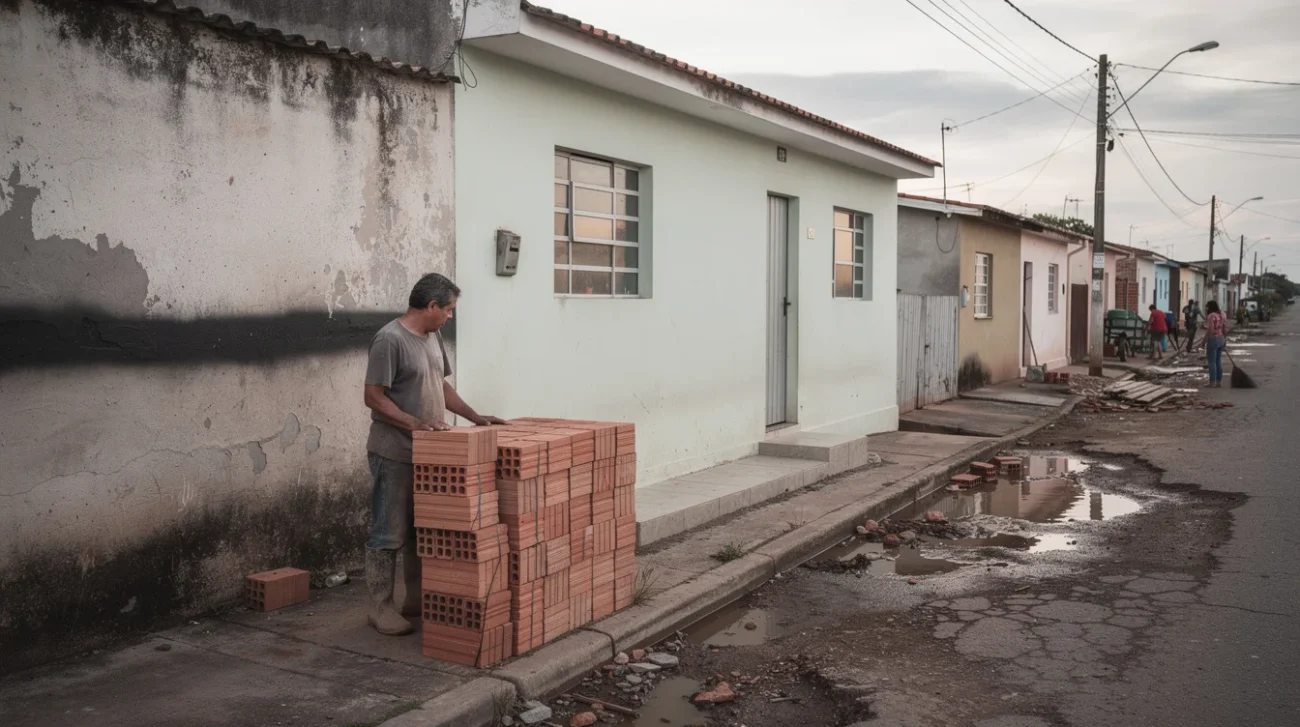
After the Rio Grande do Sul floods, rebuilding can protect communities—or restore their vulnerability. Who should decide when to stay and when to move?


After the Rio Grande do Sul floods, rebuilding can protect communities—or restore their vulnerability. Who should decide when to stay and when to move?

ecoLogicStudio’s living systems challenge sterile interiors. What evidence, containment and maintenance make microbial architecture worth trusting?

Aedas’s new Shenzhen–Hong Kong gateway raises a harder design question: can border architecture value dignity as much as speed?
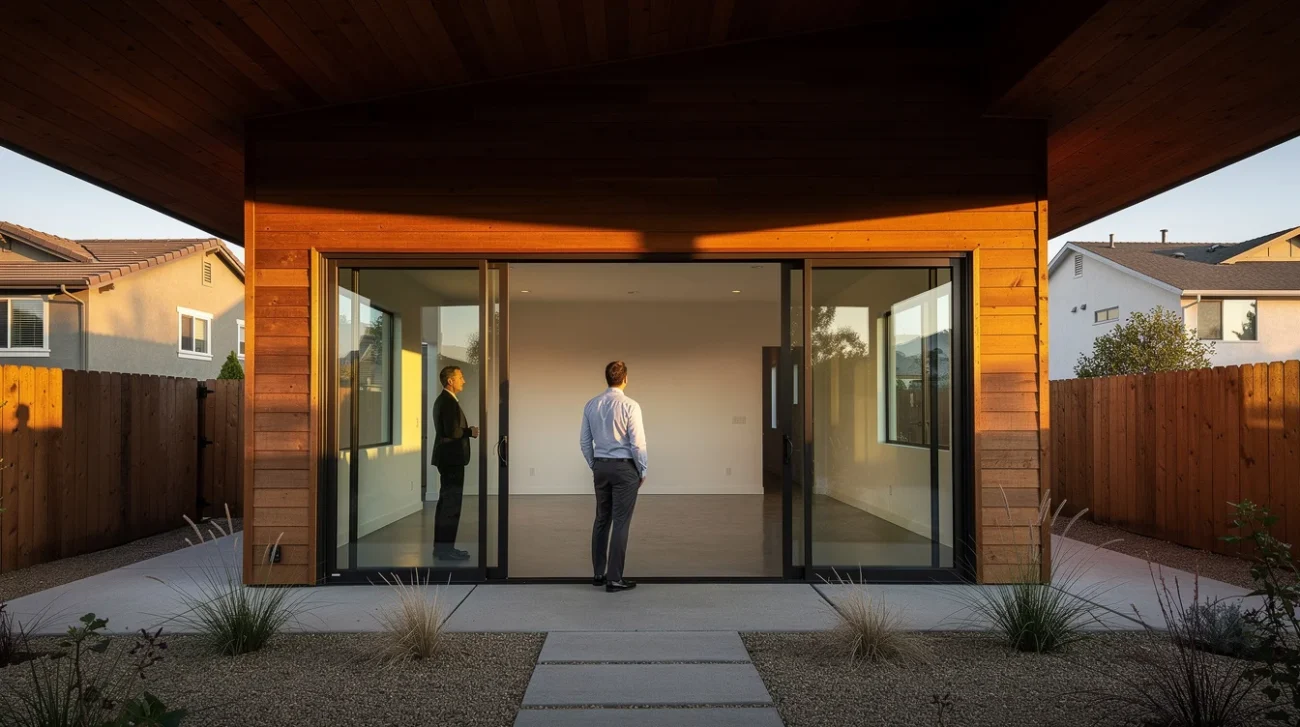
Design-led speculative houses promise an escape from blandness. But which architectural choices support real life, and which merely sell the listing?
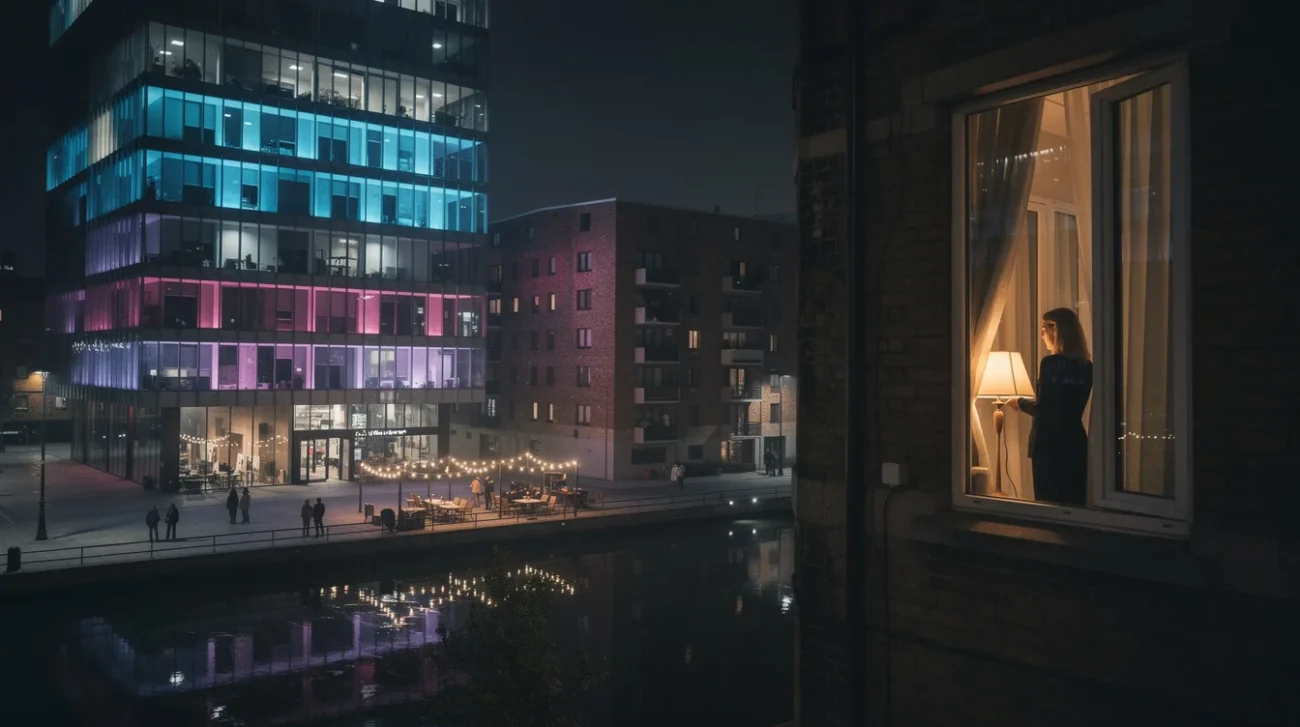
Architectural lighting promises nightlife and civic identity. But who sets the limits when businesses gain visibility and residents inherit the glare?
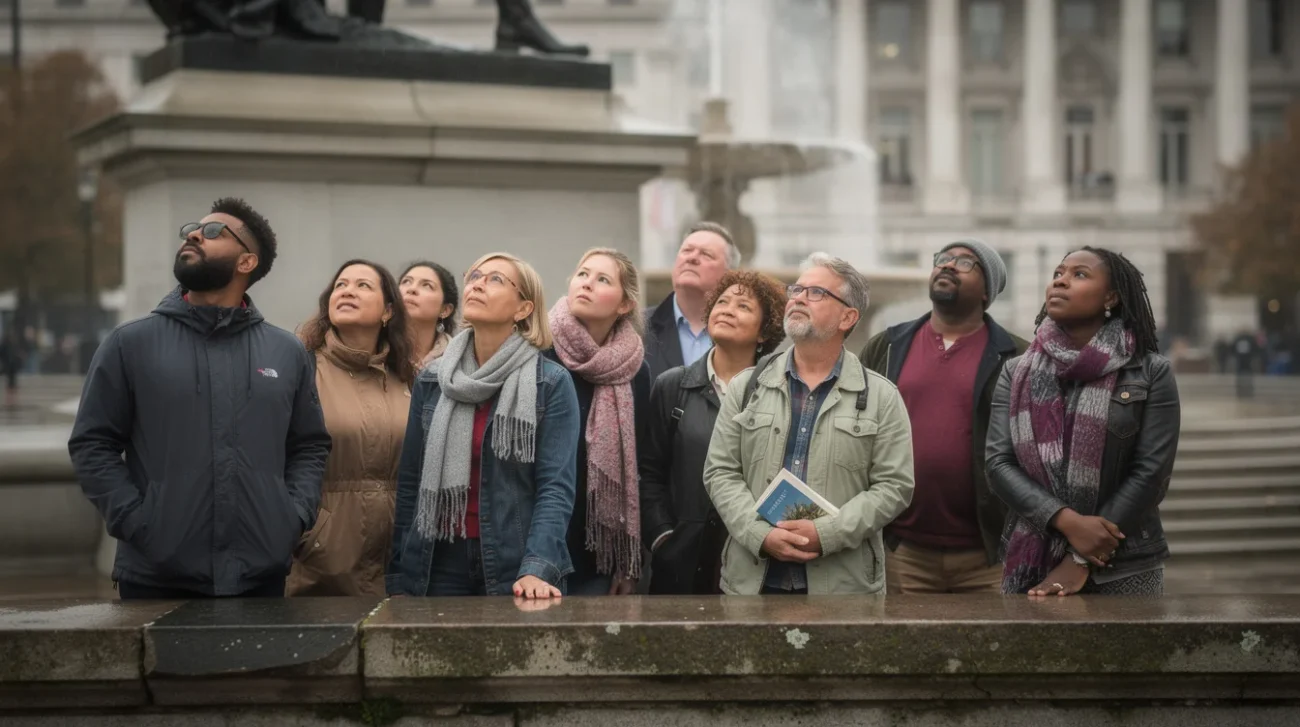
Tschabalala Self’s Lady in Blue tests whether Trafalgar Square’s architectural coherence protects public space—or polices who belongs.
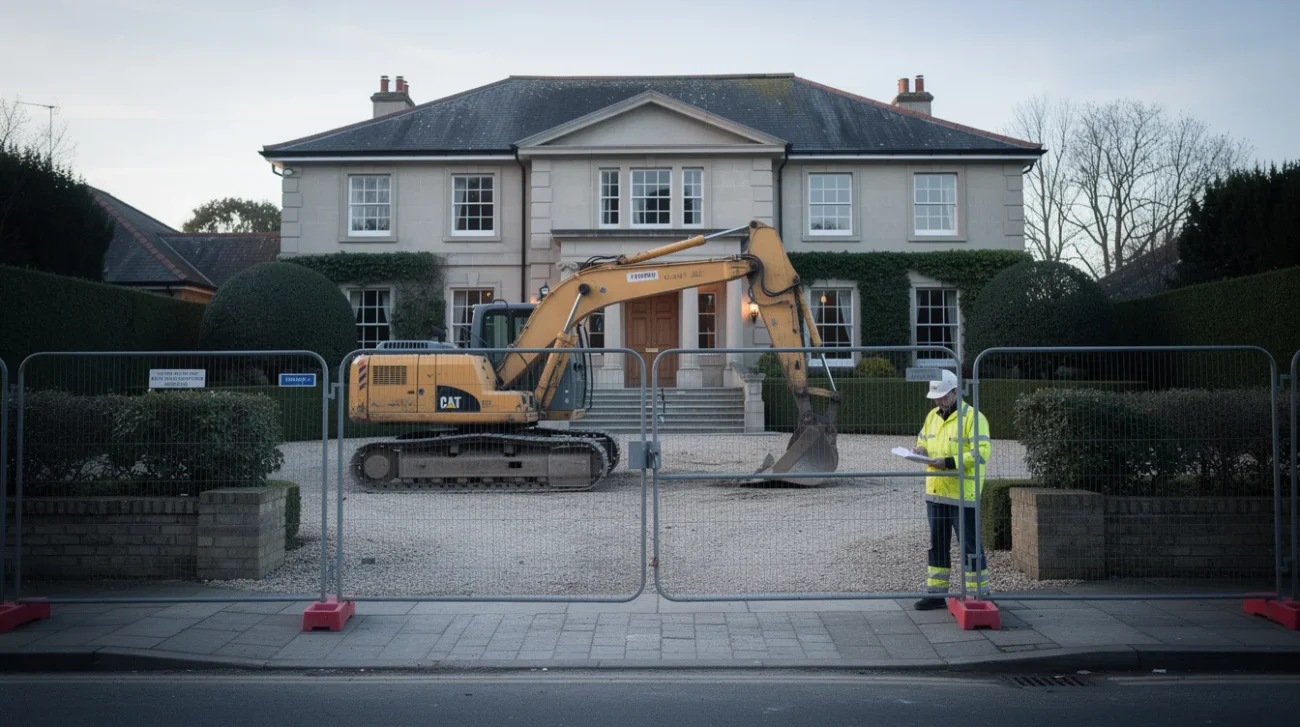
When wealthy owners raze usable homes, who pays the carbon bill? Two arguments on demolition rights, adaptation, and architects’ responsibility.
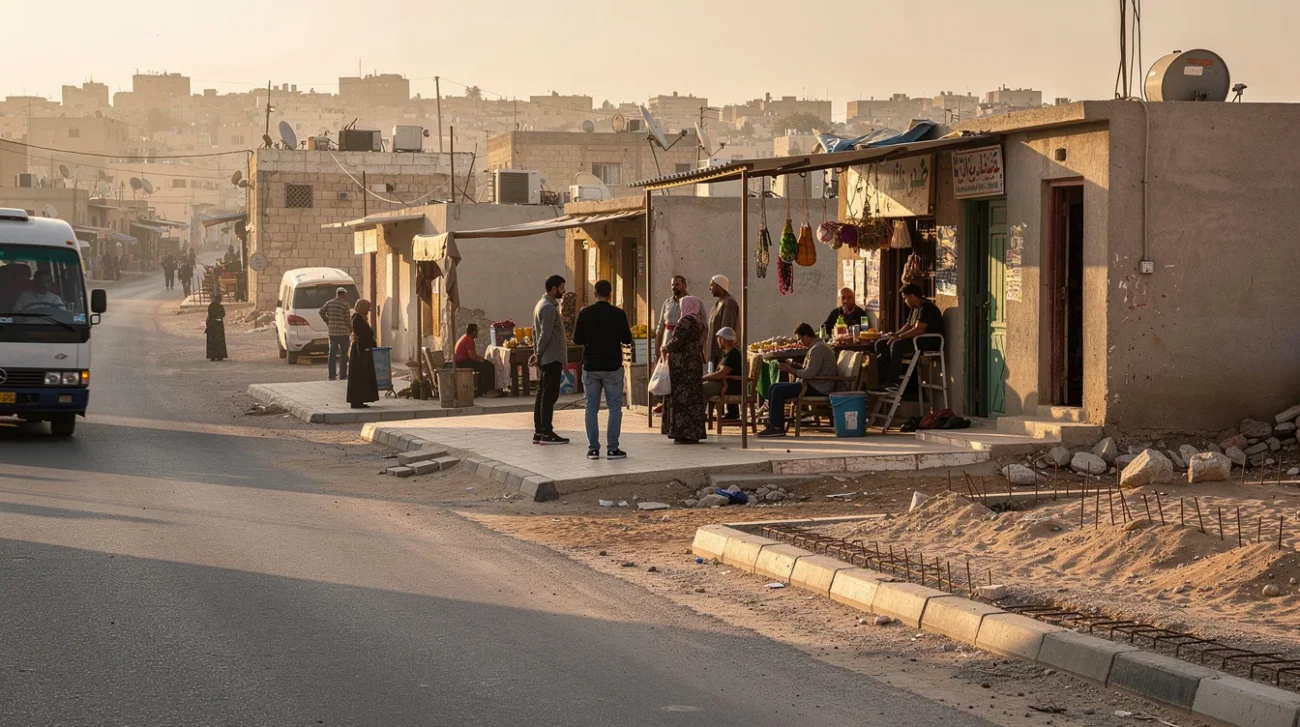
BIG’s Refugee Cities proposal tests a crucial distinction: durable homes can support freedom, but separate settlements can make exclusion permanent.
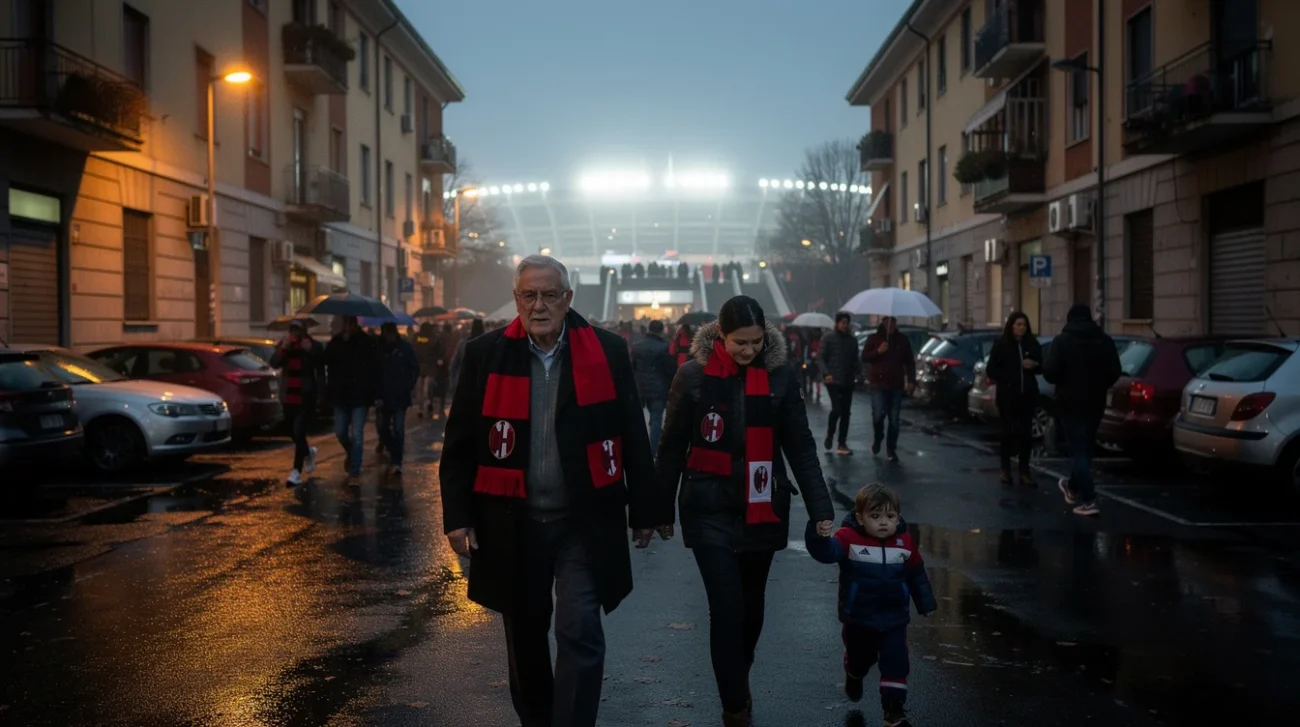
Foster + Partners and Manica’s San Siro replacement promises renewal. Will ordinary fans share the benefits—or subsidise a premium football experience?
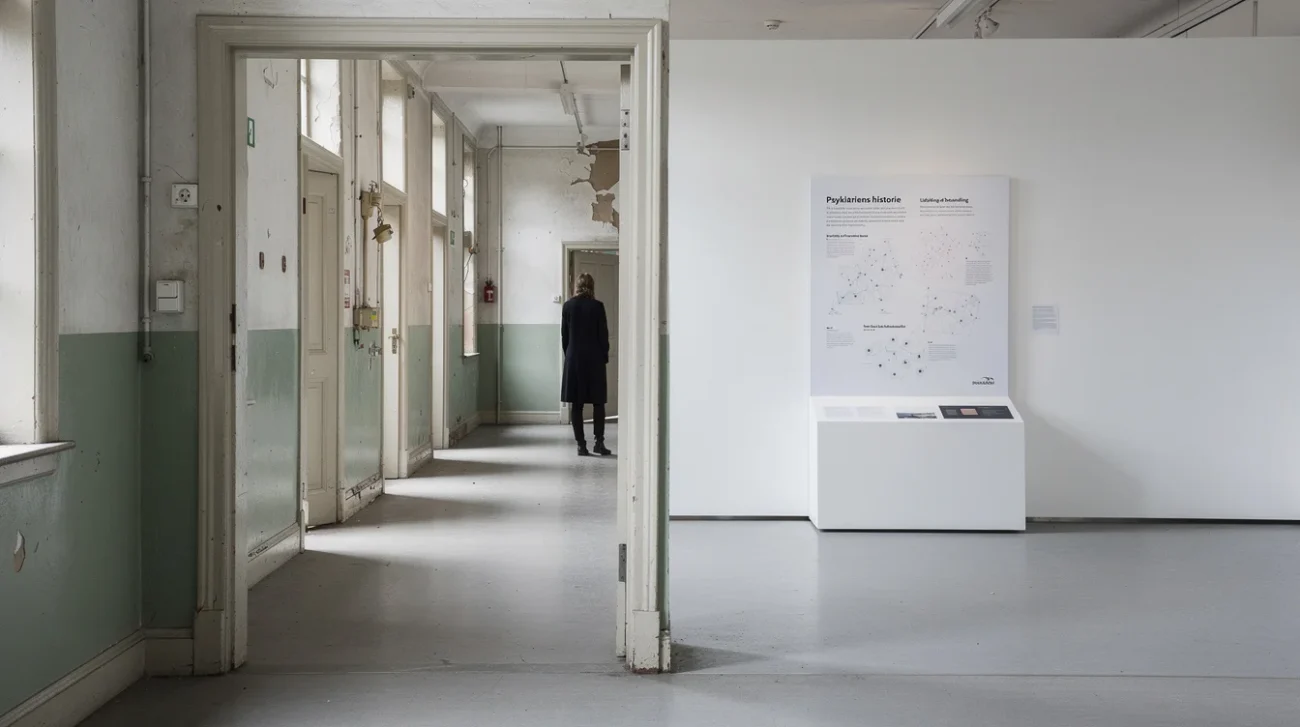
Denmark’s MIND Museum raises a difficult architectural question: can preserving psychiatric history make room for patients to challenge its official story?