Francesc Gasch
Founder & Editor, Mainifesto
Founder and Editor of Mainifesto. Barcelona-based designer writing about architecture, design, technology and culture, with responsibility for the publication’s editorial direction and standards.



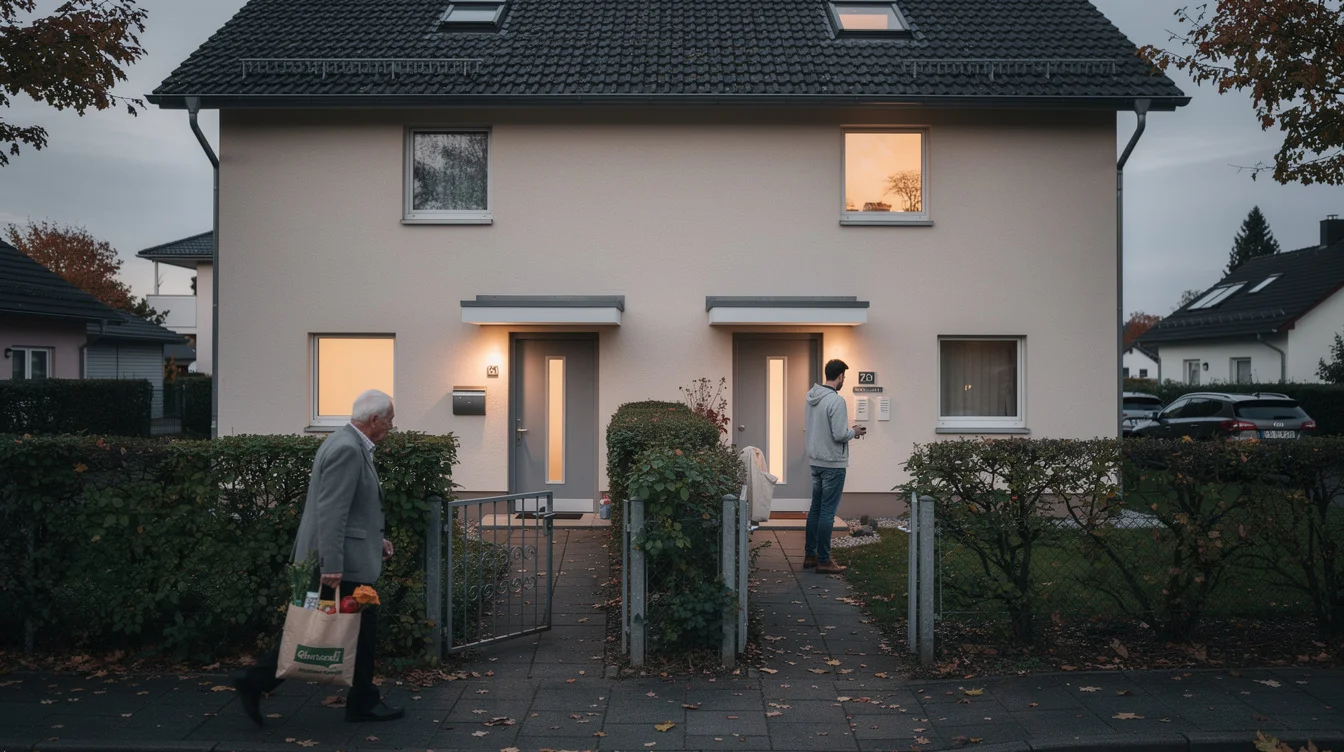
Bruna studio’s German house conversion challenges housing scarcity: can subdivision create homes without sacrificing privacy or hiding renovation costs?
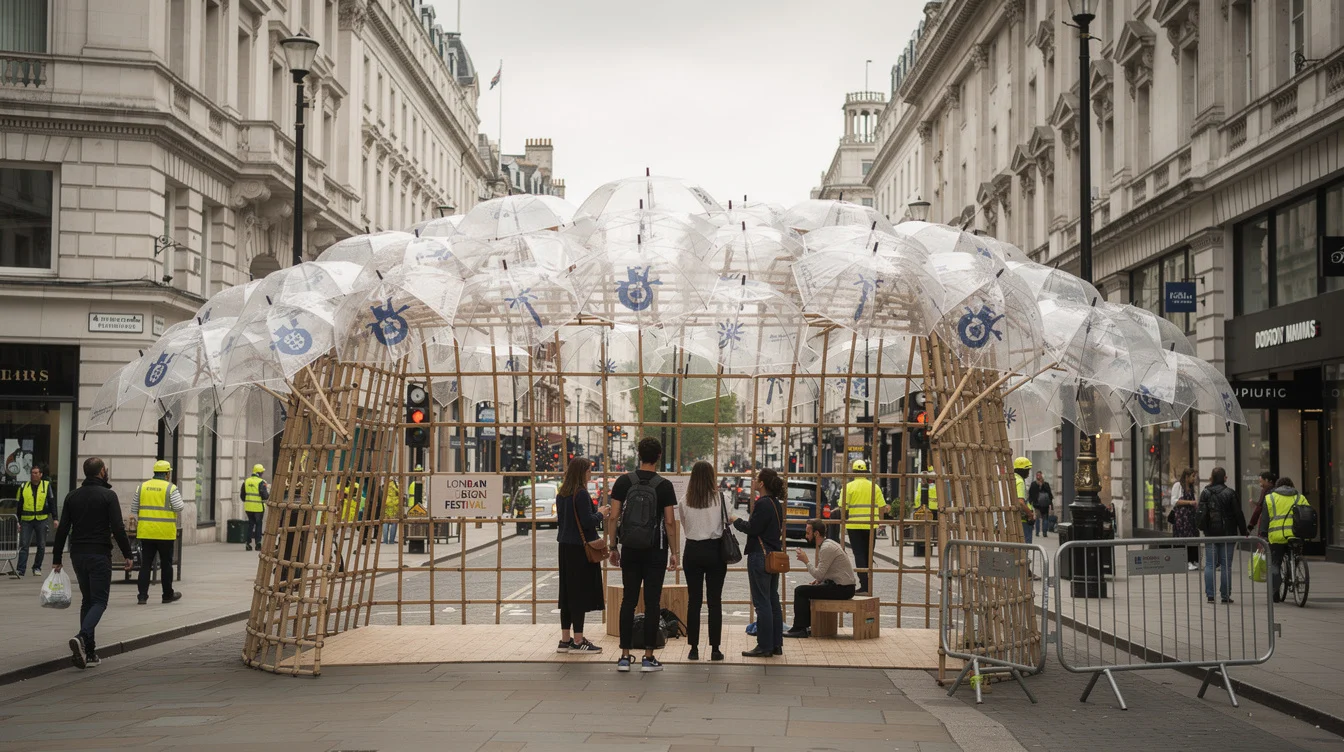
Studio Saar’s Pangolin Shield at London Design Festival asks whether shelter can confront colonial power—or simply make it more photogenic.
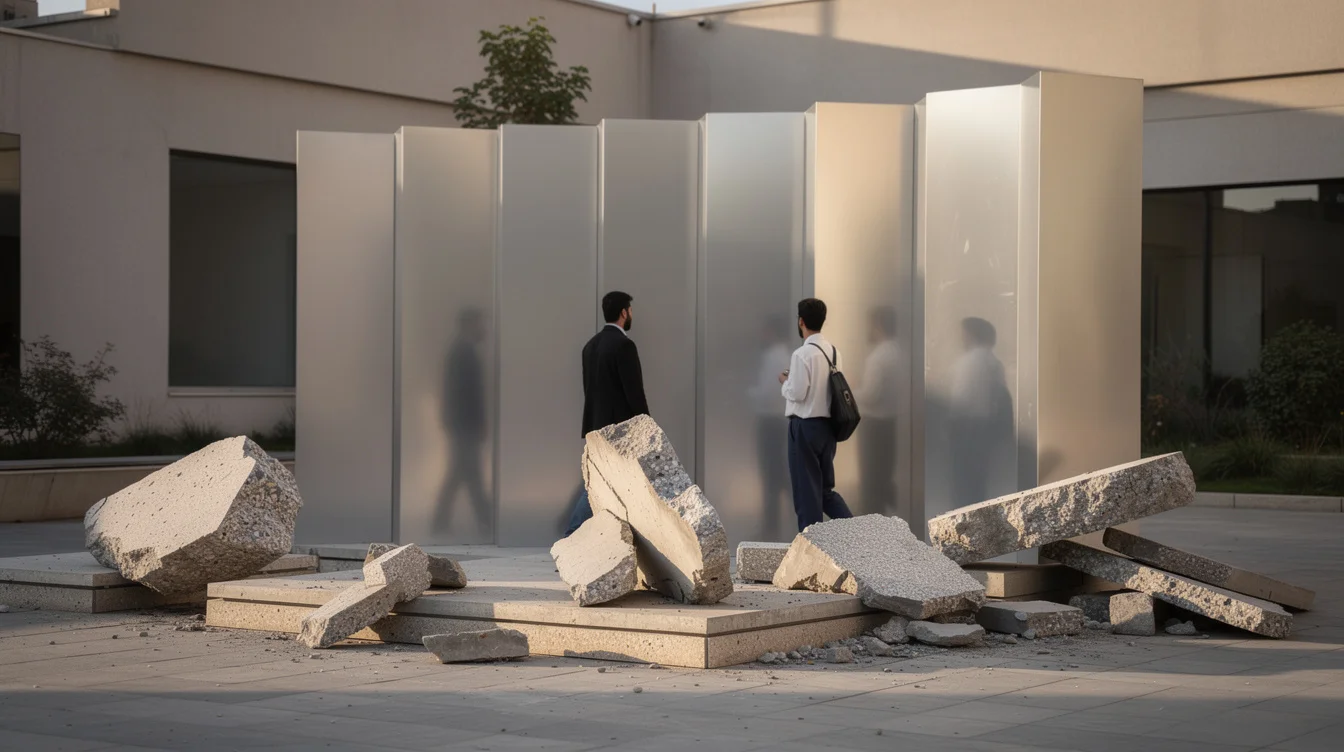
Tehran’s Debris Pavilion makes demolition waste spectacular. But what does recycled architecture save once processing, transport and disassembly count?
Superstudio’s 1971 ideal cities expose the smart-city dilemma: can infrastructure become more efficient without taking control away from residents?
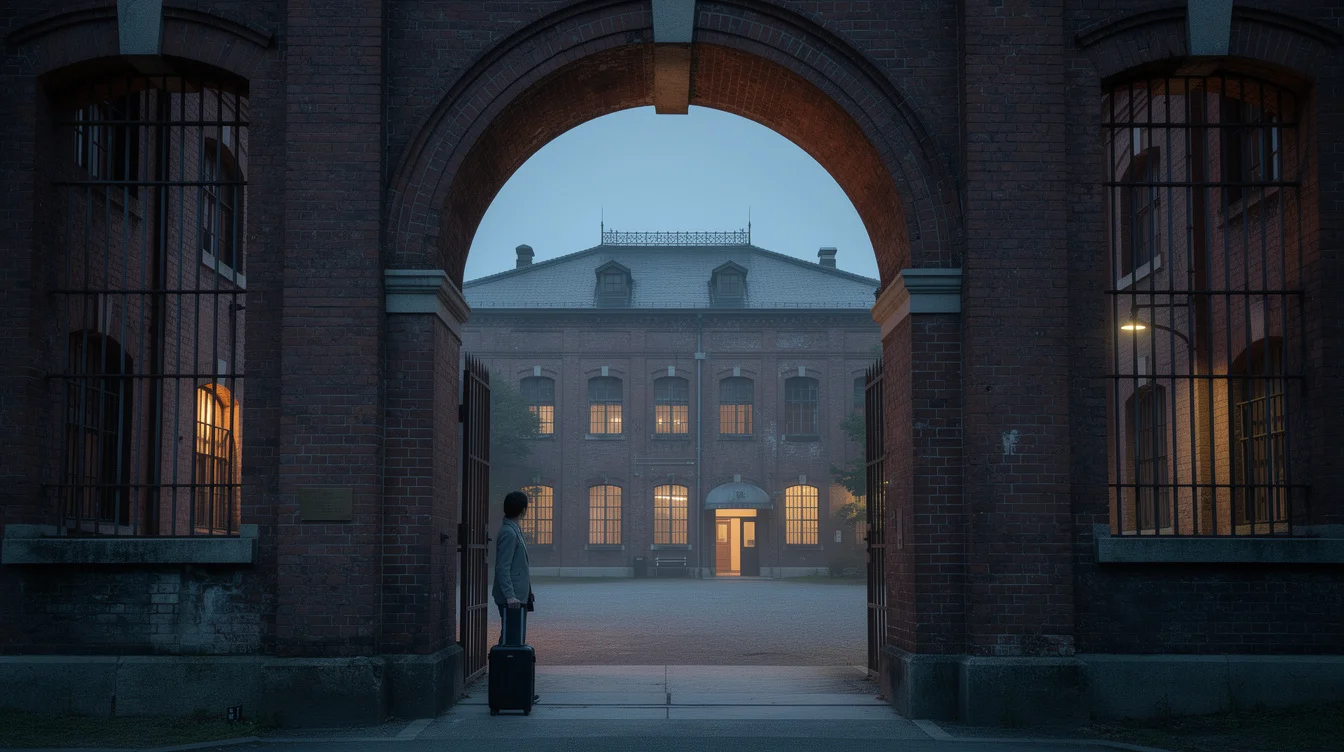
Hoshinoya Nara turns a Meiji-era prison into 48 luxury suites. Are preserved cells enough, or must hospitality make room for institutional memory?
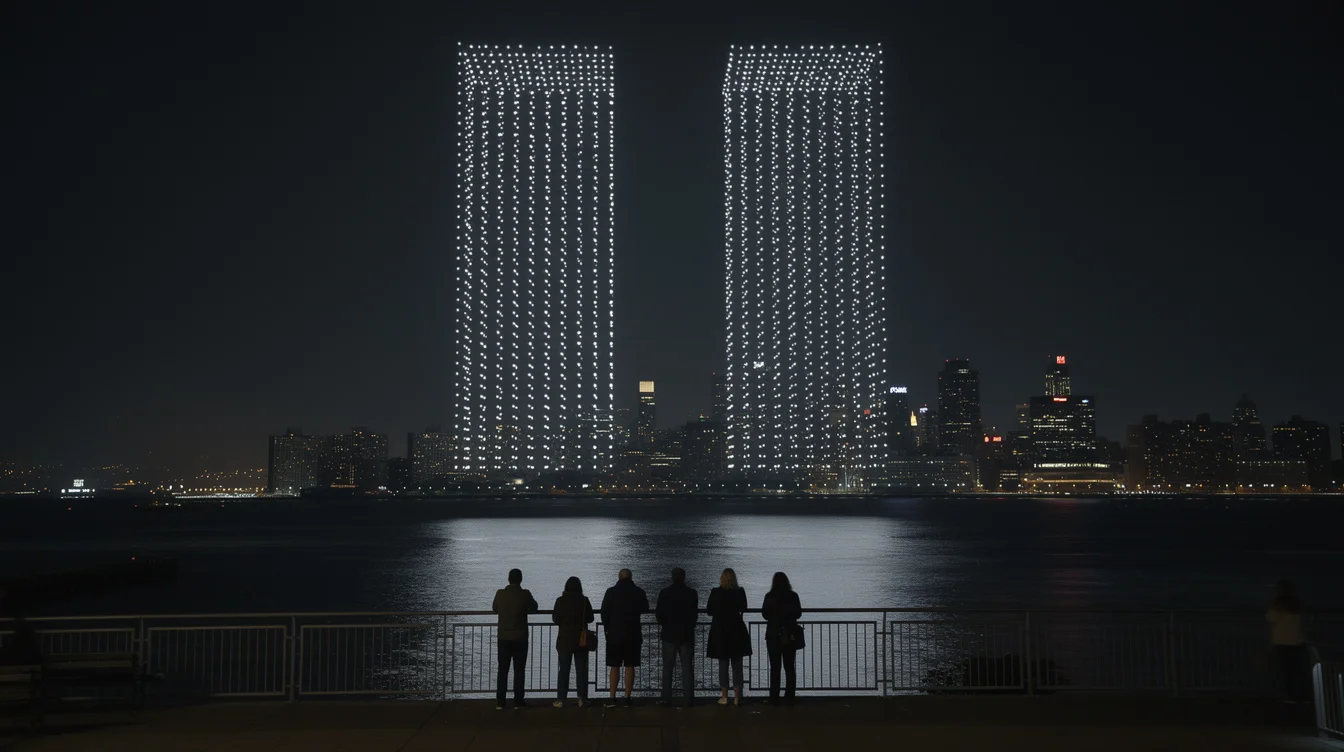
Drift and Shigeru Ban’s illuminated towers pose a hard question: can a drone memorial honour individual lives without turning grief into spectacle?
A £900-per-square-metre exhibition quote exposes design’s access problem. Can London’s grassroots platforms change who gets seen—and who pays?
Kristijan Markoc’s downloadable timber house challenges bespoke design. Can open-source housing cut costs without flattening climate, place and everyday life?
Rain Rhizome exposes the tanks, trucks and domestic labor replacing reliable water networks. Should architects improve these systems—or contest their necessity?
Emeco’s lawsuit against Zara Home exposes the fault line between protected furniture design, mass-market imitation and the right to borrow.