
Can Techno Enter the Archive Without Losing the Night?
Can Techno Enter the Archive Without Losing the Night?
A dancefloor is not a collection. It is a temporary agreement between bodies, sound, space and the people keeping the whole thing operational. Put its records, flyers and photographs behind glass and you preserve valuable evidence. You do not necessarily preserve its cultural machinery.
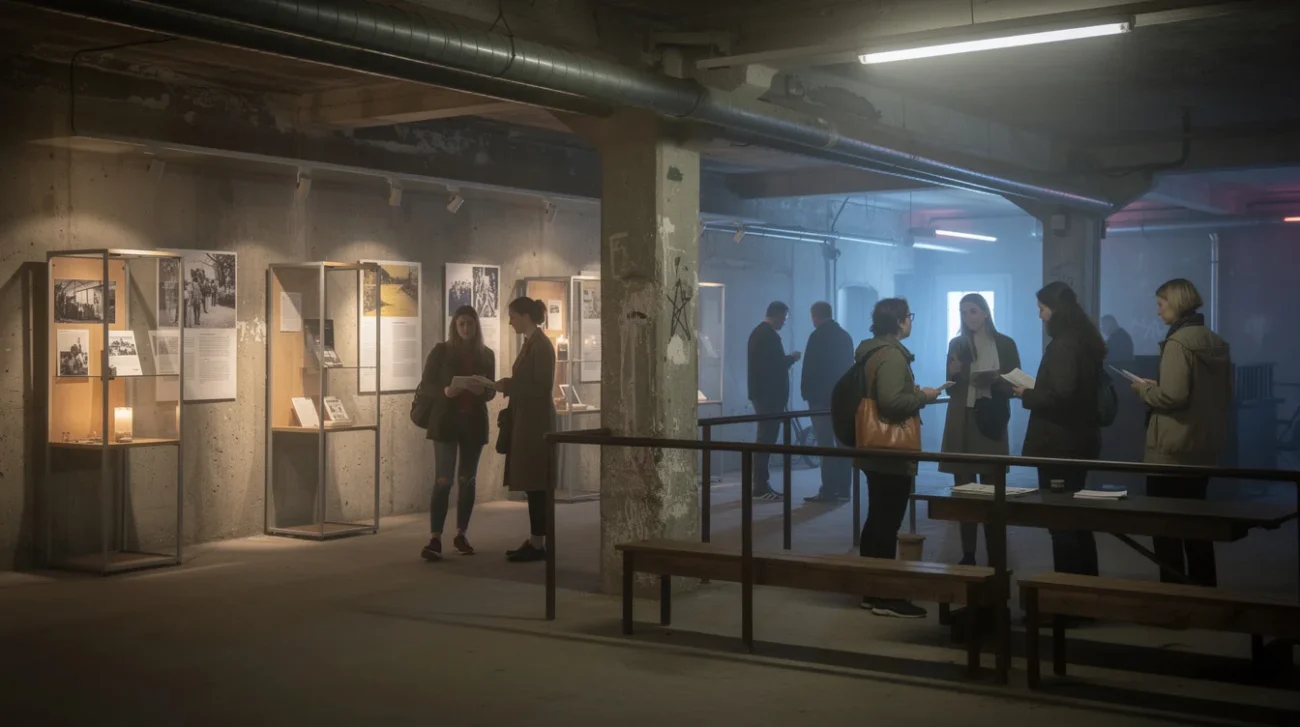
Berlin’s Living Archive makes that distinction urgent. Beneath a former East Berlin power station, 3,400 square meters of previously unused basement opened to the public for the first time. Office ParkScheerbarth developed the concept with Tresor founder Dimitri Hegemann for the permanent techno archive he first announced in 2015. The five-week exhibition “Dancefloors After 1989” tested it at full scale: the studio secured the permit and designed the exhibition using material supplied by the building itself. The architectural achievement is concrete. Whether permanence serves the culture remains productively unresolved.
PRO: An Archive Can Keep Space Available for Culture
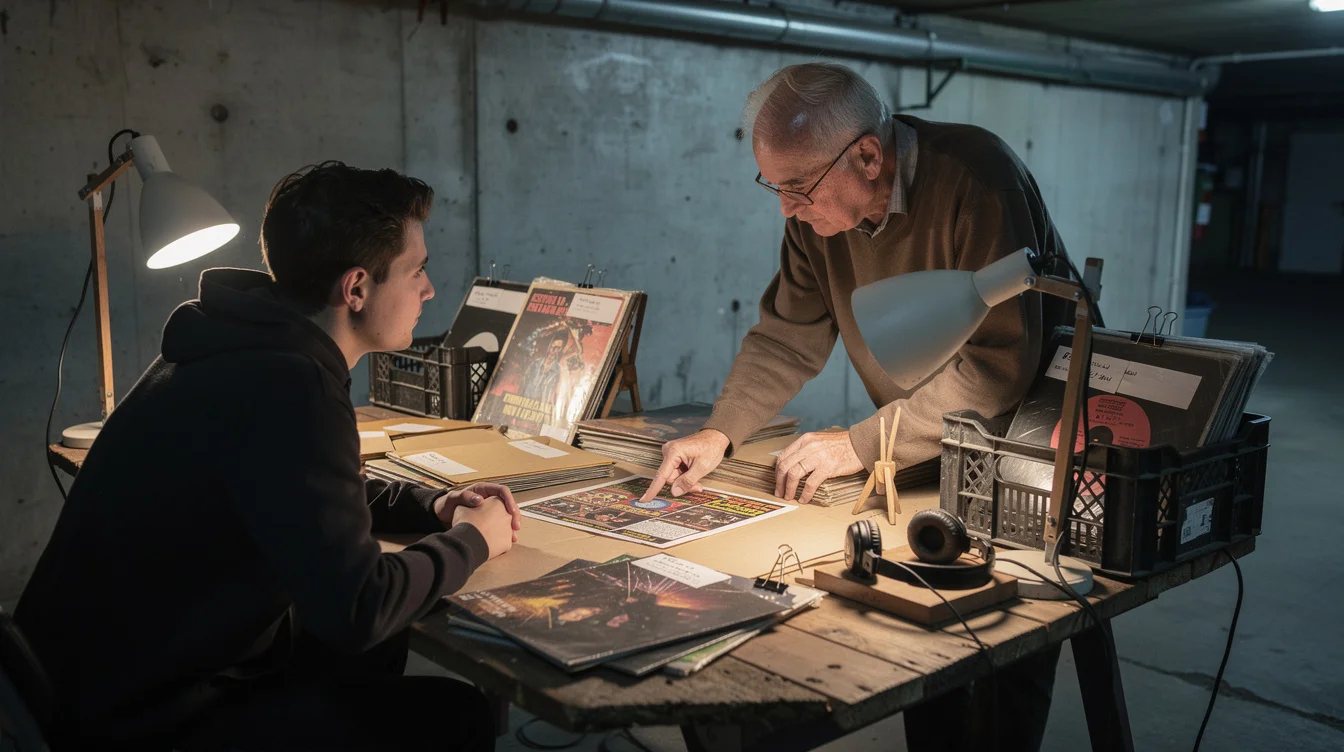
The strongest argument for the archive is not nostalgia. It is infrastructure. Scenes need somewhere to store their memory, but also somewhere to meet without buying another drink. In cities where temporary occupation can end with a lease termination, a lasting cultural institution can secure resources that informal networks struggle to retain: accessible rooms, paid technical expertise, storage and dependable opening hours.
Office ParkScheerbarth’s work matters here because opening a basement is not merely a visual operation. The permit is part of the design. Public access requires an agreement between spatial ambition and regulatory responsibility. Escape routes, occupancy and access conditions are not glamorous subjects, but they determine who can gather and whether gathering can continue.
Using material already present in the building also offers an alternative to importing the immaculate finishes of a conventional museum. Its value is not that worn surfaces look authentically underground. It is that adaptation can direct attention and resources toward occupation rather than cosmetic transformation.
Manchester’s Haçienda offers a useful comparison. Ben Kelly’s 1982 interior used industrial references and emphatic graphic elements to establish a framework for collective life. Its cultural force came from what happened inside that framework. A techno archive should learn from that distinction: architecture can make participation legible and possible without pretending that the room itself produces a scene.
PRO: Preservation Can Be Designed as a Working Practice
The next step would be to treat the exhibition as an operating system rather than a finished composition. This is a proposal for the Living Archive’s potential, not a claim about its current program: provide listening rooms that also support discussion, worktables for cataloguing community donations, and adaptable spaces where promoters, technicians and younger audiences can exchange practical knowledge.
Cedric Price and Joan Littlewood’s unbuilt Fun Palace remains a sharp reference. Conceived in the 1960s, it imagined cultural architecture as changeable infrastructure for participation, rather than a monument delivering approved content. The useful lesson is not to copy its machinery. It is to allow users to alter what the institution does.
For techno, that might mean a workshop tracing how a sound system is tuned, followed by a discussion of hearing protection and neighborhood noise. An oral-history session could bring door staff and cleaners into the same historical frame as celebrated DJs. A listening program could connect Berlin’s development to Detroit and the work of Underground Resistance, refusing the convenient fiction that the city invented its culture alone.
Such programming needs spatial consequences: equipment storage, acoustic separation, seating that can move and work areas that do not vanish whenever a prestigious exhibition arrives. The archive becomes genuinely living when cultural production has protected space, time and funding—not merely an invitation to appear.
CONTRA: The Institution Can Turn a Scene into a Brand
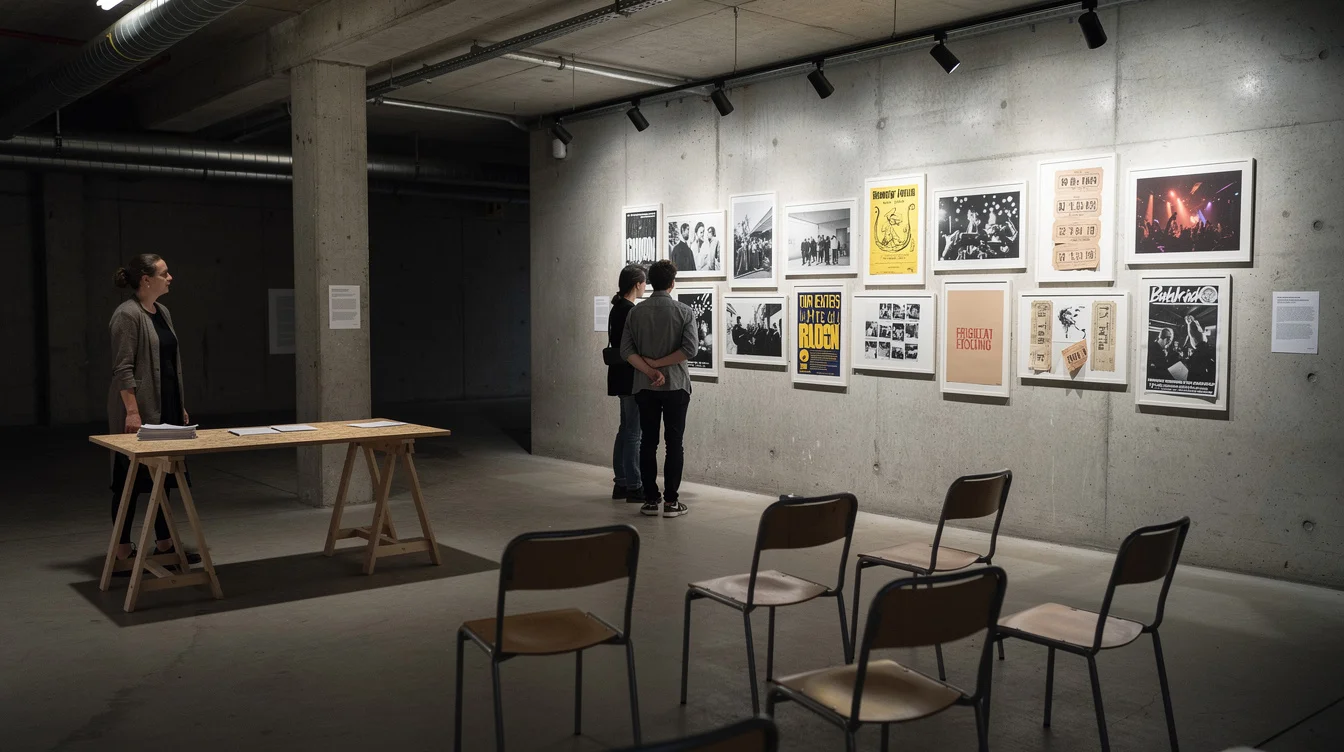
The opposing case is equally strong: permanence may preserve the venue while domesticating the culture. Once techno becomes exhibition content, its unstable social arrangements can harden into a coherent origin story. Founders become protagonists. Clubs become landmarks. Flyers become graphic design. The people who sustained the night without becoming famous disappear between the captions.
Hegemann’s involvement supplies indispensable knowledge, but proximity to a scene is not the same as representing all of it. Any founder-led archive faces a structural question: who can challenge the founder’s version? That is not an accusation about this project’s curatorial choices. It is a test every institution built around influential insiders should face.
The Vitra Design Museum’s 2018 exhibition “Night Fever: Designing Club Culture 1960–Today” demonstrates why clubs are compelling museum subjects: interiors, lighting, graphics and fashion provide rich material for interpretation. Yet the very clarity of those categories creates a risk. The exhibition can make club culture understandable by separating elements whose power once depended on being experienced together.
In an industrial basement, another danger appears: authenticity becomes scenography. Rough surfaces and salvaged material can be responsible architectural decisions, but they can also become a premium visual language. If visitors consume the atmosphere of an underground past while the institution cannot accommodate present-day cultural experimentation, the archive has preserved a look and lost the argument.
CONTRA: Participation Cannot Be Solved by Movable Furniture
There is also a harder objection to the promise of flexible space. A room with movable partitions does not automatically redistribute authority. If curators control every booking, sponsors determine acceptable themes and participation means contributing unpaid memories, an apparently open institution can remain tightly closed.
Nina Simon’s book “The Participatory Museum” provides a useful counterpoint: participation requires designed relationships between institutions and contributors, not simply interactive equipment. For a techno archive, that means asking who owns deposited recordings, whether contributors can withdraw sensitive material, and how communities influence interpretation. Documentation can protect histories, but it can also expose people who relied on discretion.
The night’s selective visibility matters. A camera-free dancefloor and a publicly searchable archive operate through opposing assumptions. Not everything worth remembering should become universally accessible. Restricted collections, consent procedures and the right not to be documented may preserve cultural conditions more effectively than another immersive projection.
Nor can a permanent exhibition reproduce the stakes of an unrepeatable gathering. It should not promise to. Its credible role is narrower and more demanding: protect evidence, acknowledge absences and support new activity without declaring that activity historically significant in advance. The five-week test established that these basement spaces could host an exhibition. Whether they can sustain shared cultural authority is a different experiment. No amount of industrial atmosphere answers it.
FAQ
What is Berlin’s Living Archive?
It is a permanent techno-culture archive concept developed by Office ParkScheerbarth with Tresor founder Dimitri Hegemann, who first announced it in 2015. The five-week exhibition “Dancefloors After 1989” tested the concept in 3,400 square meters of previously unused basement beneath a former East Berlin power station.
Why is techno difficult to preserve through exhibitions?
Records, photographs and equipment can be collected, but a dancefloor’s relationships, timing and collective energy cannot be stored intact. Exhibitions become reductive when they treat those objects as substitutes for the social conditions that gave them meaning.
How could spatial design support a living archive?
Acoustically separated listening areas, adaptable gathering rooms, accessible circulation and permanent workspaces could support research and new cultural activity. These are proposed strategies, not confirmed features of the project. Their effectiveness depends on staffing, budgets and community access.
Does preserving techno require recreating a nightclub?
No. An archive can support the culture through oral histories, technical workshops, critical discussion and responsibly managed collections. Recreating club atmosphere without sharing resources or authority risks producing an immersive attraction rather than a useful cultural institution.
If a techno archive protects the evidence of past freedom but cannot give people room to exercise it now, what exactly has it saved?
Get the Mainifesto weekly — curated design debates, speculative ideas and the week's best articles every Saturday.
Editorial Perspectives
Questions and counterpoints developed by the Mainifesto editorial desk to extend the discussion.
Perspective 1
I’m for the archive: keeping a pot does not keep the hands that made it, but its surface can still teach the next maker something. Techno’s flyers, equipment and improvised spaces deserve that patient attention, even if an exhibition cannot give us the night back.
Perspective 2
I’m not convinced techno needs another exhibition if people still lack affordable places to gather. Before celebrating the archive, I’d want to know what its fit-out consumes and what its budget makes possible for the living scene; preserving the look of freedom is a poor return on either materials or money.