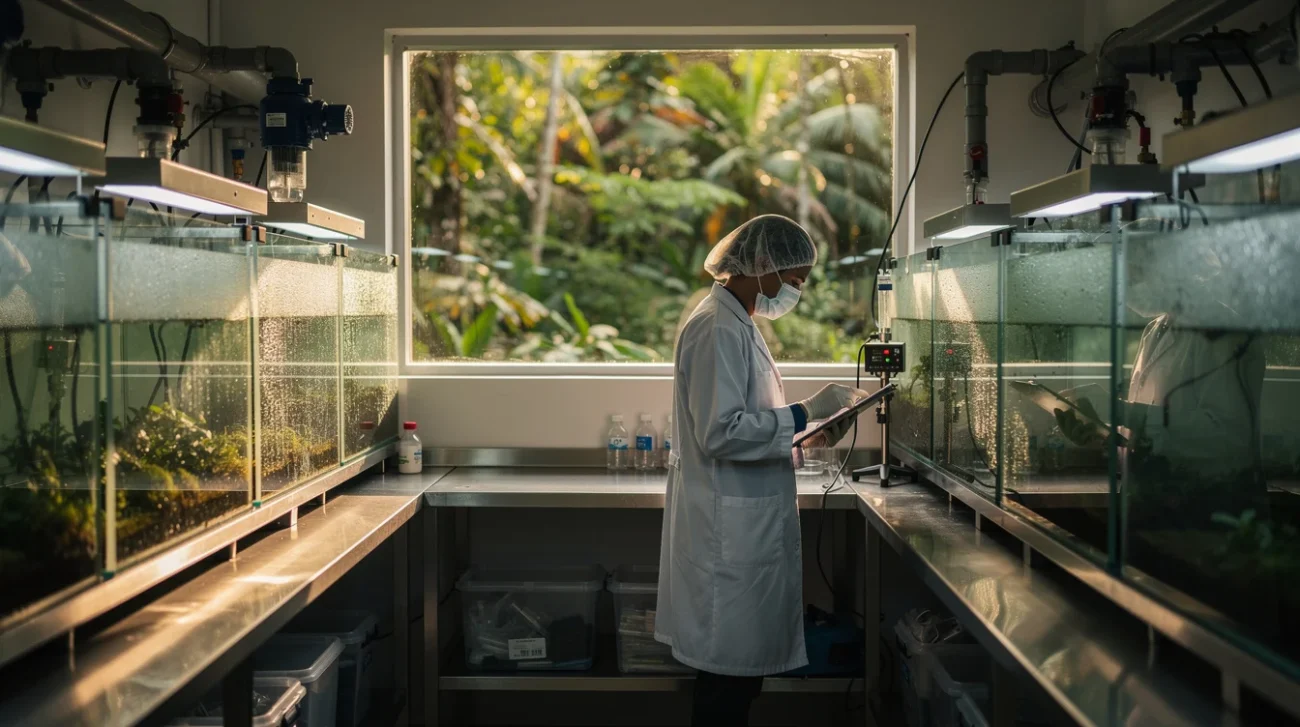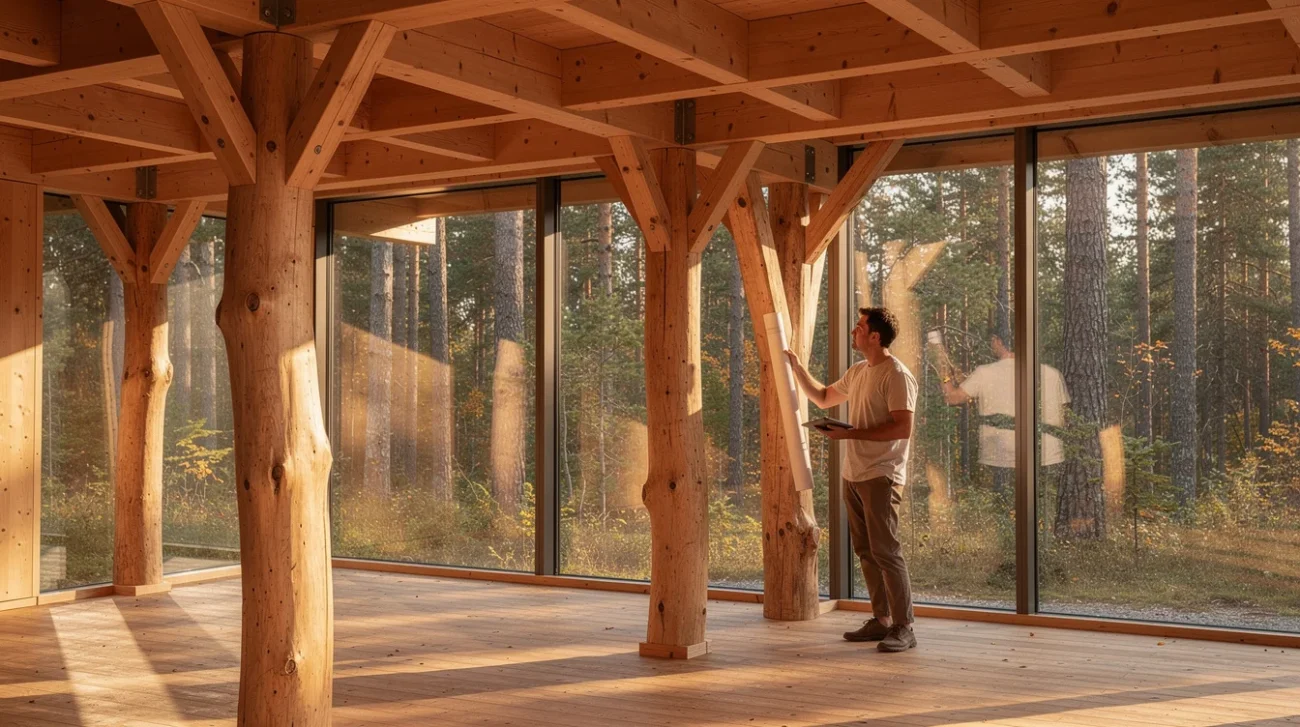

Can Cities Be Designed for Urban Wildlife?
The city was never human-only
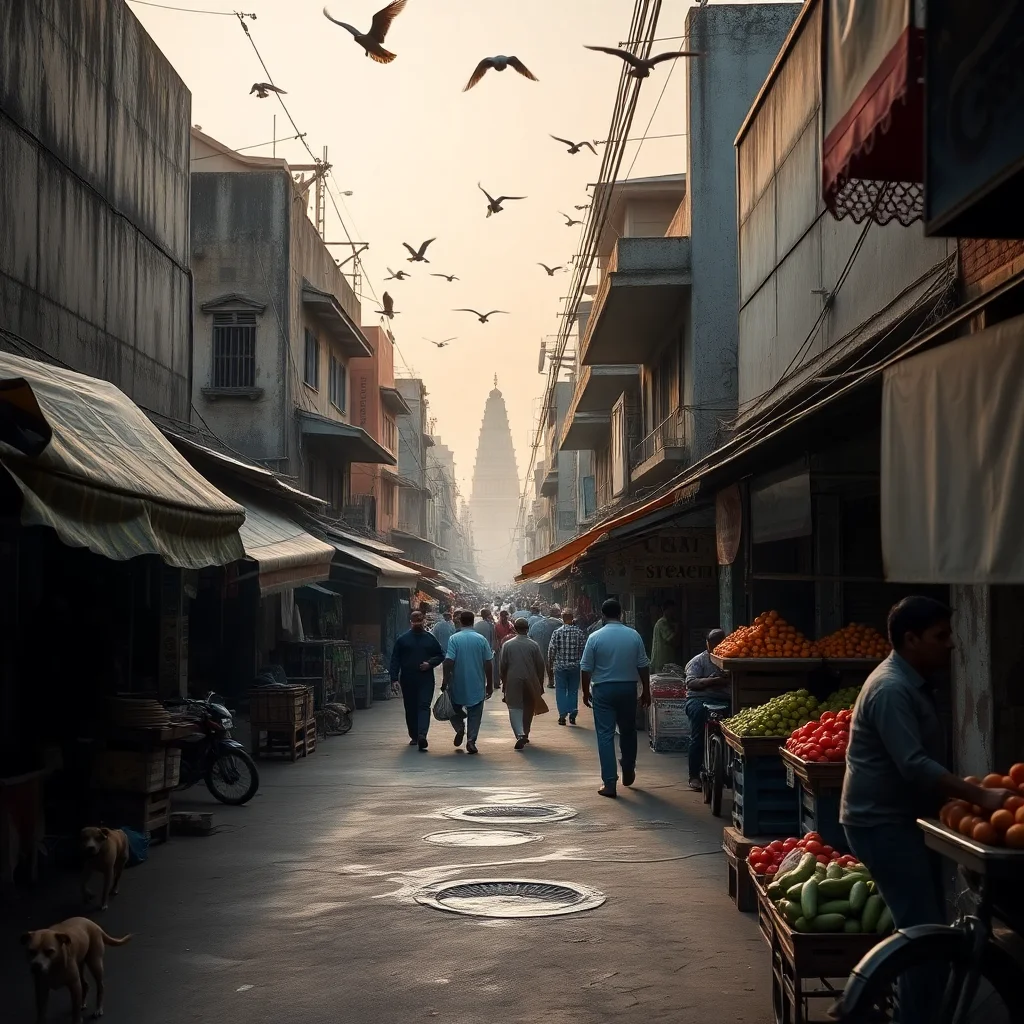
Most architectural drawings still behave as if the city begins and ends with the human body. Streets are sized for commuters, parks are landscaped for leisure, buildings are sealed for comfort, and infrastructure is optimized for circulation, hygiene, and control. Yet anyone who has walked through Delhi, Mumbai, Karachi, Lahore, Dhaka, or cities across the Gulf and Southwest Asia knows this is a fiction. Dogs sleep under market stalls. Monkeys traverse parapets and power lines. Birds stitch temple towers, mosque façades, and unfinished concrete slabs into their nesting ecology. Insects pollinate roadside planting, occupy drainage systems, and turn vacant lots into working habitats. The city already operates as a multispecies machine. Architecture is simply late to admit it.
This delay matters because the built environment is not neutral. When designers ignore the animals already living among us, they do not create a cleaner city; they create a more brittle one. They push species into conflict, scatter food chains, and intensify the conditions that produce bites, noise complaints, sanitation crises, and ecological collapse. The urban question is no longer whether wildlife belongs in the city. It is whether architecture will continue pretending that coexistence is an accident, or whether it will design for it with intent, intelligence, and a little humility.
Architecture of coexistence is not a sentimental gesture. It is a practical and political position. It asks architects to treat birds, stray dogs, insects, bats, monkeys, and other urban species not as disturbances to be removed, but as residents whose needs must be anticipated in the same way we anticipate light, ventilation, security, and access. That is a radical shift in professional ethics, and it begins by dismantling the fantasy that the city is a sealed human product.
What multispecies design actually means
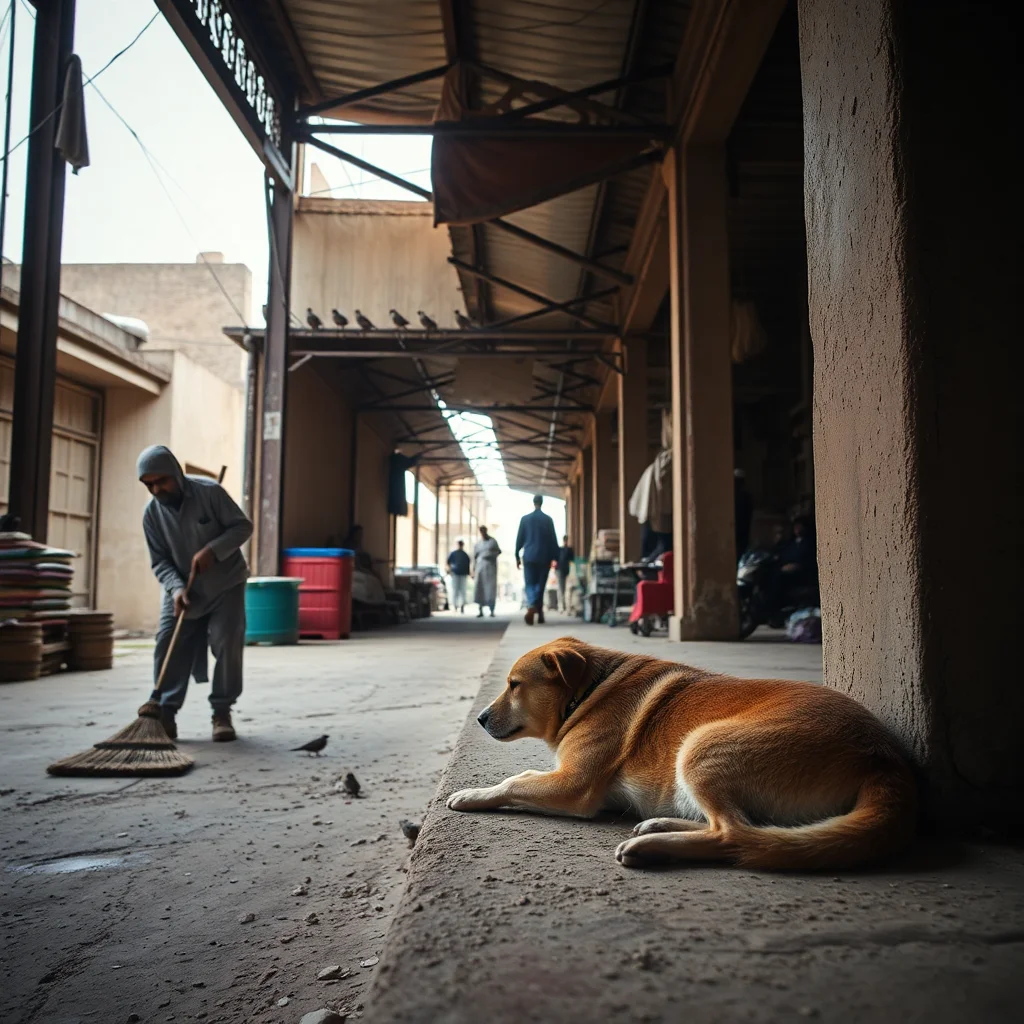
To design for animals is not to design “for nature” in some vague pastoral sense. It means admitting that the city is an inhabited habitat, and that every wall, ledge, roof, gutter, and threshold carries ecological consequences. A bird-friendly façade is not the same thing as a decorative green wall. A dog-responsive public realm is not the same thing as a pet park. A monkey-aware rooftop is not a quirky rooftop garden. Multispecies design is about performance, not symbolism.
Think of the work already emerging in adjacent fields. Landscape architects such as Kongjian Yu have argued, through the “sponge city” model, that urban ground should absorb, filter, and sustain life rather than merely shed water. That principle extends directly to animal coexistence: permeable landscapes support insects, birds, amphibians, and the predators that depend on them. In Europe, the architectural office OMA has explored the logistics of urban density and public realm as systems rather than isolated objects; a similar systems-thinking approach is needed to understand how species move through buildings, not just how people do. And in urban ecology, projects like the Wildlife Trusts’ guidance on hedgehog highways or bird-safe glazing standards in North American cities prove that design can modify behavior at scale without dramatic spectacle.
The best precedents are often humble. A narrow opening under a fence can sustain a stray dog corridor. Deep overhangs and textured soffits can support swifts and swallows. Water-retentive planting strips can feed insects through dry seasons. Covered markets can be detailed to keep pigeons from becoming pests without eliminating the ledges and thermal niches other species use. Coexistence is an engineering problem, a maintenance problem, and a spatial problem all at once.
Why cities in India and Southwest Asia make the case first
The urgency of this conversation is especially clear in cities across India and Southwest Asia because multispecies urbanism there is visible, unavoidable, and culturally embedded. In many places, street dogs are not anomalies; they are part of the city’s informal order. Their routes overlap with human routines, marking territory, scavenging, and often providing a kind of low-level informal security. Monkeys occupy sacred and infrastructural edges alike, moving through temple precincts, hospital roofs, and apartment balconies. Birds nest in the cavities of dense masonry and aging ornament. Even peacocks, squirrels, crows, rats, and insects become architectural users, not merely background fauna.
This is where conventional planning reveals its failure. Masterplans map only legal occupancy, not biological occupation. Building codes account for fire, egress, accessibility, and sometimes energy, but rarely for animal movement, nesting, burrowing, or feeding. The result is a city that is constantly surprised by the life it supports. If an architectural culture truly took urban coexistence seriously, it would look less like a polished rendering and more like a negotiation between bodies, species, climate, and routine.
There are already local traditions pointing the way. Courtyard houses in arid climates often create microhabitats through shade, water, and layered thresholds. Temple complexes and older mosque courtyards, by virtue of their porosity and ornamented ledges, routinely become shelters for birds and bats. Even informal urbanism, often dismissed by formal planners, produces ecological permeability through gaps, roofscapes, and mixed-use intensity. The point is not to romanticize precarity. It is to admit that living systems thrive in complexity, and that the “clean” city can be ecologically sterile. That is one reason the renewed interest in courtyard housing for dense cities matters beyond housing economics: it offers a spatial model where light, shade, and threshold can support both social life and urban ecologies.
Design moves that make room for other species
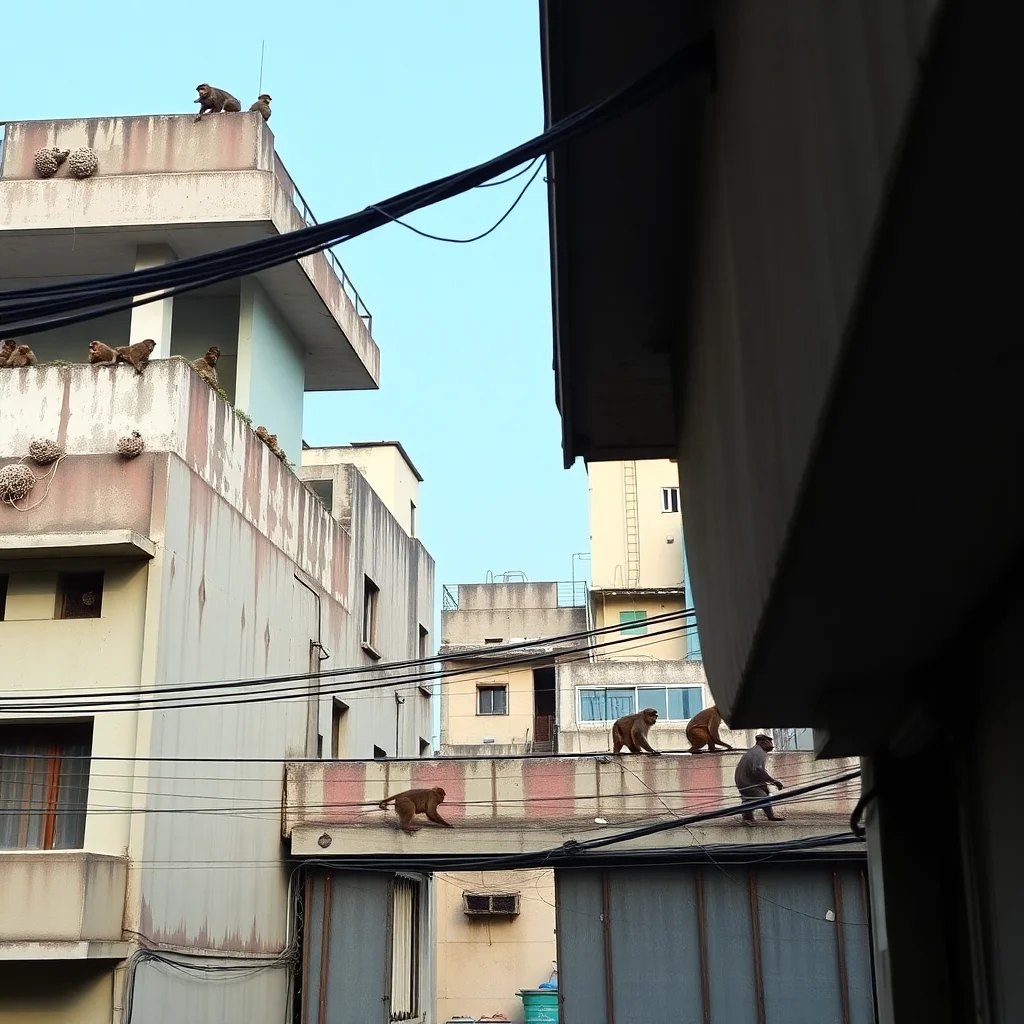
If architecture is to design for the animals already here, it must move from abstraction to detail. The practical agenda is not endless, but it is uncompromising.
- Build access into boundaries. Walls, compounds, and fences should include calibrated gaps or passages where safe. Not every enclosure must become a total severing of habitat. Small-scale permeability allows dogs, hedgehogs, and other low-risk species to move without forcing them onto dangerous roads.
- Design façades as habitat, not just skin. Bird-safe glazing, nesting recesses, and ledges that discourage collisions can be integrated without aesthetic compromise. The broader lesson is that the envelope should be legible to non-human species, not only to building inspectors.
- Rethink roofs and overhangs. Roofs can host shallow water, pollinator planting, and protected nesting zones. Deep eaves and shaded edges support birds and insects while also cooling the building for human users.
- Treat drainage as ecology. Open drains, bio-swales, and retention landscapes can become habitats rather than dead infrastructure. Insects and birds depend on water cycles; so do the food chains that keep urban systems functioning.
- Plan for nocturnal and seasonal behavior. Lighting, noise, and maintenance schedules shape where bats, owls, and insects can survive. Design decisions made at night are often more consequential than daytime gestures.
- Accept managed wildness in public space. Parks do not need to be over-pruned into visual obedience. Staggered mowing, native planting, and diverse micro-topographies create the variability wildlife actually uses.
These are not ornamental strategies. They are a different definition of competence. A truly contemporary architecture should be judged not only by energy performance or visual identity, but by whether it can reduce conflict among species while increasing ecological capacity.
That also means treating existing buildings as active ecological infrastructure rather than disposable objects. The debate around renovation as the urban default is relevant here because older structures often already contain the ledges, voids, and porous edges that many species depend on. Demolition and replacement can erase those accidental habitats as thoroughly as it erases embodied carbon.
Who benefits, and who resists
The obvious objection is that cities cannot become sanctuaries for every animal that arrives. And that is true. Coexistence is not the same as indulgence. Stray species can create health risks, crop damage, noise, and property conflict. Monkeys can be aggressive. Dogs can be vectors of disease if municipal systems fail. Birds can create sanitation problems. Any serious architecture of coexistence has to begin with management, not fantasy.
But this objection is routinely weaponized to justify the opposite extreme: sterilization, exclusion, and a city stripped of any life that is not monetized or domesticated. That model is also dangerous. It produces ecological voids, intensifies heat islands, fragments habitat, and makes cities less adaptable. More importantly, it externalizes the burden of coexistence onto the poorest residents, who are most exposed to stray populations and least protected by gated design. The wealthy buy sealed apartments and private landscapes; everyone else inherits the animals and the conflict.
There is no serious future in this split. The city must be designed so that coexistence is distributed, not dumped. That means public authorities, developers, and architects must stop treating animal presence as a nuisance to be outsourced to pest control or animal removal. The more honest question is how much urban life can be shared without becoming unsafe or unsanitary. That is a design challenge, and a governance challenge, not a reason to retreat into human exceptionalism.
Public space debates can also help frame the issue. Projects such as World Cup fan zones and civic space show how quickly cities can be reprogrammed through temporary occupation, crowd management, and infrastructure. If human gatherings can reshape streets overnight, then the longer-term presence of animals deserves equally serious spatial planning rather than ad hoc exclusion.
A new brief for architecture
The boldest architecture today may not be the tallest or the most technologically saturated. It may be the one that learns to host species across scales, from the dog sleeping beneath a market awning to the birds nesting in a tower void to the insects alive in a drainage verge. This demands a change in the brief itself. Architects should be asked not only who enters a building, but what else enters, nests, crawls, perches, pollinates, and survives there.
That shift would transform everything from housing to infrastructure. Housing blocks could include shared thresholds that reduce conflict with street animals. Schools and hospitals could be detailed to avoid bird collisions and rodent ingress without sealing off airflow. Transit corridors could incorporate planting and surface conditions that support pollinators while buffering human movement. Public squares could be shaped to accommodate both gathering and inhabitation by other species. Even the aesthetics of urban design would change: the city would no longer be imagined as an immaculate object, but as a negotiated habitat.
The deeper provocation is this: architecture has spent a century perfecting control over the visible city. The next century will belong to those who can design for what is already uncontrollable, and often already living there. In that sense, the most radical projects may be the ones willing to accept age, friction, and maintenance as part of the urban condition, much like the arguments made in Can Architecture Accept Decay as Design?
FAQ
Is designing for animals compatible with dense urban development?
Yes, and density is precisely why it matters. Dense cities concentrate risk and opportunity, so small design decisions such as ledges, planting, drainage, and permeability can produce outsized ecological effects without reducing urban intensity.
Does multispecies design mean giving up cleanliness or safety?
No. It means replacing blanket exclusion with smarter management. The goal is not to invite chaos, but to reduce conflict by designing spaces that are legible and usable for both humans and non-human residents.
Which designers or ideas are influencing this shift?
Landscape ecologists and urban theorists such as Kongjian Yu are key reference points, especially through sponge-city thinking. Bird-safe building standards, habitat corridors, and urban ecology research also show that the field is already moving beyond purely human-centered planning.
Where should architects start in practice?
Start with façades, roofs, thresholds, drainage, and planting. These are the everyday interfaces where animals and humans most often collide or coexist, and they can be redesigned without waiting for a total urban overhaul.
The real question is not whether cities can tolerate animal life, but whether architecture can finally admit that it has always been designing inside a shared habitat.
Get the Mainifesto weekly — curated design debates, speculative ideas and the week's best articles every Saturday.
Editorial Perspectives
Questions and counterpoints developed by the Mainifesto editorial desk to extend the discussion.
Perspective 1
Cities have never belonged to humans alone, and in Mexico City you see that every day in the roofs, drains, courtyards, and vacant lots we call “leftover.” The trouble is that too many projects use ecology as a branding exercise while displacing the people and species already adapted to the place. If architecture is serious about cohabitation, it has to start with repair, maintenance, and limits—not just with new objects.
Perspective 2
The article is right to puncture the old anthropocentric fantasy, though this is hardly a revolutionary discovery; the city has always been a theatre of negotiation between species. What is more interesting is why architecture still pretends to be sovereign when, in truth, it is only one manager among many. Perhaps the discipline prefers the comfort of clients to the messiness of inhabitants.
Perspective 3
If cities are already multispecies systems, then architecture should be modeling flows, habitats, and thresholds instead of just optimizing floor area and daylight for people alone. The harder question is how to translate that into design criteria: nesting gradients, permeable edges, collision avoidance, microclimates, maintenance loops. I’d want to know whether we can parametrize cohabitation without turning it into another decorative sustainability layer.
Perspective 4
I’m all for wildlife-friendly cities, but if the brief ignores cost, upkeep, and liability, it won’t survive contact with a developer or a building manager. The open question is fair: architecture treats humans as the only client because humans sign the contract and pay for the maintenance. If we want better outcomes for birds, insects, and the rest, the design has to be practical enough that someone will actually keep it working.