
When Heritage Becomes Furniture
The Museum Is No Longer a Container. It Is a Quarry.
The most provocative question in contemporary design is no longer how to preserve heritage, but what to do when heritage fails, sheds, and breaks apart. The Montreal Olympic Stadium roof—an icon of ambition, delay, and structural embarrassment—has become a perfect trigger for that question. When a piece of civic infrastructure is dismantled and its parts are recast as stools, tables, tiles, or limited-edition objects, we are no longer speaking only about adaptive reuse. We are entering a more ruthless territory: heritage as raw material.
This shift is not merely practical. It is ideological. Museums have long framed objects as evidence, as protected matter carrying cultural legitimacy. But what happens when the museum’s logic escapes the institution and enters the marketplace, where fragments of a roof can be transformed into collectible furniture? Suddenly, the afterlife of architecture is no longer conservation alone; it is extraction, editing, and authorship. The waste stream becomes a design resource. The ruin becomes a brand asset.
The Montreal case matters because it exposes a fault line in design culture: is reuse a moral act of stewardship, or is it a sophisticated way to turn demolition into scarcity? The answer is uncomfortable because it is both. And that contradiction is precisely where the next luxury material category will emerge.
From Preservation to Product: The New Economics of Memory
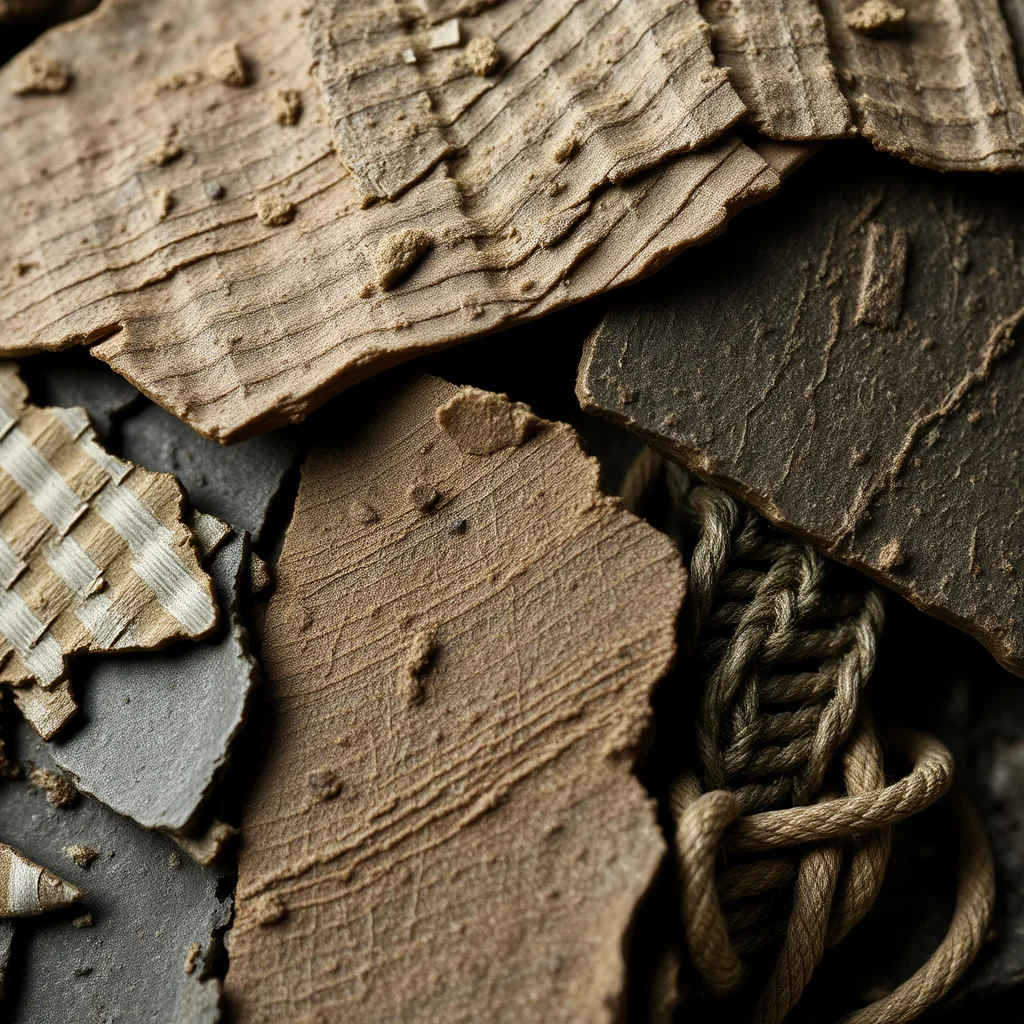
Adaptive reuse has traditionally meant keeping buildings alive through programmatic transformation: warehouses become galleries, churches become restaurants, factories become lofts. In these cases, the building remains a building, even if its social role changes. But the moment disassembly enters the picture, the logic shifts. What is conserved is no longer the whole; it is the residue. That residue can then be distributed into objects, interiors, and collectible editions. Heritage becomes a supply chain.
This is already visible in multiple design practices. Formafantasma’s research-driven approach has repeatedly questioned extraction and material opacity, while Studio Swine’s work on recovered metals and found waste has shown how narrative can be fused with object-making. Even classic precedents like Pierre Jeanneret furniture from Chandigarh demonstrate how architectural context can become a marketable object language once detached from its original civic system. The lesson is blunt: value increases when material history can be compressed into an object with a story.
Montreal’s stadium roof makes this logic explicit. A failed infrastructural element is not simply discarded; it is partitioned into usable segments. The gesture is elegant, but also suspiciously convenient. The same culture that struggles to fund maintenance for public architecture is suddenly willing to pay a premium for its transformed remnants. That is not only sustainability. That is the monetization of civic memory.
PRO: Demolition Byproducts Deserve a Luxury Category
There is a persuasive argument for treating demolition byproducts as a new luxury material category. First, it recognizes embodied energy. A roof that has already consumed labor, carbon, and capital should not be reduced to landfill if it can enter a second life as a durable object. Reuse here is not sentimental; it is ecologically rational.
Second, it creates a visible alternative to the fantasy of virgin material purity. Much of contemporary luxury still depends on the illusion that pristine surfaces equal value. Yet objects made from recovered heritage carry a thicker form of desirability: they contain time, abrasion, and institutional memory. Think of how upcycled metals, reclaimed woods, and textile deadstock have become status markers not because they are “lesser,” but because they communicate discernment and restraint.
Third, this model can subsidize conservation. If the fragmented remains of a building can generate revenue through design objects, the proceeds can theoretically support maintenance, public programming, or further restoration. This is already the logic behind material-driven collaborations in fashion and interiors, where provenance becomes part of the price. A well-managed demolition-byproduct system could turn demolition from a dead end into a circular asset class.
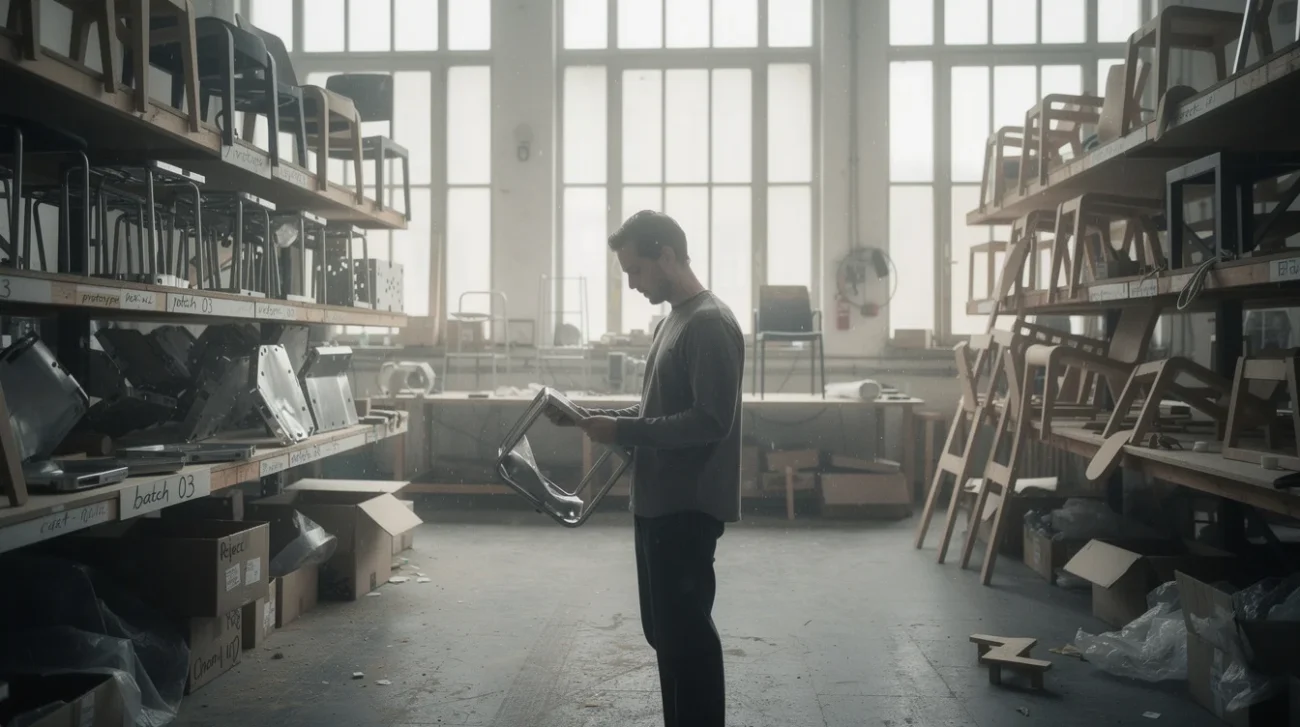
And finally, there is aesthetic force in it. A chair made from a stadium roof is not just furniture; it is a compressed civic narrative. It asks the user to sit inside contradiction. That is more intellectually honest than pretending architecture can be preserved indefinitely as a museum object untouched by time.
CONTRA: A Roof Is Not a Raw Material Until We Say So

But the opposing argument is equally strong: once heritage is mined for collectible objects, conservation risks becoming a form of liquidation. The language of circularity can disguise a deeply extractive operation. A roof is not simply material stock. It is part of a public monument, tied to labor politics, urban identity, and often unfinished promises. To reduce it to furniture risks severing that context at the exact moment it becomes marketable.
There is also an authorship problem. Who gets credit when heritage becomes product? The original engineers? The demolition contractor? The designer who shapes the salvage? The brand that sells the object? The institution that authorizes the extraction? In product design, authorship is already slippery; with heritage materials, it becomes a battlefield. Without clear ethical frameworks, the narrative of reuse can become a cover for appropriation.
And then there is access. Luxury salvage risks producing a two-tier cultural economy: the public loses a building, and the elite buys back fragments of it as design objects. This is especially corrosive when the source architecture was publicly funded. The object may be beautiful, but beauty alone does not justify privatizing memory. Reuse can become a kind of souvenir violence.
Examples abound. When materials from demolished sites are transformed into limited-edition products, the market often rewards rarity rather than reparative value. The result is a fetish for scarcity, not a democratization of material intelligence. If every failed civic structure becomes an artisanal commodity, then preservation is no longer about collective memory. It is about premium closure.
The Museum as Material Bank
The real provocation is that museums already behave like material banks. They store, classify, and confer legitimacy on things extracted from time. But if that logic is extended outward, a city itself becomes a repository of assets waiting to be re-authored. In this model, the museum is not a neutral guardian; it is an active curator of residue. Heritage does not end at the exhibition wall. It migrates into stools, shelving systems, terrazzo composites, and bespoke interiors.
There are precedents for this hybrid condition. Lacaton & Vassal have argued for transformation over demolition in architecture, prioritizing generosity and adaptation. Meanwhile, designers such as Martino Gamper have long embraced the aesthetics of reconfiguration, where objects are remade from fragments rather than preserved as fixed originals. In product design, this attitude has matured into a serious material practice: not the reuse of leftovers as a moral garnish, but the redefinition of what counts as material worth.
Montreal’s roof shows that civic ruin can be aestheticized without being erased. Yet the museum-bank model only works if it is governed by transparency. Who decides what gets saved, what gets cut, and who may buy it? Without such rules, the bank becomes a speculative exchange where memory is traded like a derivative. That is the danger. But it is also the opportunity: to invent a new category of cultural materials that is neither waste nor relic, but something stranger and more contested.
What Design Must Admit Now
Product design has spent years praising circularity, but circularity is not innocent. Every loop contains an argument about value. If a dismantled roof becomes furniture, the design community must admit that it is no longer just making objects; it is deciding which histories become usable. That is a moral act, not a purely formal one.
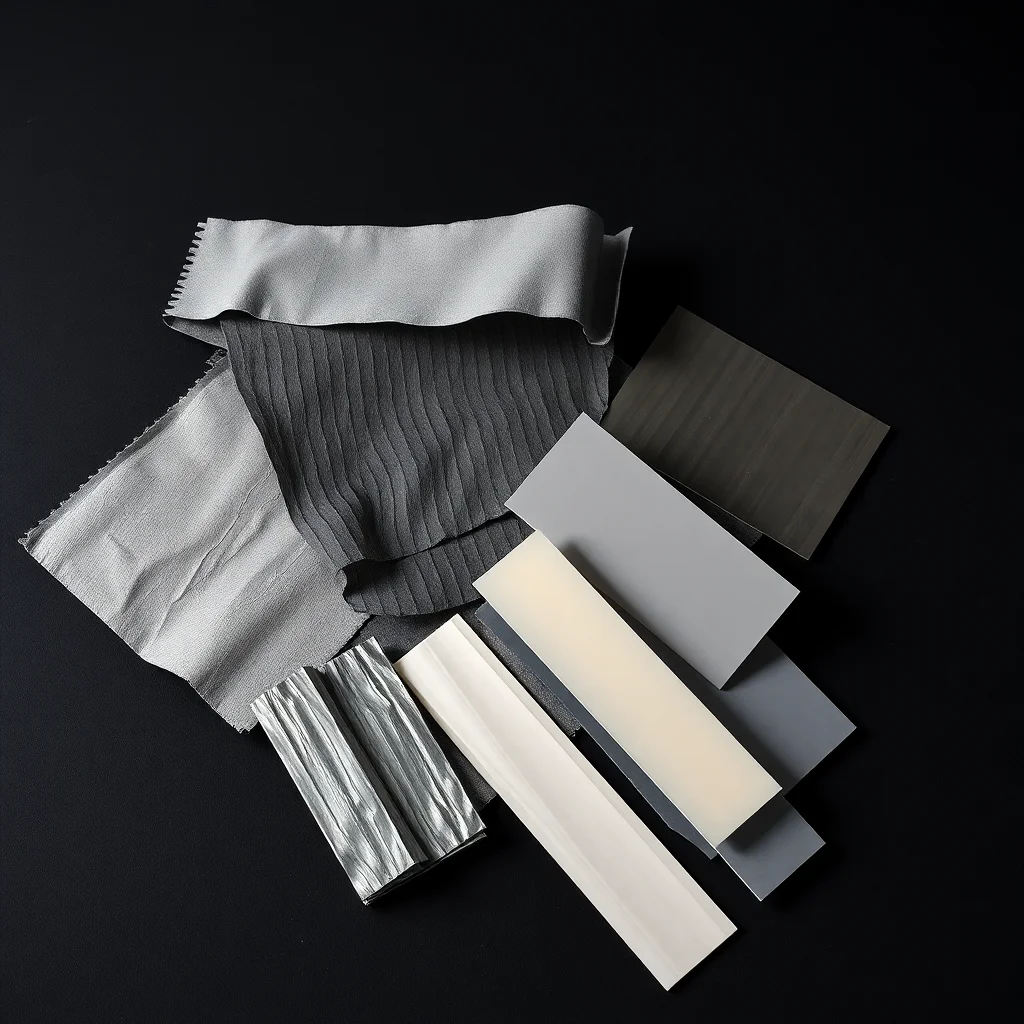
So the Montreal Olympic Stadium roof should be read as more than a salvaged membrane. It is a manifesto in material form. It suggests that the end of a building may be the beginning of a new commodity class, one that trades in authenticity, scarcity, and civic residue. Whether this is visionary or predatory depends on governance, authorship, and access. But the design world cannot pretend the question is peripheral anymore.
Adaptive reuse may not end at conservation. It may now extend into a more radical, less comfortable future: one where heritage is not only protected, but processed. The only question is whether we build ethical systems for that transformation, or let the market do it for us.
- Material reuse is no longer an environmental afterthought. It is becoming a high-value design language that merges sustainability with narrative capital. texture reshaping design
- Demolition debris can carry cultural legitimacy. But only if designers confront the politics of extraction, credit, and public ownership.
- Luxury is shifting from purity to provenance. A repaired, rescued, or remade object may now signify more than a pristine one.
- Heritage objects need governance, not just branding. Without transparent rules, salvage becomes privatized memory. phygital ownership models
- The museum is a model, not an exception. Cities are already vast repositories of material memory waiting to be re-authored.
- Design must choose between stewardship and liquidation. The future of adaptive reuse depends on which side it claims. transparent terracotta and embedded glass
Watch the Mainifesto Short
Get the Mainifesto weekly — curated design debates, speculative ideas and the week's best articles every Saturday.
Editorial Perspectives
Questions and counterpoints developed by the Mainifesto editorial desk to extend the discussion.
Perspective 1
Once a fragment is turned into a product, memory becomes a label people can buy or ignore. That does not make the act meaningless, but it does shift heritage from shared reference to private possession, which is a different kind of story.
Perspective 2
If the piece performs in a space and gives guests a real point of connection, then reuse has value beyond the headline. But once heritage fragments are priced like collectibles, the story starts serving margins first and memory second.
Perspective 3
I care less about the romance of reuse than about whether the material still carries its truth: patina, density, scars, the evidence of its life. If a stadium roof becomes furniture, it can preserve memory only if the making stays honest and the object still reads as what it is, not just as a premium narrative.