
The Gritty Renaissance: Texture Reshaping Design
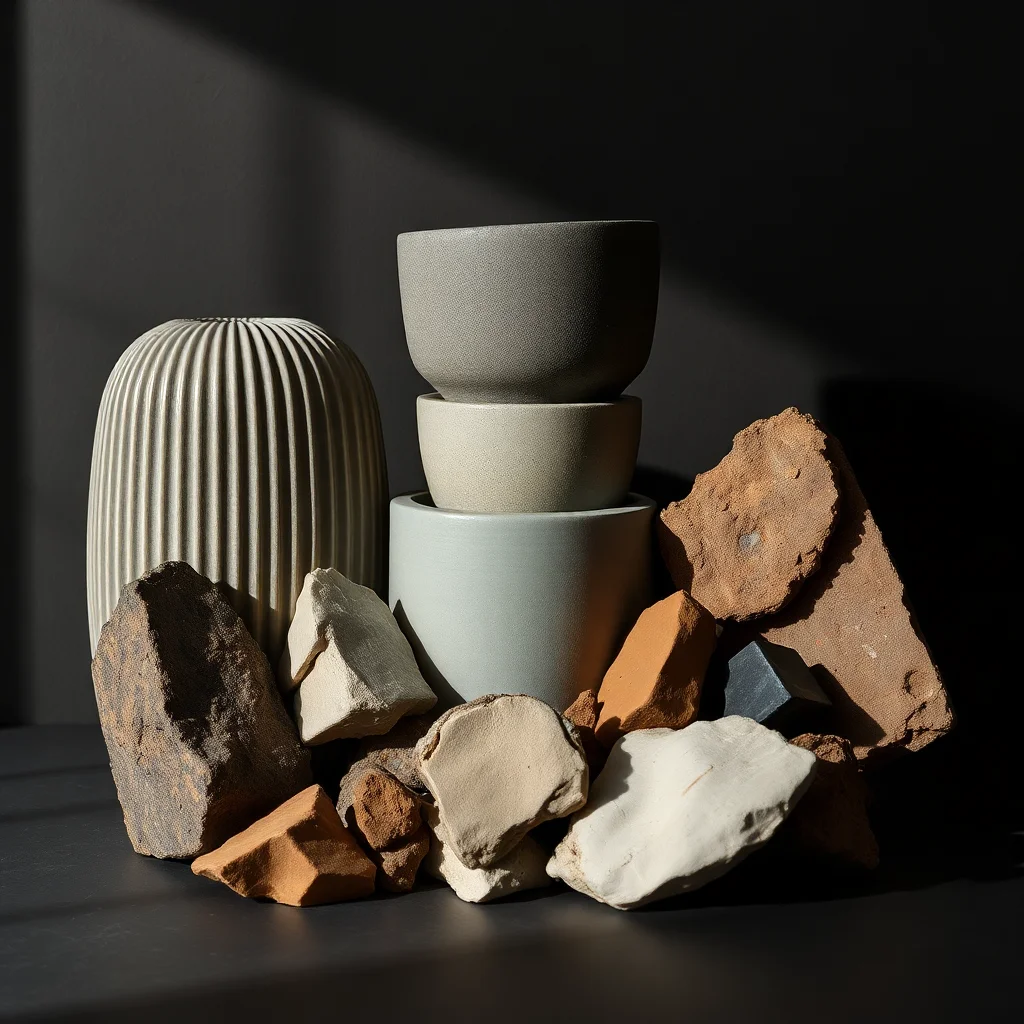
The Return of the Hand, in a Digital Age
For more than a decade, product design has been disciplined by a ruthless aesthetic creed: smooth, silent, seamless. Surfaces were polished until they disappeared. Interfaces were flattened until they behaved like obedient glass. Minimalism, once a radical antidote to clutter, hardened into a corporate language of neutrality. But that very neutrality has become the problem. In a world saturated by frictionless screens and sterilized consumer goods, texture is returning as a form of resistance.
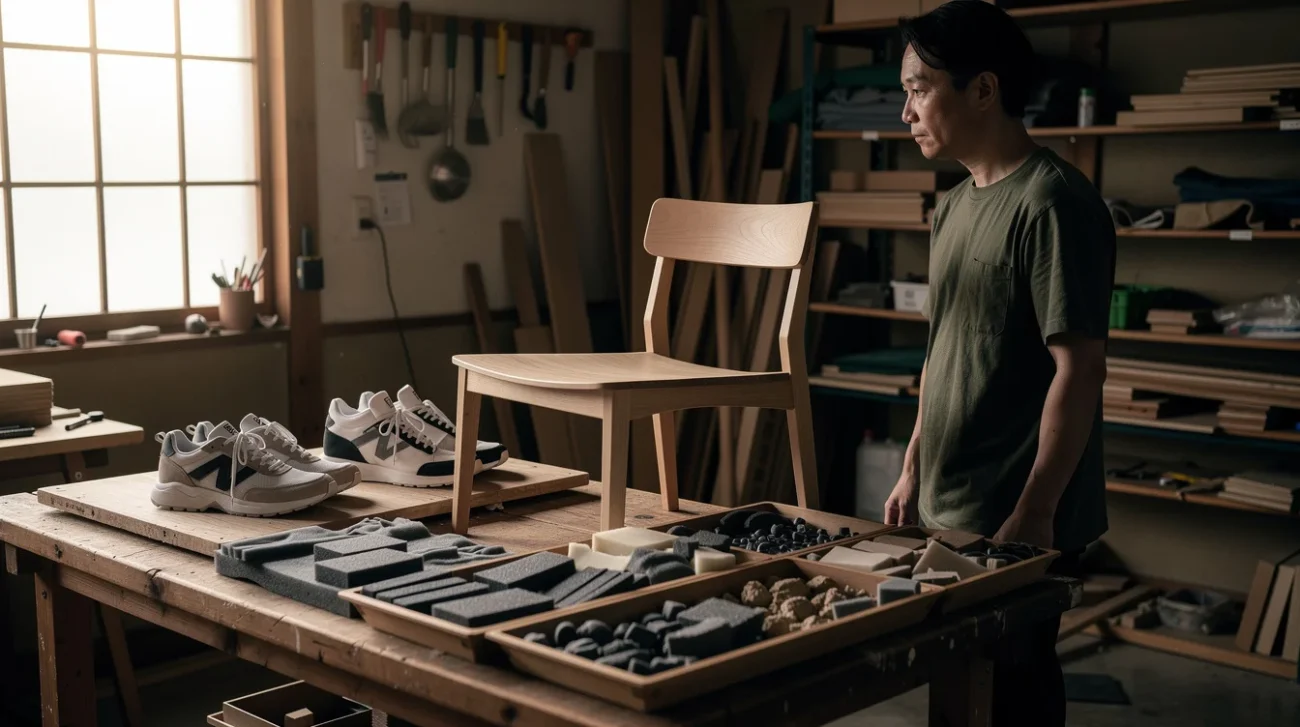
This is not nostalgia for craft in the sentimental sense. The new appetite for tactile surfaces is not about pretending we live in a pre-digital workshop. It is about reclaiming sensory intelligence. Texture gives the hand something to read before the eye finishes judging. It introduces a physical syntax of grip, resistance, warmth, and wear. In product design, that matters. A knurled dial, a ribbed shell, a matte polymer, a raw ceramic edge: these are not decorative afterthoughts. They are arguments against the fantasy that design should be invisible.
Textured design is emerging because sleekness has become culturally thin. The polished object now often signals detachment, not precision. Designers are beginning to understand that users do not simply want clean products; they want products that meet the body halfway. The result is a gritty renaissance in which tactility becomes both aesthetic and functional weapon.
Why Minimalism Lost Its Monopoly
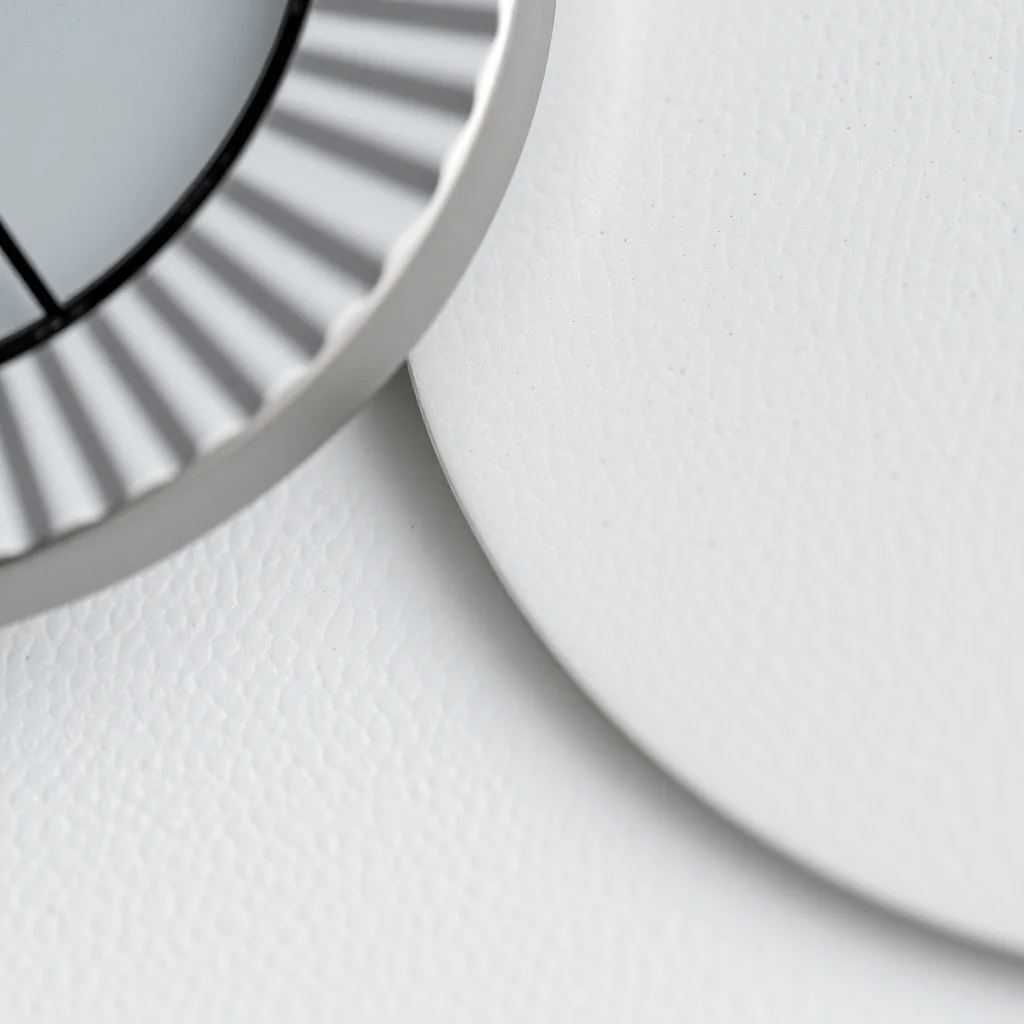
Minimalism did important work. Dieter Rams, the Braun era, the early Apple canon: all helped define an ethic of disciplined reduction. But reduction eventually mutates into dogma. When every object is smoothed into submission, the sensory world becomes impoverished. The glossy phone, the brushed-aluminum laptop, the one-click interface, the monochrome speaker, the white appliance: these objects promise efficiency while quietly erasing character. They are designed to offend no one, which means they are designed to move no one.
The backlash was inevitable. Younger designers have started asking why a kitchen tool should feel like a medical device, or why a speaker must resemble a pristine monolith. The answer is not purely visual. A slick object can be difficult to pick up, easy to drop, and oddly forgettable in the hand. Texture solves problems that minimalism likes to pretend do not exist. It improves legibility, defines zones of use, and creates emotional friction in the best possible sense: the sense that the object is present, responsive, and not ashamed of its own materiality.
Consider the industrial language of Naoto Fukasawa, whose work often succeeds precisely because it respects the body’s unconscious expectations. Or the textured, almost agricultural tactility seen in products from designers working with recycled composites and ceramic-inflected plastics. These are not gestures toward rustic charm. They are attempts to restore a hierarchy that minimalism flattened: the hand should not be subordinate to the eye. That impulse also runs counter to the logic explored in seamless hardware design, where visual disappearance is treated as the highest form of refinement.
Texture as Function, Not Decoration
The most serious misunderstanding about this movement is that texture is merely aesthetic seasoning. It is not. In product design, texture often carries the load that form alone cannot. A patterned surface increases friction on handheld objects. A roughened control surface helps users distinguish function without looking. A visual grain can indicate zones of heat, touch, or direction. In other words, texture can communicate what a product is doing before the user reads the manual or the interface.
This is why the best contemporary examples are not the loudest. Apple’s Pro hardware line, with its move toward more tactile keys and materials, suggests that even the champions of sleekness know the body needs cues. Teenage Engineering, by contrast, has built much of its appeal on a playful mix of precision and toy-like tactility, making instruments feel like artifacts instead of anonymous devices. Muji’s long-running insistence on subdued, material-forward objects also demonstrates that texture can operate quietly, without theatrical roughness.
In furniture and lighting, the same logic is accelerating. Ratti-style material experimentation, recycled plastics with visible particulate structures, and molded composites with grain-like finishes all point to a new functional realism. If a surface can hide fingerprints, improve grip, signal repairability, or age gracefully, then texture is not an embellishment. It is performance.
That material honesty connects to contemporary ceramic experimentation as well, especially the kind of work seen in transparent terracotta with embedded glass, where ancient matter is reworked into something visibly contemporary.
The Emotional Politics of Touch
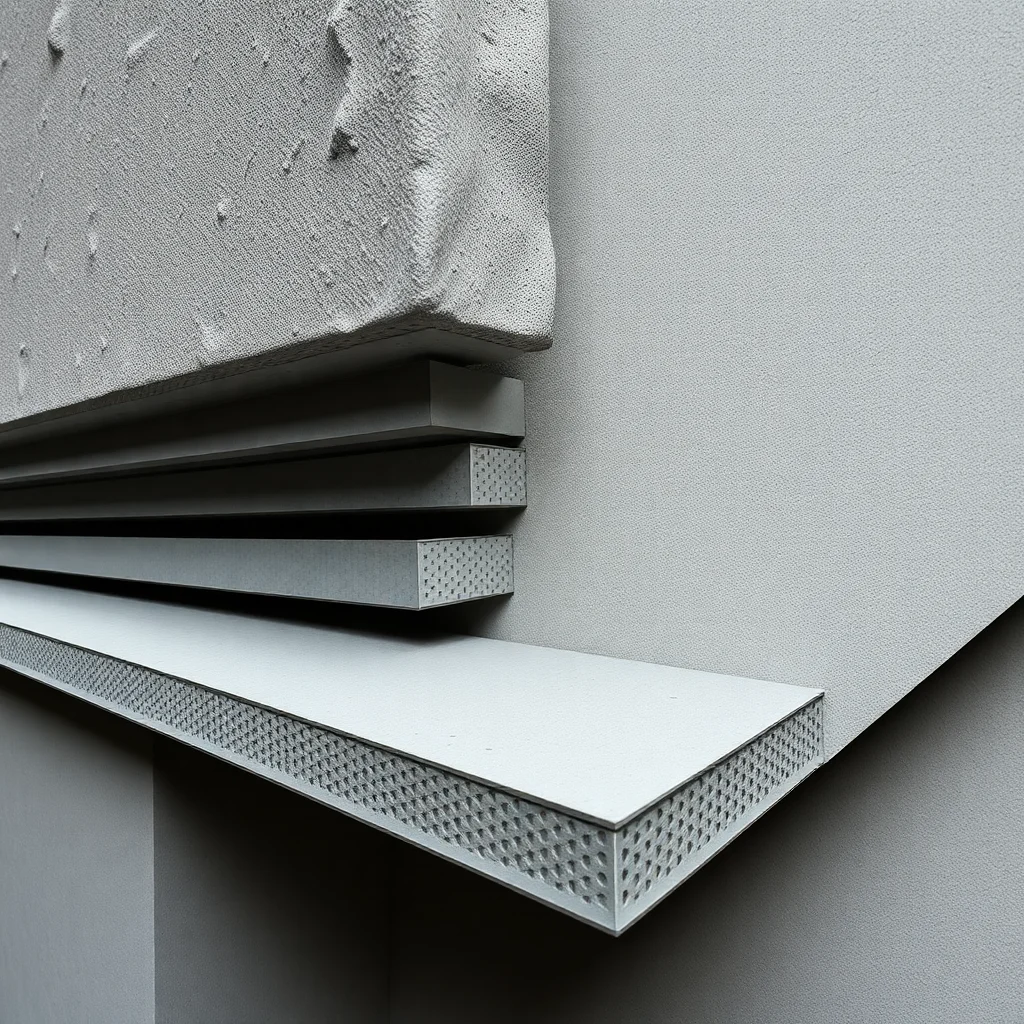
There is also a deeper reason this shift matters: texture is political because touch is political. The last era of design treated touch as a secondary concern, something to be optimized away in favor of visual harmony. Yet the pandemic years exposed the limits of that attitude. People became hyperaware of surfaces, contamination, cleanliness, and bodily proximity. Design could no longer assume that smoothness automatically equaled trust.
Now the tactile object carries a different charge. It can feel honest, grounded, even ethical. Roughness suggests labor; grain suggests origin; irregularity suggests that a thing was made rather than generated. This is why hand-finished products, visibly recycled materials, and imperfect ceramic glazes are gaining traction in a market otherwise obsessed with automation. They reassure users that an object has not been stripped of its history.
But texture can also become manipulative if designers use it as fake authenticity. The market is full of “organic” surfaces that are nothing more than processed simulations of craft. A manufactured grain pretending to be handmade is a lie with better branding. The next phase of product design will be defined by whether texture is allowed to remain materially truthful or is reduced to a cosmetic mood board.
Speculative Materials and the New Grit
The gritty renaissance is also being driven by new materials and fabrication methods. Additive manufacturing allows for surfaces that are strategically porous, ridged, or latticed rather than uniformly smooth. Bio-based composites bring irregularity back into industrial production. Even advanced ceramics and metals are being finished to preserve trace, depth, and microscopic variation instead of eliminating every imperfection in the name of perfection.
Designers are exploiting these shifts to question the old binary between premium and rough. A product no longer has to look polished to feel valuable. In fact, a visibly layered or mineral surface can now signal innovation more convincingly than mirror-finish chrome ever could. The luxury of the future may be less about gloss and more about depth: surfaces that reward repeated contact, change with use, and reveal their construction over time.
Textured design is therefore not a retreat from modernity. It is modernity after it has learned humility. The best products do not deny process; they reveal it. They understand that a surface is not just an image wrapped around an object. It is the first interface, the first emotion, and often the first proof that a design deserves to exist.
Who Wins, Who Loses, and What Comes Next
There is, however, a cost to the turn toward texture. Some brands will misuse it as an easy way to manufacture authenticity. Others will overcorrect, burying products under exaggerated roughness that reads as concept-art cosplay. The challenge is to avoid fetishizing the tactile at the expense of clarity. Good texture does not shout; it sharpens. It should improve legibility, not create visual noise.
In the coming years, we will likely see a split. One camp will continue to pursue immaculate digital smoothness, especially in devices where visual minimalism is part of the brand promise. The other camp will embrace materials with memory, grip, and visible imperfection. The second camp is the more interesting one, because it acknowledges that users are not hovering abstractions. They are bodies. They sweat, press, twist, carry, drop, and age objects. Design that ignores this is not universal; it is lazy.
The gritty renaissance matters because it restores seriousness to product design. Texture is no longer the decorative residue left after the “real” design work is done. It is the work. It shapes behavior, emotion, and trust. It reminds us that the best objects are not only seen. They are felt. For a different take on material expression, see the vintage Bauhaus revival with modern twists, where classic geometry is reinterpreted for a contemporary audience.
FAQ
What is textured design in product design? Textured design refers to products that use surface variation, material grain, relief, or tactility to improve both the look and the usability of an object. It goes beyond decoration by shaping grip, legibility, and emotional response.
Why is texture replacing sleek minimalism? Sleek minimalism has become overly familiar and often feels cold or anonymous. Texture reintroduces physical engagement, making products feel more human, useful, and materially honest.
Does texture always improve functionality? Not automatically. Texture works when it serves a clear purpose such as grip, orientation, durability, or emotional connection. When used as a gimmick, it can become visual clutter.
Which designers or brands are influencing this shift? Naoto Fukasawa, Teenage Engineering, Muji, and Apple’s more tactile hardware direction all show different ways texture is re-entering product design. Material experimentation in sustainable and additive manufacturing is also accelerating the trend.
Open question: If texture becomes the new design currency, will we finally stop confusing visual cleanliness with real innovation?
Watch the Mainifesto Short
Get the Mainifesto weekly — curated design debates, speculative ideas and the week's best articles every Saturday.
Editorial Perspectives
Questions and counterpoints developed by the Mainifesto editorial desk to extend the discussion.
Perspective 1
Yes, but only if texture is doing real work. A material should earn its place through durability, grip, warmth, acoustics, or repairability—not just because it photographs well.
Perspective 2
Cleanliness has always been a useful disguise for design laziness. If texture makes us look harder at how things are made, used, and aged, then maybe the cult of the seamless surface can finally be retired.
Perspective 3
Texture is not the opposite of minimalism; it is what gives restraint a pulse. In branding, the surface can carry meaning without shouting, and that often feels more honest than sterile polish.