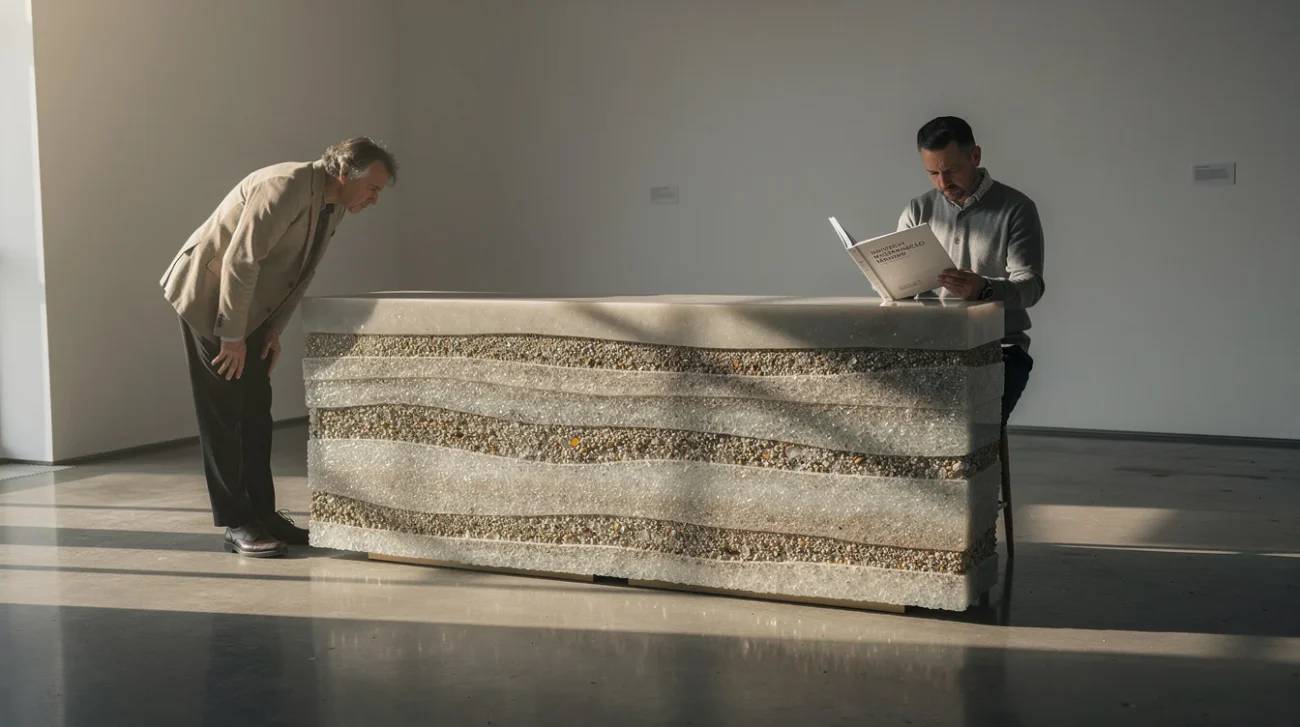
Fernando Mastrangelo’s landscape-inspired furniture raises a difficult question: can collectible design reveal conflict without making it decorative?


Fernando Mastrangelo’s landscape-inspired furniture raises a difficult question: can collectible design reveal conflict without making it decorative?
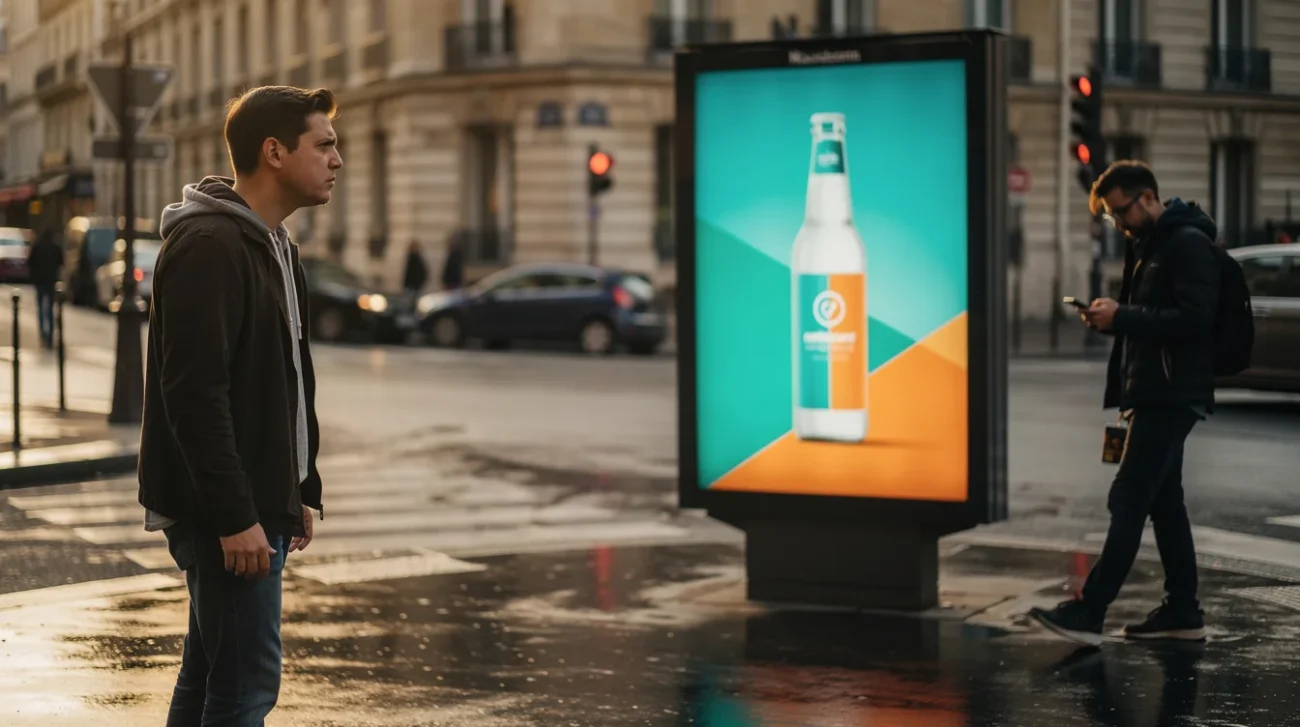
Dysturb’s fictional drink turns branding into a warning about fake news. But can a memorable deception teach lasting habits of verification?
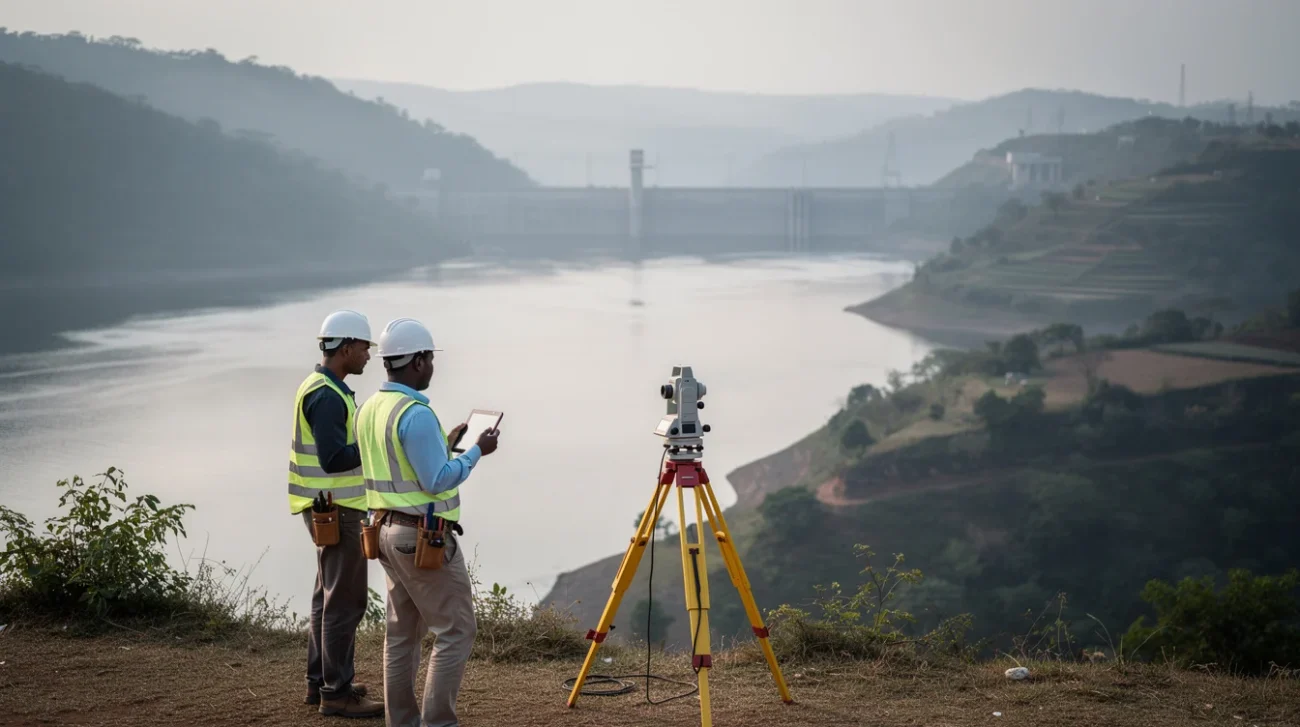
The Grand Ethiopian Renaissance Dam exposes a design conflict: who controls the operating rules that distribute electricity, water security and drought risk?
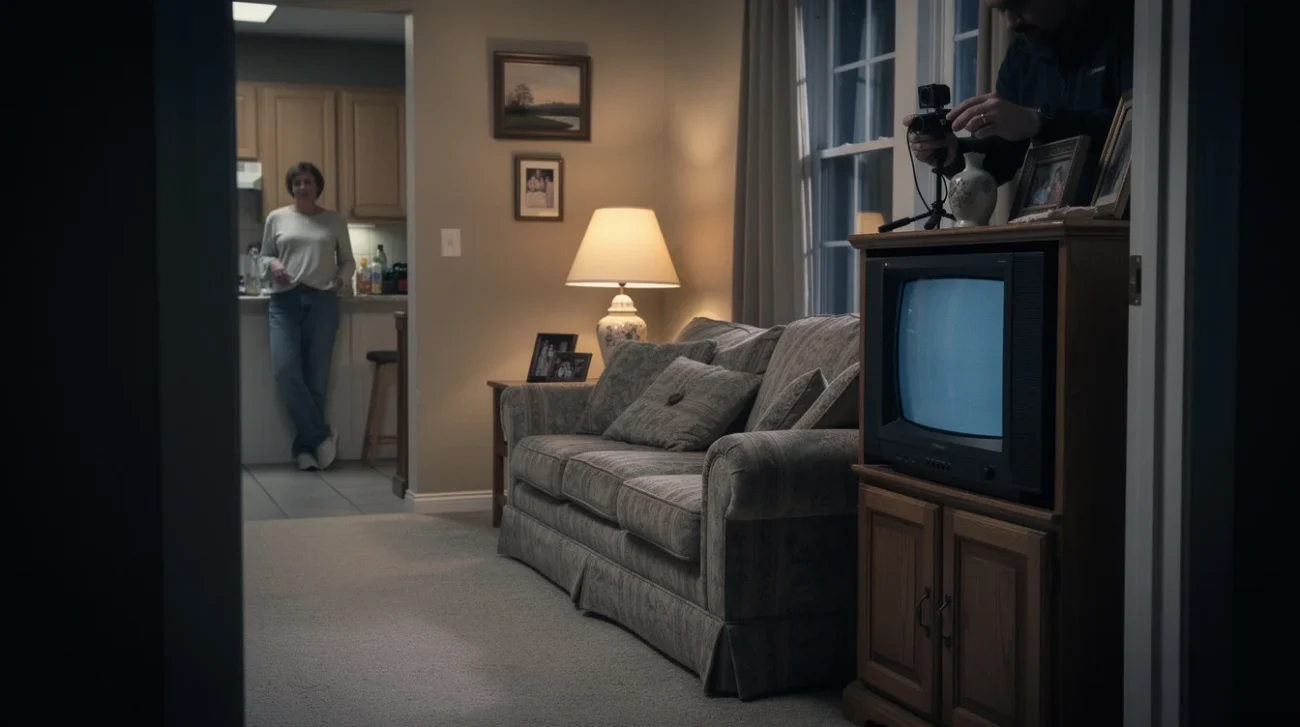
Primetime’s recreated suburban interiors expose how familiar rooms manufacture trust—and how hidden cameras turn domestic privacy into broadcast spectacle.
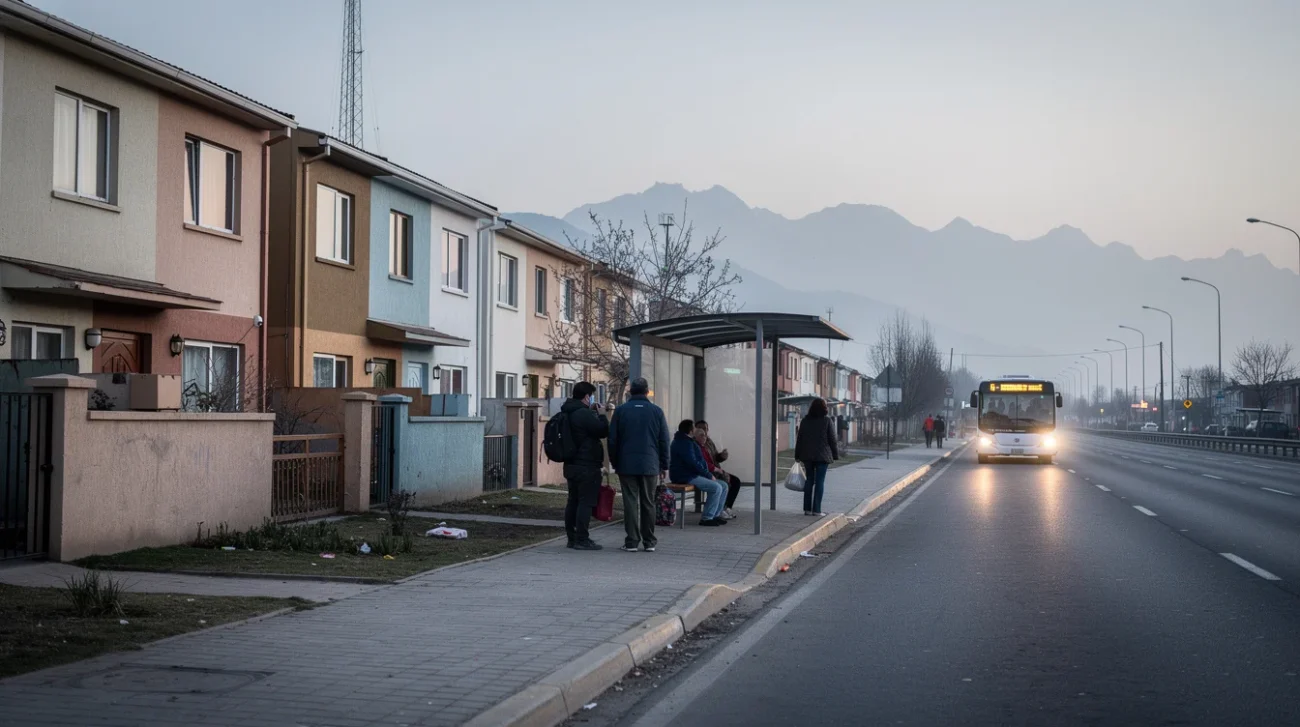
Santiago’s social housing exposes a false economy: cheap land can mean costly journeys. When does peripheral development become the expensive public choice?
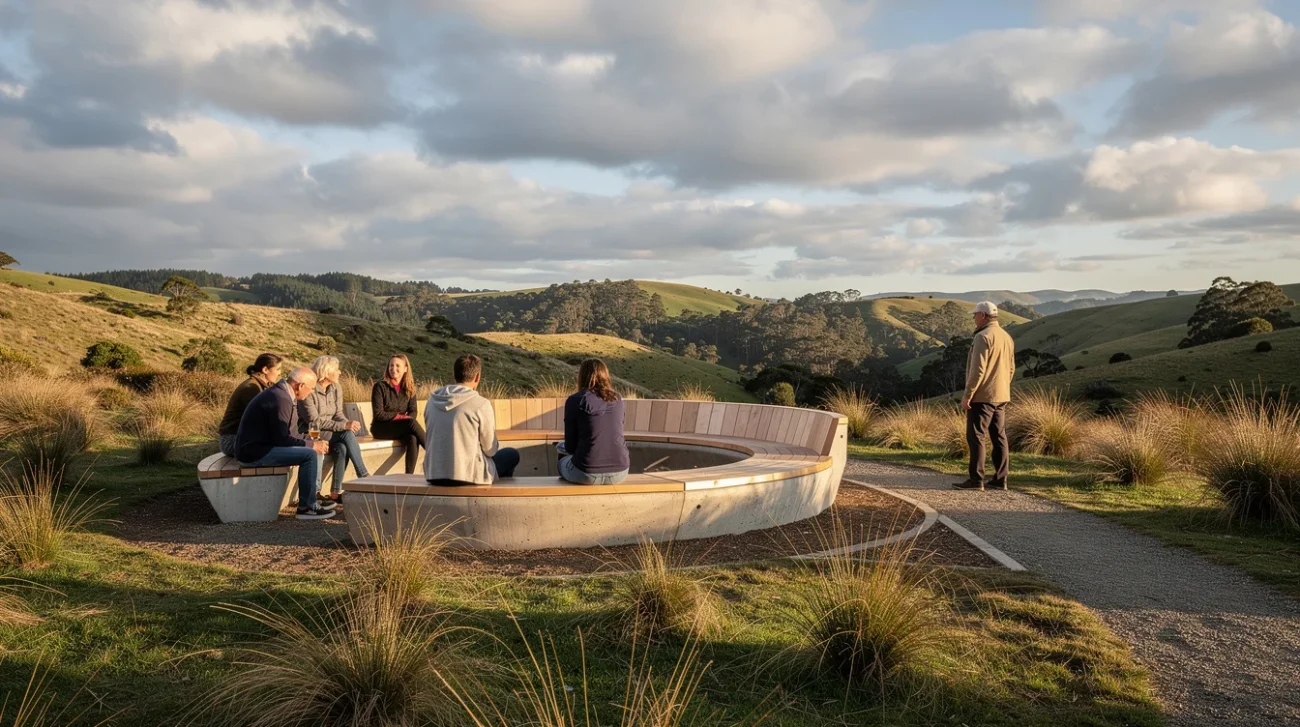
Nebbia’s Interlude asks a provocative question: should millennium-long design guarantee permanence—or leave future generations free to change it?
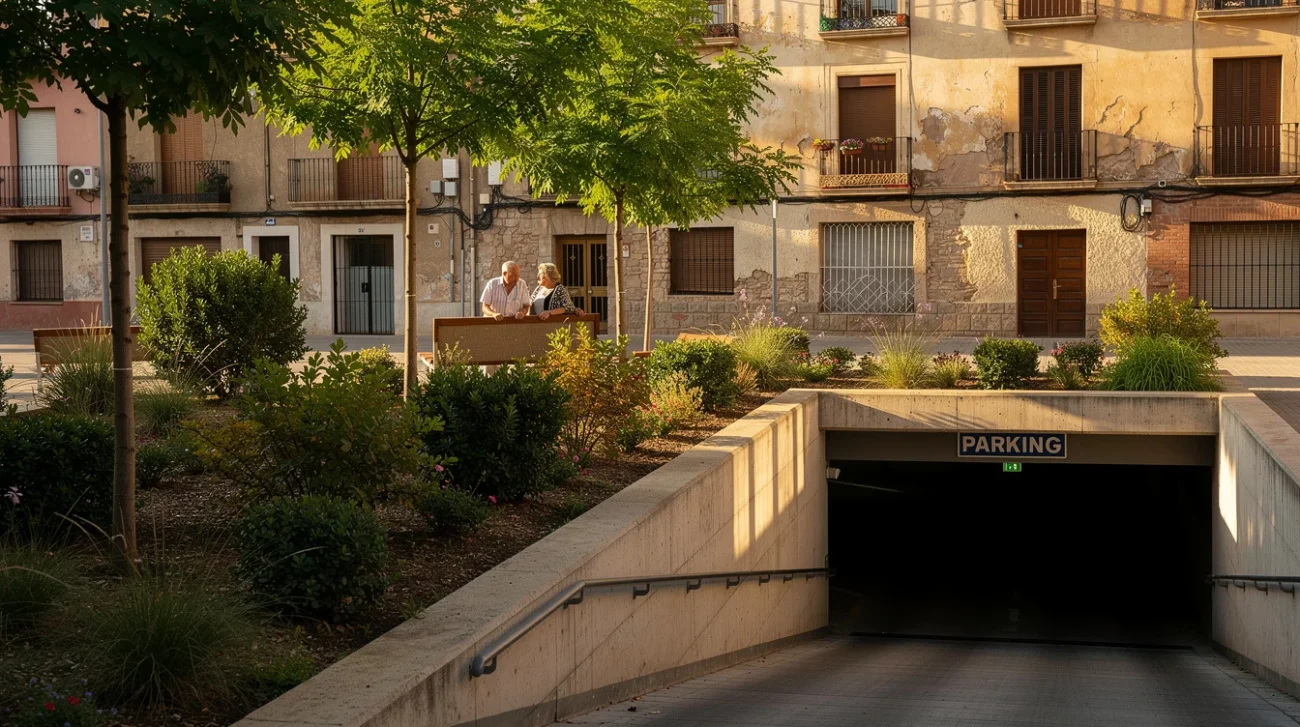
Zaragoza’s Plaza Salamero exposes the bargain beneath urban greening: keep the parking, but negotiate every root, drain and tonne of soil.
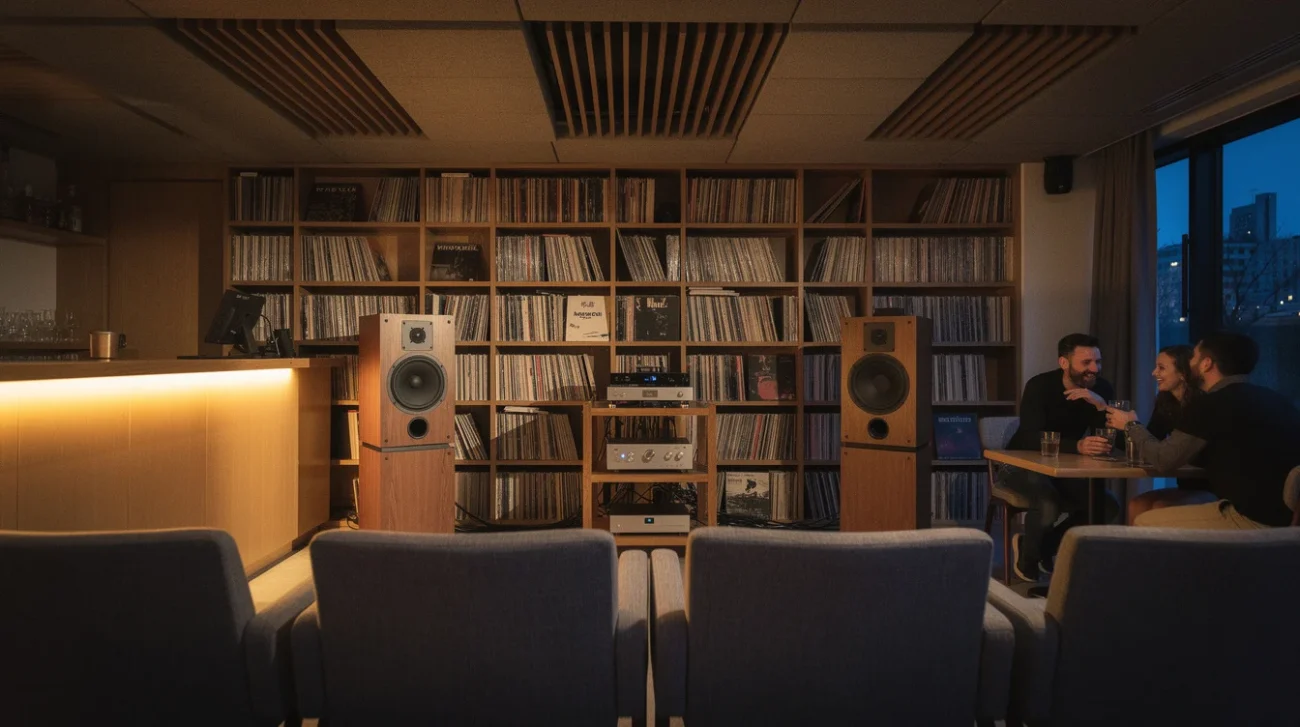
As Japanese listening bars go global, interiors face a choice: organise every seat around perfect sound, or leave room for conversation and conviviality.

Flash Forest’s drones promise rapid reforestation. But forests must be judged by survival, biodiversity and resilience—not millions of seeds scattered.

Scaffolding can survive repeated assembly. But can it support comfortable interiors without sacrificing the reuse that makes it circular?