Francesc Gasch
Founder & Editor, Mainifesto
Founder and Editor of Mainifesto. Barcelona-based designer writing about architecture, design, technology and culture, with responsibility for the publication’s editorial direction and standards.



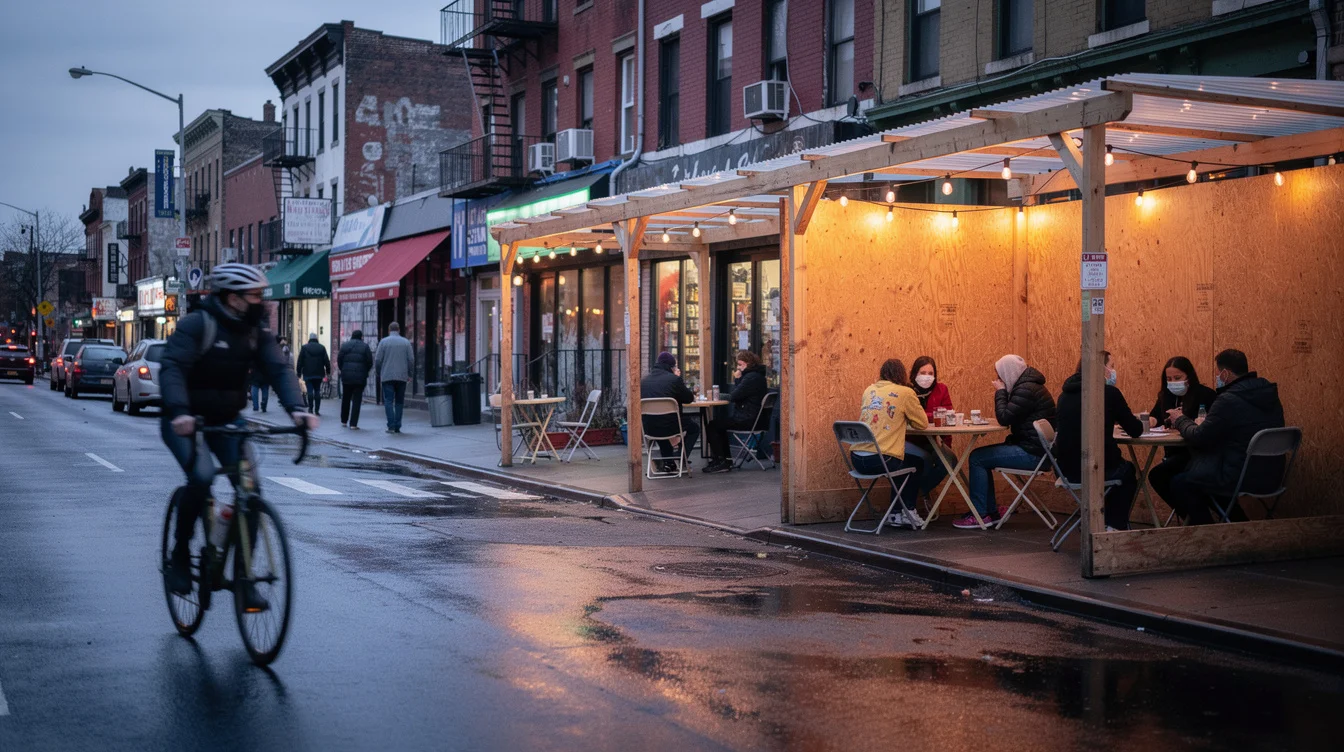
Penny Hardy’s NYC dining shed archive exposes a public-space dilemma: how much freedom should restaurants have to redesign the street?
Arkan’s airless wheels can evacuate casualties or move ammunition. Can designers claim humanitarian value without owning their role in sustaining combat?
EX.’s unfinished house in Turin tests a seductive promise: adaptable living. But who supplies the effort, expertise and money to make openness work?
Stefan Sagmeister’s ekn footwear turns global data into graphics. Can wearable design make evidence accessible without making it impossible to question?
Playfool’s V&A installation makes data-centre cleaning playable. Does it build respect for maintenance workers—or turn their conditions into entertainment?
A £4.9 million London workshop conversion exposes the tension between saving industrial architecture and preserving space for urban production.
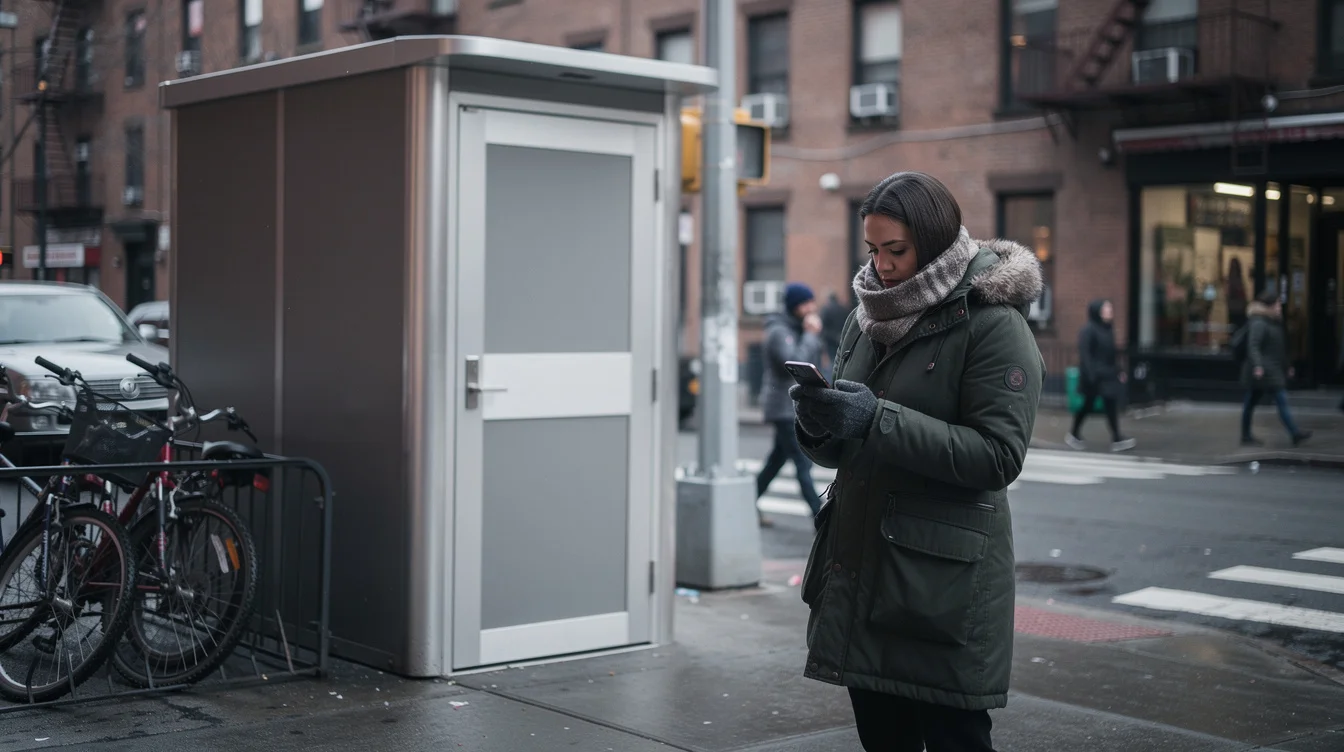
New York’s app-based public toilets test a basic civic promise: immediate, dignified access. What must work when a phone, account, or network fails?
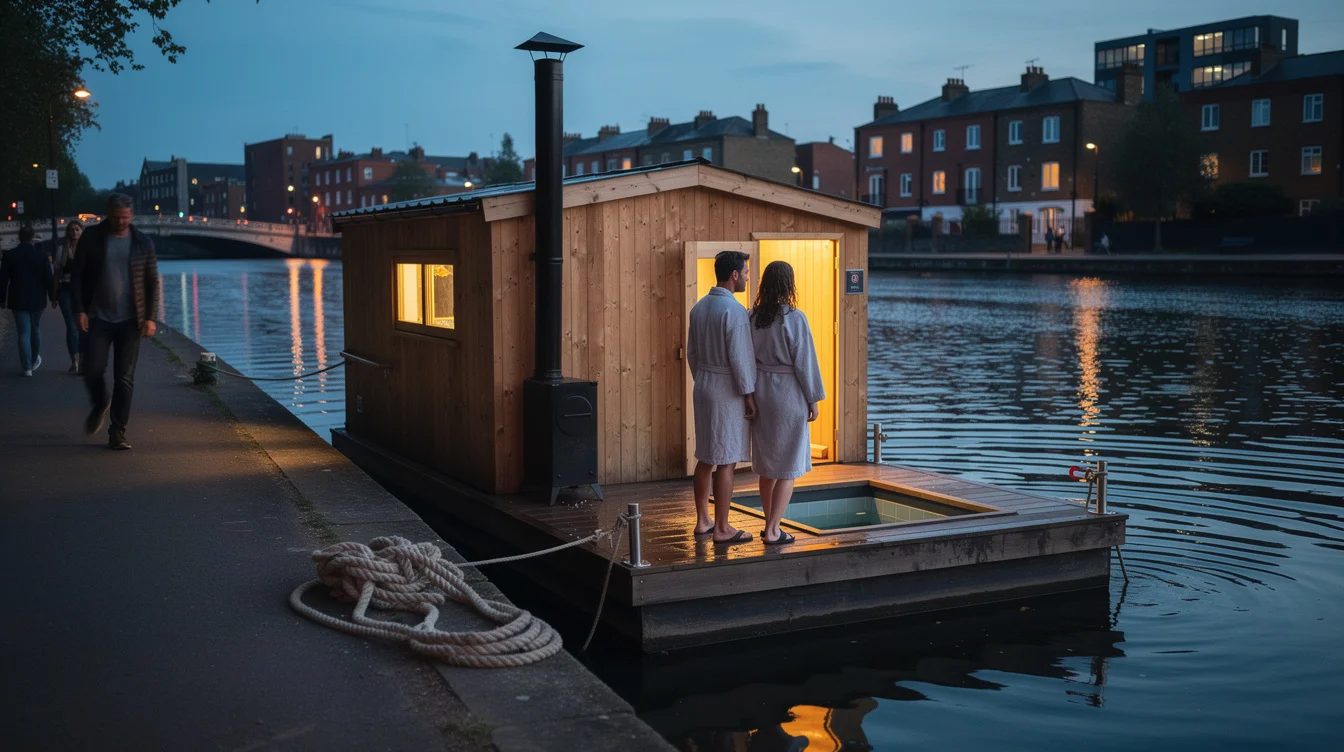
London’s floating Soak sauna tests the green promise of off-grid wellness. Wood fuel, air pollution and water management demand a harder assessment.
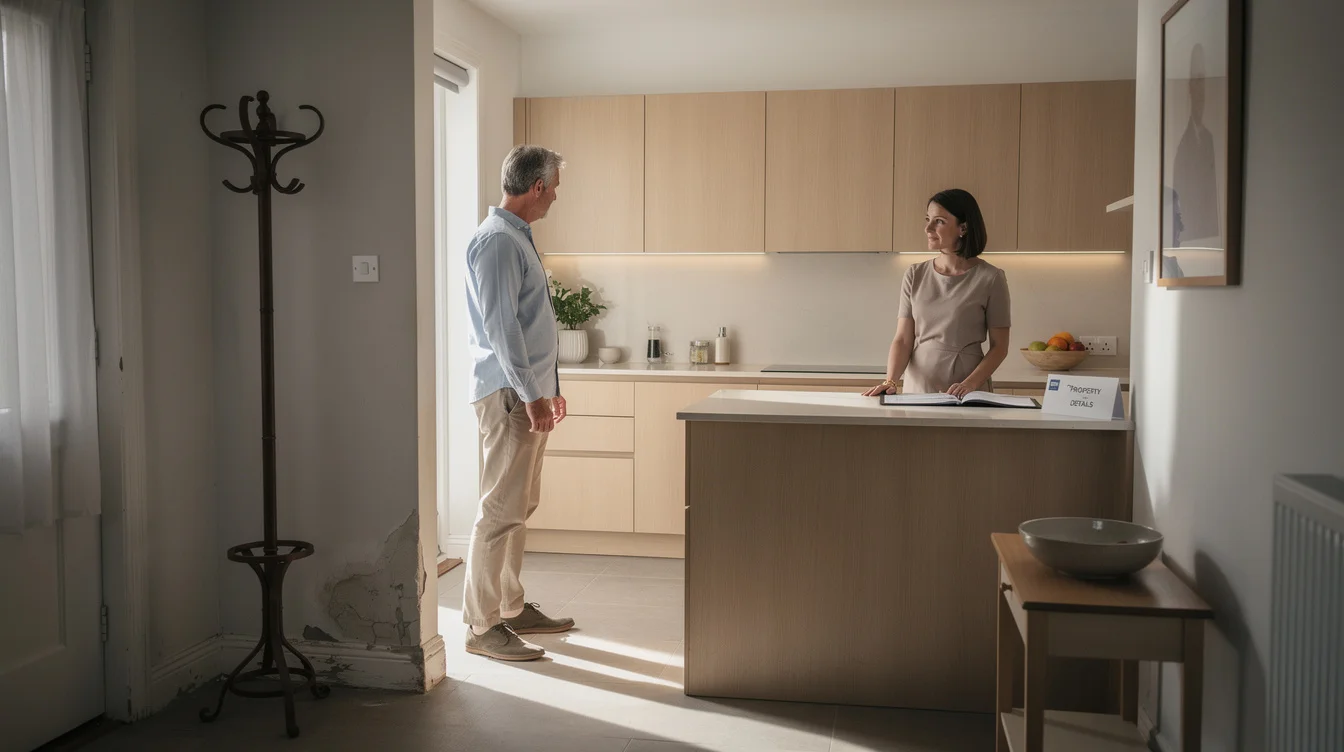
When does renovation become concealment? The ethics of redesigning stigmatized homes—and what buyers deserve to know before moving in.
Can India's stepwell restoration serve residents without sacrificing heritage? The battle is over water safety, historic fabric and who gets to decide.