Does an Audience Vote Make an Art Prize Democratic?
Does an Audience Vote Make an Art Prize Democratic?
A jury resigns. Visitors acquire the power to confer recognition. An institution can present the shift as an opening, but the democratic question has only just begun. According to designboom’s report, Nick Cave and the India Pavilion won the 2026 Venice Art Biennale’s Visitors’ Lions following the international jury’s resignation. That sequence puts two systems of cultural authority into direct confrontation: judgment delegated to appointed specialists and recognition determined by people who attend.
Neither system deserves automatic allegiance. Expertise can harden into a private language of prestige; participation can become a flattering label for consumer preference. The crucial distinction is between making a decision more participatory and making the institution behind it more democratic. Venice’s audience awards may achieve the first without delivering the second.
PRO: Visitors Are More Than an Attendance Figure
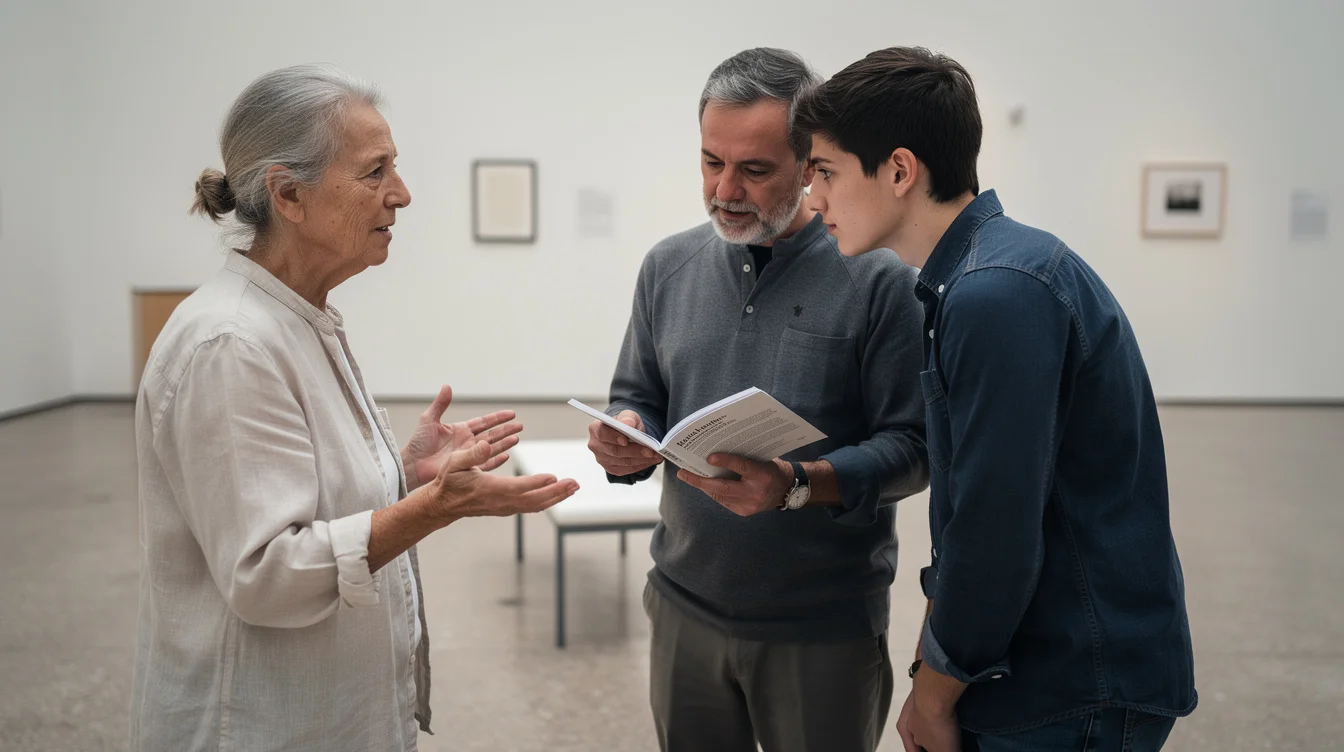
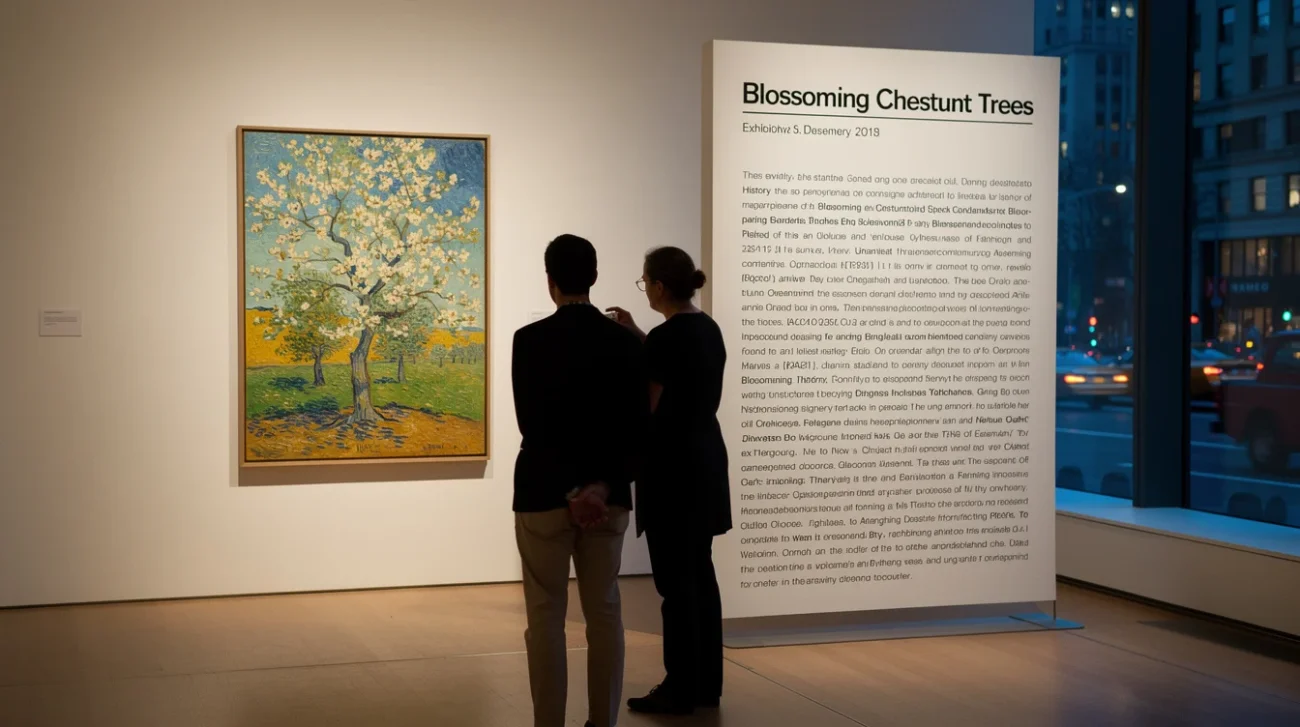
The strongest case for an audience prize is not that experts know nothing. It is that visitors know things an expert panel cannot fully represent. They encounter exhibitions through different professions, cultural memories, disabilities, political experiences and degrees of familiarity with contemporary art. A textile worker may recognize the intelligence of a seam before a critic names its conceptual framework. A visitor with experience of migration may read a border-themed installation against lived knowledge rather than a curatorial bibliography.
Nick Cave’s broader practice makes that argument tangible. His Soundsuits combine sculptural form, elaborate surface and performance, connecting bodily concealment with questions of race, vulnerability and visibility. This is a reference to his established work, not a description of the winning Biennale presentation. Such a practice demonstrates why specialist vocabulary should not be the admission ticket to meaningful judgment: material, movement and emotional recognition can provide equally serious routes into an artwork.
Audience recognition can therefore register something a jury misses: whether a work establishes a relationship beyond the professional circuit that selected and exhibited it. That is not an inferior test. An art world that treats every accessible encounter as intellectual compromise has confused exclusivity with rigor. Giving visitors consequential authority challenges that confusion.
PRO: Public Recognition Can Challenge the Closed Circuit
Professional judgment is never produced outside social networks. Curators, museum directors, critics, galleries and collectors occupy overlapping worlds. This does not make their decisions corrupt, but it does mean that expertise operates within institutions that distribute visibility unevenly. An audience award introduces another constituency into that circuit. A work can gain recognition because visitors advocate for it, not solely because its maker already possesses the right institutional endorsements.
Olafur Eliasson’s The Weather Project at Tate Modern in 2003 offers a useful precedent for taking audience response seriously. Visitors gathered beneath an artificial sun and mirrored ceiling, turning the installation into a collective social setting. Their behavior was not incidental decoration around the artwork; it helped reveal what the work could do. Similarly, the participatory installations of Rirkrit Tiravanija, including his early meals served in gallery settings, make public use inseparable from artistic meaning.
A visitor prize can acknowledge that reception is part of cultural production. In Venice, recognition for a national presentation also has the potential to redirect attention beyond the names most amplified by established gatekeepers. The India Pavilion’s reported win matters in that specific sense: audiences become active distributors of prestige. Properly distinguished from a specialist award, a Visitors’ Lion need not abolish expertise. It can break its monopoly.
CONTRA: The Electorate Has Already Been Selected
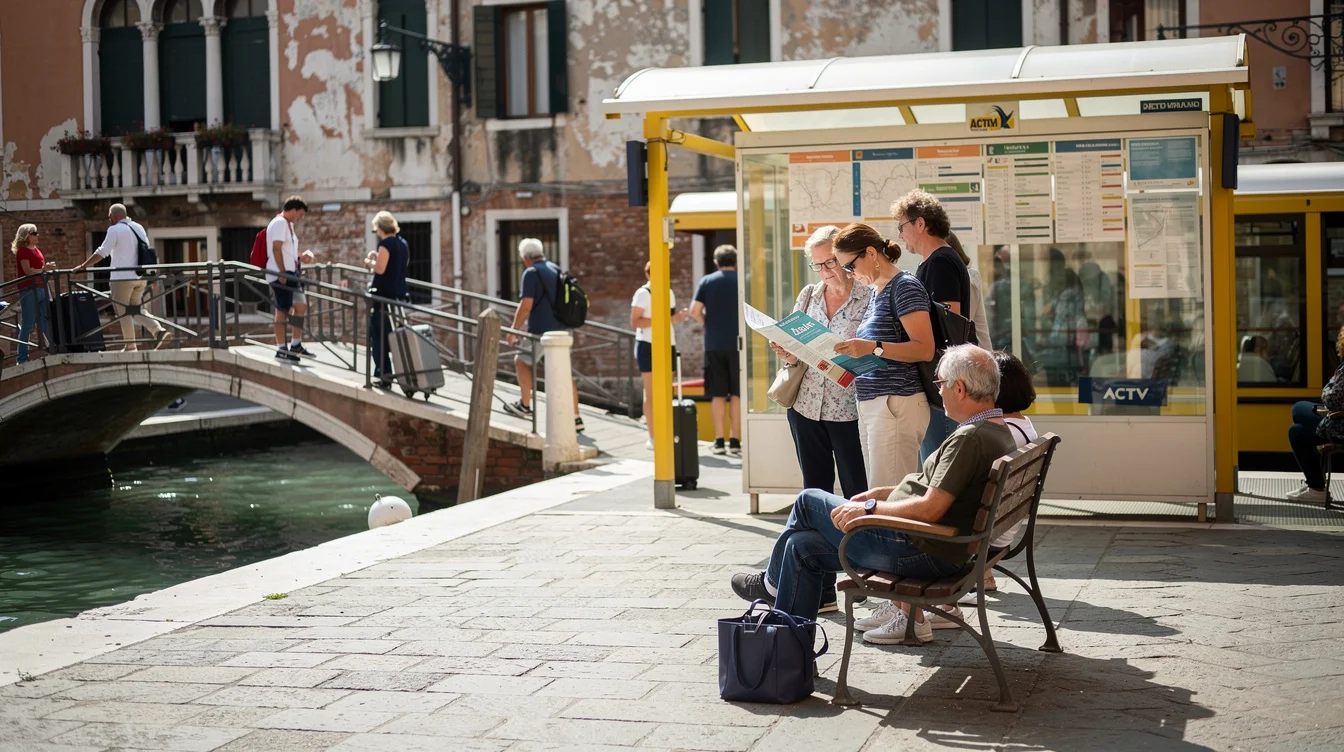
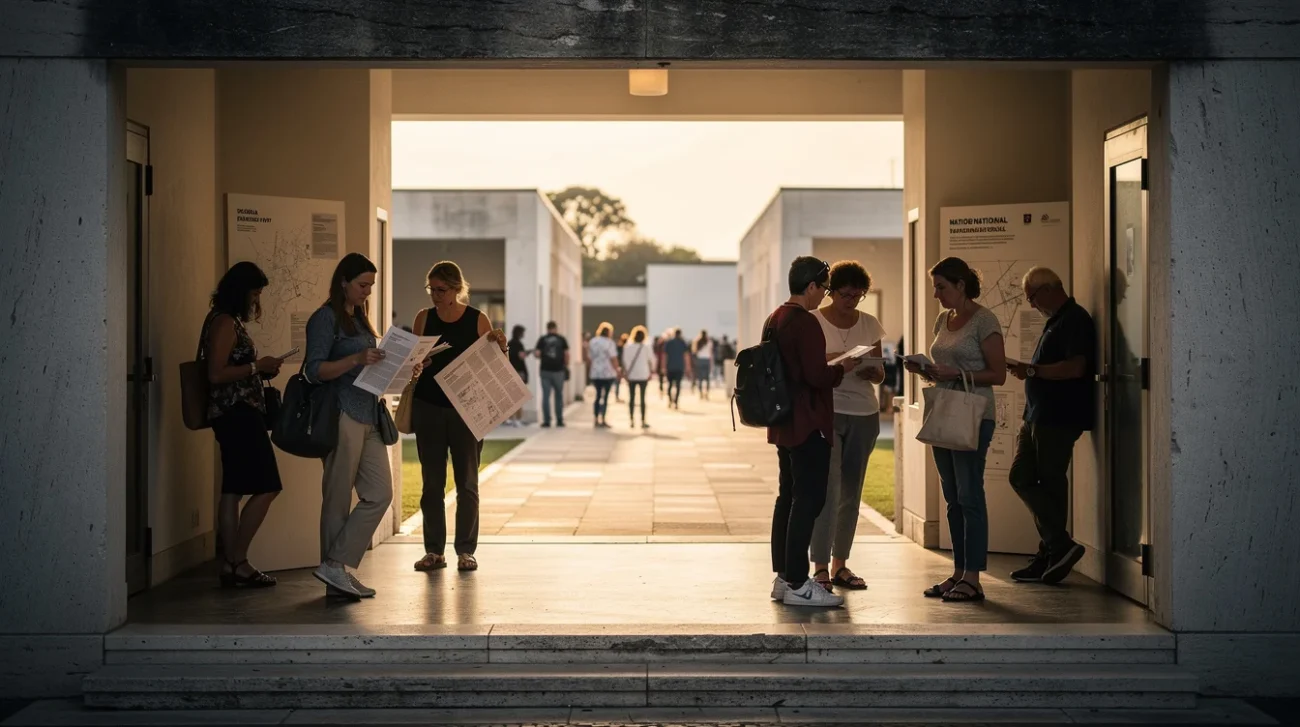
The democratic claim weakens as soon as we ask who can reach the ballot. Venice is not a neutral meeting room. Travel, accommodation, admission, time away from work, visa requirements and the physical demands of moving through the city shape its audience. Local residents, students and visitors on modest budgets do attend, but their presence does not erase those filters. A visitor electorate is a self-selecting public, not a representative sample of everyone with a stake in culture.
Architecture adds another layer of selection. Within a sprawling exhibition, routes, entrances, queues, seating and navigational clarity affect what gets seen. A visitor with two hours cannot compare presentations as comprehensively as someone with several days. A wheelchair user may experience a different practical itinerary from a visitor who can move easily across bridges and between venues. These are not peripheral logistics: they condition the pool of encounters from which a preference emerges.
The national pavilion model compounds the issue because presentations arrive with unequal resources for production, staffing and promotion. A ballot cannot automatically correct those imbalances. When exposure is unequal, equal votes do not necessarily produce equal opportunity. Calling the result democratic risks concealing how money, geography and available time have already helped construct the electorate—and its choices.
CONTRA: Popularity Is a Verdict, Not an Argument
A vote records a preference; it does not necessarily explain it. Visitors might reward formal invention, political identification, emotional intensity, familiarity or the pleasure of an impressive photograph. None of those motives should be dismissed outright. The difficulty is that a total merges them into one apparently decisive number. Without clear eligibility rules, voting procedures and participation figures, the authority of the result is difficult to assess. The supplied report establishes the winners and the jury’s resignation, not a complete audit of the voting system.
Some important art also works against immediate approval. Hans Haacke’s Shapolsky et al. Manhattan Real Estate Holdings, a Real-Time Social System, as of May 1, 1971 uses photographs, maps and property information to expose networks of ownership. Its force depends on sustained attention to evidence. It is not reasonable to assume that every demanding, quiet or research-intensive presentation will communicate its stakes within a crowded visitor’s itinerary.
A specialist jury is no guarantee of courage or fairness. Its defensible advantage is the possibility of comparative deliberation: members can revisit works, challenge one another and explain their criteria. An audience tally alone offers no equivalent obligation to give reasons. Replacing an opaque jury with an opaque vote changes who chooses without necessarily improving how authority is justified. The resignation should prompt scrutiny of institutional governance, not simply a more photogenic story about empowerment.
FAQ: What Would Make an Audience Prize Legitimate?
Does an audience vote make an art prize democratic?
It makes the decision participatory for eligible voters. A stronger democratic claim requires attention to access, representation, transparent rules and accountability. A Visitors’ Lion can legitimately express its participating audience’s preferences without claiming to represent the public as a whole.
Why retain an expert jury if visitors can choose?
Specialists can contribute historical knowledge, sustained comparison and reasoned deliberation. Visitors contribute a different account of how works connect with people. Keeping the awards distinct would make these competing judgments visible rather than pretending either constituency speaks for everyone.
What safeguards would strengthen a visitor award?
Publish eligibility rules, voting dates, duplicate-vote protections, participation totals and the method used to determine winners. Explain how visitors receive information about eligible works. These measures would make the process assessable, although they would not eliminate the inequalities that shape attendance.
What should Venice change beyond the ballot?
Make participation less dependent on wealth, mobility and professional connections through targeted access support, accessible interpretation and opportunities for wider public deliberation. Most importantly, explain how institutional decisions are made. Democracy is not an emergency substitute for governance; it is a demand that governance itself become answerable.
If the people unable to enter the exhibition cannot enter its electorate, whose democracy does an audience prize actually celebrate?
Watch the Mainifesto Short
Get the Mainifesto weekly — curated design debates, speculative ideas and the week's best articles every Saturday.
Editorial Perspectives
Questions and counterpoints developed by the Mainifesto editorial desk to extend the discussion.
Perspective 1
I’m for an audience prize: people who spend time with a work can notice the care in a joint, a surface, or a material choice that a jury’s statement barely mentions. The cost of getting through the door needs tackling, but that’s a reason to widen access—not dismiss the judgment of those who do come.
Perspective 2
I don’t buy the democratic claim: a vote taken after travel costs, accommodation, and admission have filtered the electorate is a visitor preference survey. Before calling it public judgment, show us who attends—and who cannot.
Perspective 3
An audience votes on the encounter we’ve staged, not just the artwork. A generous pool of light, a quiet room, or space to linger can change what stays with someone; I’d want that shaping of attention acknowledged alongside the result.