
Can Public Research Settle Architectural Taste?
Can Public Research Settle an Argument About Architectural Taste?
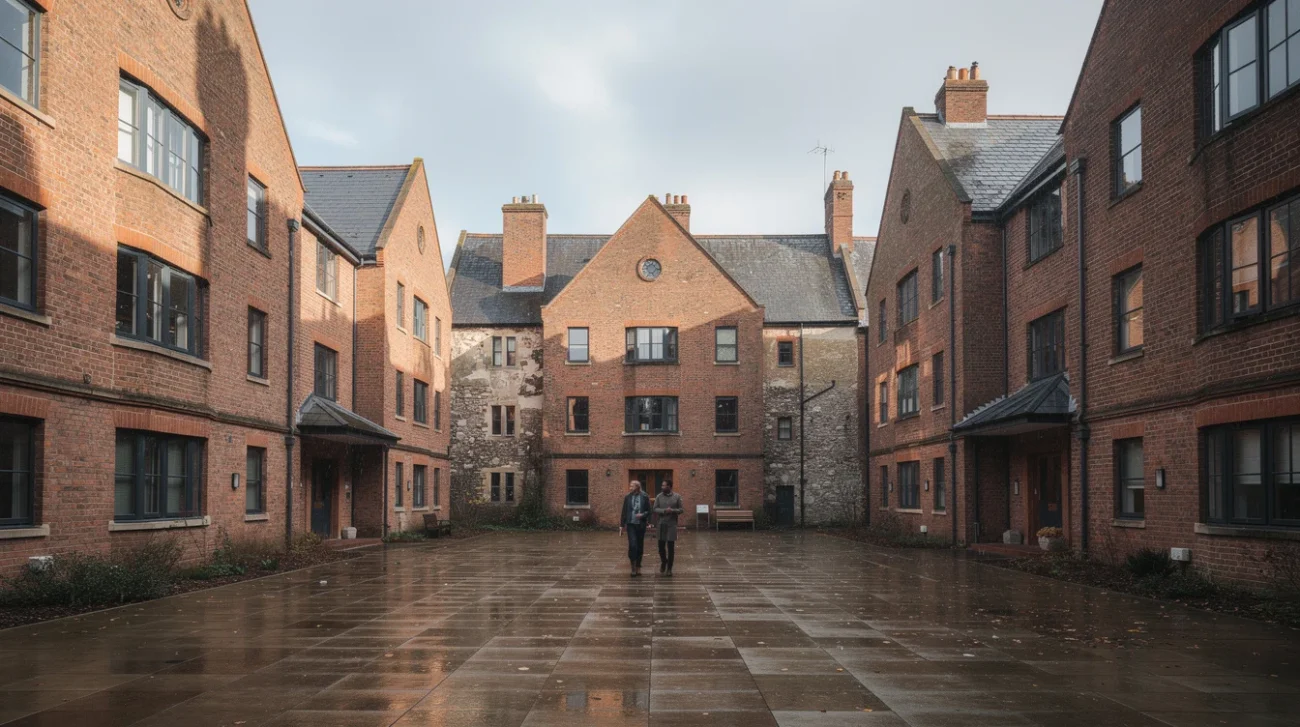
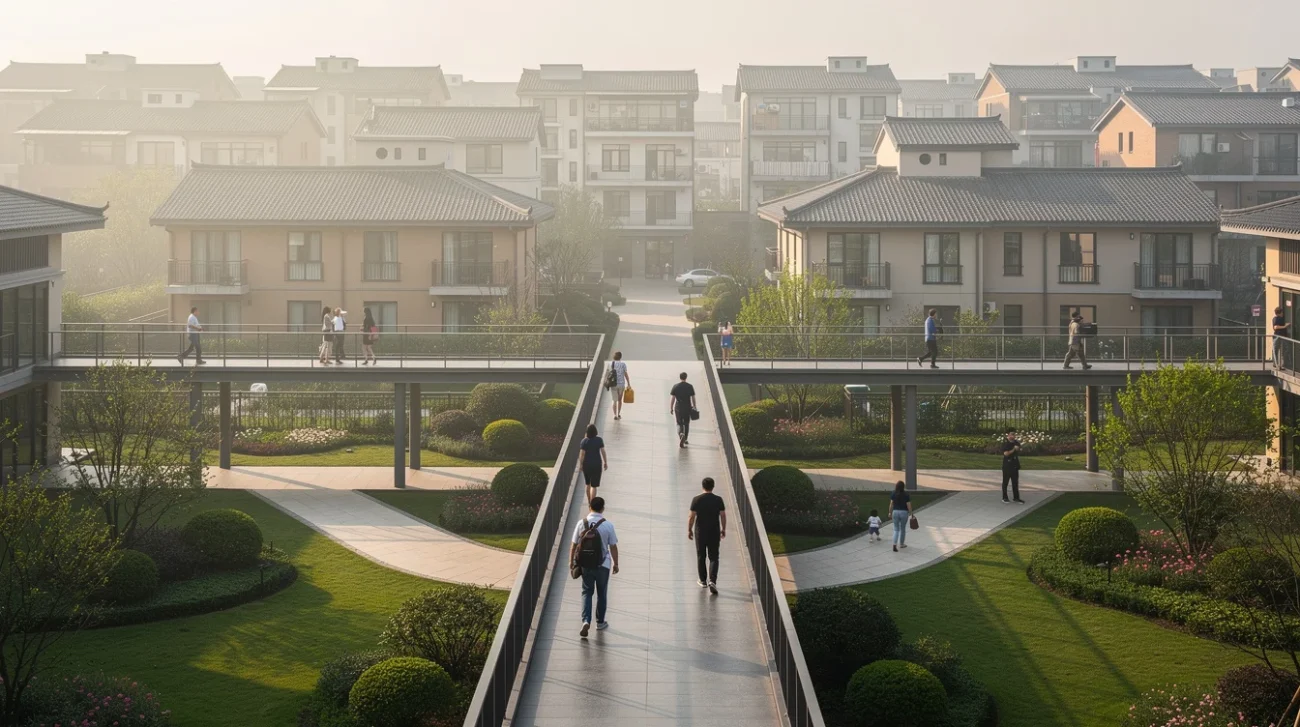
Thomas Heatherwick has made architectural boredom a public enemy. Now his campaign is entering a more consequential arena: research that could influence how places are commissioned, assessed and governed. According to Dezeen’s report of 1 October 2026, Humanise, the organisation established by Heatherwick, has embarked on a £1.5 million research partnership involving the University of Glasgow and UK Research and Innovation. Its title, Delivering Humanised Places, promises to investigate how beautifying the UK’s streetscapes might improve wellbeing.
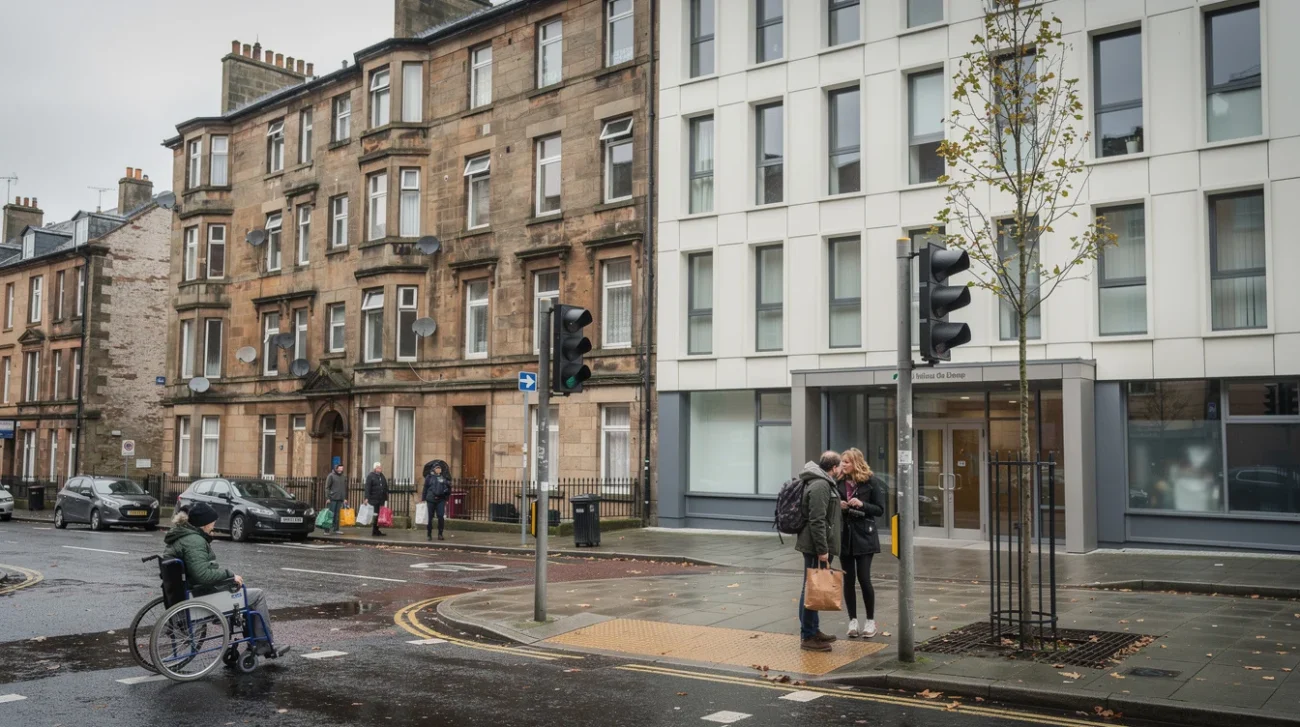
The ambition deserves attention. So does the loaded premise. Calling contemporary development a “blandemic” turns an aesthetic diagnosis into something resembling a public-health emergency. But a blank frontage, an inaccessible pavement and an unaffordable neighbourhood are not interchangeable failures. The argument is not whether architecture affects us. It is whether research can distinguish what genuinely helps people from what an influential designer believes they ought to enjoy.
PRO: Everyday Streets Deserve More Than Minimum Compliance
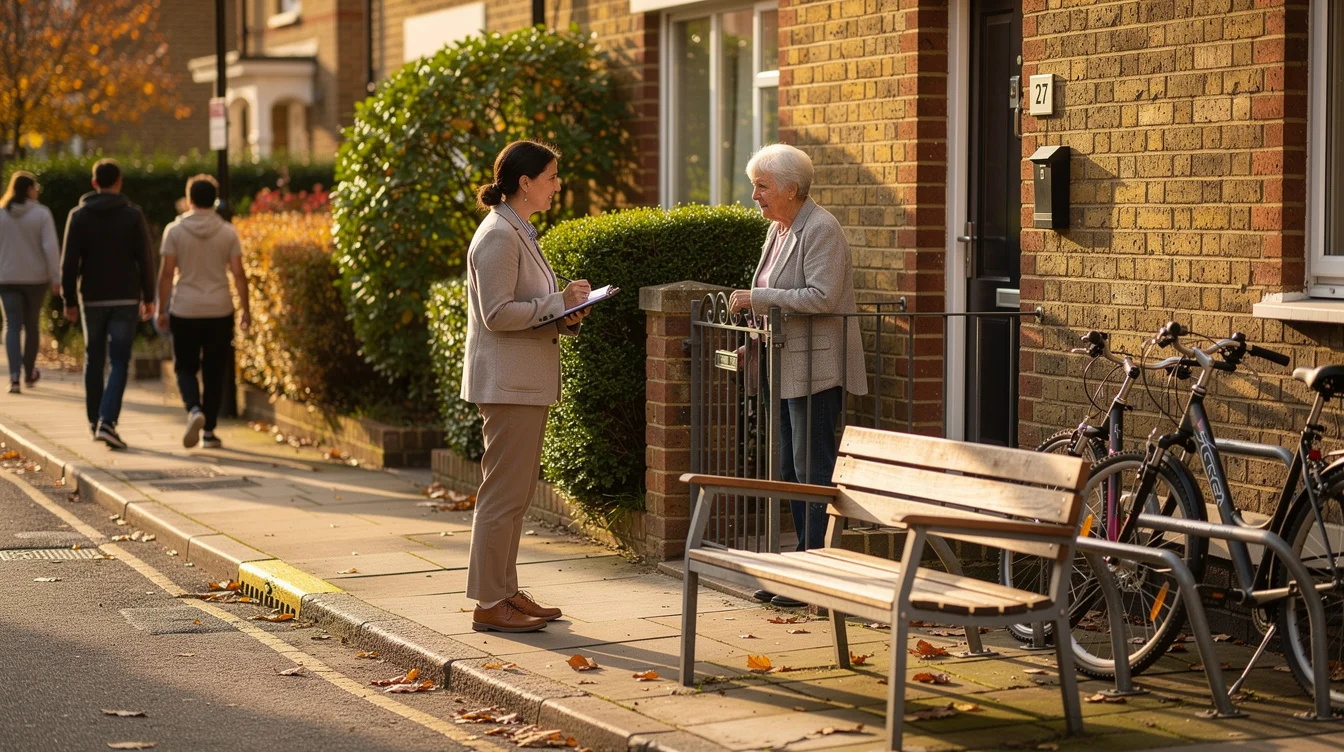
The strongest case for this partnership begins with an obvious institutional failure: development can satisfy technical requirements while remaining miserable to encounter. Planning drawings account for boundaries and floor areas more readily than the experience of walking beside a sealed podium in February. A street can be legally accessible yet offer nowhere comfortable to pause. Research could make those omissions harder to dismiss as subjective complaints.
Jan Gehl’s public-life studies offer a useful precedent. Counting pedestrians, observing stationary activities and examining where people sit shifts the discussion from an architect’s intentions to a place’s actual use. Such methods do not reveal a universal formula for beauty. They can, however, expose the gulf between a photogenic public space and one that supports ordinary life.
Norwich’s Goldsmith Street, designed by Mikhail Riches with Cathy Hawley, demonstrates why architectural quality should not be reduced to decorative expenditure. Its brick terraces combine a recognisable street form with Passivhaus performance and carefully arranged shared spaces. The relevant research question is not simply whether residents prefer brick. It is how enclosure, daylight, thresholds, thermal comfort and opportunities for encounter work together.
Research earns its place when it makes neglected experiences legible. If Delivering Humanised Places helps commissioners demand welcoming entrances, comfortable pedestrian routes and buildings that acknowledge the pavement, it could challenge an industry too willing to present indifference as efficiency.
PRO: Evidence Could Make Quality Less Exclusive
There is also a democratic argument for translating environmental quality into policy. Without enforceable expectations, attractive, well-maintained surroundings risk becoming premium products. Developers can sell character to affluent buyers while offering everyone else the cheapest compliant envelope. Declaring aesthetic experience irrelevant does not abolish taste hierarchies; it leaves their distribution to purchasing power.
Cambridge’s Marmalade Lane, designed by Mole Architects, offers a different reference point. Its cohousing arrangement links architecture to shared facilities and collective life. Liverpool’s Granby Four Streets, where Assemble worked with a community land trust, connects material character to resident-led regeneration. Neither project supplies a ready-made national style. Both suggest that the quality of a place depends partly on what people can do together and what control they retain.
A useful research programme could investigate these relationships rather than merely rank facade photographs. Proposed methods might combine walking interviews, observations across seasons and assessments before and after improvements. Findings should distinguish visual preference from reported wellbeing, and both from demonstrable changes in behaviour. Researchers would also need to account for traffic, maintenance, tenure and greenery rather than credit architecture for every positive response.
The policy prize is substantial: public expectations for care, not a compulsory look. Evidence might justify better ground-floor interfaces, repairable materials or more welcoming places to stop. It could strengthen residents’ demands without requiring them to speak the language of design review panels.
CONTRA: A Campaign’s Diagnosis Must Not Become the Answer
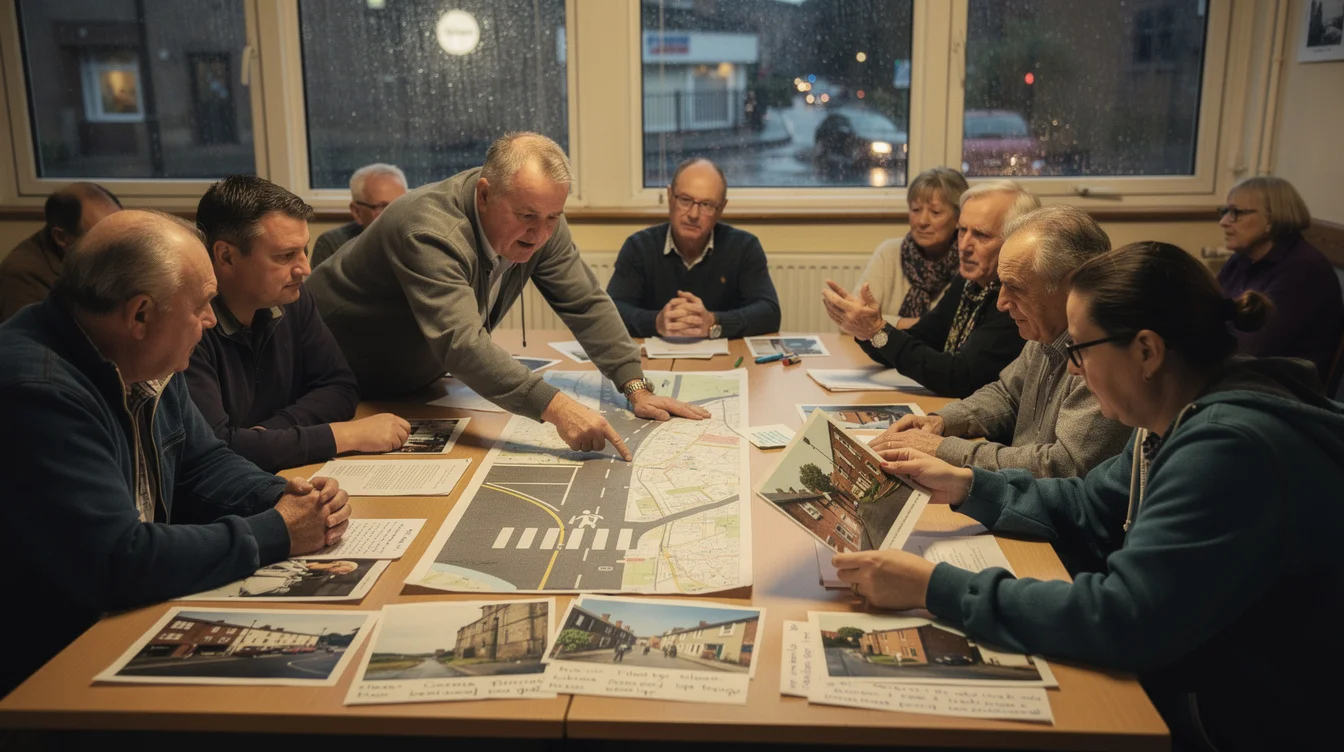
The strongest objection is not that beauty cannot be studied. It is that an advocacy campaign arrives with an argument already assembled. Humanise opposes dull development; its founder has a distinctive architectural position. That does not invalidate the partnership, but it makes independent research governance essential. Academic participation must test the campaign’s assumptions, not provide a university seal for them.
Consider the difference between asking whether people prefer “boring” or “engaging” buildings and asking them to describe a street in their own terms. The first comparison rigs the emotional vocabulary. Similar distortions can enter through photographs: sunshine, mature trees, empty roads and spotless surfaces can make one architectural treatment appear inherently healthier than another. Preference experiments need careful controls and explicit limits.
Heatherwick Studio’s textured, planted residential towers at EDEN in Singapore and the austere concrete forms of London’s Barbican illustrate the difficulty of reducing engagement to one visual language. Richness may reside in an expressive facade, but also in a sequence of walkways, changing light or accumulated familiarity. A single image can miss the experience that makes an apparently severe place meaningful.
Public research cannot settle taste by averaging it. A majority preference is not automatically a mandate. Older residents, teenagers, disabled pedestrians and different cultural communities may read the same environment differently. Disagreement is evidence about the public, not statistical debris to be swept away.
CONTRA: Beautification Can Conceal the More Expensive Questions
The second objection concerns what aesthetic policy might displace. A development can have intricate brickwork and punishing rents. A visually modest estate can sustain precious networks of care. If a wellbeing framework rewards appearance while treating security of tenure, accessible transport and maintenance as someone else’s responsibility, it risks measuring the easiest improvements rather than the most consequential ones.
Lacaton & Vassal’s transformation work offers a pointed counterexample. At Grand Parc Bordeaux, undertaken with Frédéric Druot and Christophe Hutin, the addition of winter gardens and balconies expanded existing homes rather than replacing the housing blocks. The lesson is not that this aesthetic should become compulsory. It is that generosity can mean additional usable space and continuity of occupation, not the correction of an allegedly offensive exterior.
Nor is a public preference for greenery a licence to prescribe planted facades everywhere. Someone must irrigate, maintain and eventually replace them. Someone also bears the service charges. Research that records an immediate favourable reaction but ignores long-term cost could help produce streets that look caring while transferring obligations to residents.
The partnership should therefore be judged on safeguards as much as findings: transparent methods, declared interests, published uncertainty and meaningful resident influence over the questions. These are standards to demand, not arrangements established by the announcement. Beauty policy becomes paternalism when people may choose the finish but cannot challenge the priorities. Research can inform that argument; it cannot legitimately close it.
FAQ: Architectural Taste, Research and Public Power
What is Delivering Humanised Places?
It is a £1.5 million research partnership involving the University of Glasgow, UK Research and Innovation and Humanise, the campaign established by Thomas Heatherwick. According to the source report, it will explore how beautifying the UK’s streetscapes could improve wellbeing. The announcement alone does not establish its eventual findings.
Can research prove that one architectural style improves wellbeing?
Research can investigate responses to particular environments, but proving that a whole style causes better wellbeing is much harder. Noise, shade, maintenance, income and familiarity can affect results. Strong evidence must distinguish immediate visual preference from sustained experience and avoid treating correlation as proof of causation.
How could beauty influence policy without imposing a style?
Policy could prioritise outcomes such as pedestrian comfort, welcoming entrances and usable shared space while allowing different architectural responses. Any criteria should be tested locally and assessed alongside affordability, accessibility and environmental performance. An evidence-based brief need not become a catalogue of approved facades.
What role should residents have in the research?
Residents should help define the questions, identify trade-offs and interpret results, rather than merely select favourite images. Participation should include people often absent from consultations and make disagreements visible. Lived experience is not an obstacle to expert knowledge; it is one of the things expertise must answer to.
If research identifies a streetscape that most people prefer, but residents prioritise cheaper homes, familiar buildings or better maintenance, whose definition of architectural wellbeing should shape the street?
Watch the Mainifesto Short
Get the Mainifesto weekly — curated design debates, speculative ideas and the week's best articles every Saturday.
Editorial Perspectives
Questions and counterpoints developed by the Mainifesto editorial desk to extend the discussion.
Perspective 1
I welcome research that makes architects defend their aesthetic preferences in public; the profession’s cultivated intuition is hardly beyond examination. Since Lefebvre, we should know that everyday experience matters more than the architect’s signature, and wellbeing research could give that experience real weight in policy. Cheap housing and decent streets are not opposing ambitions, whatever the budget meeting suggests.
Perspective 2
I’m against turning a majority taste preference into another design requirement residents end up paying for. If people want lower rents, buildings they recognise and drains that work, that’s the brief—not an obstacle to somebody else’s definition of wellbeing.
Perspective 3
Before using the findings, I’d want to know whether people judged images or spent time on the streets being studied. A preferred façade tells us little about summer shade, accessibility or the stress of rising rent. Let residents set the priorities, then use research to test which designs actually deliver them.
Perspective 4
Who counts as ‘most people’—owners, tenants, commuters, or people already priced out? In Beirut or Dubai, the same attractive streetscape can sit within radically different systems of tenure and public access. Unless the research accounts for who can stay and who pays for upkeep, it cannot tell us whose wellbeing improves.