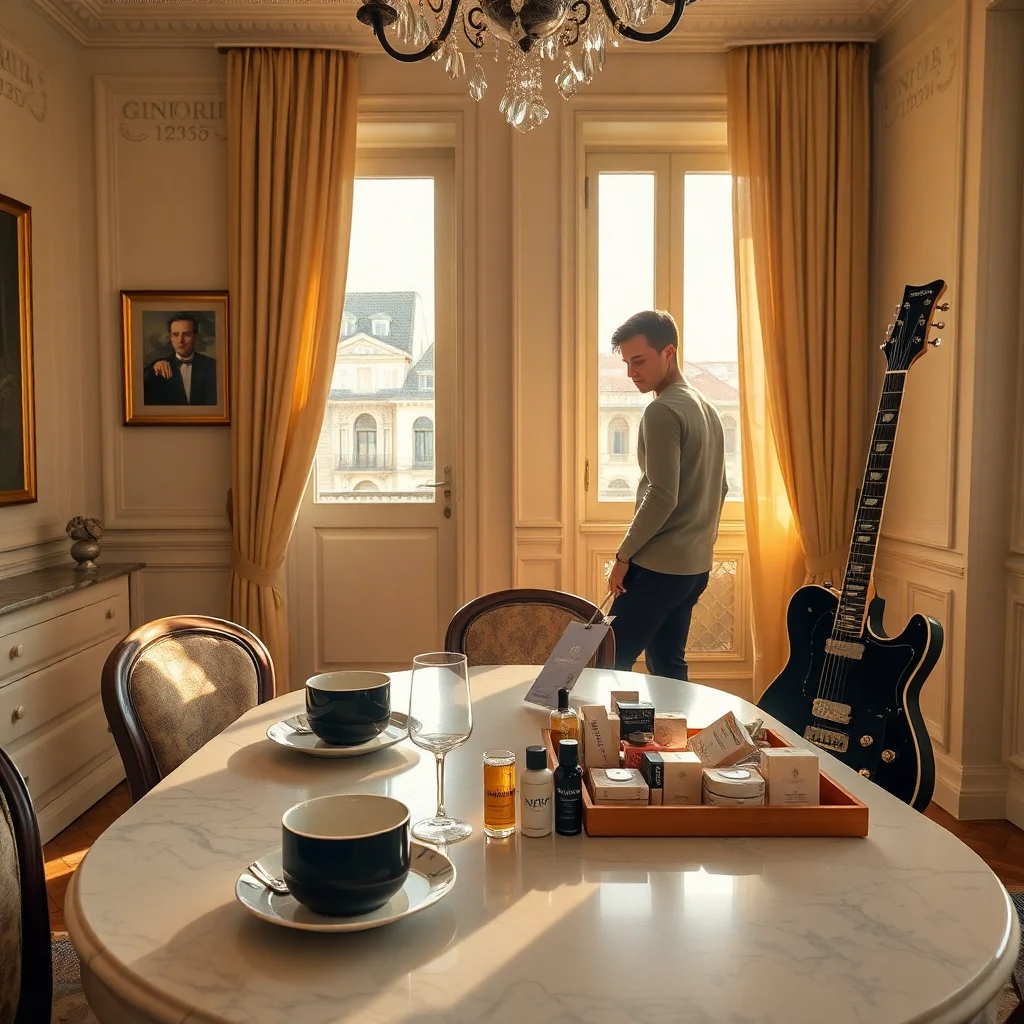
From Telecasters to Ginori, iconic objects endure by staying legible, desirable, and endlessly shareable.


From Telecasters to Ginori, iconic objects endure by staying legible, desirable, and endlessly shareable.
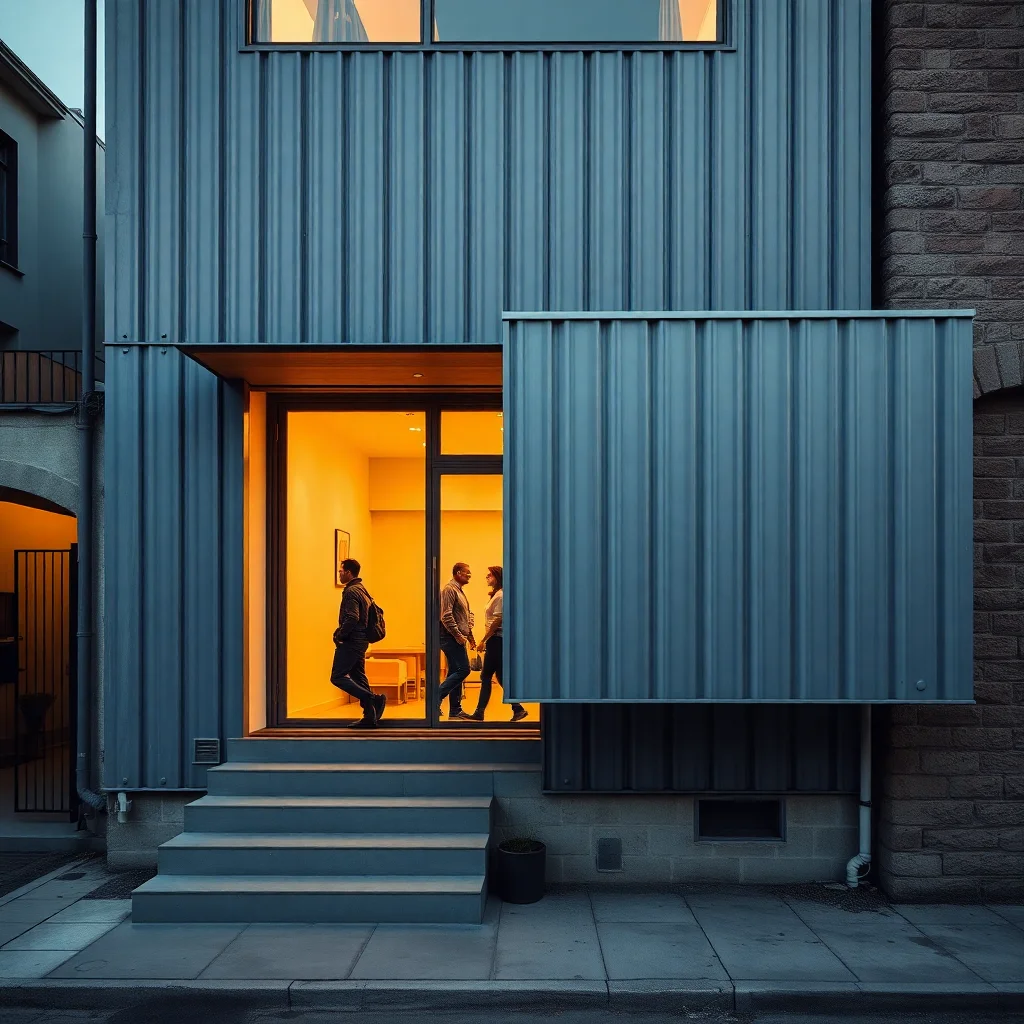
Tbilisi’s operable steel skin rethinks security, light, and domestic openness—while reviving the aesthetics of fortification.
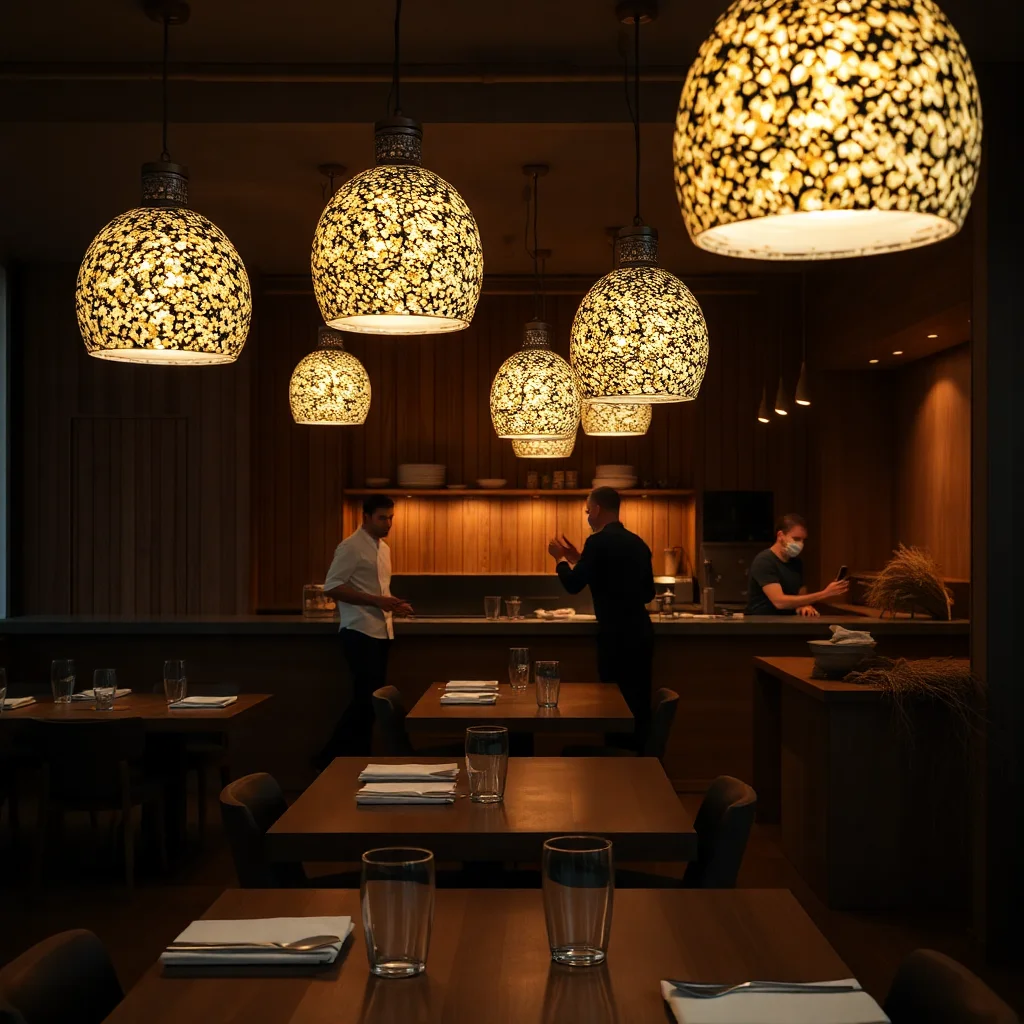
Seaweed lighting and bamboo kitchens signal a future where waste streams become premium interior materials.

Watch brands are shifting from motorsport to cycling, revealing luxury’s move from speed fantasy to urban credibility.
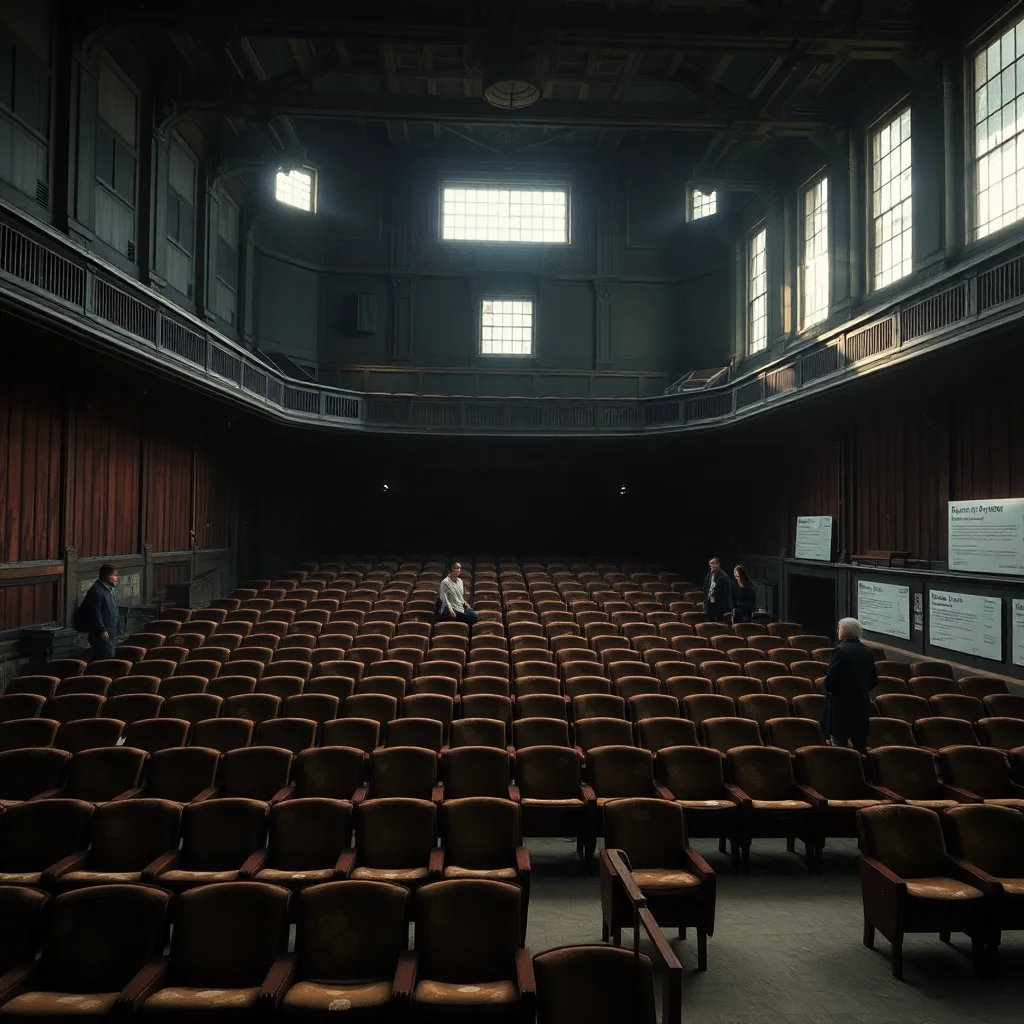
Adaptive reuse may rescue theaters and cinemas—but at what cost to memory, gathering, and civic life?
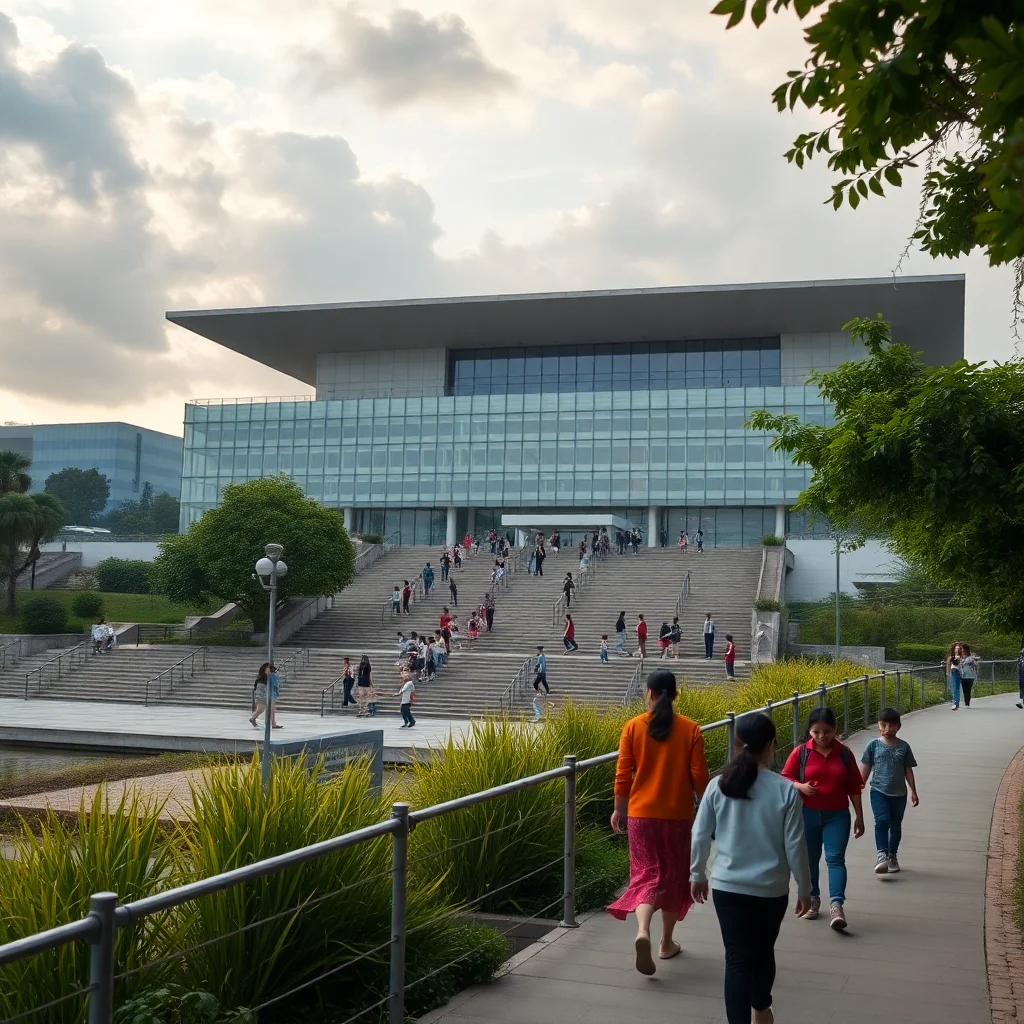
Hainan Science Museum shows how museums now choreograph movement, curiosity, and atmosphere—not just facts.

Why sawtooth roofs are reappearing in forests: industrial form softened into ecological rural architecture with sharp new ambitions.
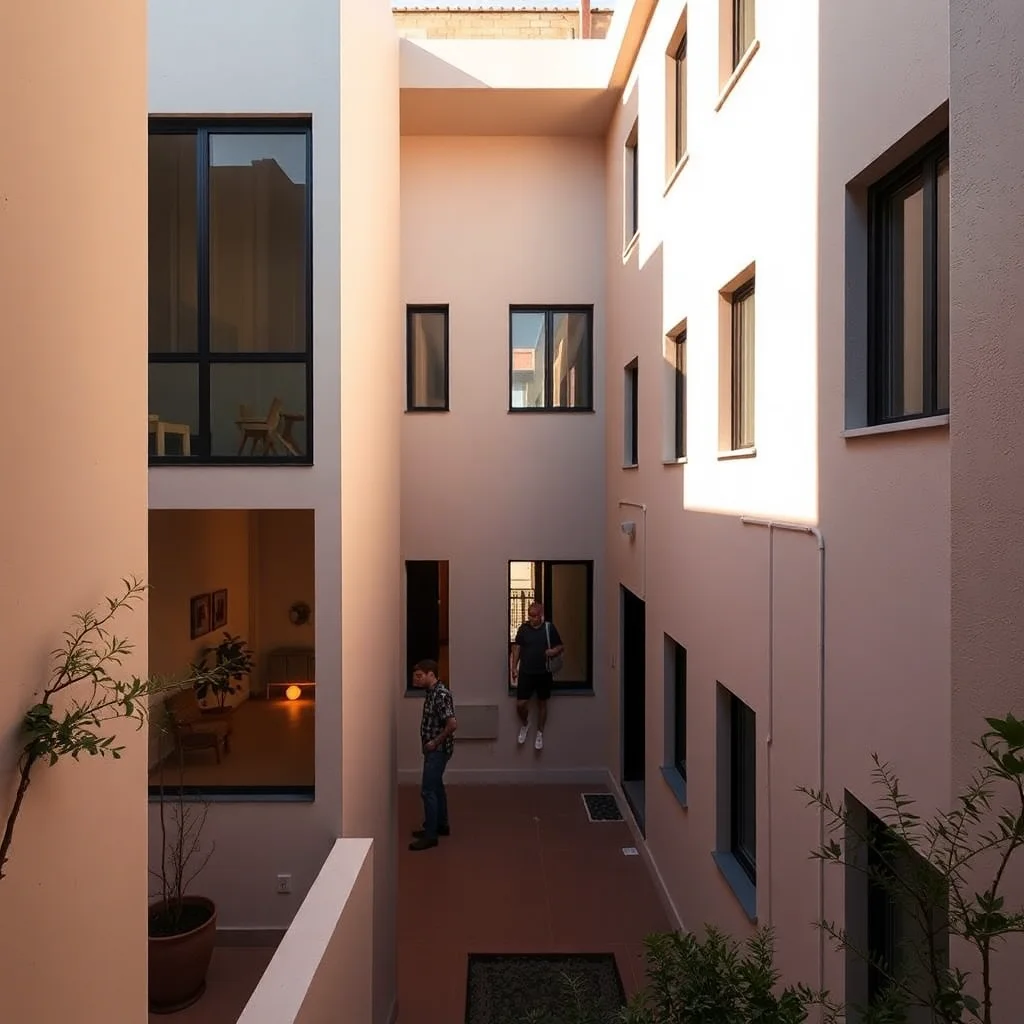
Why enclosed courtyards are returning as a smart domestic response to heat, density, privacy, and microclimate.
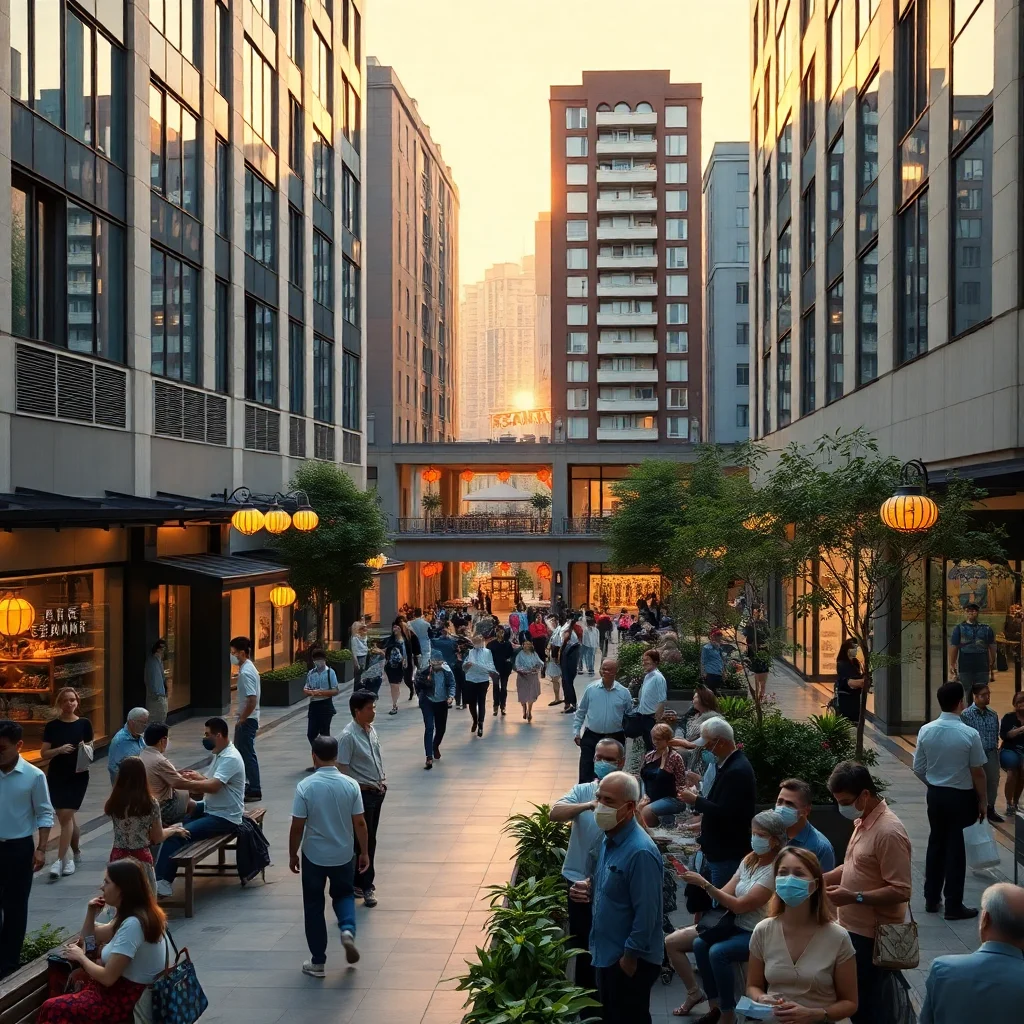
Xintiandi Dongtaili shows how Shanghai malls now absorb street life, civic memory, and the politics of public culture.
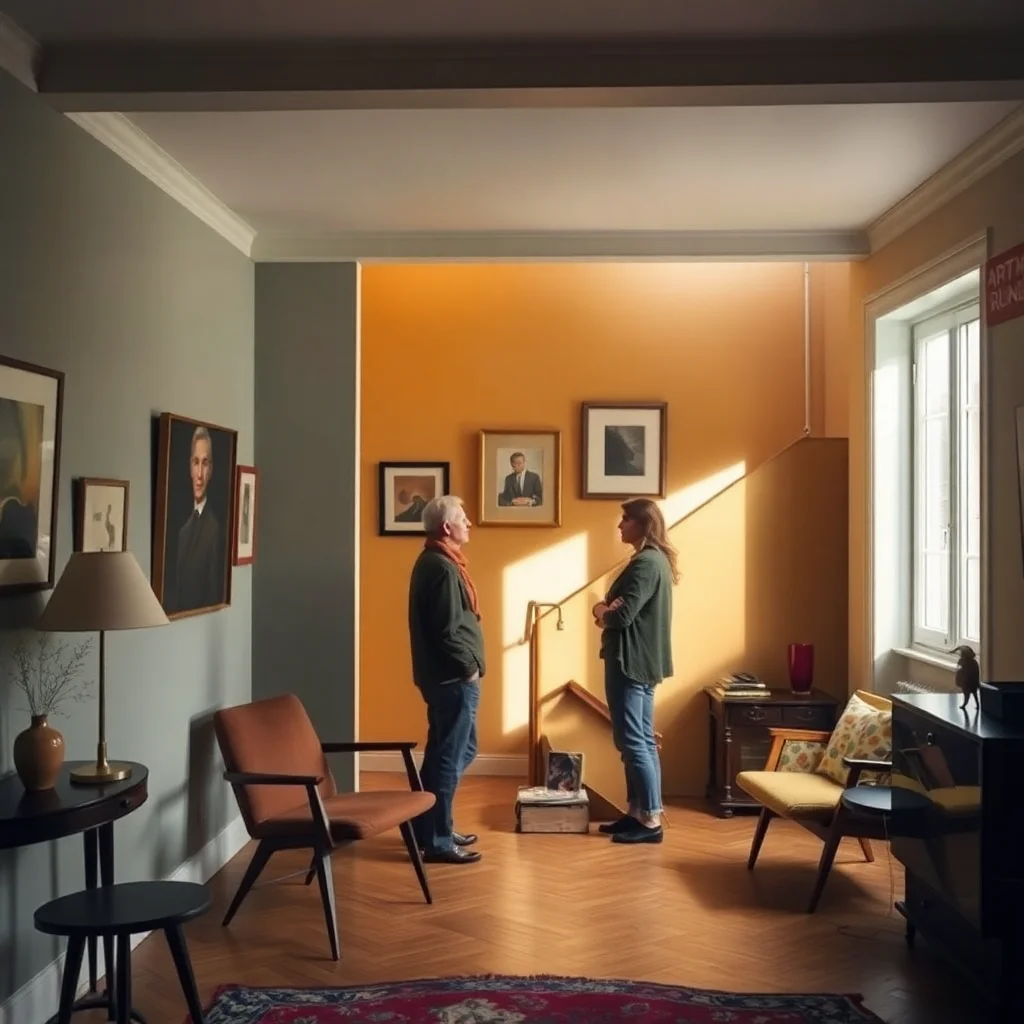
A Belgian artist’s house becomes a layered retro-futurist interior, mixing Bauhaus colour, midcentury style and contemporary intervention.