
Ibiza’s Luxury Pivot and the Heritage Question
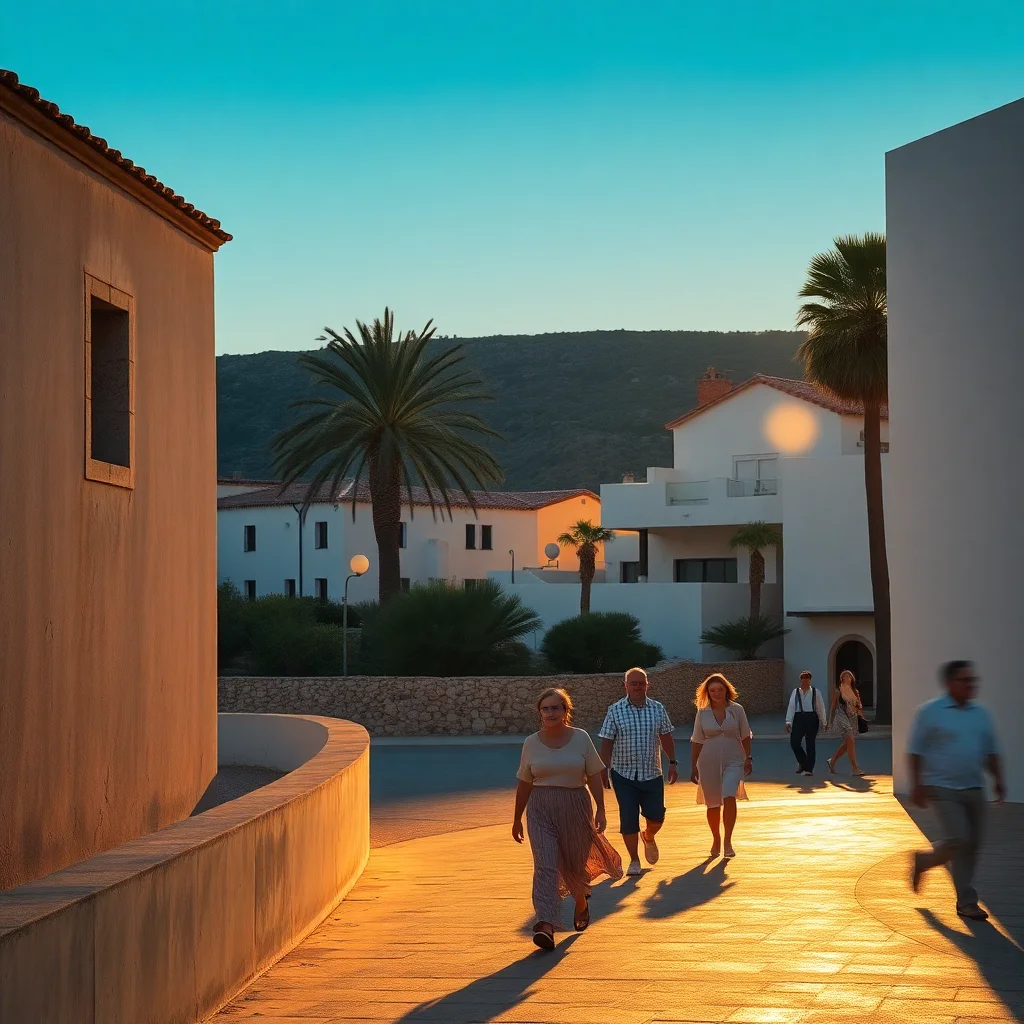
Ibiza is not just selling rooms. It is selling a story.
The island’s current hospitality pivot is not a simple upgrade cycle. It is a cultural recalibration: from bohemian outpost to premium destination, from improvised charm to polished scarcity, from a place that once tolerated rough edges to one that now packages them as atmosphere. That shift matters because Ibiza’s desirability has always depended on a delicate contradiction. People came for the sun, yes, but also for the feeling that the island had not fully surrendered to the logic of the market. The old lure was texture: whitewashed fincas, worn stone, casual beach bars, local craft, a nightlife myth that coexisted with agricultural reality. Now the danger is that the island’s heritage becomes less a living inheritance than a branding toolkit.
This is the classic design dilemma of luxury-led regeneration. When a place becomes more valuable, who gets to define its value? In Ibiza, the answer increasingly seems to be investors, hoteliers and consultants who can translate cultural memory into premium-language cues. But a destination is not a mood board. Architecture, interiors and public space do not merely host tourism; they shape its ethics. If every café is calibrated, every façade Instagram-ready and every “authentic” reference vetted by a brand team, then heritage is no longer preserved. It is performed.
PRO: Luxury can fund preservation if it is forced to do real work
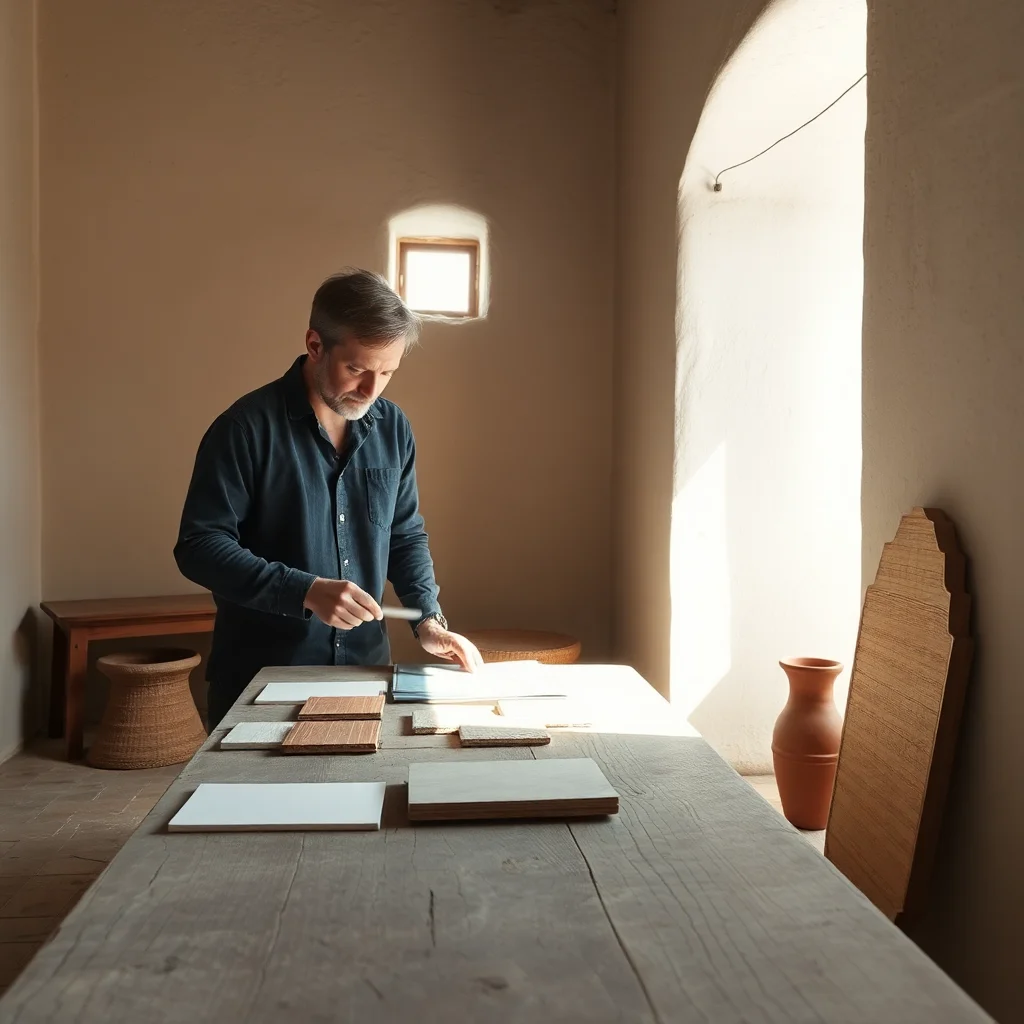
The strongest case for Ibiza’s luxury turn is blunt: money can save what sentiment cannot. Heritage restoration is expensive, skilled labour is scarce, and maintenance is never glamorous. A higher-spending visitor economy can, in theory, underwrite the survival of vernacular architecture, support artisan trades and keep historic structures from decaying into picturesque ruins. That is especially relevant on an island where climate, pressure from seasonal use and speculative development all intensify wear and tear.
There are examples across Europe where premium hospitality has done more than polish surfaces. In Puglia, for instance, hotel conversions of masserie have kept agricultural compounds in use while paying for careful conservation. In the Balearics, a well-judged restoration of a finca can mean repairing dry-stone walls, retaining traditional volumes, using local limestone and preserving the relationship between house, land and shade. This is where design matters: a disciplined architect can resist the temptation to impose generic resort language and instead amplify what is already there. The best work is not “inspired by” place. It is constrained by it.
That distinction is crucial. A luxury hotel that employs local craftsmen, uses vernacular materials, respects low-slung massing and keeps a porous relationship to landscape can operate as a steward rather than a parasite. The problem is not luxury in itself; the problem is luxury without obligations. If the new hospitality model forces developers to repair public pathways, protect agricultural views, restore wells, support cultural programming and maintain architectural continuity, then premium tourism can become a mechanism of care. It can make heritage viable rather than sentimental.
At the same time, the success of those projects often depends on restraint: spaces that slow the guest down rather than bombard them with spectacle tend to age better and fit the island more naturally. That is why the next luxury is slowness in architecture feels especially relevant here: fewer gestures, more patience, and a design language that gives place room to breathe.
Design can absorb wealth, but only if it refuses the blank-slate resort
Ibiza’s most vulnerable asset is not its coastline alone. It is its accumulated irregularity: the offhand vernacular, the mix of rural and nocturnal identities, the sense that the island’s built environment emerged from necessity rather than branding. That is precisely what wealth tends to flatten. Once a destination becomes a magnet for affluent travellers, the market begins to prefer legibility over complexity. It wants clean narratives, identifiable style codes and predictable service choreography. In design terms, that usually means one of two outcomes: faux-authentic nostalgia or international luxury sameness.
Neither is good enough. Faux-authenticity is the more insidious threat because it cloaks itself in respect. Suddenly there are hand-thrown ceramics, limewashed walls, woven lamps and a few local references deployed as decorative garnish. But if the spatial logic is still generic—lobby, bar, suite, pool, cabana—the island’s culture has been reduced to surface effects. This is where architects and interior designers have real responsibility. They must treat vernacular not as motif but as intelligence. Why are walls thick? How do courtyards manage heat? How does light move through small openings? What does privacy mean in a landscape shaped by agriculture, religion and seasonal rhythms?
Some of the most persuasive hospitality spaces in the Mediterranean succeed because they do not over-explain themselves. They work with scale, shadow, material honesty and choreographed informality. Think of how contemporary design firms in Mallorca or Andalusia often use rough plaster, reclaimed timber and a low-key spatial sequence to preserve a sense of domesticity. Ibiza needs that discipline now. Not more theatricality. Less. The island does not need a resort that imitates local life; it needs projects that accept they are guests in it.
There is also a broader warning in how architecture can be turned into mood rather than substance. The more a project leans on ambience, the easier it is to hide what is missing beneath the surface. That tension is explored well in When Architecture Becomes Atmosphere, where atmosphere can enrich experience but also mask whether a place has real depth or merely a seductive veneer.
CONTRA: The luxury pivot risks converting heritage into a lifestyle filter
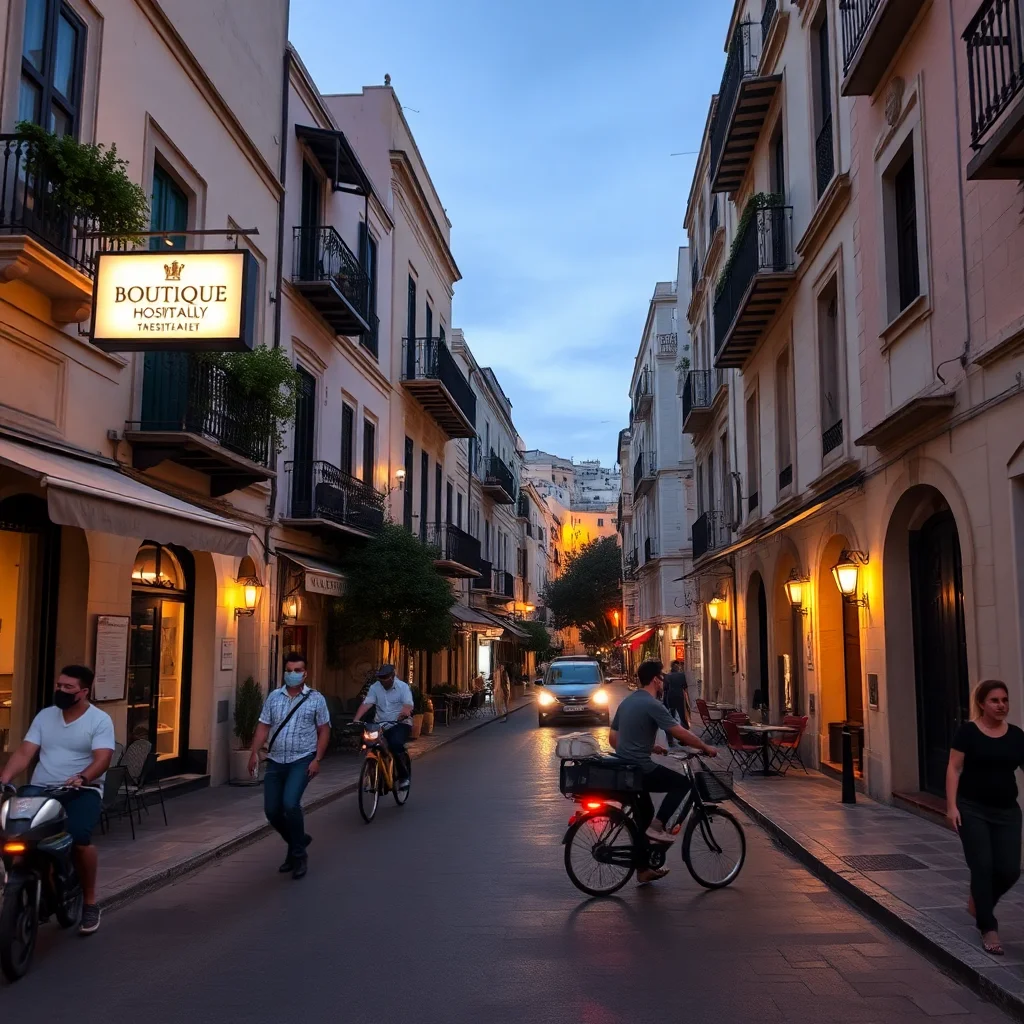
But let’s not pretend this transition is benign simply because some architects say the right words. In practice, premium tourism often accelerates the very erosion it claims to protect. Higher prices push out workers, seasonal staff commute longer distances, and local businesses are displaced by higher-rent operators. The result is not conservation but curatorial capture: the island becomes more beautiful for those who can afford to consume it and less livable for those who sustain it.
This is a familiar pattern in places that have been over-read as “characterful.” Once the market decides that authenticity is a luxury feature, it starts extracting it. Bars become mood settings. Villages become photo stops. Beach clubs become stage sets where rusticity is sanitized, priced and reintroduced as exclusive experience. Ibiza has been here before in nightlife form; the only difference now is that the new clientele may arrive earlier in the day and stay in more restrained interiors. The aesthetic changes, the logic does not.
There is also a deeper architectural problem: branding eats context. The more the island is described in exportable language—wellness, barefoot luxury, slow living, heritage chic—the more its actual complexity is simplified for sale. This creates an impossible mandate for designers. They are asked to preserve atmosphere while increasing yield, to honour the local while making it globally legible, to make something feel spontaneous while being managed down to the linen weave. That tension often resolves in favour of profitability. When it does, heritage becomes a set of consumable codes and the island’s soul is reduced to an aesthetic licence.
At its worst, this kind of green or cultural signalling becomes little more than a visual excuse for continued extraction. The critique in Ocean Plastic Façades: Sustainability or Green Theatre? applies beyond materials: if a project looks ethical but behaves conventionally, the performance can be more damaging than no gesture at all.
The real question is not how much change Ibiza can take, but who change serves
The most honest way to frame Ibiza’s future is not as a battle between preservation and progress. It is a test of governance, authorship and spatial justice. Who benefits from the new wave of investment? Who gets to remain on the island year-round? Who can still rent, build, work and gather in the places being “upgraded”? These are architectural questions because space allocates power. A redesigned hotel can either reinforce a hierarchy of access or help distribute value more fairly across the island.
That means placemaking must move beyond decorative placidity and into policy-backed design. It is not enough to save a façade if the surrounding neighbourhood is hollowed out. It is not enough to reference traditional forms if the project contributes to water stress, transport congestion or labour precarity. The most credible hospitality futures in Ibiza will need caps on scale, strict material and landscape standards, real local procurement, and public-facing benefits that are measurable rather than rhetorical. Otherwise, heritage will be preserved only as a premium view.
Ibiza’s designers and developers face a choice. They can either build a more expensive version of the same extractive model, or they can treat the island as a living cultural system. The first option is easier, faster and more lucrative. The second is harder, slower and more defensible. But only one of them respects the fact that the island’s allure was never just luxury. It was difference.
FAQ
Can luxury tourism help preserve Ibiza’s heritage? Yes, but only if it funds genuine restoration, local trades and public benefit. Luxury without obligations usually speeds up erasure by raising rents and standardising the landscape.
What is the biggest design risk for Ibiza? The biggest risk is faux-authenticity: using local materials, textures and symbols as decorative branding while keeping a generic resort logic underneath.
How can architects avoid turning the island into a backdrop? By designing from vernacular intelligence rather than style cues, working with climate, scale and local craft, and ensuring projects remain socially and environmentally accountable.
Is there a model for premium tourism that respects place? Yes, some Mediterranean conversions show that careful restoration, local procurement and restrained design can support heritage. But they only work when luxury is disciplined by rules, not left to self-regulate.
- Luxury must earn its place. If upscale hospitality is going to reshape Ibiza, it should be required to repair, protect and support the island rather than merely profit from its image.
- Authenticity is not a décor scheme. Traditional materials and forms matter only when they shape how a building works, not just how it photographs.
- Heritage without residents is a museum. The island’s culture survives through people, labour and everyday use, not through postcard preservation alone.
- Scale is a moral issue. Bigger footprints, denser traffic and more extraction undermine the very qualities that made Ibiza desirable.
- Place must resist global sameness. The strongest projects will feel unmistakably of Ibiza without reducing the island to a fixed visual code.
- Design should distribute value. Hospitality should benefit local communities through jobs, access, maintenance and long-term stewardship, not just investor returns.
Ibiza is being asked to become richer without becoming thinner. That is possible only if architects, hoteliers and policymakers agree that the island’s soul is not a theme to be curated, but a living condition to be protected.
Get the Mainifesto weekly — curated design debates, speculative ideas and the week's best articles every Saturday.
Editorial Perspectives
Questions and counterpoints developed by the Mainifesto editorial desk to extend the discussion.
Perspective 1
If Ibiza wants to survive as an economy, then yes, it needs higher-value tourism—but that only works if the planning regime is strict enough to prevent the island from becoming a gated resort. Luxury without infrastructure discipline just exports the costs to locals and calls it placemaking.
Perspective 2
Once the island starts selling heritage as atmosphere, it stops being heritage and becomes set dressing. Ibiza can’t remain itself if every restoration, street, and shoreline is filtered through the spending power of outsiders.
Perspective 3
Luxury isn’t automatically the villain here; badly managed growth is. If higher-end investment helps fund public realm, housing, and maintenance, that’s a sensible trade—if not, it’s just expensive clutter with a better logo.
Perspective 4
The real question isn’t luxury versus identity, it’s whether the policy tools are strong enough to shape what luxury looks like. Without caps on misuse, real housing protection, and public access rules, “design-led” regeneration usually ends up as branding.
Perspective 5
I keep wondering whether Ibiza is optimizing for resilience or for image. If the island’s spatial systems are only being tuned to serve premium visitors, then the heritage conversation is already secondary to the market logic.