

Can Vernacular House Types Become Climate Tech?
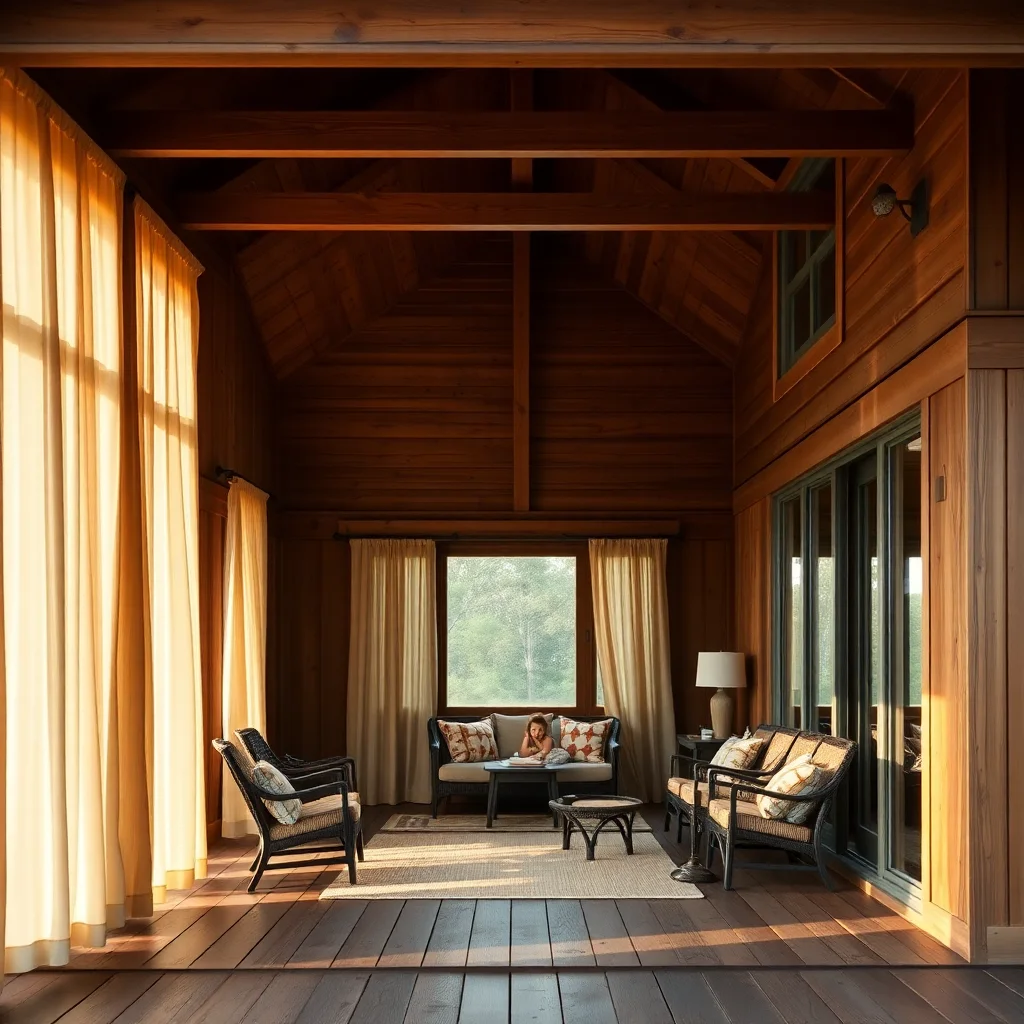
The dogtrot was never quaint; it was an air-handling device
The dogtrot house is often described with the soft language of heritage: rustic, regional, picturesque. That framing is too timid. The typology, which emerged across the humid South of the United States in the late nineteenth century, is not a sentimental artifact but a working climate system. Two enclosed volumes separated by an open central passage and held under one roof created a draft engine before anyone had modern HVAC. In other words, it was architecture behaving like environmental technology: shading, ventilating, and organizing social life around thermal comfort.
This matters now because contemporary housing is failing at the most basic atmospheric task. Glassy sealed homes, oversized mechanical systems, and generic apartment plans are being sold as progress while energy bills climb and heat stress intensifies. The dogtrot reminds us that vernacular intelligence was never primitive; it was optimally tuned to place. The question is whether architects can recover that intelligence without turning it into a branding exercise, a farm-to-table aesthetic for spec homes. If vernacular forms are to become climate tech again, they must be translated, not copied.
What the typology actually does, and why it still works
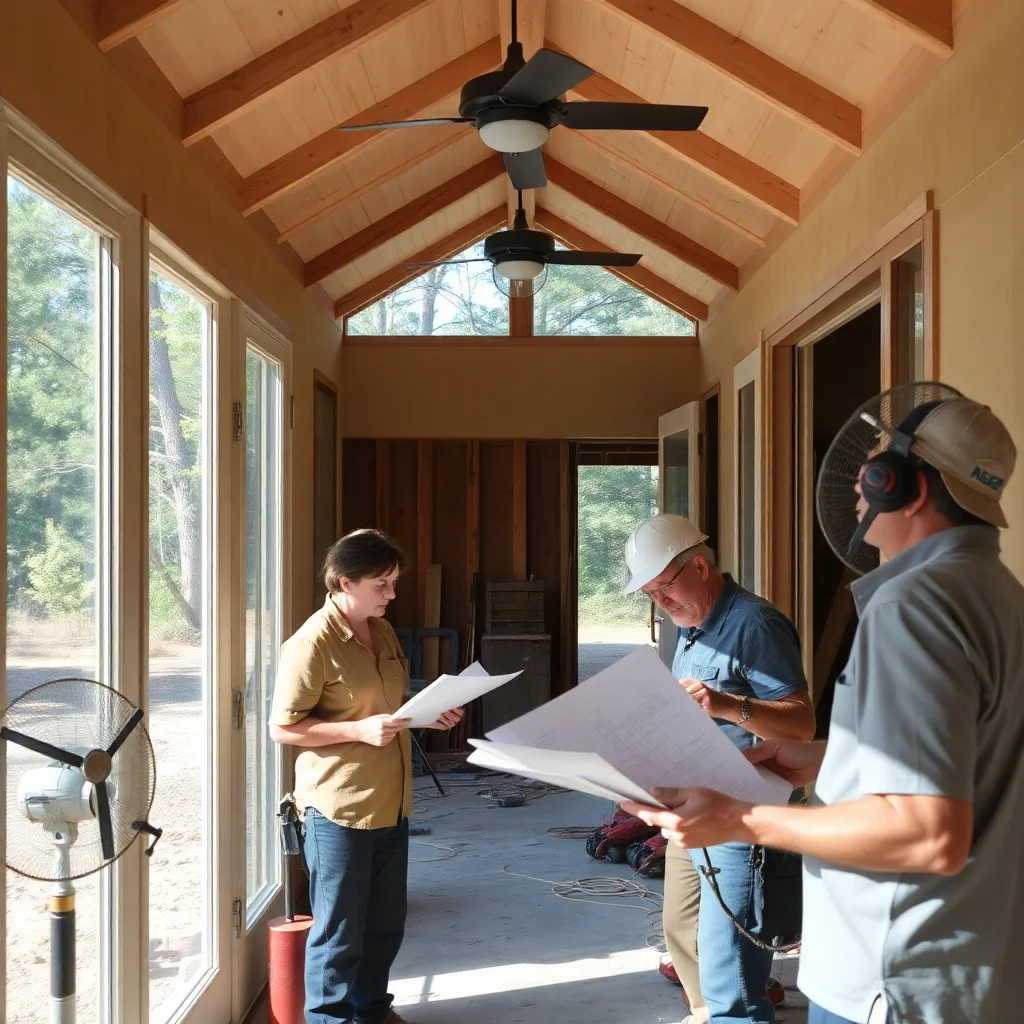
The core logic of the dogtrot is brutally effective. The breezeway is not leftover space; it is the spatial hinge that accelerates airflow, reduces direct solar gain, and creates a shaded threshold where domestic life can spill out without trapping heat indoors. The two masses on either side can be inhabited as living and sleeping zones, or split between family members and guests, making the house adaptable to rural patterns of work and kinship. Under a continuous roof, the whole arrangement becomes economical in materials and legible in construction.
That logic has parallels in many climates and eras. Deep porches in Caribbean houses, riads in North Africa, iwans in Persian architecture, shaded courtyards in Mediterranean towns: all are variations on the same refusal to let enclosure become thermal imprisonment. Modern architects have repeatedly rediscovered this principle when they stop fetishizing sealed envelopes. Glenn Murcutt’s lightweight houses in Australia, for instance, treat section, shade, and cross-ventilation as primary design tools. Rural precedents become future-facing only when architects treat them as systems, not symbols.
That same refusal to turn shelter into sealed consumption appears in other contemporary debates too, especially in projects that ask how climate, circulation, and collective life can be designed together. The most useful examples do not simply reduce energy demand; they reshape the everyday experience of moving through a building, turning environmental performance into a civic benefit rather than a private luxury.
For that reason, the conversation overlaps with when climate adaptation becomes public space, where the line between comfort and shared urban infrastructure is deliberately blurred.
Climate realism is forcing architecture to relearn old intelligence
The climate emergency is not simply about carbon; it is about comfort under stress. Heat waves, humid nights, and grid instability are changing the terms of domestic design. In that context, the dogtrot is politically interesting because it proposes resilience without dependence on high-energy machinery. It suggests that architecture can modulate temperature through form, orientation, and porosity before reaching for compressors and heat pumps.
We are already seeing a renewed appetite for passive strategies in contemporary practice. Lacaton & Vassal have made a career out of refusing wasteful climatic overbuilding, insisting on generosity, winter gardens, and adaptable shells rather than demolition and replacement. Rural Studio in Alabama has shown how low-cost housing can be both beautiful and environmentally intelligent when design is grounded in local conditions. Even experimental timber housing in Europe often circles back to the same lesson: if you want less operational energy, start by making space breathe. The dogtrot belongs in this conversation not as an icon, but as evidence.
The danger: vernaculars can be flattened into style quotes
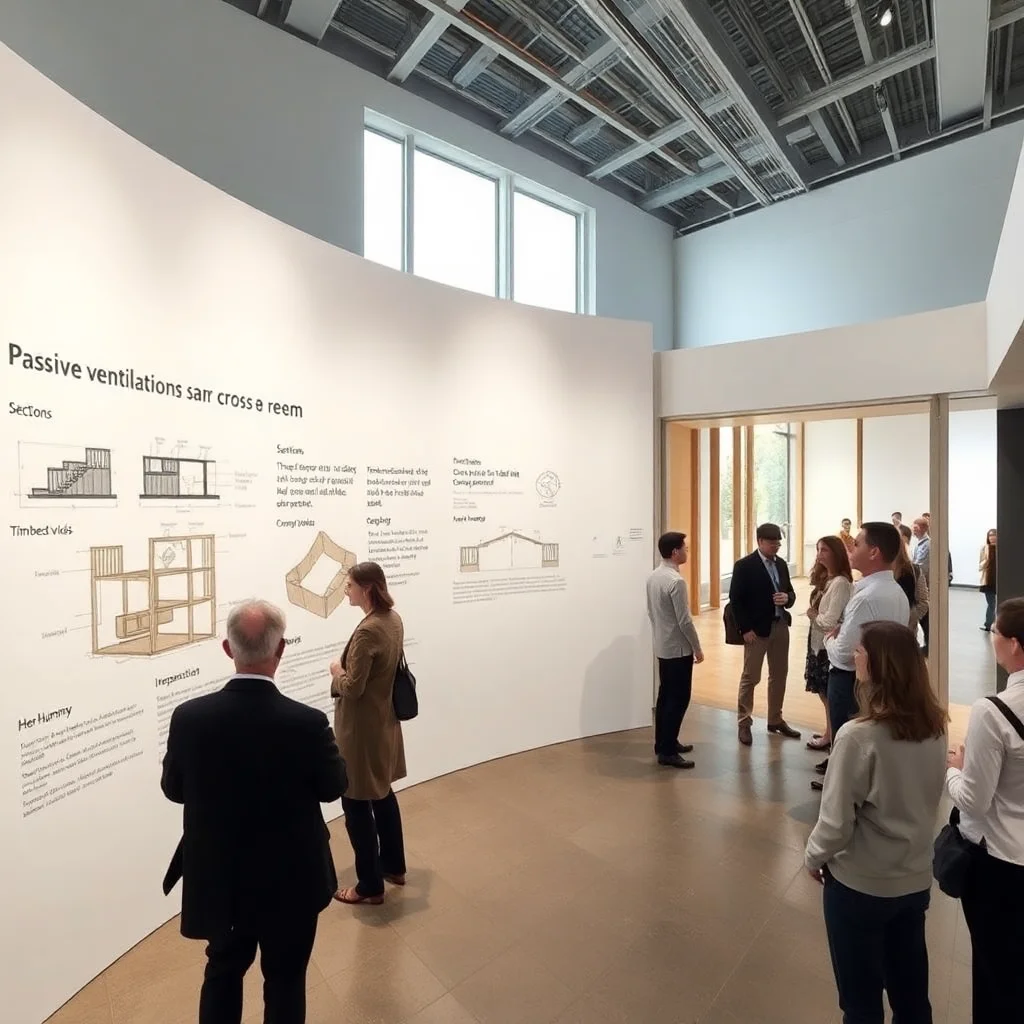
Yet the current enthusiasm for “timeless” regional forms is dangerous. Too often, vernacular architecture is mined as a visual resource for developers and lifestyle brands, stripped of the labor systems, material economies, and climatic reasons that produced it. A dogtrot façade with fake shutters and influencer-approved porches is not vernacular intelligence; it is nostalgia in a straw hat. The risk is that architects will celebrate the image of passive cooling while still designing houses that rely on mechanical systems to do all the real work.
This is where contemporary architecture must be unforgiving. If a project borrows the split mass and open passage of the dogtrot, it should not stop at the silhouette. It should ask how the plan responds to prevailing winds, how the roof shades in summer, how the spaces can be occupied across seasons, and whether the house can age without becoming energy hungry. The best precedents in this territory are not the ones that quote history most loudly, but the ones that make history useful. Francis Kéré’s work, though rooted in different geographies, is a model here: climate responsiveness is embedded in section, ventilation, and collective use, not in romantic imagery.
That critique matters because adaptation can be co-opted by the same forces that turn architecture into a branded commodity. When climate logic is detached from social purpose, it becomes another surface treatment. When it is tied to shared space and durable use, it starts to look less like styling and more like a public ethic, something closer to the arguments in can heritage be a civic event space?
Translation, not replication, is the real design challenge
To translate the dogtrot for contemporary housing means adapting its logic to changed life patterns, codes, and densities. The old typology emerged in rural landscapes where land was available and domestic life could spread horizontally. Today, that freedom is rare. Architects have to reinterpret the breezeway in row houses, courtyard apartments, cluster housing, and infill projects. The principle is not the exact arrangement of two cabins and a gap; it is the creation of an atmospheric buffer that can cool, connect, and collect social activity.
That opens up compelling design possibilities. In multifamily housing, a central open-air atrium can work like a vertical dogtrot, pulling air through units while providing shared circulation that feels humane rather than institutional. In hot-humid cities, shaded communal voids can replace sealed corridors. In low-rise housing, separated volumes can give privacy without sacrificing airflow. Contemporary mass timber, masonry, and prefabricated systems could all support this approach if architects prioritize climate performance over floor-area efficiency alone. The point is not to resurrect the South as a postcard. The point is to operationalize the wisdom embedded in its housing types.
Why vernacular climate tech is also a social agenda
There is another reason to take the dogtrot seriously: it reorganizes domestic hierarchy. The breezeway creates a shared threshold where chores, conversation, rest, and circulation can blur. That spatial ambiguity matters because climate-responsive design should not only save energy; it should also produce richer forms of living. Too much contemporary housing isolates occupants in sealed, privatized boxes, making comfort a solitary and machine-mediated condition. The dogtrot, by contrast, is a reminder that climate adaptation can be communal.
That social dimension links the typology to current debates about affordability and resilience. A house that can stay cooler with less mechanical support is not just greener; it is less vulnerable to utility shocks and extreme weather. A housing model that uses shared shaded space can also reduce the amount of conditioned area each household needs. In a speculative but realistic future, vernacular logics could underpin emergency housing, incremental self-build, and climate migration strategies. The best answer to overheated, overdesigned housing may be a disciplined return to typologies that already know how to move air and people together.
These questions also connect to the practical politics of where and how people are housed relative to jobs, services, and transportation. A climate-smart dwelling means little if its residents are trapped in long commutes or exposed to the worst urban heat without respite.
That is why the dogtrot conversation belongs alongside who gets to live near the jobs that need them, where housing, access, and everyday resilience are treated as one problem rather than separate policy silos.
What architects should steal from the dogtrot, and what they should leave behind
Architects should steal the sectional intelligence, the climatic porosity, the low-tech performance, and the social elasticity. They should leave behind the myth that vernaculars are frozen identities tied to a single region or era. The South that produced the dogtrot was shaped by uneven access to materials, labor, and power; any contemporary revival must be honest about that history. Climate design can borrow spatial lessons without embalming the politics of the past.
That is the real test. If vernacular house types are to become climate tech again, they must be allowed to evolve through research, prototyping, and contemporary construction, not just aesthetic nostalgia. Architects should be designing houses that breathe because they are organized to breathe, not because they are dressed up to look like they do. The dogtrot is valuable precisely because it proves that intelligence can be ordinary, local, and elegant. The challenge is to stop treating that as heritage and start treating it as a future standard.
FAQ
What is a dogtrot house? A dogtrot house is a vernacular housing type with two enclosed masses separated by an open central passage under one roof. It evolved in humid regions of the American South as a passive cooling strategy and a flexible rural domestic plan.
Why is the dogtrot relevant to climate design today? Because it demonstrates how form can regulate temperature without heavy mechanical systems. Its breezeway, shading, and spatial separation offer a clear model for reducing heat gain and improving cross-ventilation in contemporary housing.
Can architects use vernacular forms without making nostalgic pastiche? Yes, but only if they translate the underlying principles rather than copying the look. That means adapting the spatial logic to current codes, densities, and lifestyles while keeping climate performance central.
What are contemporary examples of similar thinking? Projects by Glenn Murcutt, Lacaton & Vassal, Rural Studio, and Francis Kéré all show how passive climate strategies can shape architecture. They differ in context, but they share a commitment to section, shade, ventilation, and social usefulness over stylistic quotation.
Can dogtrot logic work in urban housing? Absolutely, but it has to be reinterpreted as open-air circulation, shared voids, or ventilated buffers within denser building types. The typology’s real lesson is not rural form; it is the design of breathable domestic space.
How does this relate to affordability? Passive cooling can reduce reliance on expensive mechanical systems, lowering operating costs and improving resilience during heat waves and power outages. When scaled intelligently, vernacular climate logic can support more affordable and durable housing.
Is the dogtrot still a good model in all climates? No single typology is universal, and the dogtrot is most effective in hot-humid conditions. But its broader lesson—designing with local climate rather than against it—applies anywhere architecture is trying to reduce energy demand.
Could a contemporary dogtrot include new technologies? Yes. The point is not to reject technology but to use it sparingly and strategically. Solar shading, smart materials, low-energy fans, and hybrid ventilation systems can extend the dogtrot’s logic rather than replace it.
What is the biggest mistake to avoid? Treating vernacular housing as a visual trend. Once the form becomes a lifestyle image detached from climate performance and local knowledge, it stops being climate tech and becomes decoration.
So the real question is not whether we can imitate the dogtrot, but whether we are willing to let vernacular intelligence change the way contemporary housing is designed, built, and valued.
Get the Mainifesto weekly — curated design debates, speculative ideas and the week's best articles every Saturday.

Marcus Reed May 15, 2026
If a house type already gives you shade, airflow, and social space without a huge mechanical load, that’s not nostalgia — that’s a better user experience. The problem is we keep treating comfort as something to buy back with equipment instead of designing it in from day one.
David Lim May 15, 2026
The dogtrot is interesting because its performance comes from spatial relationships, not gadgets, which makes it a strong model for climate-responsive design. But the real challenge is translating that logic into contemporary codes, densities, and materials without flattening it into a literal replica.
Tom Brightwell May 15, 2026
From a delivery perspective, the appeal is obvious: less dependence on mechanical systems means lower capex, lower running costs, and fewer things to maintain. The industry still overcomplicates homes because it’s easier to sell hardware than to trust simple planning decisions that actually work.