

Why Small Cruise Ships May Lead Slow Travel
The Cruise Industry’s Quiet Pivot
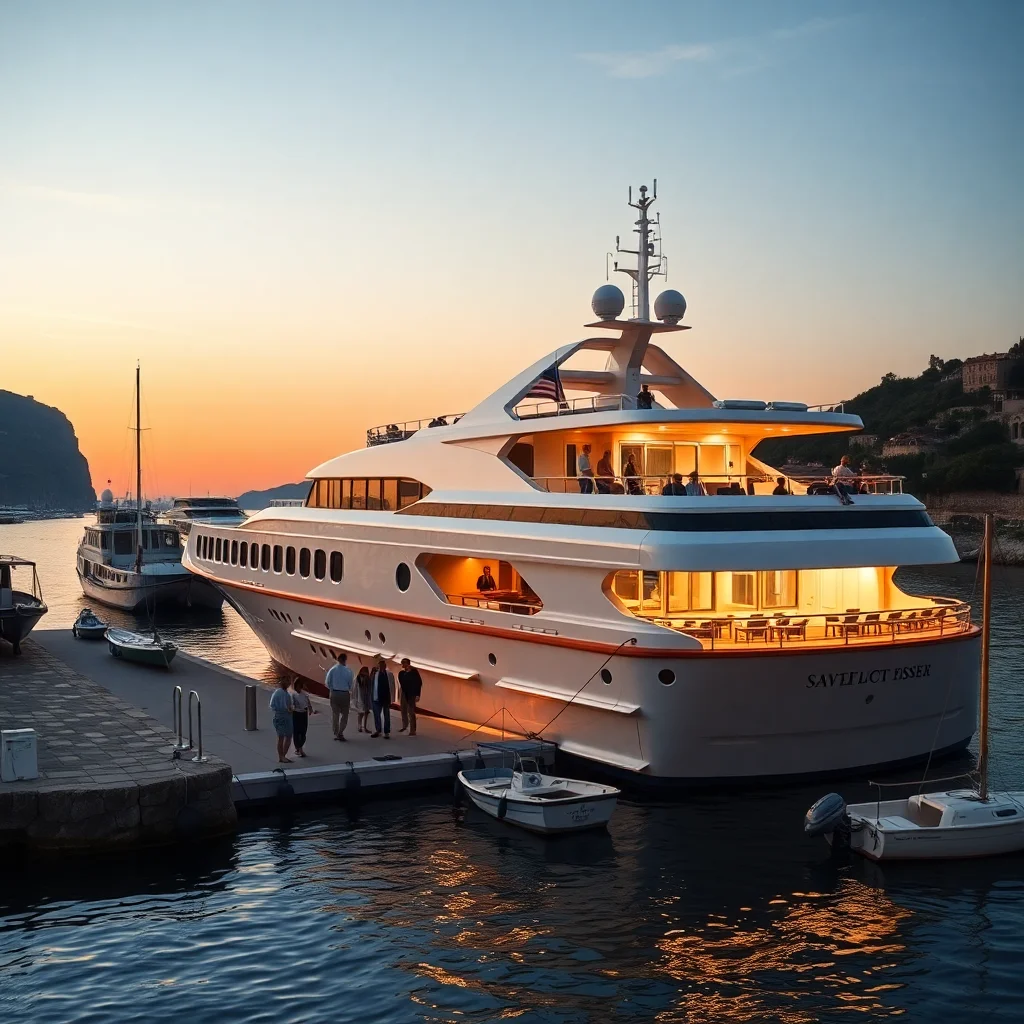
For decades, the cruise ship was architecture’s most embarrassing cousin: oversized, overprogrammed, and proudly indifferent to context. It was a floating suburb, a climate-controlled mall, a machine for extracting maximum occupancy from a horizon. But the industry is now making a subtler claim. A new generation of small cruise ships is proposing that seafaring can be curated, local, and spatially intelligent rather than loud, extractive, and scale-obsessed.
This shift matters because it changes the premise of cruising itself. The big ship sells abundance; the small ship sells discernment. It behaves less like a floating resort and more like a movable hotel, one that acknowledges the dignity of arrival, the value of a quieter itinerary, and the architecture of proximity. In that sense, boutique cruising is not just a niche leisure market. It is a speculative model for how travel might shed its most bloated habits and rediscover restraint as a luxury.
The Wallpaper source captures this evolution clearly: cooler surroundings, greater comfort, and boutique experiences are usurping the floating behemoths. But the real story is architectural. The question is not whether small ships are prettier. It is whether they represent a more responsible spatial ethic—one that treats motion, hospitality, and destination as a single designed system.
From Floating Resort to Movable Hotel
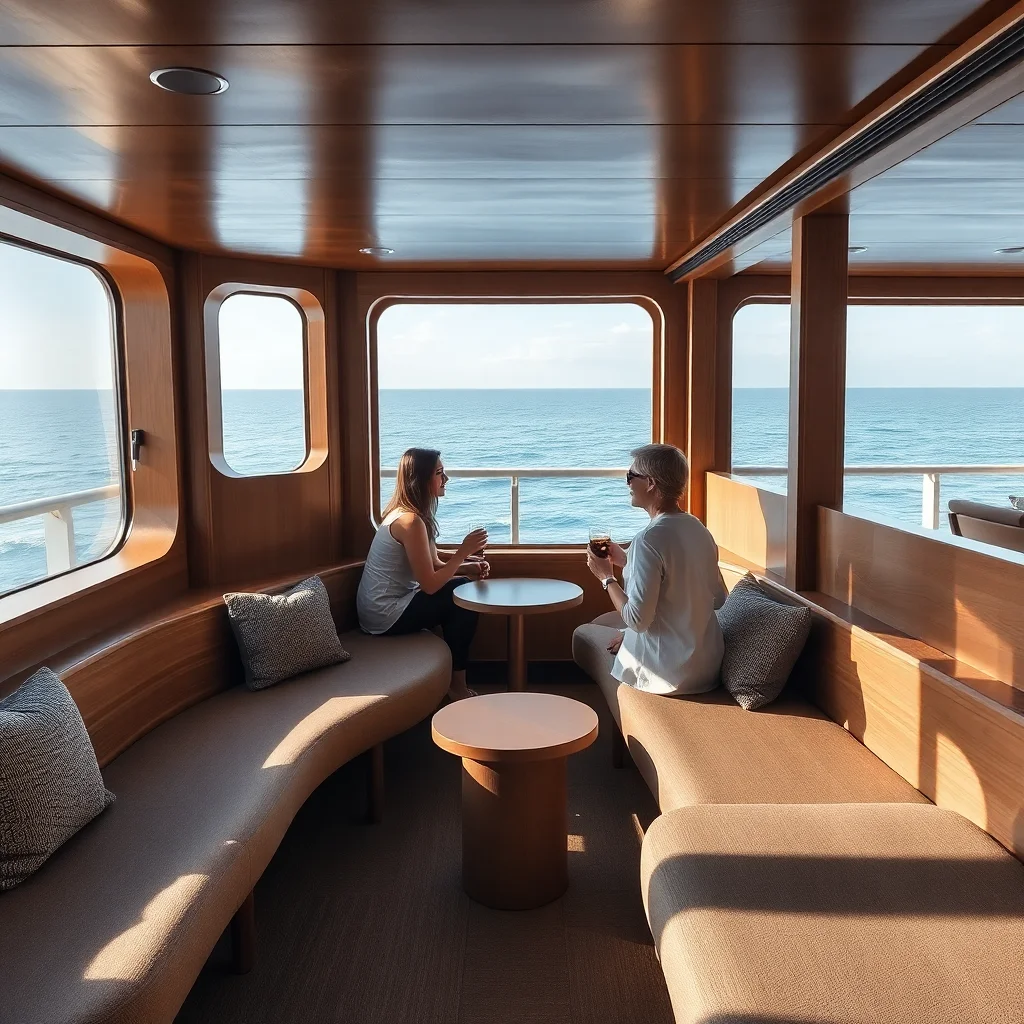
The old cruise model was based on excess in every dimension: scale, buffets, entertainment, and energy use. Its success came from compressing a city’s worth of amenities into a self-enclosed object. By contrast, smaller vessels such as Ponant’s Le Commandant Charcot, SeaDream’s yacht-like ships, and the more intimate cabins of Ritz-Carlton Yacht Collection trade spectacle for atmosphere. They offer fewer deck-bloat distractions and more carefully calibrated interiors, where the experience begins to resemble high-end hospitality rather than mass leisure.
This is a meaningful architectural distinction. Hotels are designed around pause, sequence, and threshold; resorts are often designed around consumption and circulation. Small cruise ships increasingly borrow the former language. Public rooms are scaled to encourage recognition, not anonymity. Cabins are no longer just sleep compartments but compact sanctuaries. Dining is less a 24-hour feed trough than a ritual of place, often tied to regional ingredients and local port cultures.
There is also a disciplinary shift in how these ships are imagined. Naval engineering still governs the hull, but interiors increasingly borrow from boutique hotel design, yacht culture, and even museum-grade curation. The result is not simply smaller. It is more edited. In a world where travel is often measured by volume and queue length, this kind of editing is radical.
Locality as Design Strategy
The most compelling argument for small cruise ships is not scale reduction alone, but locality. Smaller vessels can access ports that mega-ships cannot: narrow harbors, protected coastlines, island towns, and urban edges that were once off-limits to the cruise economy. That changes the relationship between ship and shore. Instead of docking at an offshore terminal and bussing passengers into a prepackaged excursion, the ship can become an extension of the destination’s existing life.
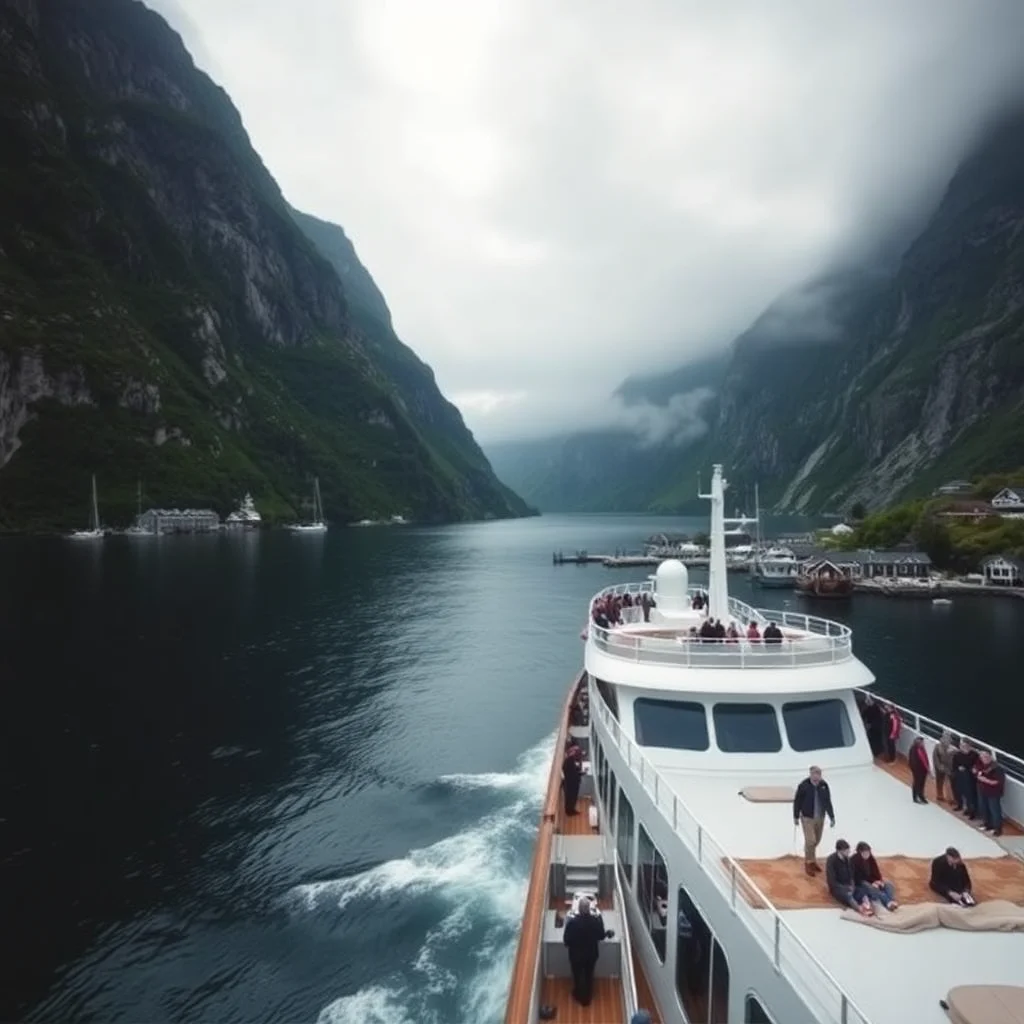
Here the architectural metaphor becomes sharper. A well-designed hotel does not ignore its neighborhood; it frames it. The best boutique cruises work similarly, integrating geography, cuisine, craft, and culture rather than flattening them into generic entertainment. A voyage through the Greek islands, the Adriatic, or the Norwegian fjords can become an itinerary of situated experiences: local fish markets, harborfront studios, regional bathhouses, or small museums that would be invisible to a ship carrying 6,000 people.
That is why designers and operators are leaning into intimacy. Smaller ships can support more deliberate pacing, allowing travelers to stay longer in each place and move less performatively between spectacle points. In slow travel, time is not dead weight; it is the medium. And when time is the medium, architecture becomes more legible: views are framed, thresholds are noticed, and the act of docking becomes a kind of urban choreography rather than a logistical crush.
When Hospitality Becomes a Spatial Discipline
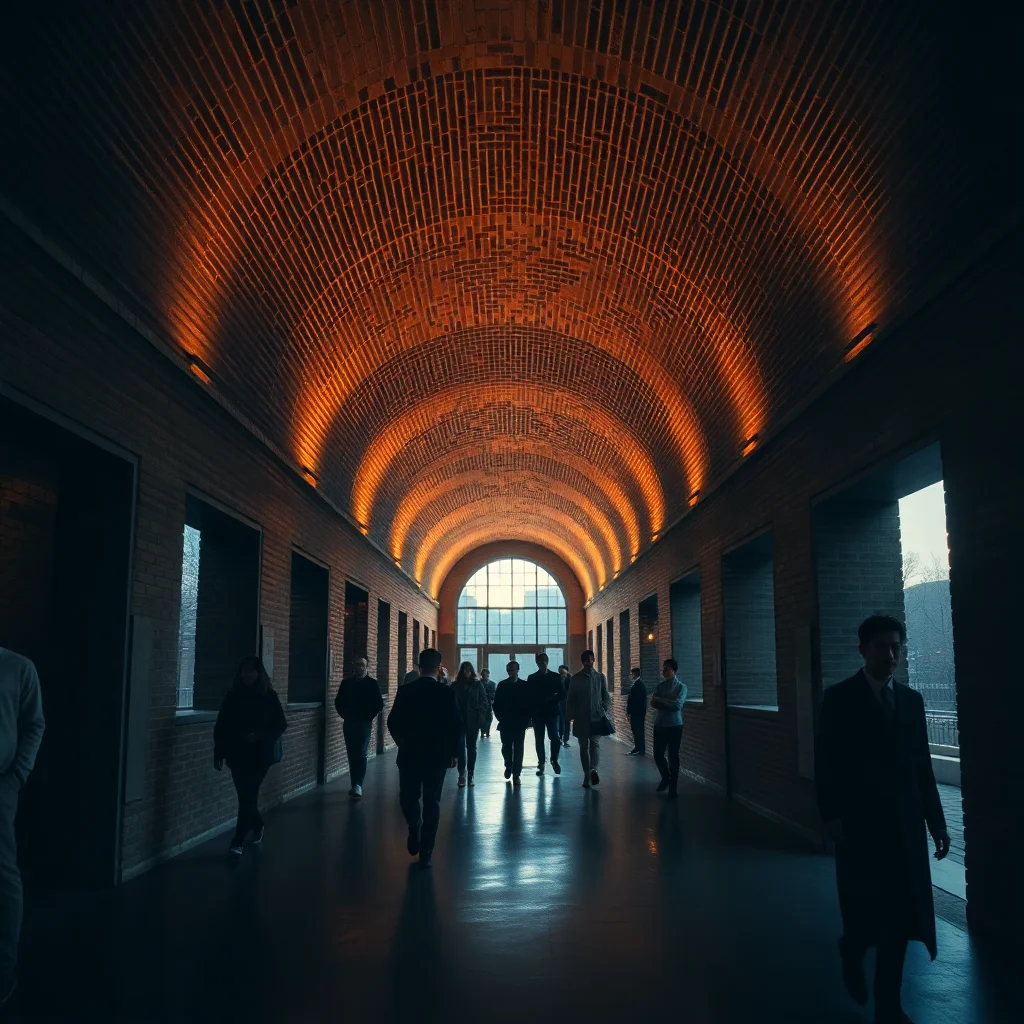
What makes boutique cruising compelling is that it redefines hospitality as a spatial discipline. The success of ships like Explora Journeys’ vessels or Silversea’s more intimate offerings lies not merely in service levels, but in the calibration of proportions. Corridors are quieter, lounges less theatrical, and suites often feel like compact apartments rather than standardized cells. The luxury is not abundance; it is clarity.
That clarity aligns with broader design trends. In contemporary architecture, we have seen a move away from maximalist enclosure toward adaptive comfort, material honesty, and a more modest public realm. Small cruise ships echo this tendency with warm woods, tactile textiles, generous glazing, and an emphasis on daylight. They are not trying to simulate a metropolis at sea. They are trying to create a habitable pause between places.
This shift also changes the social geometry on board. On a megaship, anonymity is part of the product: you are one body in a swarm. On a small ship, repeated encounters shape the mood. The dining room becomes a civic room. The lounge becomes a salon. The deck becomes an observatory of weather, geology, and proximity. That is not nostalgia. It is a recognition that travel can be more memorable when it is socially finite and spatially coherent.
Can Cruising Become Less Extractive?
Of course, the industry’s greener rhetoric should not be swallowed whole. Smaller ships are not automatically virtuous. They still burn fuel, still generate waste, and still depend on a global tourism economy that can overwhelm fragile places. A boutique vessel is not an ethical absolution; it is a different operating scale. The danger is that “intimacy” becomes a premium aesthetic that disguises the same extractive logic in a finer fabric.
Yet scale does matter. Smaller ships can, in principle, reduce port congestion, lower onboard consumption, and encourage itineraries that privilege depth over volume. Vessels such as Hurtigruten’s hybrid ships and other expedition-oriented models show that technical innovation is beginning to accompany spatial restraint. Hybrid propulsion, improved hull efficiency, waste treatment systems, and more careful route planning all point toward a cruise industry that is at least attempting to reckon with its footprint.
For designers interested in the politics of access, the shift also echoes debates about who gets to inhabit premium waterfronts and temporary enclaves. The politics of luxury hospitality can reveal how exclusivity is produced through design, whether on land or at sea. The provocation is this: perhaps the future of cruising is not about expansion but subtraction. Not more amenities, but fewer, better ones. Not more passengers, but more meaningful relationships between passengers, landscape, and port. In architectural terms, this would mean designing ships as civic microcosms with limits, rather than entertainment platforms without conscience.
The Aesthetics of Restraint
Slow travel has become a fashionable phrase, but on a small cruise ship it can become a genuine spatial ethic. Restraint is visible in the reduced guest count, the calmer interiors, the absence of noisy overbranding, and the willingness to let the sea remain the main event. This is important. The sea is already dramatic enough. The mistake of the old cruise model was always to believe that architecture had to compete with nature rather than frame it.
Designers working in this space seem to understand that luxury now often reads as absence: fewer crowds, fewer decisions, fewer interruptions. The best boutique vessels are therefore not trying to dazzle with scale but to create a studied softness. They offer an architectural equivalent of a well-tailored coat: precise, elegant, and durable enough to move through changing conditions.
That may explain why small cruise ships feel timely. They fit a cultural moment suspicious of excess and hungry for coherence. They suggest that travel can be intimate without being insular, luxurious without being vulgar, and mobile without being ecologically careless. Whether the industry can sustain that promise is another matter. But if cruising is to survive as a meaningful form of travel, it may have to stop behaving like a floating amusement park and start acting like a well-designed temporary dwelling.
The future of slow travel may not be on land at all. It may be in the measured glide of a small ship, moving with enough humility to let place, rather than spectacle, do the talking.
FAQ
Are small cruise ships more sustainable than large cruise ships? They can be, but not automatically. Smaller ships usually carry fewer passengers and can access more sensitive ports, which may reduce pressure on infrastructure, yet their environmental performance still depends on fuel type, waste systems, routing, and operational discipline.
Why are boutique cruise ships appealing to design-minded travelers? Because they tend to prioritize atmosphere over excess. Interiors are often more restrained, materials more tactile, and spaces more human-scaled, making the experience feel closer to a boutique hotel or yacht than a mass-market resort.
What makes small ships better for slow travel? Their smaller size encourages longer stays, fewer passengers, and more thoughtful itineraries. That creates time for local experiences, quieter ports, and a less rushed relationship with each destination.
Will small cruise ships replace mega-ships? Unlikely. The industry can probably support both models for different audiences. But small ships may define the aspirational future, especially as travelers seek intimacy, locality, and a less extractive way to move through the world.
Get the Mainifesto weekly — curated design debates, speculative ideas and the week's best articles every Saturday.


Karim Haddad May 15, 2026
This is really a logistics story dressed up as lifestyle branding. Once a cruise ship stops behaving like a sealed consumer bubble and starts acting like a smaller, more local platform, the politics of ports, labor, and access matter more than the jacuzzi deck ever did.
Elena March May 15, 2026
The argument makes sense, but I’d be careful with the label. If the vessel is slower, smaller, and more tied to place, then it may still be cruising in the technical sense, but the model is closer to a moving hotel with an itinerary than the old mass-market cruise product.
Olivier Dubois May 15, 2026
We have simply moved from the spectacle of excess to the aesthetics of restraint, which is still a commercial script. Call it cruising if you like, but the term now carries less of the modernist fantasy of total leisure and more of a curated promenade through the world.