

Designing Medical Devices for Anxiety
When a Device Stops Being a Tool and Becomes a Stage
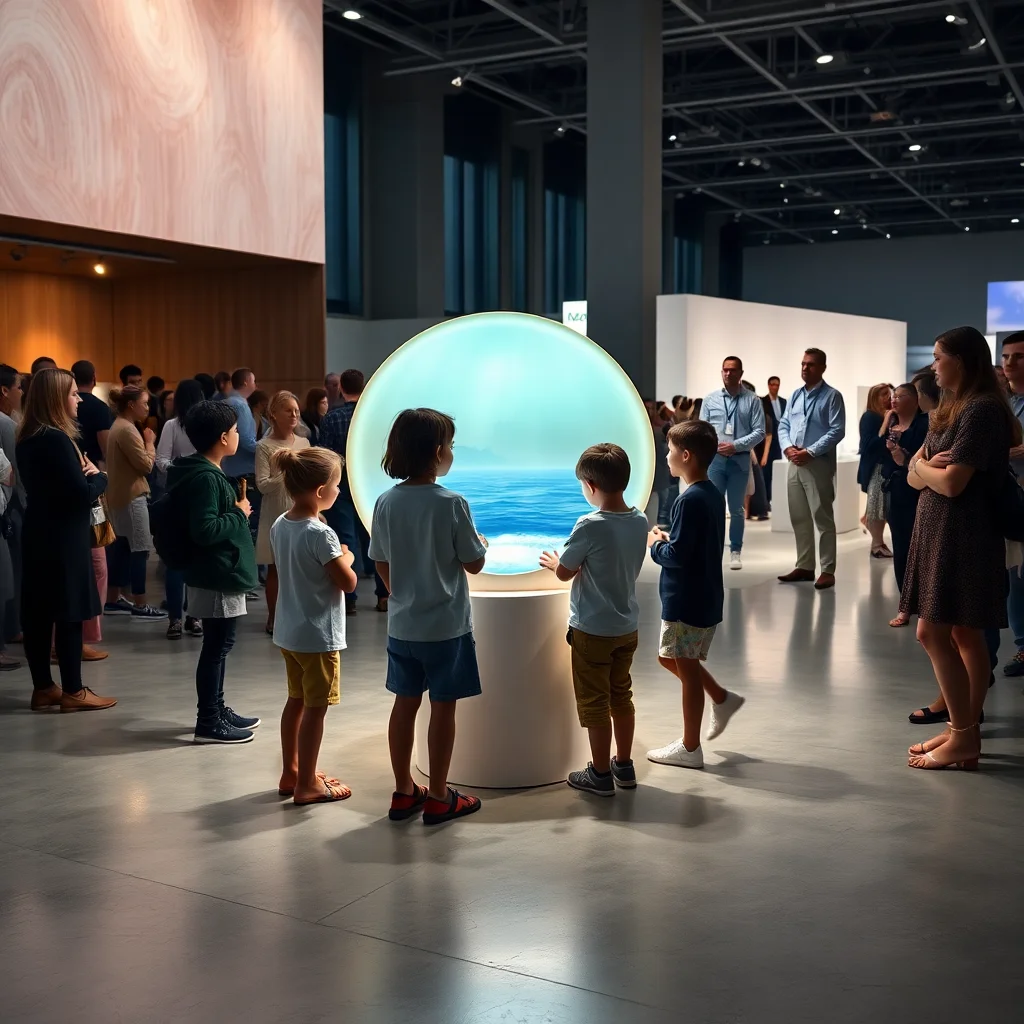
The conch-shaped breathing device by Jiumo Wang, Oneiro, and the designboom context around Milan Design Design Week 2026 point toward a provocative shift: pediatric medical devices are no longer expected to merely work. They are increasingly asked to perform. They must soothe, distract, reassure, and occasionally delight. That is not a soft aesthetic add-on; it is a radical expansion of what healthcare design is for. In a child undergoing a nasal endoscopy, the enemy is not only pain but anticipation, bodily unfamiliarity, and the indignity of being told to stay still while something cold and clinical approaches the face. The device enters that emotional battlefield.
This is where the old distinction between medical function and emotional experience collapses. The conch form is not a gimmick if it can redirect breathing into a visual, interactive ritual. It becomes a stage for perception, a small landscape that reorders the child’s relation to procedure. Designers have been circling this territory for years: Studioindigo’s work on child-centered hospital environments, the sensory play logic embedded in many pediatric waiting rooms, and even the gentle interface language of wellness devices like the Muse headband all suggest the same premise. The real challenge is no longer whether design can reduce anxiety. It is whether healthcare institutions will admit anxiety is part of the brief.
That admission also connects to broader conversations about digital ethics in design, because once a device is asked to shape emotion as well as perform a clinical task, the question is no longer only what it can do, but what it should do. Emotional influence can be empowering, but it can also become manipulation if the patient’s agency is ignored.
The Emotional Landscape Is Not Decoration

Oneiro’s central move is to transform breath into a digital environment, translating an internal physiological act into an external, legible scene. That matters because anxiety is often intensified by invisibility. Children do not merely fear procedures; they fear not understanding what is happening inside their own bodies. When a device gives breath a visual consequence, it creates a feedback loop: inhale, see, exhale, change. That loop can interrupt panic in a way that verbal reassurance often fails to do. Anyone who has watched a child brace for a medical intervention knows the power of concrete distraction. But distraction is the weak word. What is really being proposed is emotional choreography.
Design history has plenty of precedents. Issey Miyake’s A-POC experiments and Philippe Starck’s consumer product theatre may seem far from pediatrics, but both understood that interface can produce feeling, not just utility. More directly, the “fear removal” ethos seen in many children’s hospitals has already generated corridor murals, storybook signage, and interactive waiting zones. Yet these often remain environmental afterthoughts. The conch-shaped device suggests a tighter fusion: the object itself becomes the calming environment. No wall graphics needed. No separate play corner. The procedure and the mood-engineering are housed in the same artifact.
That same idea appears in other design fields, including responsive lighting systems, where subtle environmental feedback is used to affect mood, comfort, and attention. The parallel is useful: both lighting and medical interfaces can turn passive surroundings into active participants in well-being.
From Compliance to Careful Seduction
There is a hard truth in pediatric healthcare: compliance is often designed through coercion disguised as neutrality. Devices are made to be efficient, standardized, and indifferent to emotion, while caregivers do the work of reassurance around the machine. That split is not inevitable. The new generation of medical interfaces could redistribute emotional labor into the object. A device that rewards breathing with shifting digital landscapes does not merely entertain; it recruits the child into the procedure. That recruitment is ethical when it reduces fear and improves cooperation without deception.
This is where references to therapeutic play become crucial. Play is not trivial. It is a recognized clinical strategy in child psychology and hospital design. The best-known pediatric spaces, from Starlight-themed recovery rooms to child-activated MRI animations, acknowledge that the body is easier to treat when the mind is not in revolt. The design opportunity is to make that logic less ad hoc and more architectural. If a nasal endoscopy can be accompanied by a responsive, conch-like interface that translates breath into a soothing digital seascape, then the object ceases to be an instrument of intrusion and becomes a negotiated threshold.
That threshold is politically charged. A device that calms also disciplines. A device that distracts also controls the terms of attention. In this sense, emotional design is never innocent. But the alternative is not purity; it is the old coldness of the clinic, where fear is treated as collateral damage. The stronger position is not that every medical object must be playful. It is that, for children especially, emotional experience should be designed as rigorously as sterilization protocols.
What Speculative Healthcare Gets Right
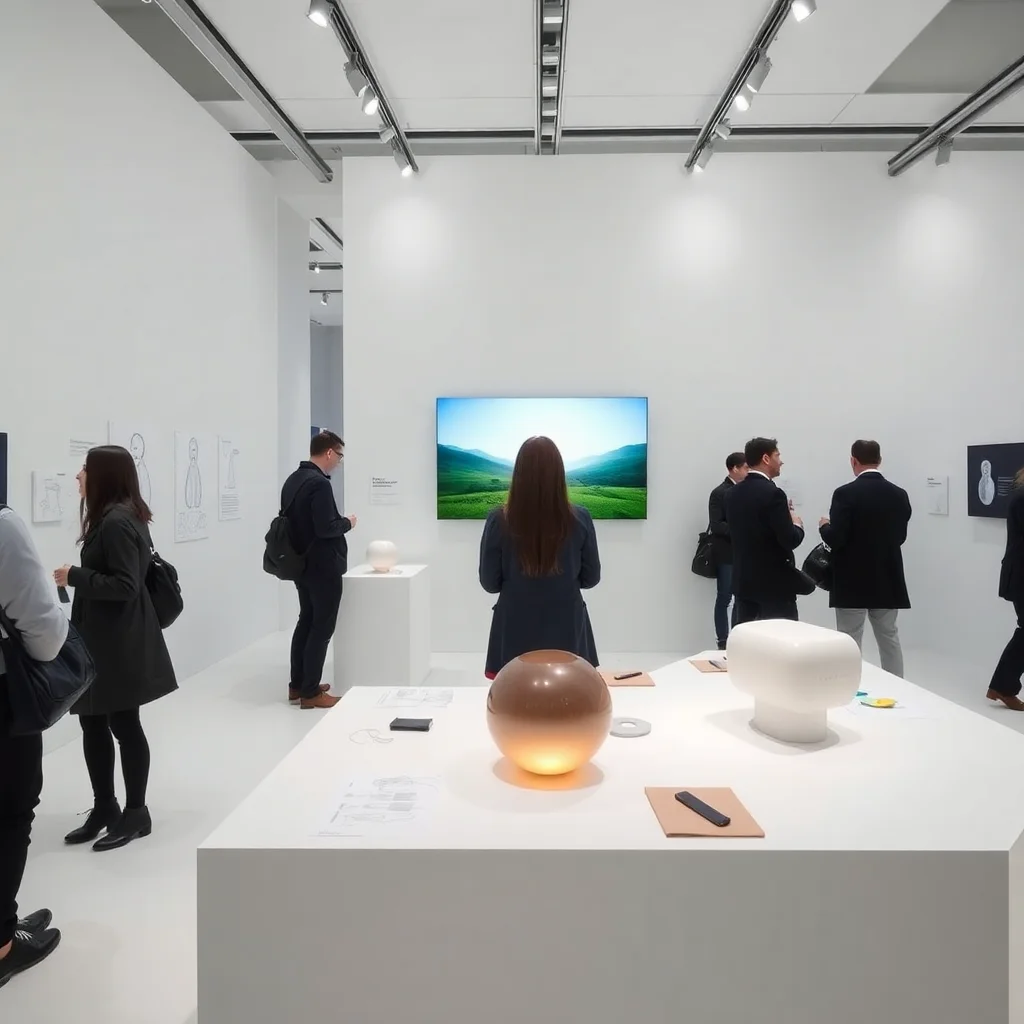
Speculative design has long been useful when it exposes a hidden assumption. Here the assumption is that medical technology should appear serious in order to be trusted. Yet seriousness has often been confused with emotional austerity. The conch device argues the opposite: trust can be built through responsiveness, tactility, and even beauty. We have already accepted similar logic in other domains. Think of the gentle onboarding of consumer health apps, the soft edges and pacifying gradients of meditation platforms like Calm and Headspace, or the carefully staged haptics in everyday wearables. Healthcare has been slower to learn what consumer interfaces understood early: feelings shape compliance.
Designers such as Neri Oxman, with her bio-integrative thinking, and Dunne & Raby, with their speculative provocations, have each argued in different ways that objects can reframe values, not just behaviors. Oneiro belongs in that lineage because it asks a sharper question: what if the ideal medical device for children is not the one that disappears into the background, but the one that meaningfully occupies the child’s attention at the exact moment anxiety peaks? That is a bold idea because it treats distraction as design intelligence rather than a compromise.
There is also a systems implication. If hospitals adopt emotional landscapes as part of pediatric care, design teams must collaborate earlier with clinicians, child psychologists, and parents. The brief expands from form factor to sequence: entry, anticipation, contact, reassurance, recovery. In this expanded frame, the conch is not an isolated object. It is a prototype for a care choreography that begins before the procedure and outlasts it. This systems thinking is closely related to cognitive architecture, where environments are conceived as reactive participants rather than static containers.
The Risk of Turning Comfort into a Requirement
But the seductive power of this category hides a danger: once emotional comfort becomes expected, it can become mandatory labor for design. Then the device is no longer allowed to simply function; it must also charm, distract, and soothe every child, in every context, under every budget. That is a trap. Not all clinical environments can support screens, sensory interfaces, or custom digital layers. Not all children want stimulation when they are overwhelmed. Some need quiet, predictability, and the right to remain unamused. The emotional landscape should never become an aesthetic mandate that shames plain, reliable tools.
There is another danger as well: when the object is too enchanting, it may obscure the procedure itself. The child is distracted, but the deeper fear of medical intervention is never fully addressed. That may be acceptable in some moments and inadequate in others. Designers must resist the temptation to believe that delight is a cure. It is not. It is an intervention. Like any intervention, it has limits, side effects, and questions of equity. Who gets access to emotionally intelligent devices? Which hospitals can afford them? Which children are deemed “calmable” through design, and which are simply labeled difficult when the design fails?
The future of medical devices should not be defined by cuteness. It should be defined by precision in emotional care. The conch-shaped device is compelling not because it is whimsical, but because it recognizes that fear is part of the clinical environment and must be designed for with the same seriousness as infection control.
Conclusion: Anxiety Is a Design Material
Designing for anxiety means accepting that the emotional life of a procedure is not peripheral to treatment. It is part of the treatment architecture. The conch-shaped device makes that argument with unusual clarity: a child’s breath becomes image, image becomes focus, focus becomes a temporary suspension of fear. In the best scenario, the device does not infantilize the patient; it respects the child’s emotional reality and offers a structure for agency in a moment of vulnerability.
This is where the field must be provocative. Medical design should stop apologizing for caring how things feel. The clinic is not exempt from aesthetics; it is one of aesthetics’ most consequential frontiers. If the next generation of pediatric tools can calm, distract, and delight without deceiving, then design will have done more than improve the experience of care. It will have changed what we believe care is allowed to be.
Get the Mainifesto weekly — curated design debates, speculative ideas and the week's best articles every Saturday.
Editorial Perspectives
Questions and counterpoints developed by the Mainifesto editorial desk to extend the discussion.
Perspective 1
Comforting form helps, but in pediatric devices I’d still want the evidence to show it reduces stress without complicating cleaning, sterilization, or production. Too much emotional design can become a liability if it adds parts, cost, or ambiguity for clinicians who need to use the device fast.
Perspective 2
Anxiety is part of the treatment environment, so pretending neutrality is enough feels outdated. If a device can lower fear through shape, touch, and color without sacrificing function, then comfort is not a cosmetic extra — it’s part of care.
Perspective 3
I like the article’s argument, but I’m wary of turning every pediatric device into a kind of emotional interface. Sometimes clinical neutrality has value because it keeps the object legible as a tool, and not every moment of care needs to be softened into reassurance.