
Can Electric Luxury Keep Its Appetite for Excess?
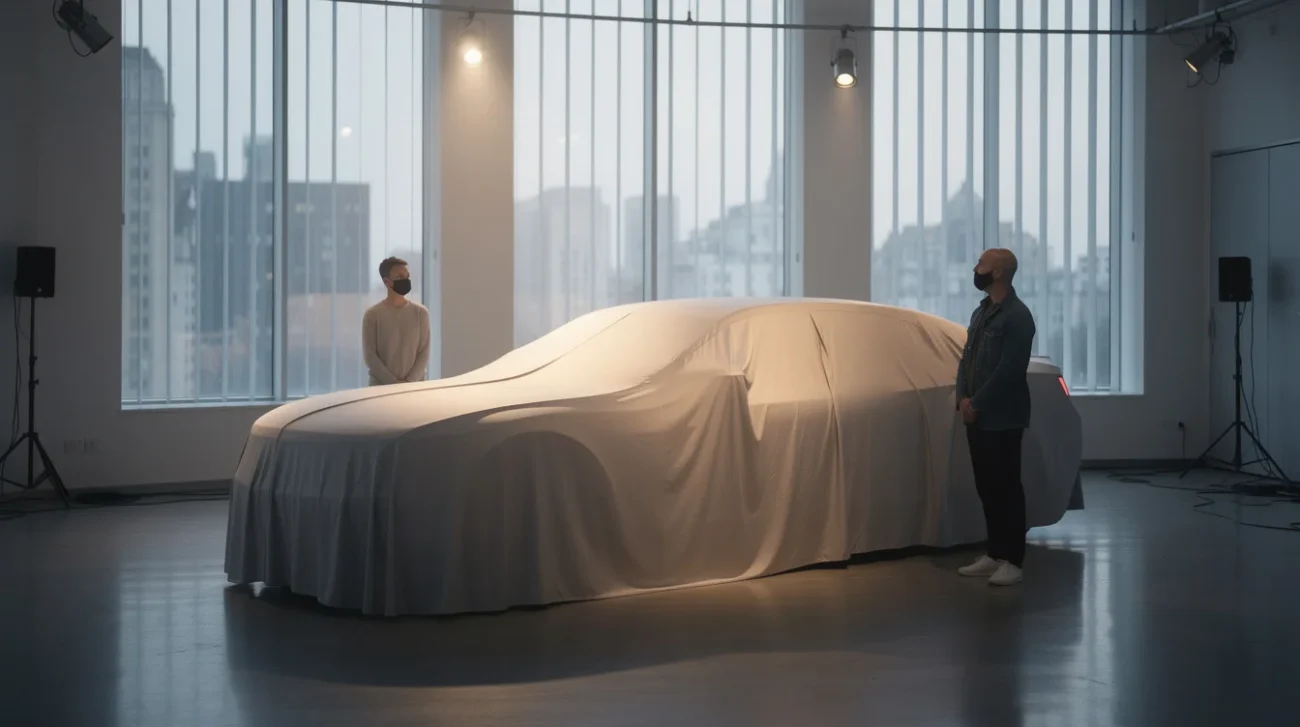
Bentley’s first fully electric car arrives with an old luxury question hidden beneath a new technological answer: how much is enough? According to Dezeen’s September 23 report, the Torcal is an electric SUV unveiled in London, with design director Robin Page presenting its relationship to Bentley’s heritage as progressive rather than nostalgic. That is a persuasive design brief. It is not, by itself, an environmental argument.
The distinction matters. Replacing a combustion engine changes how a car moves. Redesigning luxury changes what buyers are encouraged to value. The Torcal invites two competing readings: electrification could give craftsmanship a more durable purpose, or provide abundance with a fresh permission slip.
PRO: Electric power can make craft the main event
Luxury has spent decades confusing mechanical drama with quality. Large engines, theatrical exhaust notes and conspicuous performance supplied an easy vocabulary of superiority. Electric propulsion removes some of that theatre. For Bentley, the opportunity is not merely to simulate the missing spectacle but to shift attention towards the things its craftspeople can genuinely make exceptional: seating comfort, material joins, tactile controls and the experience of travelling without mechanical commotion.
Rolls-Royce’s Spectre offers a useful comparison. Its electric drivetrain aligns with a long-established promise of quiet, effortless movement. Electrification need not erase a luxury identity; it can clarify which qualities were worth preserving. Bentley’s challenge is different in character, but the principle holds: heritage can be translated into an experience rather than reproduced as decorative quotation.
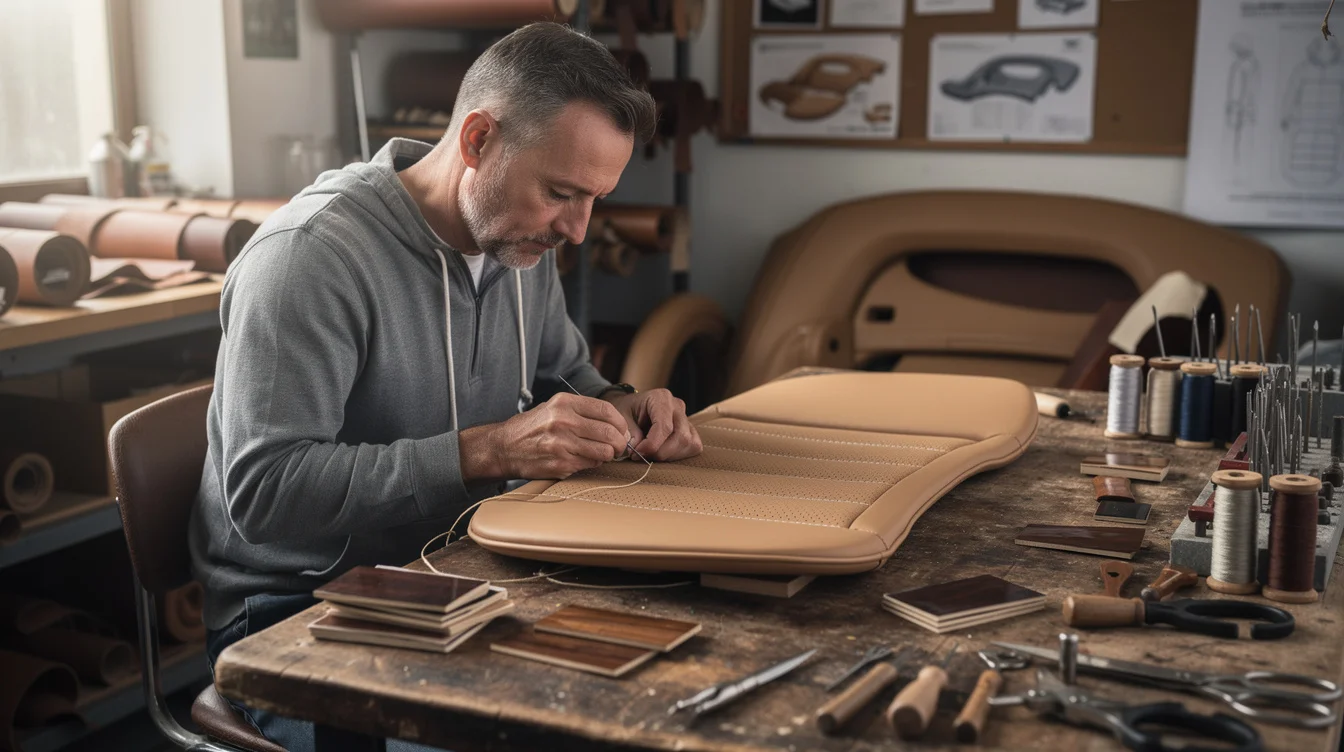
Bentley’s Mulliner commissioning operation already demonstrates that value can reside in skilled labour and individual attention. A carefully matched veneer or beautifully resolved stitch asks for expertise, not necessarily a larger vehicle. Such work still consumes resources, and rare materials are not automatically responsible. Yet moving prestige from bulk towards workmanship creates a plausible route to restraint.
That route demands confidence. A genuinely progressive interpretation of heritage would not require every familiar cue to become bigger, brighter or more numerous. It would make precision visible enough that understatement could command the premium.
PRO: Premium prices could fund genuinely long-lived products
The strongest defence of electric luxury is not that expensive cars are inherently sustainable. It is that their margins could pay for things the wider industry too often treats as inconvenient: accessible repairs, replaceable electronics, durable finishes and guaranteed parts availability. Luxury has the financial room to make longevity a designed service rather than a hopeful adjective.
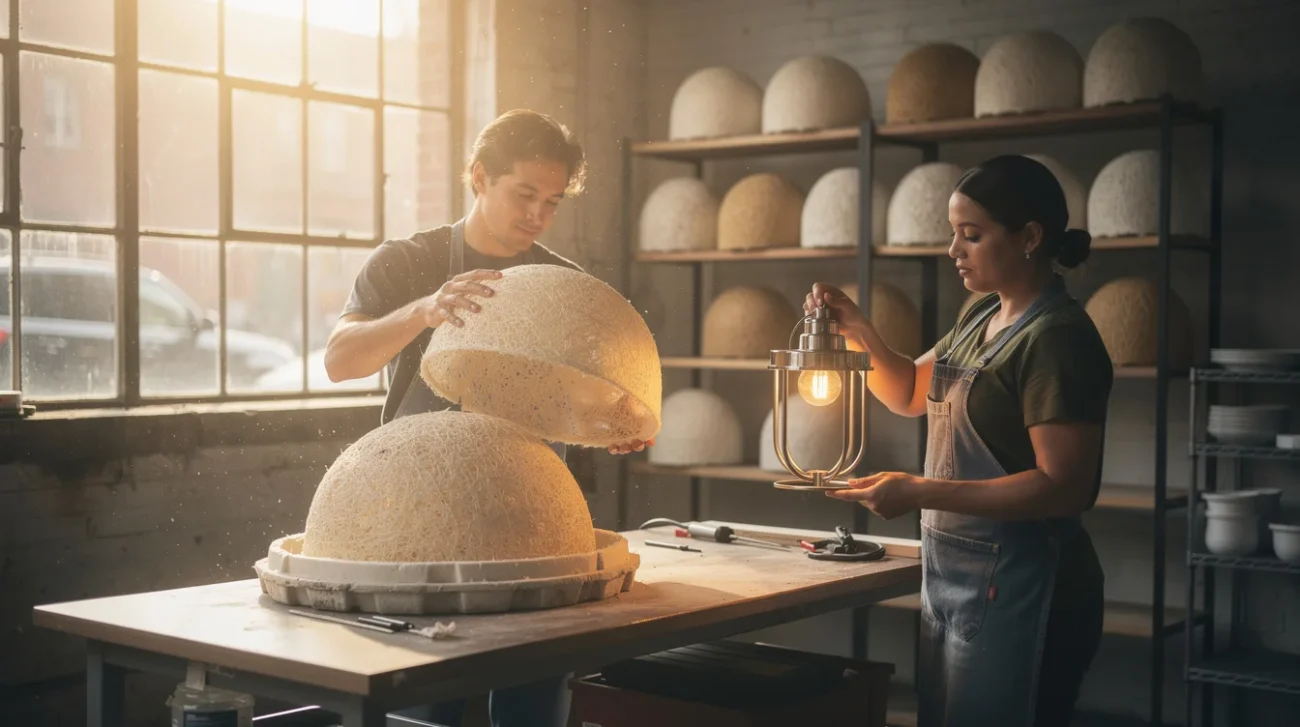
BMW’s i3 showed how an electric vehicle could establish a distinctive material language, including visible plant-fibre door-panel surfaces, rather than conceal every unfamiliar texture behind conventional automotive trim. It was not a universal environmental template: its carbon-fibre-intensive construction also complicates repair. Its relevance is that a new drivetrain opened permission to reconsider what a premium interior should look and feel like.
Fairphone supplies another, deliberately smaller-scale reference. Its replaceable modules demonstrate that access and maintenance can be part of a product’s identity. Translated cautiously into automotive design, that means separating components with different lifespans. A failed display should not condemn an otherwise excellent dashboard; an ageing connectivity module should not make a serviceable car feel obsolete.
For the Torcal, these are tests, not established features. The supplied unveiling account does not establish its repair architecture or support commitments. But the opportunity is real: sell the confidence of keeping something, not merely the excitement of acquiring it. A premium attached to decades of usefulness would be a more consequential innovation than another premium attached to launch-day novelty.
CONTRA: A different drivetrain does not settle the question of scale
The uncomfortable word in Bentley’s announcement is not electric. It is SUV. The category does not disclose the Torcal’s dimensions, weight or battery capacity, and those figures should not be invented. It does, however, make scale an unavoidable design question. A luxury electric vehicle cannot be assessed only through the absence of a tailpipe.
Electric cars eliminate exhaust emissions during use and can substantially reduce lifecycle greenhouse-gas emissions compared with combustion equivalents. The outcome depends on factors including electricity generation, manufacturing and lifetime mileage. None of that makes vehicle size irrelevant. All else being equal, moving more mass requires more energy; greater frontal area can increase aerodynamic demand. Larger batteries bring additional material and manufacturing burdens, while tyre wear remains an issue even when regenerative braking reduces brake wear.
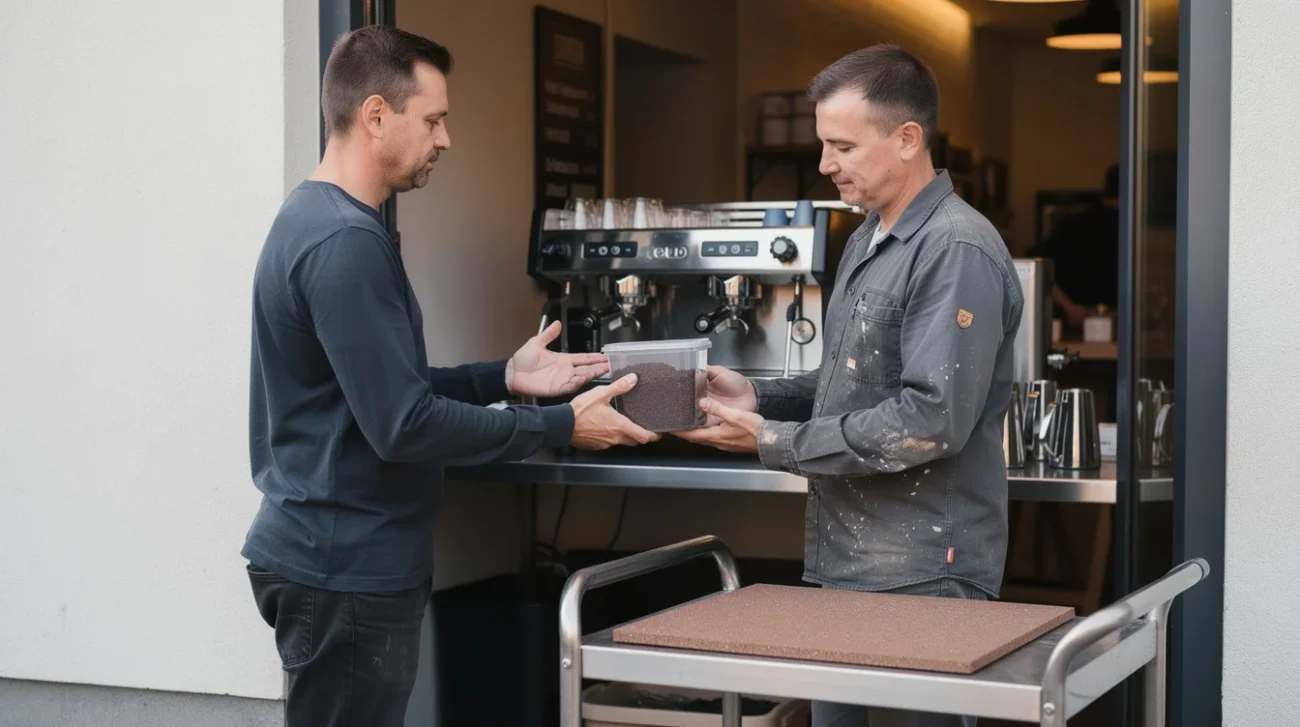
Citroën’s Oli concept, developed with BASF, proposed a deliberately different hierarchy: low weight, limited speed and unconventional materials, including cardboard-based honeycomb panels in parts of its body construction. It was a concept, not proof of a production-ready alternative to Bentley. Its provocation was nevertheless useful. Instead of asking how much technology a vehicle could contain, it asked how much it could avoid needing.
That is the comparison electric luxury must survive. Being cleaner than an extravagant predecessor is progress, but it is not the same as making extravagance necessary. The benchmark should include sufficiency, not just substitution.
CONTRA: Heritage can become a sophisticated excuse for accumulation
Craftsmanship is persuasive partly because it makes consumption feel culturally justified. Timber becomes provenance; upholstery becomes tradition; an additional decorative treatment becomes personal expression. These qualities can be meaningful. They can also obscure a straightforward question: does this object use more material because that improves its service, or because excess remains its most legible status signal?
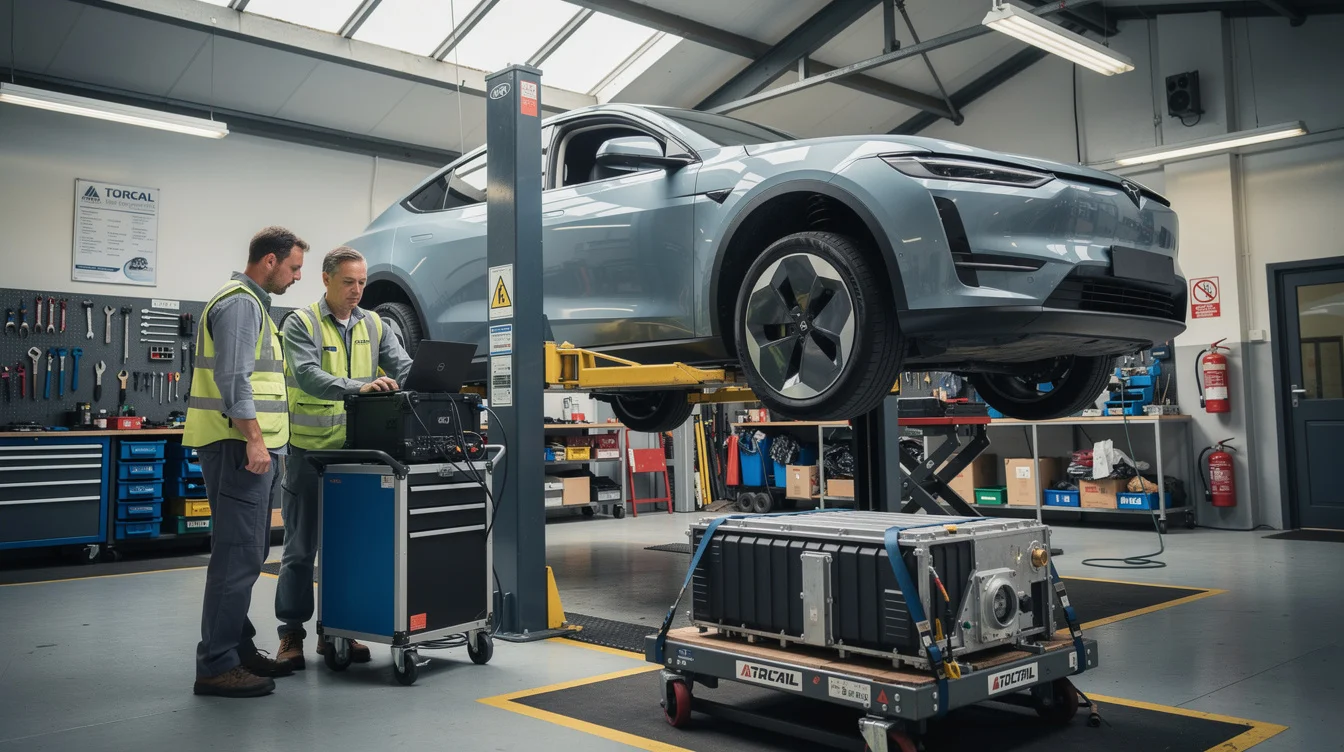
Longevity claims deserve the same suspicion. Bentley’s association with collectible cars does not establish that a contemporary electric SUV will remain straightforward to maintain. Physical durability is only one layer. Battery servicing, diagnostic access, software support and the availability of electronic components all help determine whether a vehicle survives as transport rather than as an expensive restoration problem. Cherished leather cannot compensate for unsupported control systems.
Architecture offers a sharper understanding of luxury. In their transformation of 530 apartments at Grand Parc in Bordeaux, Lacaton & Vassal, Frédéric Druot and Christophe Hutin retained existing housing while adding winter gardens and balconies. The project was not materially weightless. Its achievement was to create generosity without treating wholesale replacement as the default.
Applied to cars, that ethic would favour keeping the valuable structure, upgrading what genuinely needs improvement and making maintenance dignified. It would also challenge the sales rhythm that makes yesterday’s flagship appear inadequate. Restraint becomes credible only when a brand is willing to make less replacement, fewer additions or a smaller footprint desirable—not simply wrap expansion in the language of heritage.
FAQ: What should electric luxury actually prove?
Is an electric luxury SUV necessarily worse than a combustion car?
No. Electric propulsion can deliver substantial lifecycle emissions reductions, especially with cleaner electricity. But the comparison must account for vehicle size, battery production, mileage and lifespan. Improvement over a combustion equivalent does not remove the benefits of a smaller vehicle.
What do we know about Bentley’s Torcal?
The supplied Dezeen report identifies the Torcal as Bentley’s first fully electric car, an SUV unveiled in London. It describes Robin Page’s emphasis on progressing the brand’s heritage. It does not provide enough technical information to establish the vehicle’s environmental performance.
Can traditional craftsmanship support sustainable design?
Yes, when it encourages long use and is backed by repairable construction, responsible sourcing and continued maintenance. Hand-finishing alone proves none of those things. Craft becomes environmentally persuasive when the product’s engineering and aftercare let that work remain useful.
How could Bentley make restraint feel luxurious?
By rewarding precision over scale, offering fewer but better-resolved materials, designing replaceable electronics and publishing credible long-term support commitments. The ambition should be ownership without premature obsolescence: a car whose continuing usefulness feels more prestigious than its replacement.
If electric luxury can preserve everything buyers already desire, will Bentley dare to make wanting less part of the aspiration?
Get the Mainifesto weekly — curated design debates, speculative ideas and the week's best articles every Saturday.
Editorial Perspectives
Questions and counterpoints developed by the Mainifesto editorial desk to extend the discussion.
Perspective 1
I’m for Bentley going electric: a new medium can change what luxury feels like, not just how it’s powered. But the exciting move would be making a lighter, repairable car desirable—not using software and a battery to give excess a futuristic glow.
Perspective 2
I don’t buy the promise that electric luxury can preserve every appetite and still call itself progress. In the studio, respecting a material sometimes means deciding not to use it; beautiful workmanship cannot excuse every unnecessary object.
Perspective 3
Bentley’s identity depends on making abundance legible, so wanting less would require more than a quieter silhouette. Start by giving longevity the status now reserved for novelty: make keeping the same car for twenty years something the brand celebrates.