

Belonging as a Design Brief in Architecture
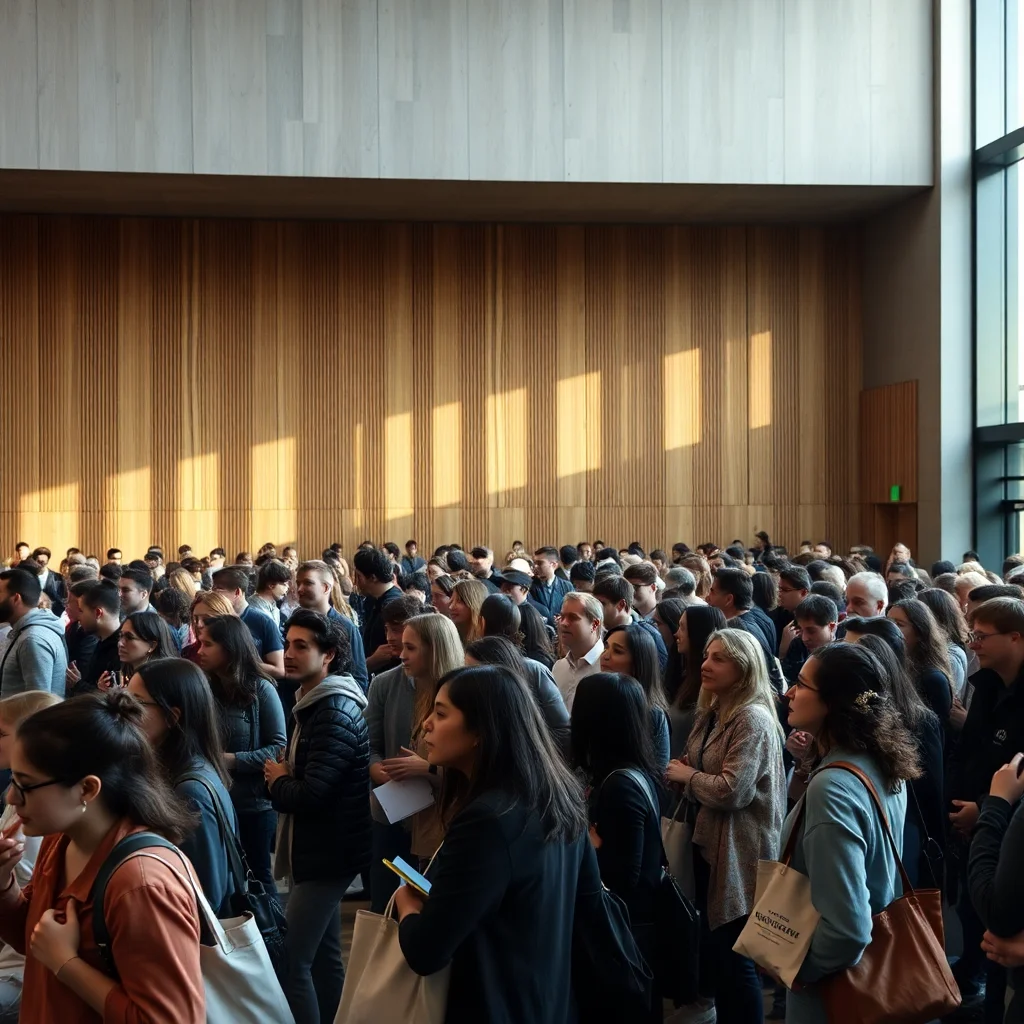
Belonging is not a mood. It is a spatial test.
Jayden Ali’s opening gambit for the London Festival of Architecture 2026 sharpens a question the profession likes to soften: what if belonging were treated less like a slogan and more like a design brief? Architecture has spent decades claiming to nurture identity, inclusion and community, yet too often it delivers either polished neutrality or a pageant of cultural references so thin they collapse into branding. The radical proposition here is simple and uncomfortable: a place is only doing its job if people can read themselves in it, use it without instruction, and recognise that it was made with their lives in mind.
This matters because belonging is not an abstract garnish on top of form. It is produced by thresholds, routes, acoustics, maintenance, visibility, and the freedom to linger without purchase. The best architecture makes those conditions feel obvious after the fact, but rarely innocent. It is always taking a stance on who is expected, who is tolerated, and who is imagined as permanent. If LFA’s theme opens with lived experience, it should end with a harder metric: does the space allow memory, migration and everyday use to become common ground, or does it merely display diversity like a curated exhibit?
From identity politics to daily legibility
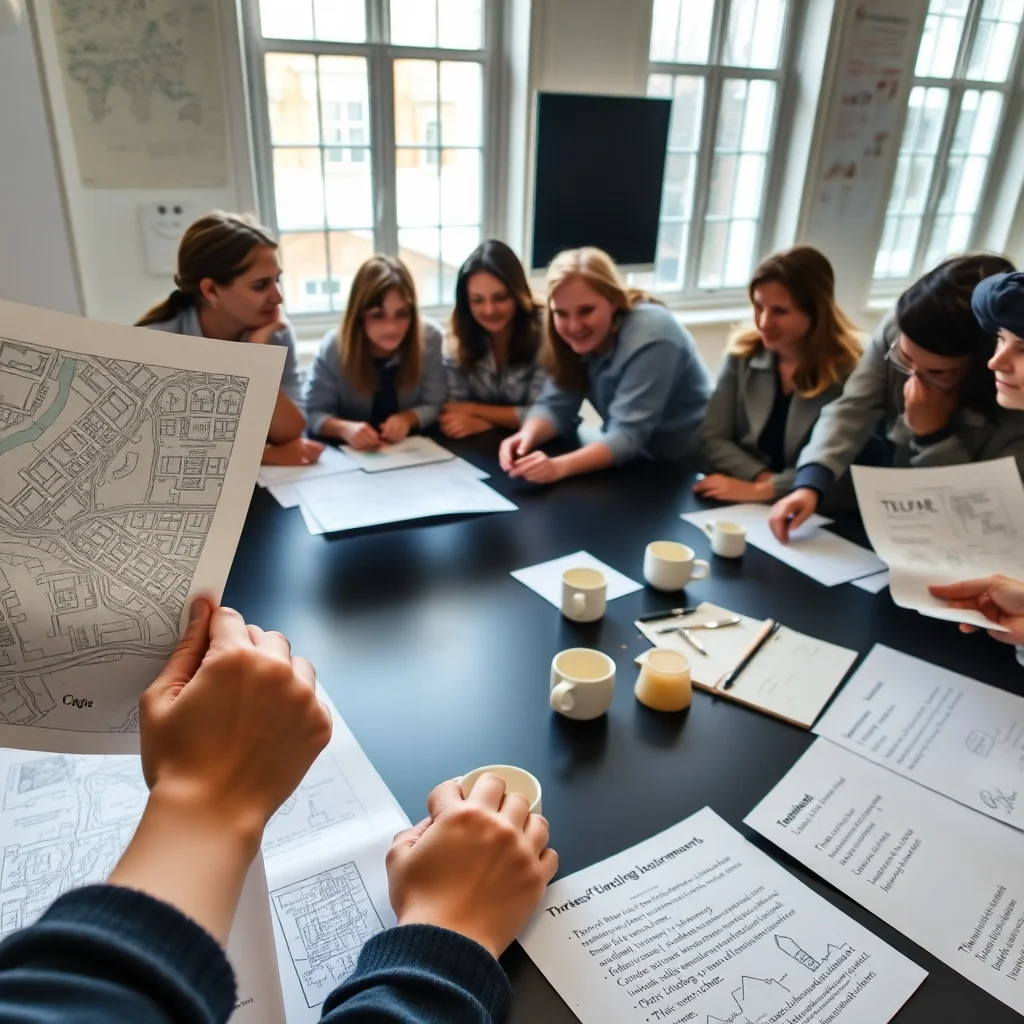
Architecture is often asked to express identity, but expression alone can be a trap. The profession loves the visible signifier: patterns, colour, symbolic forms, materials with a “story.” Yet shared belonging is not won by decoration. It comes when a space becomes socially legible to different bodies at once. Think of how David Adjaye’s early library and cultural projects understood that public buildings need to carry multiple reading speeds: instantly recognisable to a child, quietly dignified for an elder, open enough for the uninitiated to enter without fear. Legibility is not simplification. It is hospitality made structural.
The danger, of course, is generic inclusion. Institutions frequently use the language of welcome to justify a blandness that erases friction, memory and difference. The result is the airport lounge version of multiculturalism: smooth, interchangeable, emotionally vacant. Architecture should not be making everyone feel the same. It should be making different forms of presence compatible. That means a mosque courtyard, a youth centre threshold, a market canopy, a stair landing and a housing corridor each have to work as civic instruments, not neutral containers. If people cannot alter them, pause in them, or bring their own habits into them, then the building is not shared; it is merely public in name.
That is why projects that reposition ordinary programs as shared assets are so instructive. The logic behind schools as civic infrastructure is not just about opening doors after hours; it is about designing buildings that can carry more than one social function without losing clarity. When architecture understands that shift, belonging stops being decorative and becomes operational.
Memory can be designed without being fossilised
Jayden Ali’s practice has been associated with an architecture attentive to identity, but the deeper lesson of his LFA framing is that memory should not be frozen into monumentality. The most convincing buildings do not “represent” migrant histories as if culture were a museum object. They build conditions in which memory can remain active. This is visible in projects that treat domestic rituals, communal cooking, informal gathering and adaptation as core design inputs rather than afterthoughts. A London terrace extended for a multigenerational family, for example, can become a far more potent civic statement than a polished cultural centre if it understands how a kitchen table, a front step and a shared garden mediate belonging across generations.
Designers such as Assemble have shown, in projects that blur making, repair and occupation, that authorship can be distributed without dissolving quality. The architecture of memory is not about pastiche or heritage wallpaper. It is about designing for continuity through change. A market hall that accommodates religious calendars, social customs and shifting economies says more about shared identity than a static memorial ever could. The point is not to preserve a single origin story. It is to allow a building to collect stories without losing its orientation. That is a harder and more ambitious task than “celebrating diversity,” because it asks architecture to absorb time.
This is also where the debate over whether to preserve or reprogram heritage buildings becomes relevant. A building that can carry new uses, new rituals and new publics without shedding its history offers a more durable model of belonging than one kept pristine but inert.
Migration should reshape form, not just content
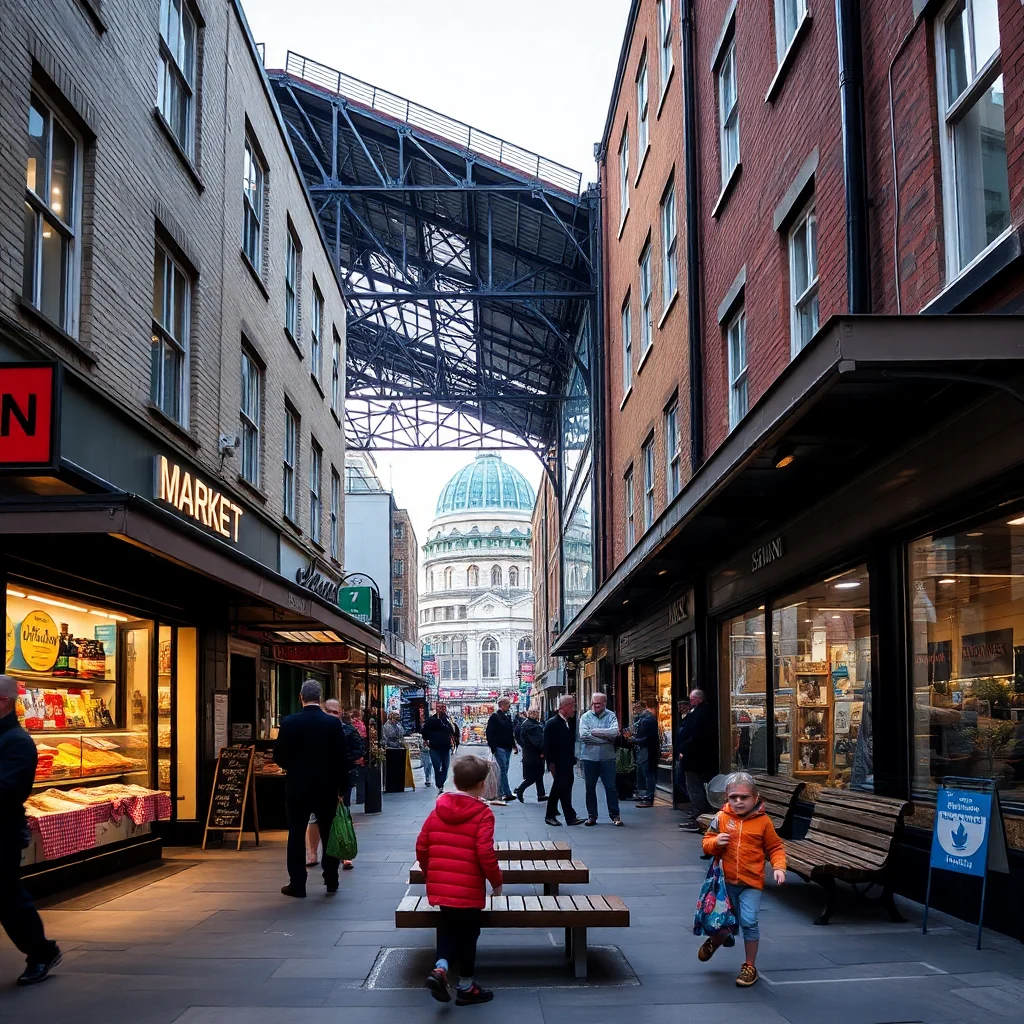
Migration is often discussed in architecture as a user demographic, but it should be understood as a formal force. Cities are continuously rewritten by arrival: food economies alter ground floors, domestic expectations adjust building typologies, and informal networks redirect circulation. The best architecture does not merely house migrants; it learns from migrant logics. In some London neighbourhoods, the life of the street is determined less by masterplanning than by the accumulation of shopfront changes, religious meeting places, takeaway counters and corner stores that act as social infrastructure. That messy intelligence is design data, whether planners admit it or not.
There is a strong precedent here in the work of Lina Ghotmeh, whose projects often treat material memory, excavation and craft as ways of registering layered histories without flattening them into one culture. Likewise, the public work of practices engaged with decolonial debates has made clear that architecture can either police narrative or host plurality. The challenge is to move beyond token references to “community consultation” and instead let migratory patterns change plan, section, access and programme. Shared belonging emerges when circulation is not hierarchical, when entrances are multiple, when domestic and civic functions bleed into one another, and when the building can absorb the weather of everyday cultural negotiation.
That flexibility matters just as much in housing, where household structures are rarely static. Recent discussions of co-living for an aging society show how domestic space can be reorganized around care, proximity and shared routines rather than the isolated nuclear model. In that sense, migration and aging both push architecture toward forms that can adapt to changing forms of kinship.
The real test is whether everyday use can override the designer’s ego
Architecture becomes socially legible not when it looks inclusive, but when it can be appropriated without becoming chaotic. The best urban rooms are full of unscripted behaviour: teenagers claiming stairs, older residents creating habitual shortcuts, stallholders expanding beyond their plots, children inventing micro-territories. Jan Gehl’s observations on human-scale cities remain relevant because they remind us that belonging is made through duration and repeat use, not visual statements. The question is not whether people like a space on opening day. It is whether they return on an ordinary Tuesday and still feel entitled to occupy it.
That entitlement depends on what kind of generosity the architecture permits. Deep windows, benches, covered edges, robust surfaces, generous acoustic conditions and ambiguous thresholds are not aesthetic flourishes; they are enabling devices. They allow users to settle, not just pass through. By contrast, the over-designed civic building often performs inclusion while disciplining behaviour through glare, surveillance and overprogrammed interiors. If belonging is measurable, then one metric should be the degree to which a space tolerates accidental occupation. Another should be whether it can host more than one social rhythm at the same time. Architecture that cannot handle overlap is not democratic; it is managerial.
There is a related lesson in the recent rethinking of retail shells and parking-lot landscapes into shared public assets, as seen in big-box buildings becoming civic infrastructure. When everyday use is allowed to override the original script, even the most unlikely typologies can become places of collective ownership.
Belonging without cliché requires refusing the easy image
The temptation, especially around a theme like Belonging, is to produce a visual language of warmth: soft timber, rounded corners, craft-led surfaces, multicultural graphics, and a palette that signals care. Some of this can be genuinely effective. But the profession must be wary of turning emotional complexity into aesthetic reassurance. Belonging is often forged in places that are rough, underfunded and unfinished. Community is not always picturesque. Sometimes it is provisional, loud and compromised. If architecture sanitises that reality, it risks becoming a luxury version of social conscience.
This is where the boldest work in contemporary practice matters. It does not aim for a single universal image of home. It builds frameworks that are specific enough to matter and open enough to be reinterpreted. The old opposition between specificity and universality is false. A space rooted in one neighbourhood’s routines, one family’s patterns or one local economy can become widely legible precisely because it is exact about use. The trick is to design from the particulars of living without fetishising them. When architecture gets this right, identity is not displayed from the outside; it is enacted from within.
Can architecture make identity shared?
Yes — but only if it stops pretending that identity is something architecture simply reflects. Buildings do not mirror social life; they organise it. And in that organisation lies the possibility of shared identity, not as sameness but as mutual recognition. The architecture of belonging is therefore neither an aesthetic style nor a political mood. It is a series of commitments: to access that is not timid, to memory that is not fossilised, to migration as a source of form, and to everyday use as the final arbiter of success.
Jayden Ali’s framing for LFA matters because it pushes the profession beyond celebratory language and into accountability. If belonging is the brief, then architecture must be judged by whether it creates social legibility without genericising difference. That is a high bar, and rightly so. Cities are full of buildings that claim to include everyone while truly belonging to no one. The next generation of architecture will have to do better than representation. It will have to produce conditions where people can recognise themselves, recognise others, and inhabit the same space without giving up the right to be distinct.
FAQ
What does “belonging” mean in architectural terms? It means a space allows people to understand, use and adapt it without feeling excluded by its form, hierarchy or symbolism. Belonging is produced through access, legibility, comfort and permission to linger.
How can architecture support migration without becoming clichéd? By letting migrant practices shape plan, circulation, thresholds and programme, rather than simply decorating a building with cultural motifs. The strongest work learns from how communities actually live, trade and gather.
What makes a space socially legible? Social legibility comes from clear entrances, intuitive movement, flexible edges, visible activity and cues that help different users understand how to occupy the space. It is less about style than about readable use.
Can shared belonging coexist with strong identity? Yes. In fact, it depends on specificity. The more precisely a building responds to local habits, histories and rhythms, the more easily others can recognise its generosity as a civic act rather than a branded gesture.
Get the Mainifesto weekly — curated design debates, speculative ideas and the week's best articles every Saturday.



Elena March June 30, 2026
Belonging can’t just be declared in a brief and checked off like a technical requirement. If it’s going to be measurable, the metrics have to come from actual use patterns, access, and comfort over time — not from a consultant’s language exercise. Otherwise we’re just dressing up intuition as evidence.
Marcus Reed June 30, 2026
I don’t care who “defines” belonging if the space still feels cold, confusing, or exclusionary to the people paying to use it. The real test is whether the design keeps people longer, brings them back, and makes the experience feel easy without forcing a narrative on them. Theory is fine, but the outcome has to work.
Karim Haddad June 30, 2026
Belonging is never neutral, so the question of who defines it is really a question of power. In practice, it should be negotiated by the people living with the consequences — residents, workers, and local institutions — not handed down by developers or cultural gatekeepers. If architecture can’t make room for conflict and difference, it’s not designing belonging, it’s policing it.
Ricardo Estévez July 1, 2026
Belonging usually gets flattened when it’s turned into a brand-friendly design target. In historic districts especially, the people who define it are often the ones least affected by displacement, which is how preservation gets used to sanitize memory. Architecture should protect layered use and ordinary life, not just produce a neat story about community.