

When Heritage Hotels Become Luxury Theatre
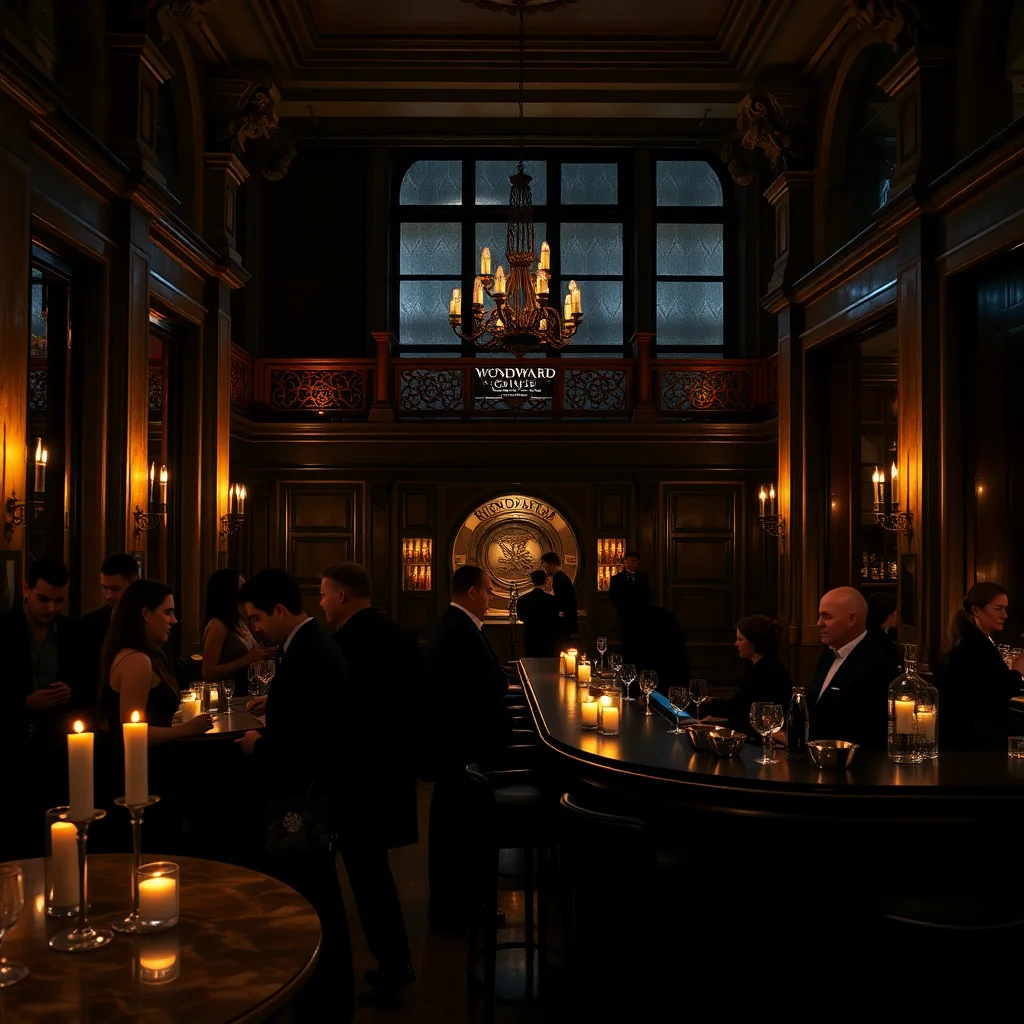
PRO: Restoration as a Design Instrument, Not a Sacred Duty
The Woodward in Geneva makes a persuasive case for a proposition the hospitality industry likes to whisper but rarely says out loud: a heritage building is not automatically entitled to remain a museum of itself. Under Auberge Resorts Collection, the former bank has been elevated through Pierre-Yves Rochon’s all-suite interiors, a sequence of hyper-specific atmospheres, and a culinary program that treats dining as destination architecture. This is not preservation as restraint. It is restoration as a license to choreograph desire.
That matters because the most successful luxury hotels today are not trying to look old; they are trying to make history feel newly legible. Rochon understands this language better than most. His long career in high-end hospitality—from palace hotels to polished urban addresses—has consistently turned interiors into narrative systems. At The Woodward, that means spatial hierarchy, tactility, and controlled opulence: rooms that do not simply “reference” Geneva’s heritage but translate the city’s banking-era gravitas into a softer, more intimate register. The result is a building that feels less like an archive and more like an elevated private club.
There is an argument to be made that this is precisely what a landmark needs to survive in a market where nostalgia alone cannot sustain relevance. The building’s reinvention does not erase its past; it monetizes it with sophistication. A former bank vault turned cigar lounge is the perfect symbol of this logic. The vault’s original function as a security machine has been re-scripted into an intimate, performative luxury setting. The transformation is blatant, even theatrical—but theatricality is now part of the hospitality contract.
Destination Dining and the New Logic of Landmark Value
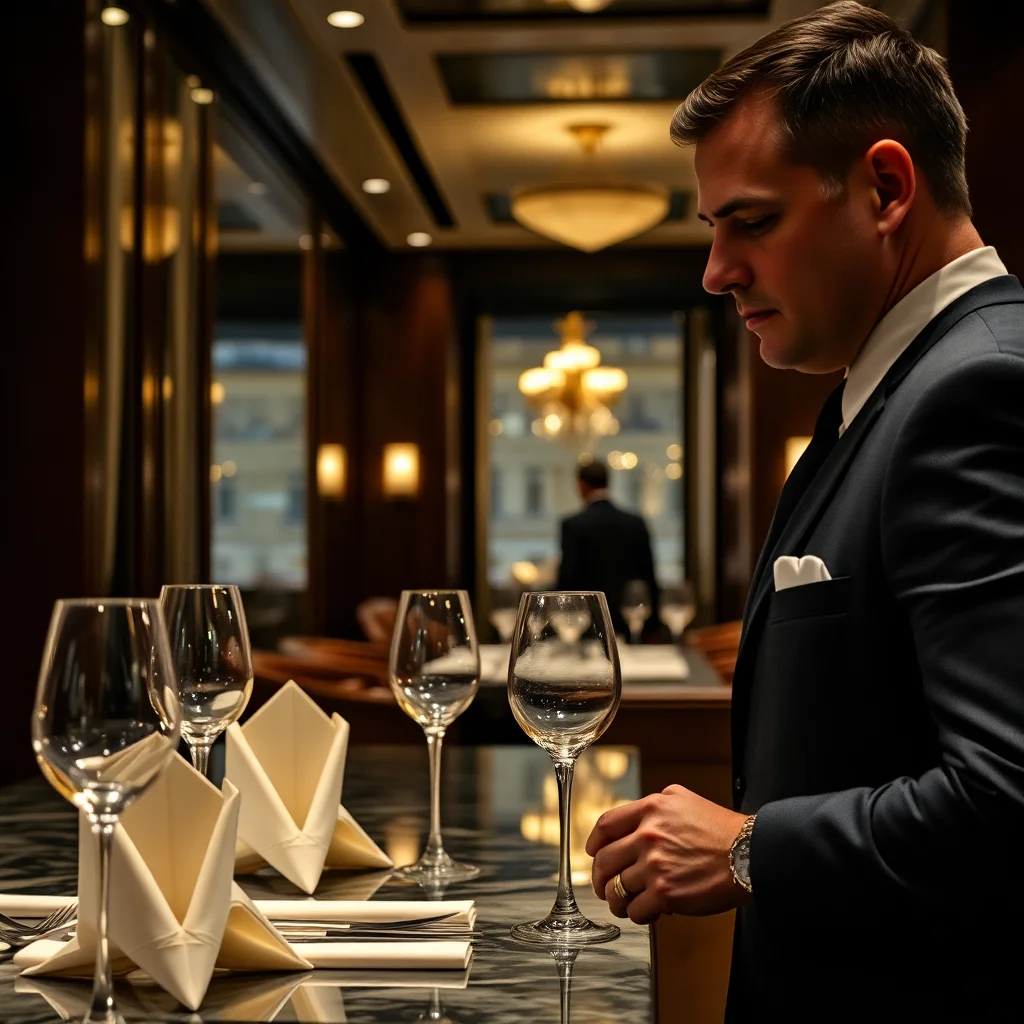
The Woodward’s power lies not only in rooms but in the ecosystem built around them. The city’s only two-Michelin-starred restaurant inside the property is not an amenity in the old sense; it is an engine of status. In contemporary hotel design, dining often does the work that architecture alone can no longer do. It attracts locals, generates press, and gives a building daily public relevance. Without it, many grand refurbishments become insulated luxury objects—beautiful, profitable, and dead to the city.
Here, the restaurant and bar program functions as a cultural amplifier. Bar 37, with its moody precision and tailored atmosphere, extends the hotel beyond check-in and check-out, turning the ground floor into a stage set for Geneva’s social life. This is a tactic visible across the sector: The Oberoi’s urban properties, Rosewood’s sculpted hospitality spaces, and Aman’s famously restrained environments all rely on programmed interiors to make the hotel feel like a destination rather than a container for sleeping. The Woodward is participating in that same global shift, but with a distinctly Genevan confidence—less resort fantasy than urbane opulence.
That shift also reframes restoration itself. A building such as The Woodward is no longer judged only by how faithfully it preserves original detailing. It is judged by whether it can support an entire luxury ecosystem: suites, bars, ritual, service choreography, and a culinary identity strong enough to pull external audiences inside. In other words, the landmark is not saved by being left alone. It is saved by becoming economically irresistible. That may sound cynical, but it is the reality of adaptive reuse in the high-end market. The same logic can be seen in other highly specified environments, from bathrooms designed as precision objects to hospitality spaces where every finish is calibrated for maximum sensory impact.
CONTRA: When Character Becomes a Set Dressing for Brand Language
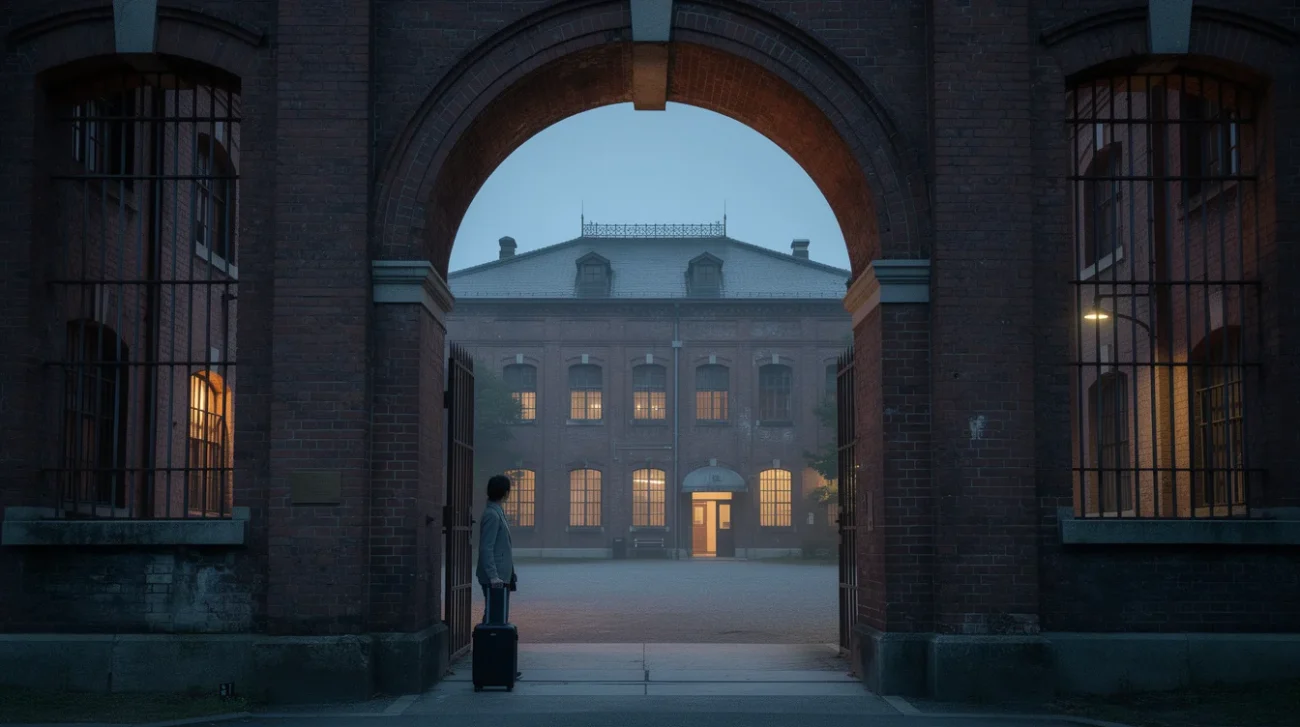
And yet the danger is obvious. Once heritage is absorbed into the machinery of luxury branding, the original building risks becoming a backdrop for a highly curated lifestyle fantasy. The Woodward’s bank-era seriousness is precisely what makes the project convincing—and precisely what makes the project vulnerable to critique. If every historic surface is softened, polished, or re-encoded as exclusivity, what remains of the building’s own voice?
This is the fault line in many hotel conversions. The architecture promises memory, but the interiors often deliver selective amnesia. In the name of comfort, the textures of age are smoothed out; in the name of premium positioning, the spatial oddities of old structures are neutralized. The public narrative says “preserved landmark,” but the experiential reality may feel closer to a controlled simulation of heritage. The hotel offers atmosphere, yet atmosphere can be a dangerous substitute for authenticity.
Rochon’s interiors are undeniably elegant, but elegance is not the same as accountability. Highly tailored suites can become a velvet glove over a radical redefinition of the building’s identity. A cigar lounge inside a former vault is clever, yes, but also emblematic of how restoration now often operates: by converting the building’s most specific historic features into consumable moments. The vault is no longer a trace of finance, secrecy, and civic power; it becomes an amenity, a spectacle, a talking point for guests who may never think twice about what was lost in translation.
This is where the tension sharpens. Heritage hotels increasingly sell the idea that old architecture can be “updated” without compromise. But compromise is inherent in every intervention. The question is not whether change occurs; it is who gets to define the terms of change. If the answer is always the brand, the operator, and the luxury consultant, then preservation becomes a marketing category rather than an architectural ethic.
The Real Question: Elevation or Erasure?
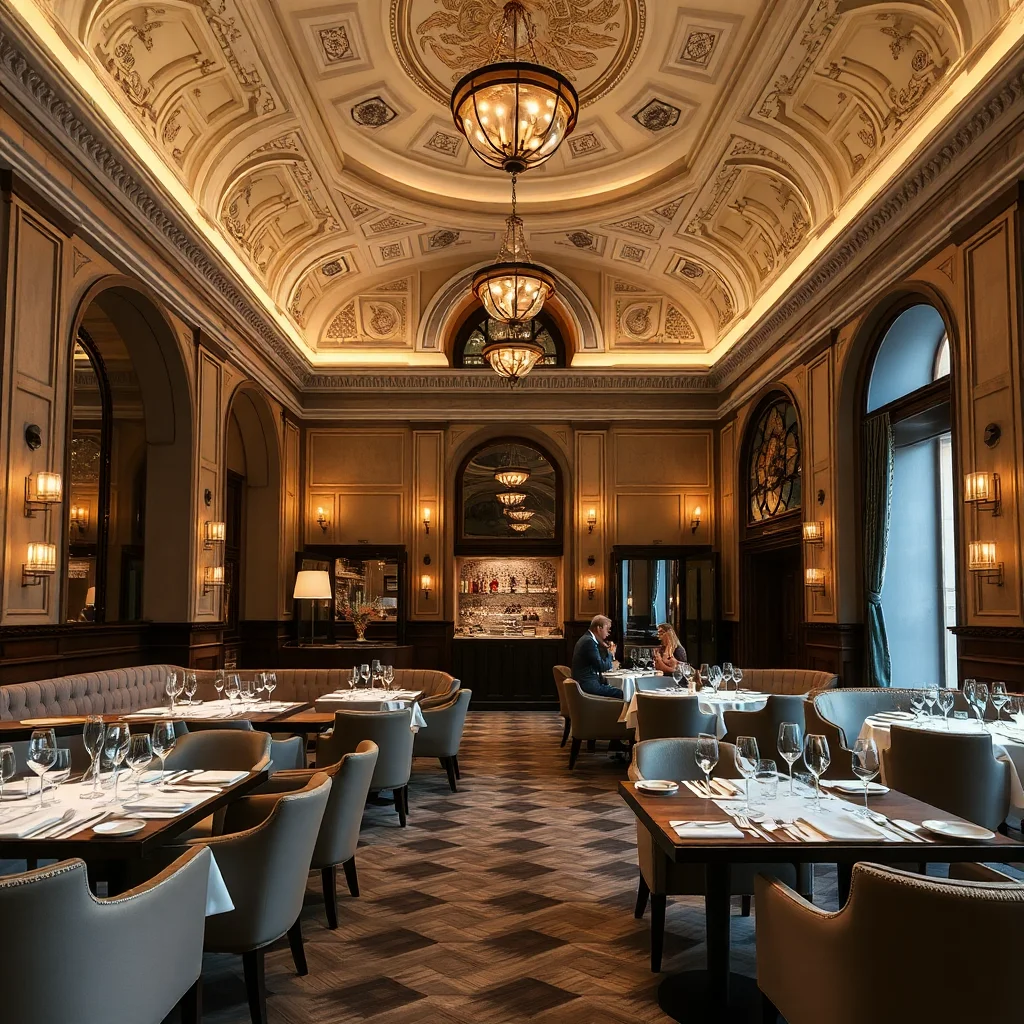
To be clear, the problem is not that The Woodward has been transformed. It would be naïve—and frankly anti-urban—to demand that all landmarks freeze in place. Buildings survive because they adapt. The more difficult question is whether adaptation can still preserve friction, or whether luxury tends to iron it out. The best heritage hotels retain some resistance: a stubborn plan, a visible structural quirk, a room that refuses to behave like a generic suite. They allow history to remain inconvenient.
Too often, however, the industry prefers heritage as mood board. Consider how many celebrated conversions borrow the language of patina, craft, and old-world glamour while quietly standardizing the guest experience. The public sees bespoke finishes; the industry sees differentiation. But when every surface is curated and every story calibrated, authenticity begins to look like an aesthetic category rather than a condition of truth. The building becomes polished enough to photograph, but perhaps too polished to challenge the fantasies built upon it.
The Woodward sits right at that threshold. Its success proves that a historic building can be turned into a contemporary luxury icon without losing all resonance. But it also exposes the ethical ambiguity of the sector’s favorite gesture: the claim that reinvention is a form of preservation. Sometimes it is. Sometimes it is merely a more profitable form of substitution. The distinction matters, because once a landmark is fully absorbed into brand theatre, the city’s history is no longer being hosted—it is being performed. For readers interested in how hospitality can either intensify or flatten experience, haptic interiors and touch-sensitive design offer a useful counterpoint to this polished language of luxury.
What This Signals for the Future of Heritage Interiors
The larger trend is unmistakable. Heritage hotels are becoming laboratories for a new kind of interior authorship, one that blends preservation, scenography, and commercial strategy. Designers like Pierre-Yves Rochon, with their mastery of luxury codes, are uniquely positioned to make these projects feel inevitable. Yet inevitability should not be mistaken for virtue. The industry’s appetite for “elevated” historic properties often rewards the most legible transformations, not necessarily the most responsible ones.
That is why The Woodward matters beyond Geneva. It demonstrates how a landmark can be made relevant through tailored interiors, destination dining, and hospitality theatrics. It also shows how quickly the original building can be reframed as raw material for premium storytelling. The future of this typology will depend on whether operators are willing to protect not just facades and fragments, but also ambiguity, inconvenience, and the imperfect textures that give old buildings moral weight. In that sense, the debate overlaps with projects such as timber’s second life in Japanese interiors, where reuse is less about erasing age than about letting material history remain visible.
Heritage, in other words, should not merely be elegant. It should remain a little unruly. If every historic building can be refined into seamless luxury, then what exactly are we preserving—architectural memory, or only the profitable performance of it?
FAQ
What makes The Woodward’s relaunch significant? It shows how a historic building can be repositioned as a contemporary luxury destination through interiors, dining, and atmosphere rather than through preservation alone.
Why is Pierre-Yves Rochon important to this project? Rochon is one of hospitality design’s most influential figures, known for shaping elegant, highly controlled luxury environments that translate heritage into polished modernity.
Is converting a landmark hotel into a luxury brand necessarily a bad thing? Not at all. Adaptive reuse can keep historic buildings economically viable. The problem arises when brand identity overrides the building’s original character and reduces heritage to aesthetic packaging.
What is the main criticism of heritage hotel reinvention? That it can smooth away the inconvenient, specific qualities of a building in favor of a universally marketable luxury experience.
Get the Mainifesto weekly — curated design debates, speculative ideas and the week's best articles every Saturday.

Tom Brightwell May 12, 2026
If the restoration keeps the building viable and the numbers work, I’m not bothered by a bit of theatre. Heritage that can’t earn its keep usually ends up neglected, and luxury guests are often the ones paying for the upkeep. The real test is whether the project still functions as a good building, not just a polished backdrop.
Sara Kowalski May 12, 2026
This is exactly where the industry gets slippery: once every surface is curated to signal exclusivity, the original craft gets flattened into branding. You can restore a hotel beautifully without turning history into a luxury filter, but that takes restraint, material honesty, and a willingness to leave some imperfections visible. Otherwise you’re not preserving character, you’re merchandising it.
Ricardo Estévez May 12, 2026
Heritage hotels are always a negotiation, but the danger is when adaptive reuse becomes a performance aimed only at wealthy visitors. Preservation should keep the building legible as part of the city’s memory, not just make it photogenic and profitable. If the story can still be read in the plan, the materials, and the awkward traces of change, then we’re doing more than packaging nostalgia.