The Return of Kitsch in Interior Design
PRO: Kitsch Is Back Because Generic Taste Is Exhausted
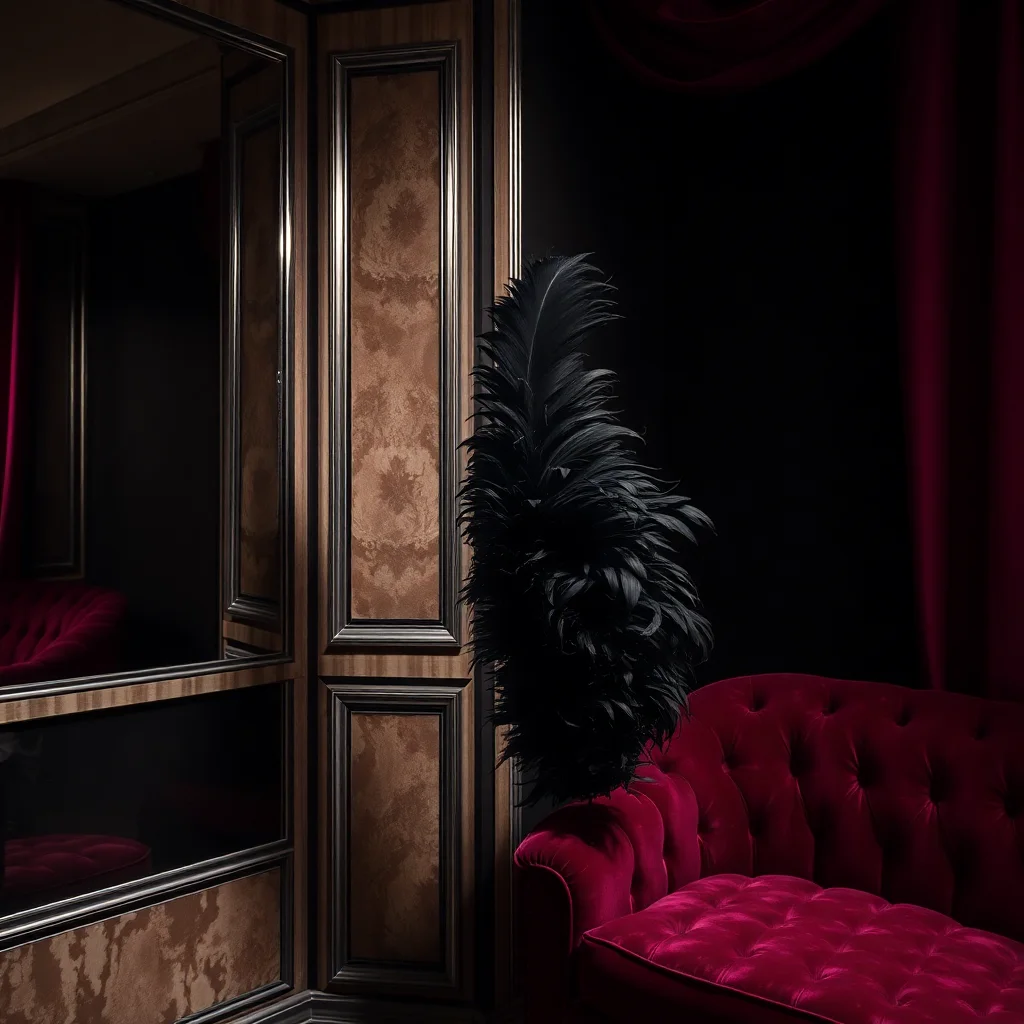
Kitsch is returning not as a joke, but as a refusal. In a design culture flattened by beige hospitality, algorithm-friendly restraint, and the eternal menace of “timeless” neutrality, kitsch offers something increasingly radical: character. The Las Vegas showgirl interior, with its chromium gleam, velvet drama, mirrored excess, and unapologetic theatricality, is no longer simply a relic of lowbrow entertainment. It has become a vocabulary for inhabiting space with memory, mischief, and visible identity.
This matters because the contemporary interior has been trained to look expensive without appearing opinionated. The result is a global sameness: boucle on boucle, pale oak, ribbed glass, a few sanctioned objects from the right design shops, and the illusion of taste without the risk of taste. Kitsch breaks that spell. It insists that interiors can be emotional archives rather than market-compliant backdrops. In collector homes, from the layered apartments of decorators like Miles Redd to the eccentric, museum-like domestic spaces favored by figures such as John Derian, you see how objects accumulate as personal evidence rather than branding props. These rooms are not “curated” in the flat sense; they are authored.
That sense of authorial excess is also why velvet and stone juxtapositions keep resurfacing in interiors that want to feel both sensual and grounded. Material contrast gives ornament something to push against, which is part of kitsch’s enduring appeal.
Showgirl Glamour and Retro Maximalism as Cultural Memory

The showgirl interior is especially useful because it exposes the lie that glamour must be clean to be credible. Its feathers, sequins, lacquer, and saturated color were never designed for discretion. They were engineered to overwhelm, to stage desire as architecture. That same principle now animates a strain of retro maximalism that reaches into 1970s sunken lounges, 1980s mirrored surfaces, and even the decorative courage of Italian postmodernism. Think of the chromatic confidence of Ettore Sottsass, or the patterned bravado associated with Memphis, where decoration was not an afterthought but the point.
What looks, at first glance, like nostalgia is often something more serious: a form of cultural memory. People are not merely decorating with kitsch because it is fun; they are using it to recall eras when interiors still admitted fantasy as a legitimate design tool. This is why a glass palm lamp, a lacquered bar, or a faux-fur accent can feel strangely moving. These are not neutral objects. They carry the residue of nightlife, migration, performance, tourism, labor, and aspiration. Kitsch survives because it remembers the social world that high design often pretends does not exist.
Collector Homes and the Politics of Ornament
Collector homes make the argument even clearer. The best of them reject the sterile logic of “editing” in favor of density and association. A room packed with mid-century ashtrays, Italian ceramics, folk objects, neon relics, and inherited furniture is not necessarily cluttered; it may be intellectually alive. Designers such as Richard Shapiro, Charles de Lisle, and the late interior provocateur Michael Taylor understood that ornament can structure atmosphere, not just decorate it. More recently, a renewed interest in eccentric domesticity has elevated spaces where personal history is allowed to show its seams.
This is where kitsch becomes a defense against generic taste. Generic taste wants interiors to be legible to strangers; kitsch wants them to be legible to the inhabitant first. That distinction is crucial. A home assembled from lived affinities may include the absurd, the sentimental, the overripe, even the embarrassingly sincere. But those qualities are precisely what protect a space from becoming a sales floor for aspiration. The collector’s room says: I am not optimizing for resale. I am building a world that can survive my moods.
For rooms that lean into tactility, the logic overlaps with haptic interiors and touch-sensitive design, where surfaces are meant to be felt as much as seen. Kitsch often succeeds because it asks the body to participate, not just the eye.
CONTRA: Kitsch Is Also the Perfect Decorative Trap
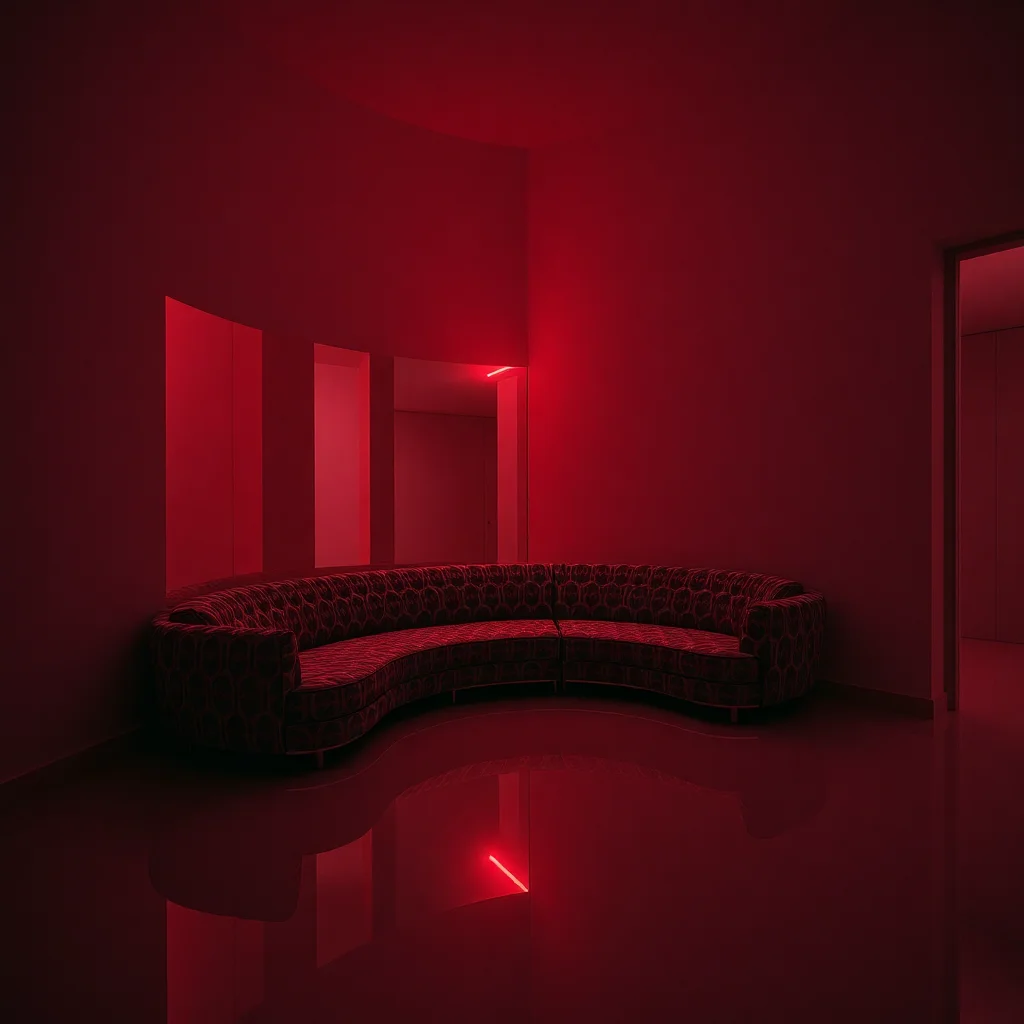
And yet kitsch has a darker brilliance: it is instantly marketable. The moment nostalgia becomes a mood board, it can be monetized. Once retro maximalism is translated into a branding strategy, it loses its friction and becomes just another style package. This is the trap. The same chrome, rattan, scallop-edge, and disco palette that once felt rebellious can be made safe through repetition, especially when the language of “personality” is used to sell predictable eccentricity.
We are already seeing this in hospitality and residential staging, where curated weirdness is deployed as an aesthetic garnish. The room says “playful,” but nothing is at stake. The result is faux-kitsch: decorative nostalgia stripped of memory and turned into content. This is not cultural resistance; it is decorative capitalism with a wink. Even the showgirl can be reduced to a theme, her excess flattened into a photo-op. When kitsch becomes too self-aware, it stops being a challenge to taste and becomes taste’s latest product line.
That flattening often happens through color and finish, especially when expressive palettes are reduced to branding shorthand. The same danger shadows the current enthusiasm for indigo revival and blue accents, which can feel atmospheric when grounded in lived context, but merely performative when used as a trend signal.
The Difference Between Authentic Excess and Stylistic Consumption
The central issue is not whether a room contains kitsch, but whether it earns its exuberance. Authentic excess has narrative density. It emerges from biography, location, inheritance, obsession, or institutional memory. Stylistic consumption, by contrast, simply borrows the visual codes of excess while evacuating their content. One feels inhabited; the other feels assembled.
This is why some interiors succeed where others collapse into parody. A collector home with genuine relationships to art, family artifacts, vernacular materials, and decorative risk can absorb kitsch without losing coherence. But a generic apartment dressed up with “vintage” mirrors, tasseled lamps, and ironic animal prints often reveals the market’s favorite trick: turning personality into a purchasable effect. The room looks expressive because it has been instructed to look expressive. That is not identity. That is merchandising.
Designers who work with memory rather than trend understand this difference instinctively. Gio Ponti’s belief in domestic delight, or Gaetano Pesce’s embrace of playfulness and emotional provocation, offers a more serious model than the shallow nostalgia currently circulating on social media. They did not use ornament to reassure; they used it to destabilize hierarchy. That remains the real promise of kitsch interiors: not comfort, but resistance to the bland consensus of good taste.
Why the Future of Taste May Depend on a Little Bad Taste
If generic taste is the regime of the forgettable interior, then kitsch is one of the few remaining counterforces. Its value lies in its refusal to apologize for pleasure, sentiment, or theatricality. It can be excessive, tacky, extravagant, and even embarrassing — and that is precisely why it matters. The challenge is to preserve its unruly intelligence without letting it harden into a lookbook formula.
The strongest interiors today do not worship purity. They mix the sentimental with the severe, the collectible with the mass-produced, the glamorous with the odd. They understand that memory is rarely elegant and that identity is seldom minimal. In that sense, kitsch is less a style than a warning: once taste becomes too polished, it begins to erase the very lives it is supposed to frame. The return of kitsch is therefore not a regression. It is a reminder that interiors should hold contradictions, not merely coordinate them.
The question is whether the design world is brave enough to let kitsch remain unruly. If it is domesticated into a decorative trend, it will collapse into another instrument of marketability. But if it is treated as a carrier of cultural memory, it may yet become the last defense against generic taste — and the most honest language for a time that desperately wants personality, but often only knows how to simulate it.
Watch the Mainifesto Short
Get the Mainifesto weekly — curated design debates, speculative ideas and the week's best articles every Saturday.
Editorial Perspectives
Questions and counterpoints developed by the Mainifesto editorial desk to extend the discussion.
Perspective 1
Kitsch survives when it does a job: it makes a space memorable, legible, and worth talking about. The second people start packaging it as a clean aesthetic with a palette and a mood board, it dies — keep it messy, specific, and tied to the story of the place or the client.
Perspective 2
I’m not convinced kitsch needs rescuing, because too often it becomes a shortcut for nostalgia instead of a real design position. If we want authenticity, we should be talking about longevity, adaptation, and local context — not just putting a few ironic objects in a room and calling it character.
Perspective 3
Kitsch stays alive when it still feels handled, repaired, collected, and slightly out of step with whatever is current. Once it gets overfinished, it turns into a showroom version of memory; the best rooms keep the fingerprints, the imperfect glaze, the stitched edge, the things that only work because they were loved first.