

When Museums Become Regional Arguments
Architectural institutions are no longer neutral containers
Museums used to sell themselves as civic gifts: places where culture could be stored, sorted, and calmly encountered. That fiction has collapsed. Today, a museum is rarely just a museum; it is a regional argument dressed as public good. It arrives promising education and community, but it also declares a position on who the place is for, how it should look, and which outside authority gets to narrate local culture. The newest projects are revealing because they do not hide this tension—they amplify it.
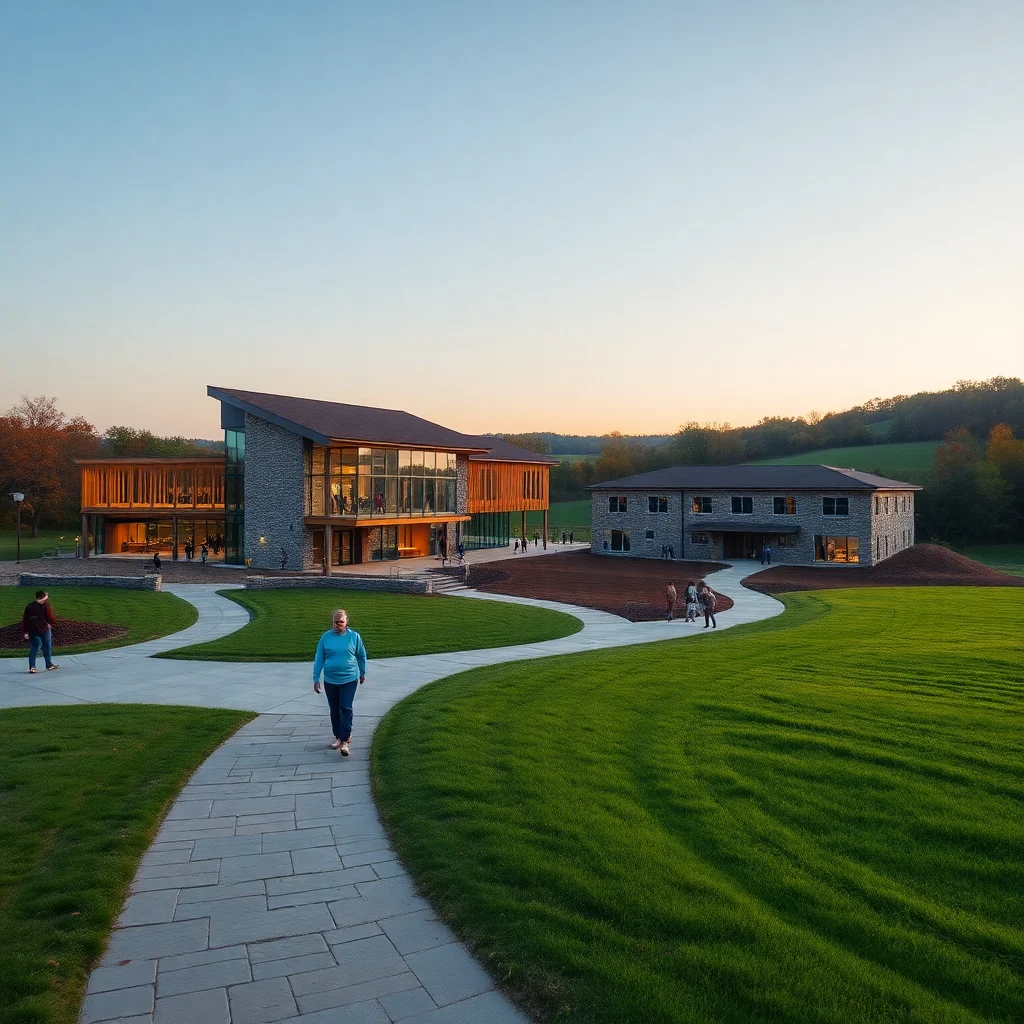
The planned expansion of the Brandywine Conservancy & Museum of Art outside Philadelphia, designed by Kengo Kuma & Associates with Field Operations and Schwartz/Silver Architects, is a telling example. The language around it is vernacular, landscape-conscious, and rooted in regional identity. But it is also unmistakably an authored event: a first museum building in the US by a globally celebrated Japanese architect, packaged as a cultural landmark. That dual condition is the point. The building is meant to belong to Pennsylvania while also functioning as a signature. In architecture, that is never a neutral gesture. It is a negotiation of prestige, place, and public expectation.
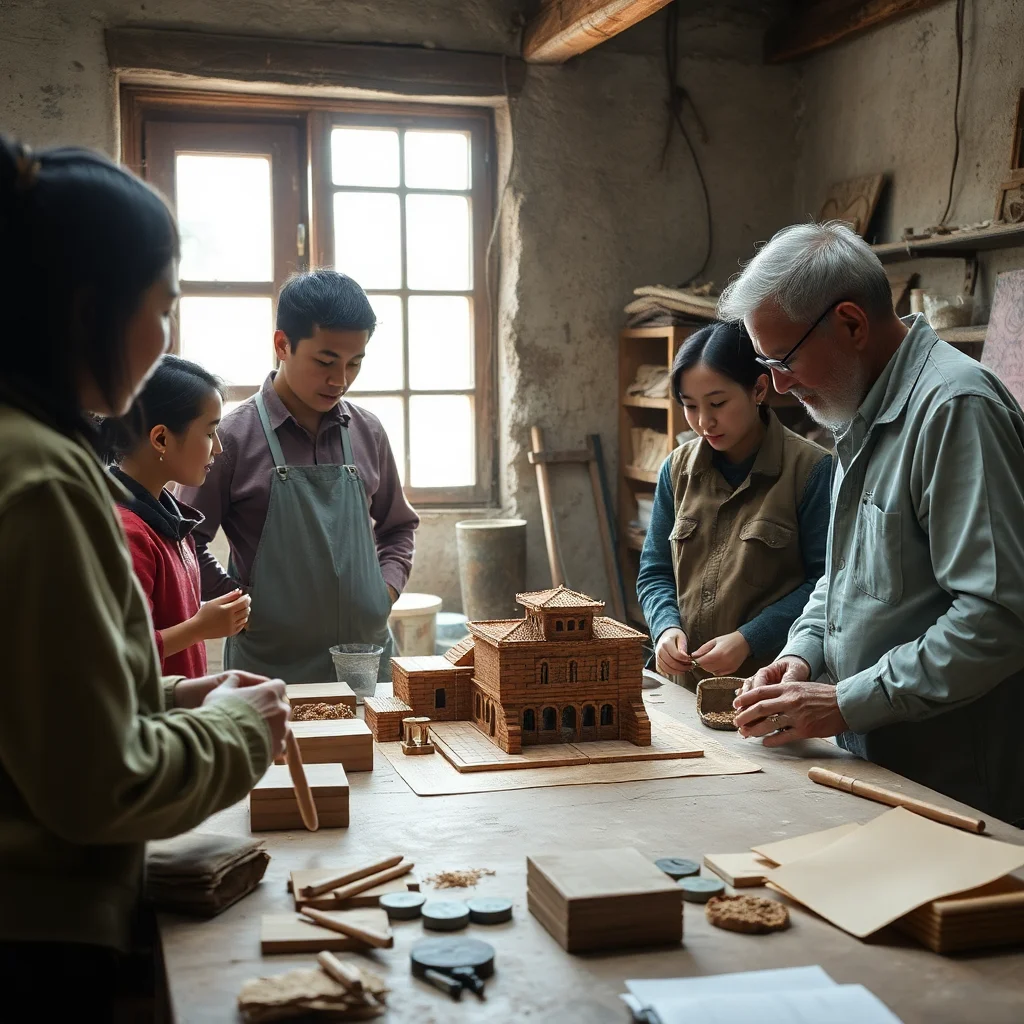
This is not only a North American story. Across rural China, cultural buildings have become laboratories for identity management, tourism branding, and local reinvention. Smaller towns commission museums, art centers, and “cultural complexes” to reposition themselves in relation to metropolitan capital. The typology has become a regional instrument: a way to attract visitors, retain young residents, and reframe local history in a language legible to national media and global architecture culture. Sometimes the results are genuinely civic. Often they are strategic theater. The question is no longer whether museums can be beautiful. It is whether they can still act as anchors when they arrive as branded architectural events.
What the Pennsylvania project reveals about the museum as a brand
Kengo Kuma has built an international reputation on softening architecture’s hard edges. His work frequently trades in tactility, layering, timber, screens, and a carefully calibrated sense of belonging to landscape. In that sense, the Brandywine project is perfectly on-brand. But branding is exactly the issue. When a museum uses an architect’s signature as a proxy for regional sensitivity, it risks confusing cultural resonance with aesthetic fluency. The result can be a building that looks locally grounded while still operating as a global product.
This dynamic is not unique to Kuma. Think of the way major museums have used architectural authorship to recast their public image: Frank Gehry’s Guggenheim Bilbao made the “museum effect” a global economic strategy; Zaha Hadid’s MAXXI in Rome turned institutional ambition into a spatial spectacle; Herzog & de Meuron’s expansion of the Tate Modern transformed industrial memory into a tourist engine. These projects did not merely house culture. They exported a model in which architecture itself became the museum’s primary exhibit. The institution, in other words, became dependent on image production.
That dependency is increasingly visible in smaller settings. A museum in rural or suburban territory cannot rely on metropolitan density to generate footfall, so it must become destination architecture. Yet the more it behaves like a destination, the more it risks alienating the everyday publics it claims to serve. This is the paradox of the regional museum today: to be locally meaningful, it must often be globally visible; to survive economically, it must be legible as an event.
Seen this way, even the threshold becomes part of the message. As Can a Museum Entrance Be a Political Act? argues, arrival sequences are never just functional in cultural buildings; they shape who feels invited, deferred, or excluded before the exhibition even begins.
Rural China and the rise of the cultural shortcut
If Pennsylvania exposes the subtle prestige economy of the museum, rural China reveals the speed and scale of its instrumentalization. In many provincial contexts, culture is being used as a development shortcut. Local governments commission museums, libraries, and exhibition halls not only to preserve heritage, but to manufacture a civic image that can compete in a market of places. Architecture becomes a form of territorial advertising.
There are better and worse versions of this. Some projects use vernacular forms with intelligence, adapting courtyard traditions, local brick, stone, and rooflines to contemporary programs without reducing them to clichés. Others treat regional identity as an aesthetic filter: add pitched roofs, rough materials, or abstract “traditional” motifs, and call it rooted. The problem is not that architecture references the vernacular. The problem is when vernacular becomes a marketable costume detached from social life. A museum can look deeply local while serving a visitor economy that has little to do with local residents.
Still, the best of these rural interventions demonstrate that cultural buildings can do more than stage identity. They can redistribute attention. They can draw resources into places long excluded from elite cultural circuits. They can support artisans, historians, and schools. The issue is governance. When the museum is conceived primarily as a tourism device, it will tend to prioritize photogenic arrival over long-term civic use. The building becomes a postcard before it becomes a commons.
That tension is part of a broader architectural reckoning. When Architecture Stops Hiding Its Ecology looks at how buildings now have to account for the systems that sustain them, not just the images they project—a useful lens for museums that claim civic purpose while operating as development tools.
Authorship is now part of the argument
The global circulation of star architects has made authorship impossible to ignore. In a different era, local culture might have been expressed through local architects, local contractors, and local materials in a relatively coherent chain of production. Today, a museum can be simultaneously regional in concept and multinational in authorship. That hybridity is not inherently bad. It can produce new forms of exchange, and architects working across cultures can sometimes resist simplistic localism. But the economics of prestige make the power imbalance hard to ignore.
When a celebrated foreign architect is invited into a place, the commission often implies that local identity needs external validation. This is the deeper politics of the branded museum. The institution says it is celebrating the region, but the cultural authority to do so is outsourced. Even when the architecture is modest, the gesture can be imperial in soft focus. That is why the language of “context” deserves scrutiny: context for whom, interpreted by whom, and translated into what aesthetic code?
The most convincing museum projects today are the ones that refuse to separate authorship from accountability. They acknowledge that architecture is not merely a vessel for culture but part of the culture machine itself. In that sense, a museum in Pennsylvania and a museum in rural China belong to the same debate: how to build a place-based institution without turning place into a marketing asset.
For that reason, reuse matters as much as authorship. Can Adaptive Reuse Save Cultural Buildings? offers a parallel argument: institutional credibility often comes less from novelty than from the ability to extend a building’s public life without stripping away its local memory.
Can civic anchors survive the destination economy?
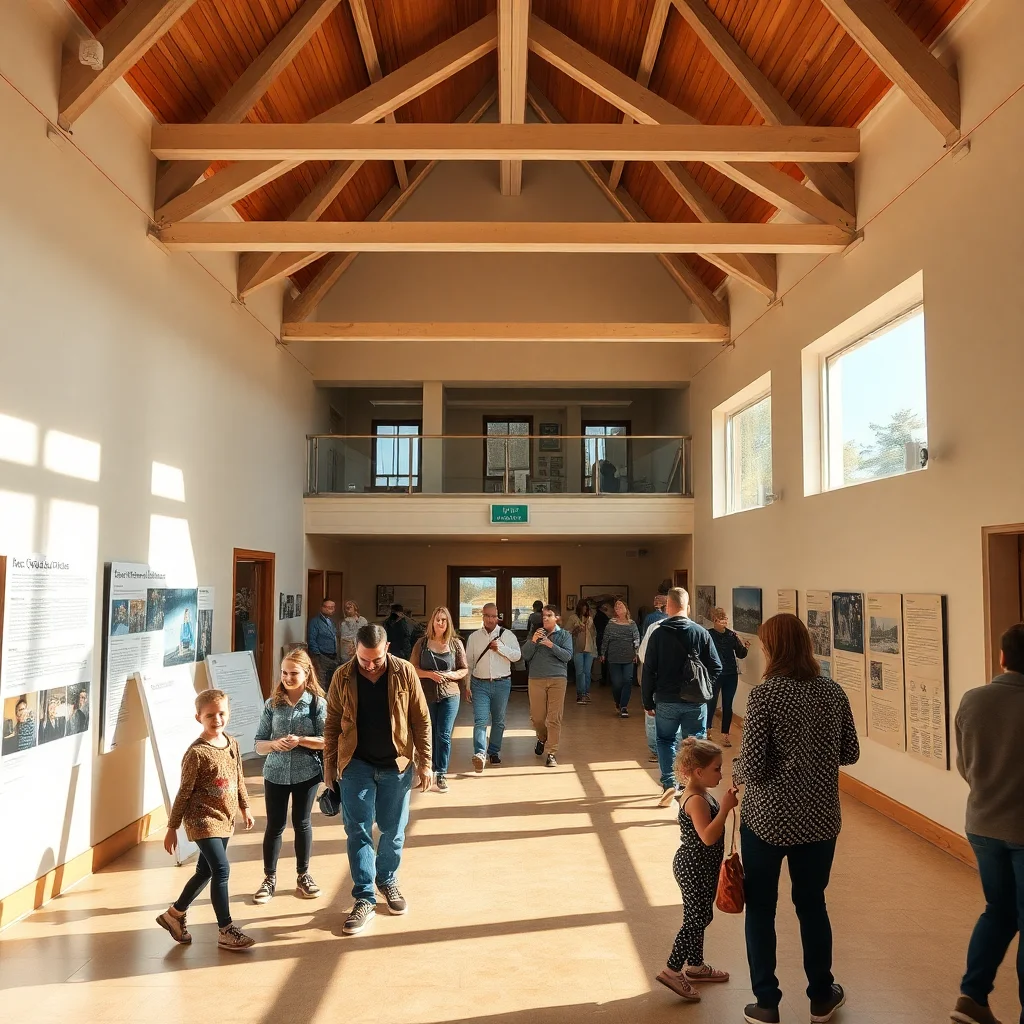
The museum as civic anchor depends on repetition, not novelty. People return because the institution hosts classes, lectures, archives, local exhibitions, school visits, and ordinary routines. Branding, by contrast, depends on the single spectacular image, the opening weekend, the social-media photograph, the designer name. These two logics are often in conflict. One wants to sediment belonging; the other wants to accelerate attention.
That conflict shapes the architecture itself. Destination museums favor generous thresholds, iconic silhouettes, and landscapes arranged for arrival. Civic museums need porous edges, durable interiors, adaptable rooms, and operating budgets that support programming after the press has moved on. A project can claim both ambitions, but only if its planning is honest about which one will be protected when funding tightens. Too often, the answer is spectacle first, public life later.
And yet dismissing these projects outright would be lazy. A regional museum can still matter if it is willing to be more than a sign. It must sustain local labor, support everyday use, and avoid turning neighboring communities into scenery. That requires less faith in architecture as image and more faith in architecture as institution. The finest buildings will not simply declare identity. They will make room for disagreement about identity, which is a far more democratic and more difficult task.
What the next regional museum must stop pretending
The age of innocent museums is over. The next wave of cultural buildings must stop pretending that architecture can merely “reflect” a region without shaping how that region is consumed. If a museum is funded by public money, philanthropic capital, or tourism policy, it is already part of a regional strategy. The question is whether that strategy is extractive or reciprocal.
We should demand museums that are specific without being sentimental, ambitious without becoming monopolies on meaning. That means trusting local constituencies enough to let them complicate the story the architecture wants to tell. It also means admitting that a celebrated foreign architect may bring value, but never automatically legitimacy. Legitimacy is earned through use, duration, and civic relevance—not through renderings, names, or opening-day rhetoric.
The Pennsylvania project and the wave of vernacular interventions in rural China are not opposites. They are two versions of the same condition: culture used as a tool for regional self-definition under global scrutiny. One is polished, discreet, and curatorial; the other is often more overtly instrumental. Both ask the same hard question. Can a museum still belong to its place when its arrival is already a performance?
That is the issue architecture must confront now, before the museum becomes nothing more than a regional argument with beautiful lighting.
Get the Mainifesto weekly — curated design debates, speculative ideas and the week's best articles every Saturday.


Elena March May 21, 2026
A museum should be judged first as civic infrastructure, because the architecture can only justify itself if it actually serves local life. Too often these regional landmarks are sold as cultural catalysts, but the real test is whether they keep working once the tourist photos fade and the funding cycle tightens.
Marcus Reed May 21, 2026
If it arrives as a branded architectural event, that’s fine — but only if the experience holds up for the actual visitor, not just the opening-week press. I’d judge it by usability and pull first: does it bring people in, keep them moving, and make the place feel worth returning to?