

When Design Stops Optimizing and Starts Resetting
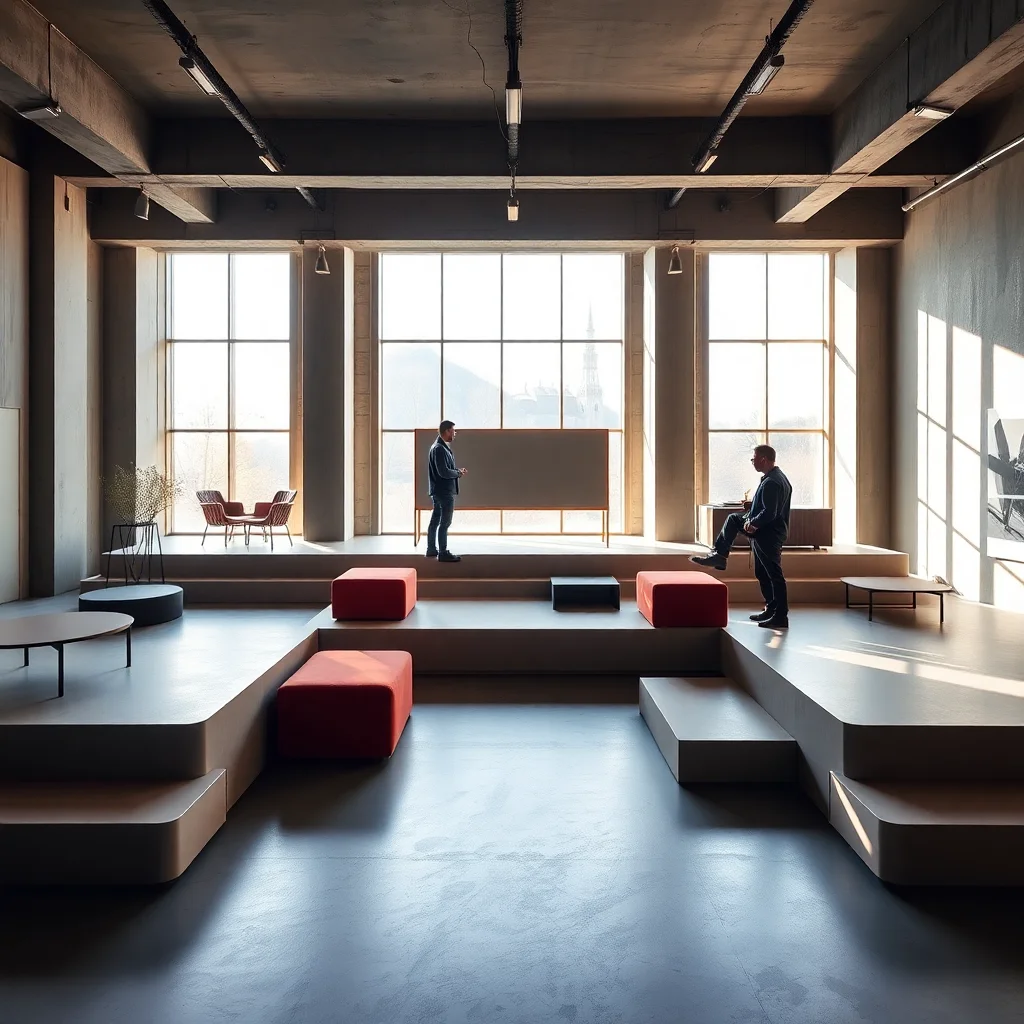
Design’s New Obsession Is Not Efficiency, It Is Reversibility
For decades, workplace and building design has been dominated by the cult of optimization. Every partition, cable tray, and square meter was expected to work harder, last longer, and justify itself in the language of productivity. But that logic is collapsing under the pressure of hybrid work, volatile occupancy, and the brutal reality that many interiors are simply out of sync with how people actually use them. Vitra’s Reset, developed with Swiss architect and designer Stephan Hürlemann, enters this moment with a sharper proposition: the best space is not the one that performs perfectly once, but the one that can be reset without embarrassment.
That sounds modest, even bureaucratic, until you realize how radical it is. Reset proposes stepped floor structures that transform unused or underused areas into productive environments. In other words, it treats adaptability as a design principle in itself, not a compromise after the fact. Vitra describes it through a “beta mindset,” and that phrase matters. Beta is not failure; beta is a system that remains open, revisable, and deliberately unfinished. In a market obsessed with polished permanence, that is an ideological break.
Architectural culture has spent years pretending flexibility is a bonus feature. Moveable walls, modular desks, and demountable ceilings were often marketed as optional accessories to a fixed spatial order. Reset suggests the opposite: adaptability should be the baseline condition of contemporary interiors. If a workplace cannot be altered, it is not resilient; it is merely expensive. That same logic increasingly shapes other speculative design fields, from architectural robotics to dynamic systems that allow structures to behave less like static objects and more like responsive frameworks.
The Beta Mindset Turns Interiors Into Operating Systems
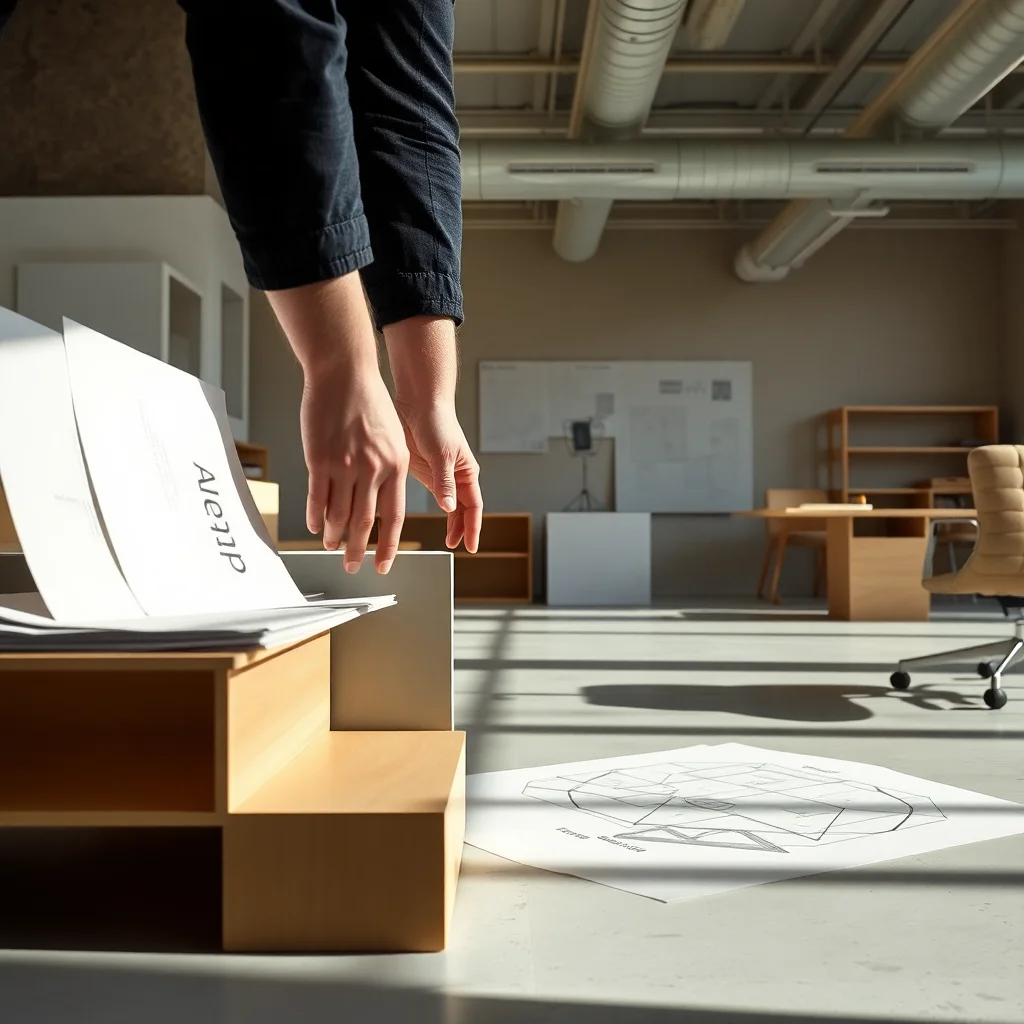
Vitra’s language borrows from software culture for a reason. In digital products, beta means a working prototype exposed to use, feedback, and revision. Applied to interiors, the idea is more destabilizing. It implies that buildings should not be treated as sealed monuments to an original brief, but as environments that can be updated in response to changing social, economic, and environmental conditions. The office is no longer a finished object. It is an operating system.
This shift is visible across the broader design field. Projects by firms such as studioMDA, Universal Design Studio, and Gensler have increasingly emphasized reconfigurable layouts, loose-fit planning, and kit-of-parts systems that can absorb organizational change. The logic extends beyond office furniture. Carmody Groarke’s work on adaptable cultural interiors, or the reuse-led strategies seen in many European adaptive-reuse projects, reveals a similar impulse: don’t design for a single future; design for multiple futures that may arrive in conflict with one another.
But Reset is sharper than generic flexibility rhetoric because it is tied to the physical hierarchy of the floor itself. By introducing stepped floor structures, it effectively turns dead space into a spatial resource. A change in level can create places for collaboration, retreat, presentation, or informal gathering without requiring total demolition. This is not just furniture that moves. It is architecture that admits it may need to be unmade.
That admission is overdue. Buildings are too often designed as if change were a contamination rather than a certainty. Yet the contemporary workplace is already unstable: teams shrink, expand, scatter, reconvene, and rebrand. A responsive interior should not fight that instability with brute-force permanence. It should metabolize it. In some cases, that means borrowing from adjacent disciplines that already treat environments as systems in motion, such as responsive lighting systems that adjust to use, time, and human behavior in real time.
Undoing Space Is More Ambitious Than Filling It
The most seductive promise of design has always been addition: more function, more comfort, more identity, more efficiency. Reset flips that script. It asks what happens when a space is valuable precisely because it can be undone. That is a harder proposition to sell, but a more intelligent one to build around. To undo well requires anticipation, disciplined detailing, and a refusal to conceal complexity behind cosmetic smoothness.
Here the conversation connects to the work of lacaton & vassal, whose renovation projects have made a compelling case for generous, transformable space rather than overdesigned finality. Their architecture repeatedly demonstrates that the most ethical intervention is often the one that leaves room for future decisions. Similarly, the office interiors of the last decade have begun to shift from icon-driven branding exercises toward systems that allow users to absorb uncertainty. The design language is less about statement, more about permission.
Reset makes this permission tangible. A stepped platform can host a meeting today, a workshop tomorrow, and a circulation spine next month. What matters is not the form in isolation, but the range of roles it can support over time. That is a profound change in how value is measured. Instead of asking whether a space is optimized for one scenario, we should ask how many legitimate scenarios it can survive without becoming waste.
There is also a political dimension here. In many cities, office vacancy, underused commercial stock, and inflexible building stock have become civic problems. The ability to convert residual or awkward space into productive space is not just an interior-design trick; it is a response to urban stagnation. When design can rescue surplus space from becoming dead inventory, it becomes part of a larger repair economy.
From Product Design to Spatial Stewardship
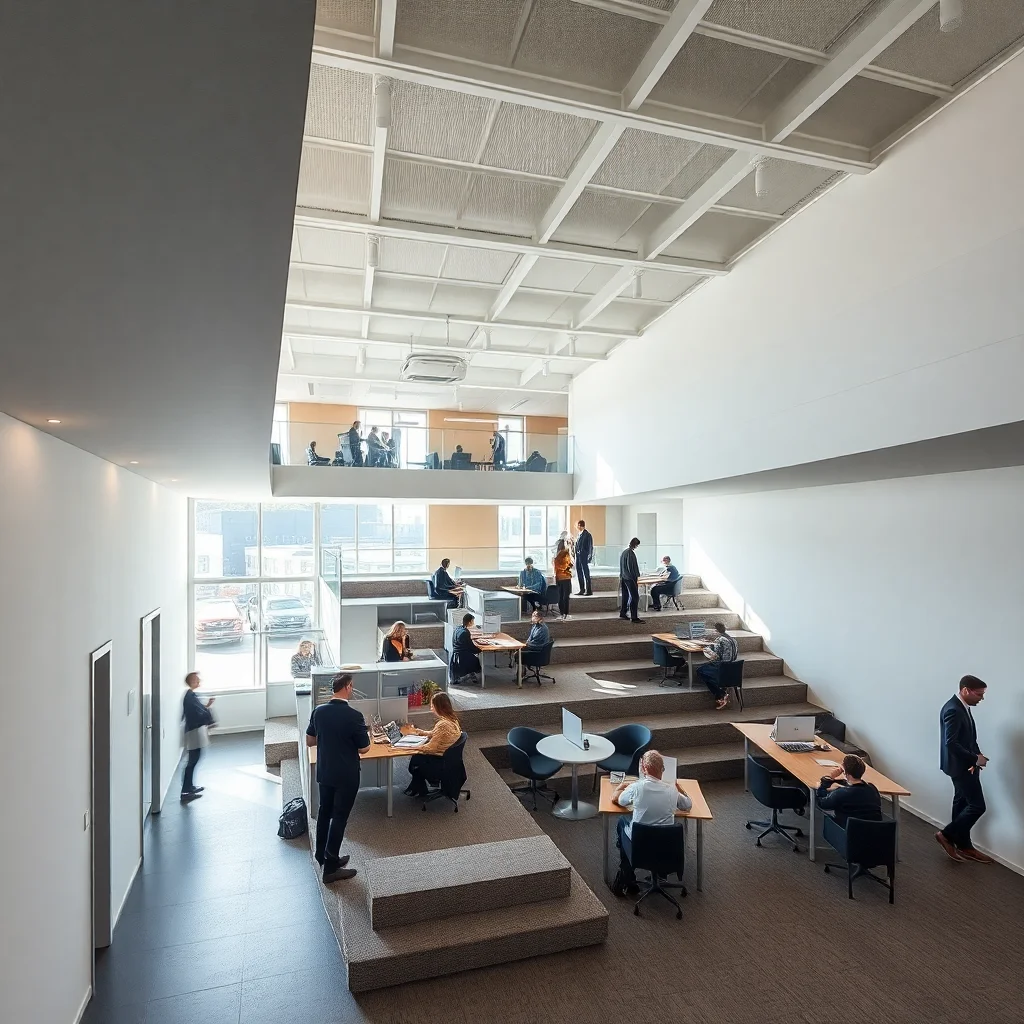
What makes Vitra’s Reset compelling is that it pushes furniture thinking into the realm of stewardship. Traditional furniture is judged by comfort, durability, and style. Reset adds a fourth criterion: whether the system can support re-entry over time. Can the space be returned to, revised, and inhabited differently without throwing away the material intelligence already invested in it?
That question echoes across the work of designers who have refused the fantasy of the fixed object. Hella Jongerius has long argued for the value of imperfection, repair, and material longevity. Formafantasma’s research into extraction and afterlife has challenged the assumption that newness is synonymous with progress. And in the realm of workplace design, companies like Nendo and Vestre have repeatedly shown that modularity can be poetic rather than banal when it is treated as a spatial ethic instead of a logistical shortcut.
Reset belongs to this lineage, but with an architectural scale of ambition. It is not merely about swapping out components; it is about making underused surfaces and levels legible as opportunities. The result is a workplace that behaves less like a finished showroom and more like a managed ecology. That is not a softer idea of design. It is a stricter one, because it demands accountability over time.
And time is where many contemporary interiors fail. They are launched with spectacular coherence and then slowly deteriorate into mismatch, clutter, and procedural friction. A resettable system acknowledges that entropy is not an accident; it is the normal condition of occupied space. The design task is not to stop change, but to choreograph it gracefully. In that sense, the conversation overlaps with work on self-healing materials in architecture, where resilience is understood not as resistance to damage, but as the capacity to recover and continue.
The Future Interior Will Be Judged by Its Undoing
If the 20th-century interior was judged by completion, the 21st-century interior will be judged by reversibility. Can it be dismantled without waste? Can it be repurposed without embarrassment? Can it accept new patterns of work without a total rebuild? These are not niche questions for designers; they are central to how organizations will justify their space footprints in an era of economic caution and environmental scrutiny.
That is why the most interesting designs now resemble provisional frameworks rather than permanent declarations. They are not indecisive. They are strategic. A resettable workplace recognizes that the initial plan is only the first draft of a much longer negotiation between users, buildings, and climate realities. In this context, the refusal to over-determine a space becomes a sign of intelligence, not incompleteness.
There is also a cultural correction happening. For too long, adaptability was treated as the poor relation of “real” design, as if only rigid, authored spaces possessed seriousness. Yet the most advanced interiors today are often the least authoritarian. They make room for negotiation, misfit, reprogramming, and partial failure. That humility is not a retreat from ambition. It is an upgrade to it.
Vitra’s Reset is important because it names this condition without softening it into corporate wellness language. A beta mindset is not about endless comfort. It is about admitting that buildings, like organizations, need mechanisms for correction. If design cannot be re-entered, reinterpreted, and reset, then it has already started to expire.
The question is no longer whether the workplace should adapt. It is whether design has the courage to stop pretending permanence is a virtue and start treating undoing as a measure of quality.
FAQ
What does Vitra’s Reset system actually do?
Reset uses stepped floor structures to convert unused or awkward areas into productive environments. It is designed to make interiors more adaptable without requiring a complete rebuild.
Why is “beta mindset” important in architecture and interiors?
Because it treats buildings as revisable systems rather than fixed outcomes. Beta implies ongoing testing, feedback, and improvement, which fits a world of hybrid work and changing occupancy.
How is Reset different from conventional modular furniture?
Conventional modular furniture usually rearranges within a fixed room. Reset addresses the spatial structure itself, turning floor levels and residual zones into usable parts of the interior.
Why does reversibility matter for the future of design?
Reversibility reduces waste, extends the life of interiors, and allows spaces to be re-entered for new uses over time. In an unstable workplace economy, that flexibility is no longer optional.
Get the Mainifesto weekly — curated design debates, speculative ideas and the week's best articles every Saturday.



James Okoro May 21, 2026
This is the kind of design thinking I want to see more of: interiors that can be taken apart without becoming waste. Permanence has been overtreated as a virtue, when in practice a space that can reset well is often the smarter, more sustainable standard.
Mei Chen May 21, 2026
The idea is compelling, but the real test is in the hardware, tolerances, and supply chain behind it. If Reset can be endlessly re-entered without degrading fit, cost, or material quality, then it’s not just a concept—it’s a viable manufacturing model.
Karim Haddad May 21, 2026
Permanence only looks noble until demographics, tenancy laws, or climate pressure force a redesign anyway. A resettable interior makes more sense as a civic and economic strategy than a fixed object pretending the future is stable.