
When Evidence Becomes Beauty’s New Luxury
The luxury shift nobody can fake anymore
Beauty branding has entered a harder, sharper phase: the era of proof. For years, premium beauty sold an emotional promise first and a product second. The bottle implied status, the campaign suggested transformation, and the claim was often left delightfully vague. That playbook is collapsing. Audiences now arrive with screenshots, ingredient databases, clinical skepticism and a low tolerance for brands that confuse vocabulary with value. What used to pass as allure now looks suspiciously like noise.
This is why evidence is becoming the new luxury. Not because proof is cold, but because proof is expensive, difficult and legible. To substantiate a claim, a brand must invest in clinical testing, transparent sourcing, traceable supply chains, packaging that can withstand scrutiny and messaging that can survive public fact-checking. In the old model, luxury was scarcity, gloss and aspiration. In the new model, luxury is verification. The premium object is no longer just desirable; it is defensible.
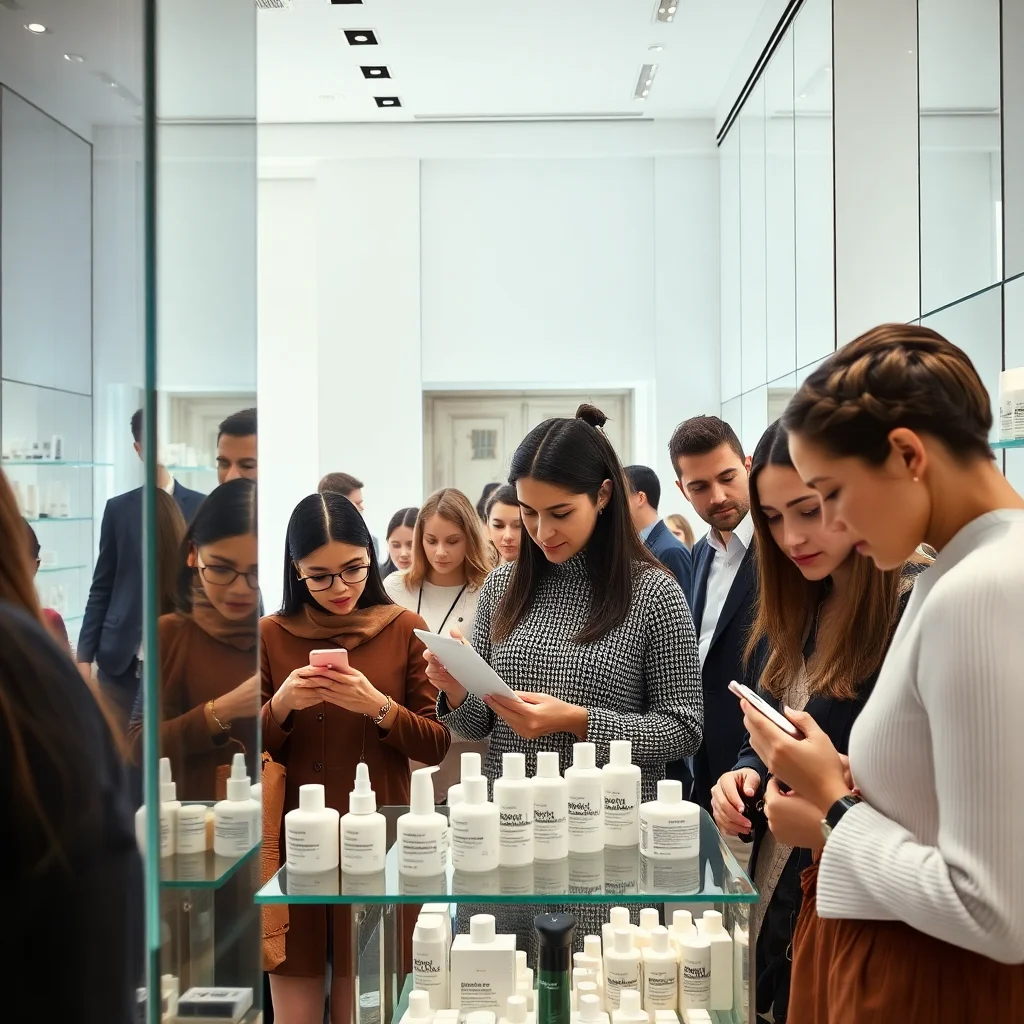
Marina Mansour, president of beauty, wellness and luxury at Kyra, describes this turn as a response to audience sophistication. That sophistication is not passive. Consumers are comparing claims across brands, reading ingredient labels, checking whether “clean” means anything operationally and asking why a serum costs more than a weekend away. When trust becomes the scarce material, evidence becomes the design language that signals seriousness. In product design terms, this is a tectonic shift: the object, the package, the campaign and the research behind them are now one system.
From aspiration to verification
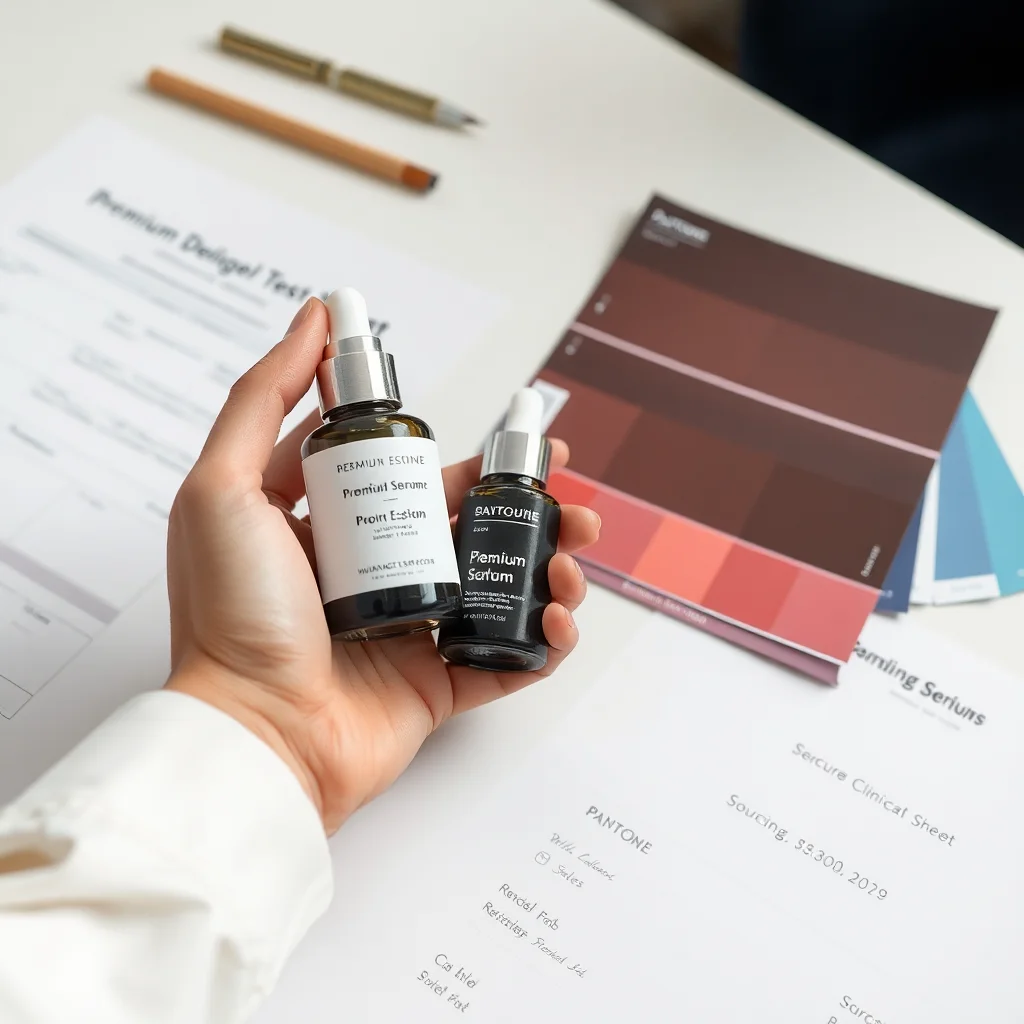
Beauty’s aspirational era was built on fantasy architecture. Think of the immaculate bathroom shelf, the dewy face in late afternoon light, the indistinct but irresistible promise of becoming someone better. Those images still matter, but they are no longer enough. In a market saturated with “miracle” actives, skin cycling tips, microbiome claims and celebrity-fronted launches, the audience has become literate in the grammar of marketing. They know how the spell is made, which means brands have to show the mechanism.
This is where verification changes the premium code. Clinical results, dermatologist partnerships, before-and-after evidence, third-party testing and sourcing narratives are becoming central to brand identity, not footnotes. The product must behave like an argument. Even the most aesthetic labels now need to support traceability. A translucent bottle with restrained typography is no longer just a style choice; it can imply discipline, restraint and an absence of gimmickry. Design becomes persuasive through omission as much as decoration.
Look at the rise of brands that foreground laboratory language without abandoning desirability. The Ordinary built a cult around brutalist transparency, turning ingredient names into a visual manifesto. Augustinus Bader wrapped biotech in luxury minimalism, proving that science can be marketed with almost monastic confidence. Oui the People treated razor design and body care as a critique of gendered beauty excess. These brands do not simply sell efficacy; they package skepticism itself as a premium aesthetic. The implication is clear: if you can prove it, you can charge for it.
This tension between desire and verification is not unique to beauty. In other categories, designers are also learning how proof can reshape aspiration, as explored in Can a Sports Car Still Be an Object of Desire?. The lesson is similar: when performance has to be demonstrated rather than implied, the language of luxury changes at the surface and in the system beneath it.
The evidence economy is a design challenge
But proof is not a slogan; it is an operating model. To enter the evidence economy, brands need systems that make claims visible and repeatable. That includes more disciplined product development, regulatory literacy, careful copywriting and packaging that communicates without overpromising. It also means accepting that a beautiful object can no longer hide weak substantiation. In the current climate, visual polish without empirical backing reads as cosmetic in the worst sense.
Product designers and brand strategists are now working with a new material palette: percent improvement, dermatologist validation, origin stories, supply-chain mapping, carbon accounting and refill logic. These are not abstract corporate assets. They shape form. A refillable jar suggests stewardship. Batch coding signals traceability. QR-linked provenance can make sourcing feel tangible rather than performative. Even typography matters, because the visual hierarchy of a pack can either amplify confidence or smell like obfuscation.
The strongest beauty brands are beginning to resemble well-edited editorial systems. They balance sensuality with citation. They understand that proof should not flatten the emotional world of beauty, but it must anchor it. After all, what is luxury if not the ability to trust that something works, will last and was made with intent? In this sense, evidence is not anti-luxury. It is luxury’s next authentication ritual. The market is simply less impressed by theatre alone.
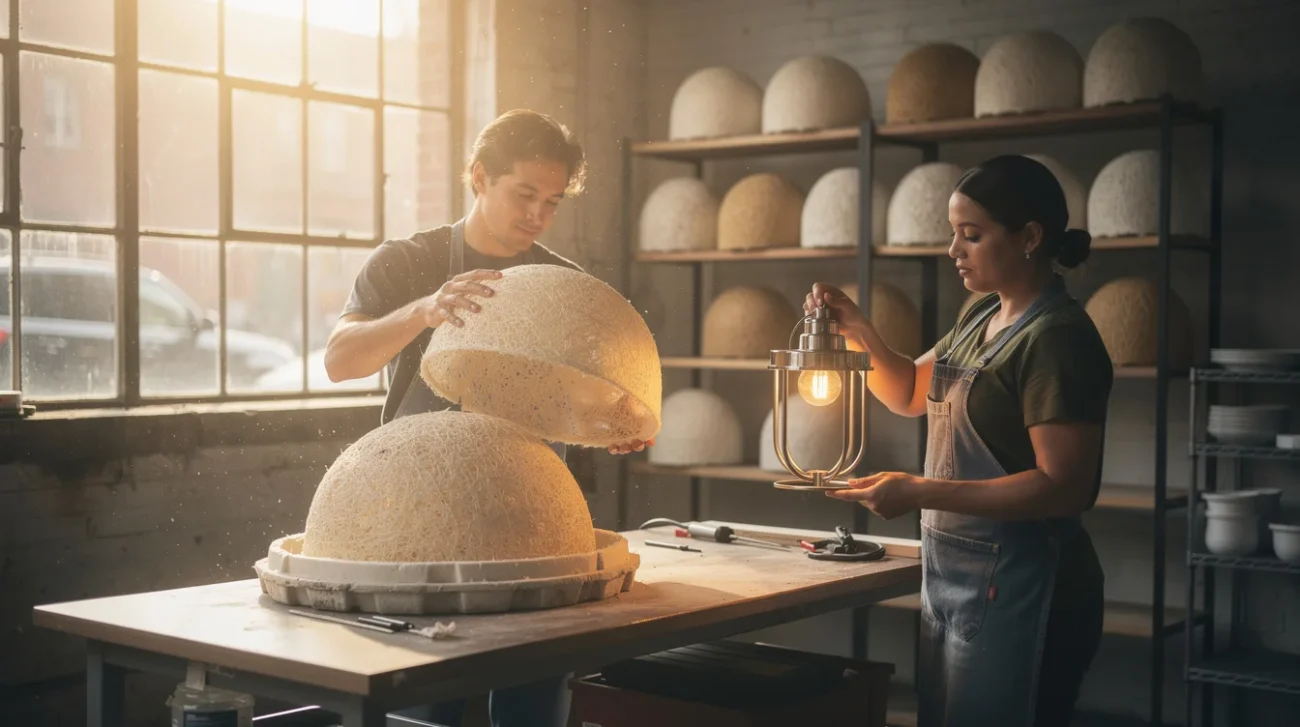
That broader design shift is visible in materials too, where transparency and tactility are being rethought in more experimental ways. Projects like Transparent Terracotta: rethinking traditional ceramics with embedded glass show how visible structure itself can become part of the value proposition.
Why consumers stopped believing the old performance
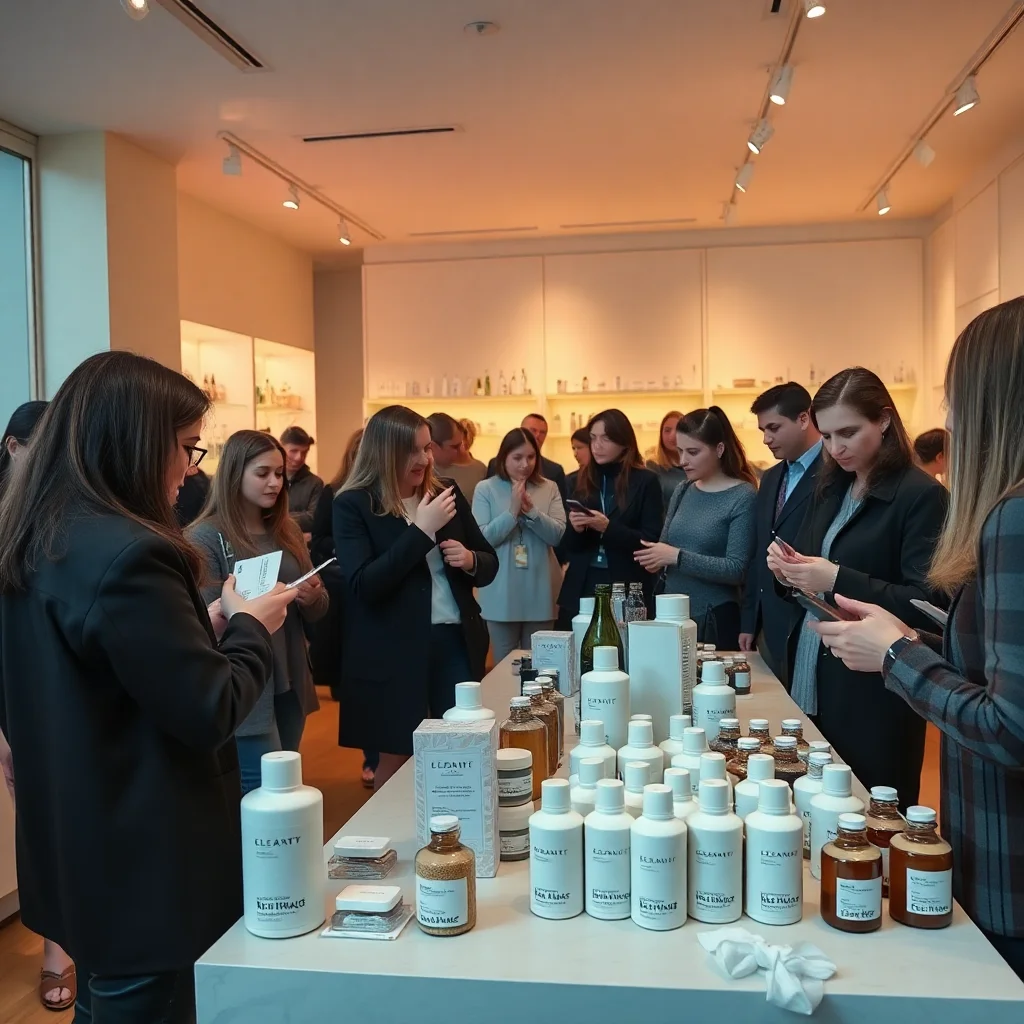
The loss of trust did not happen overnight. Decades of inflated promises, greenwashing, influencer fatigue and ingredient trend churn have trained consumers to interrogate the beauty aisle. They have seen “natural” brands use petrochemical-heavy packaging, “science-led” brands lean on vague jargon and “sustainable” launches arrive in multilayered plastic. The result is not cynicism for its own sake; it is consumer intelligence. Audiences have learned that premium messaging often masks ordinary products.
This matters because beauty is unusually vulnerable to aspiration inflation. Unlike many product categories, it sells transformation in intimate, bodily terms. That makes the stakes emotional and political. A claim about skin, hair or wellness can suggest inclusion, belonging and self-worth. When those claims are inflated, the backlash is not just about disappointment. It is about betrayal. That is why proof is now part of brand ethics, not just marketing efficiency.
Kyra’s observation that audiences are becoming savvier is precisely the point. Savvy consumers do not reject beauty; they reject bad faith. They still want delight, ritual and fantasy, but they want those things to be grounded in something verifiable. In product design, that means a premium brand must now answer three questions at once: Does it feel exceptional? Does it work? Can you prove both? The brands that answer only the first question are no longer luxury players. They are expensive noise.
PRO: evidence makes beauty more premium
There is a strong case that evidence is not merely a corrective to beauty marketing but the very thing that makes it premium again. Proof creates friction, and friction costs money. Clinical trials, dermatological oversight, origin audits and better packaging systems are expensive to design and maintain. That cost is not hidden; it is part of the value proposition. In a world flooded with disposable claims, substantiation reads as care, and care is increasingly the most convincing luxury signal of all.
Evidence also elevates the design brief. When a brand has to prove its claims, every touchpoint becomes more intentional. The jar must preserve actives, the carton must carry traceable information and the campaign must translate data into desire. This is where modern premium brands can be genuinely inventive: not by inventing fantasies, but by turning evidence into an aesthetic. The result is a more mature form of beauty branding, one that respects intelligence instead of trying to hypnotize it.
There is a cultural dimension too. Proof democratizes access to quality by exposing empty prestige. If consumers can see what is actually inside a formula, who made it and why it costs what it does, then luxury becomes less about secrecy and more about conviction. That is not a downgrade. It is a recalibration. Luxury should be hard to fake. Evidence makes it so.
CONTRA: proof can become just another performance
And yet the proof era is not automatically virtuous. Evidence can be staged, curated and selectively disclosed until it becomes another branding costume. A brand can drown customers in charts while still making mediocre products. It can weaponize lab coats, overstate clinical language or cherry-pick small studies to manufacture authority. In that sense, the move toward proof does not eliminate marketing theatre; it simply updates the set.
There is also a danger that the aesthetics of verification become yet another luxury code, inaccessible to smaller or less resourced brands. Clinical testing, certification and traceability can be genuinely important, but they can also privilege companies with the capital to perform credibility at scale. If proof becomes a status signifier, it risks creating a new hierarchy in which transparency is expensive and opacity is merely the poor relation.
Most importantly, beauty cannot survive if it becomes purely forensic. People do not buy a moisturizer because they are doing a spreadsheet; they buy it because they want relief, confidence, pleasure or a small ritual of self-respect. If proof strips away all seduction, brands will win trust but lose desire. The challenge is not to replace fantasy with facts, but to make facts seductive enough to carry fantasy without lying. That is a much harder design problem.
What premium means now
The future of beauty branding belongs to brands that understand premium as a compound of sensation, evidence and accountability. This is not a softer version of luxury. It is a stricter one. The most compelling products will not simply look expensive; they will be able to demonstrate why they deserve attention, repeat purchase and trust. In practice, that means better product design, clearer copy, more rigorous sourcing and a willingness to let claims be audited by the market.
For designers, this is an opportunity to rethink what authority looks like. Not every proof-led brand needs to look clinical or severe. The challenge is to build systems that make evidence legible without making beauty feel like medicine. The best future identities will probably borrow from editorial design, scientific visualization and luxury packaging all at once. They will be precise but not sterile, persuasive but not manipulative, aspirational but never evasive.
That is why the proof era matters beyond beauty. It signals a broader cultural demand: if a brand wants to sell premium, it must now earn that status in public. The premium object is no longer the one that says the most; it is the one that can show the most, back it up and still feel irresistible. In a market exhausted by hype, evidence is not the enemy of desire. It is the new form desire takes when it has grown up.
That public reckoning with material honesty is also shaping adjacent worlds of decor and object culture, including work like When Heritage Becomes Furniture, where value comes from what a piece can substantiate about craft, history and use.
FAQ
What does “proof era” mean in beauty branding? It refers to the shift from selling vague aspiration to substantiating claims with clinical data, sourcing transparency and clear product evidence. Brands are increasingly expected to prove efficacy rather than merely imply it.
Why is evidence becoming a luxury signal? Because credible testing, traceability and accountable design cost time and money. In a crowded market full of exaggerated claims, the ability to prove what a product does now reads as rare, serious and premium.
Does proof mean beauty branding becomes less emotional? No, but it does mean emotion has to be anchored in reality. The strongest brands still sell ritual, desire and identity, but they now support those feelings with facts and visible systems.
Can smaller beauty brands compete in a proof-led market? Yes, but they need to be disciplined. Smaller brands can win by being radically clear, selective about claims and transparent about what they can genuinely substantiate, rather than trying to mimic large-scale laboratory theatre.