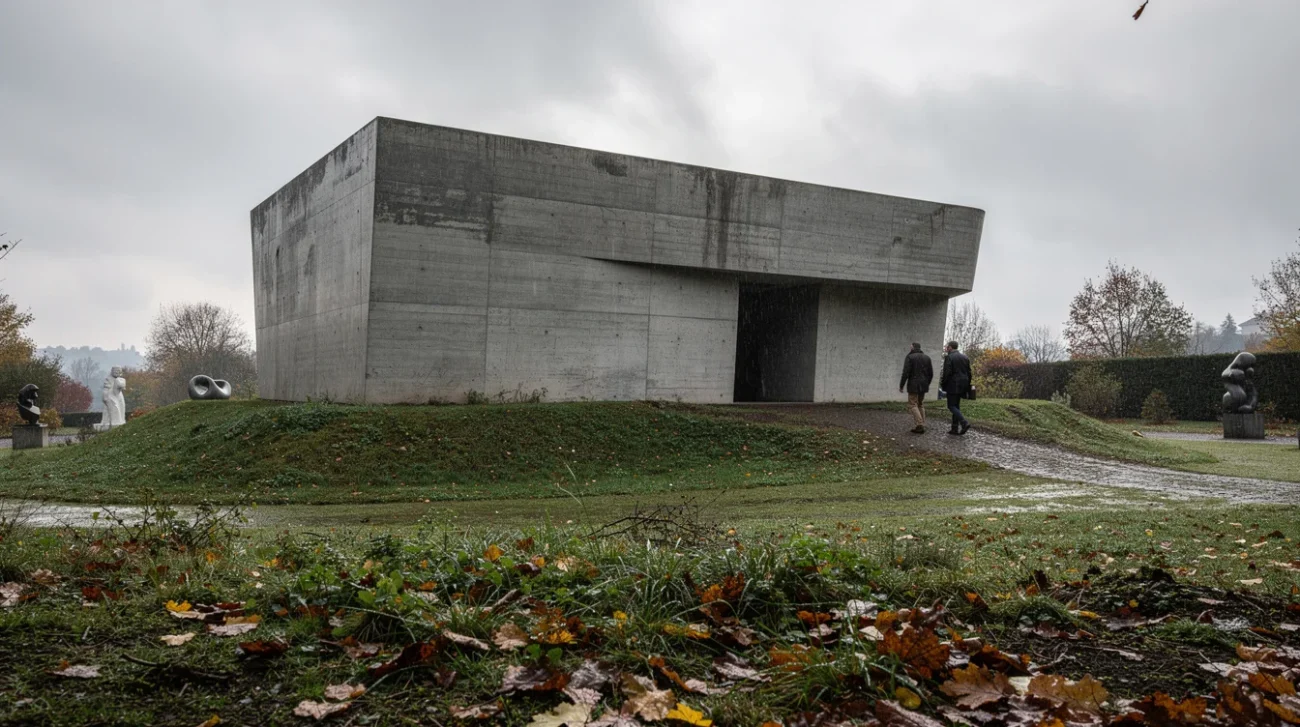
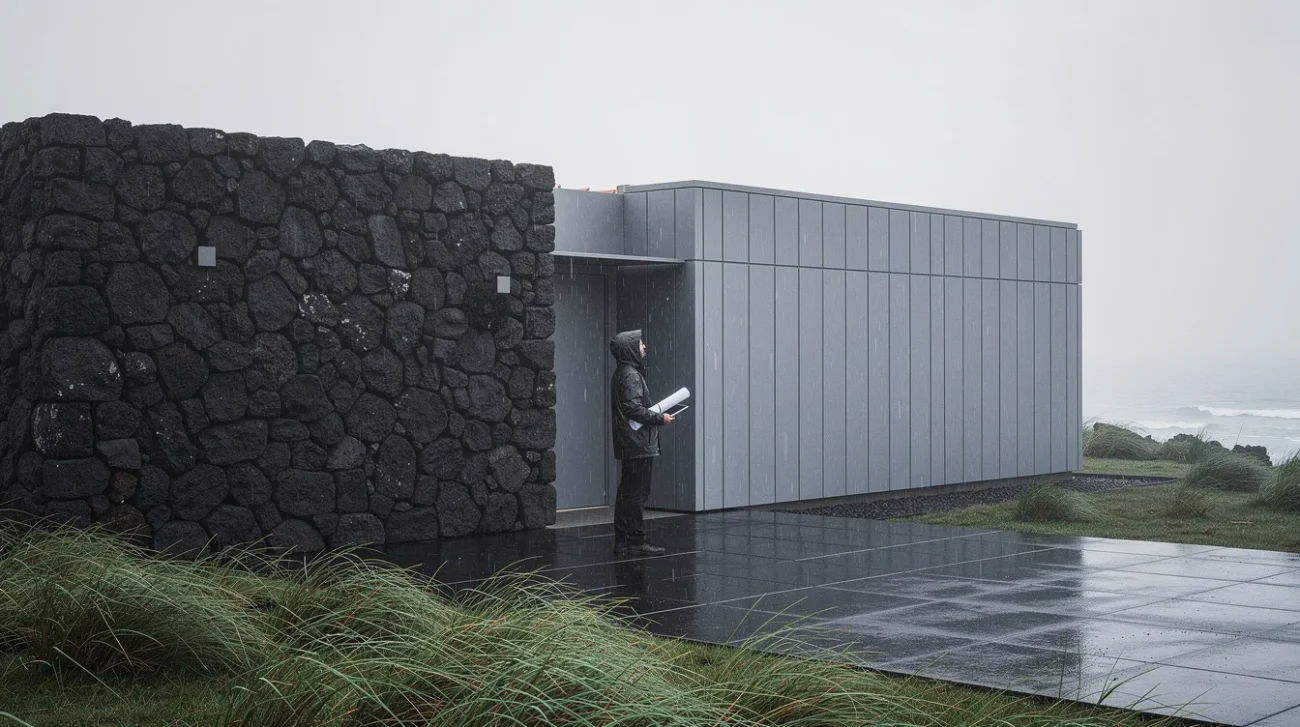
When Buildings Age on Purpose
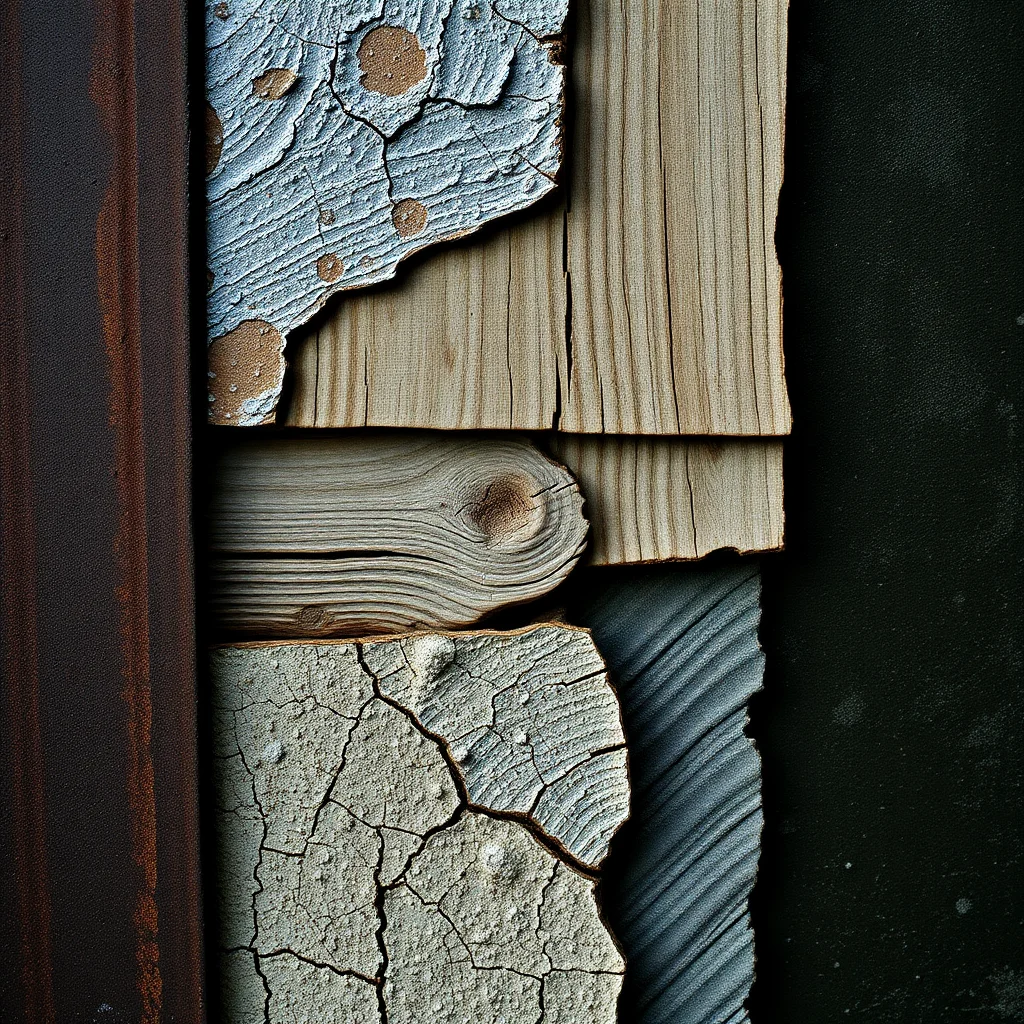
Deterioration as Design, Not Disaster
Architecture has spent decades pretending that time is a nuisance to be managed, a stain to be erased, a maintenance budget to be minimized. Yet some of the most compelling buildings and landscapes teach the opposite lesson: wear can be a form of intelligence. If a surface gathers patina, if a joint loosens into legibility, if a material darkens where hands touch it most often, the building is not failing so much as recording life. That is a far more honest contract with users than the fantasy of eternal pristine perfection.
This is not an argument for neglect. It is an argument for intentional aging: specifying materials, details, and assemblies that become more humane as they are used. Think of the copper skins that shift from bright metal to brown and then green, the cedar cladding that silvers, the untreated steel that blooms with rust, the brick and stone that deepen in contrast under weather and touch. In each case, time is not a vandal. Time is the co-designer.
Modern architecture often inherited a fear of marks because industrial logic prized repeatability and standardized finish. But cities are not products on a shelf. They are accumulations of friction. The question is no longer whether a building will change. It is whether that change will be meaningful, beautiful, and legible.
The Case for Materials That Tell the Truth
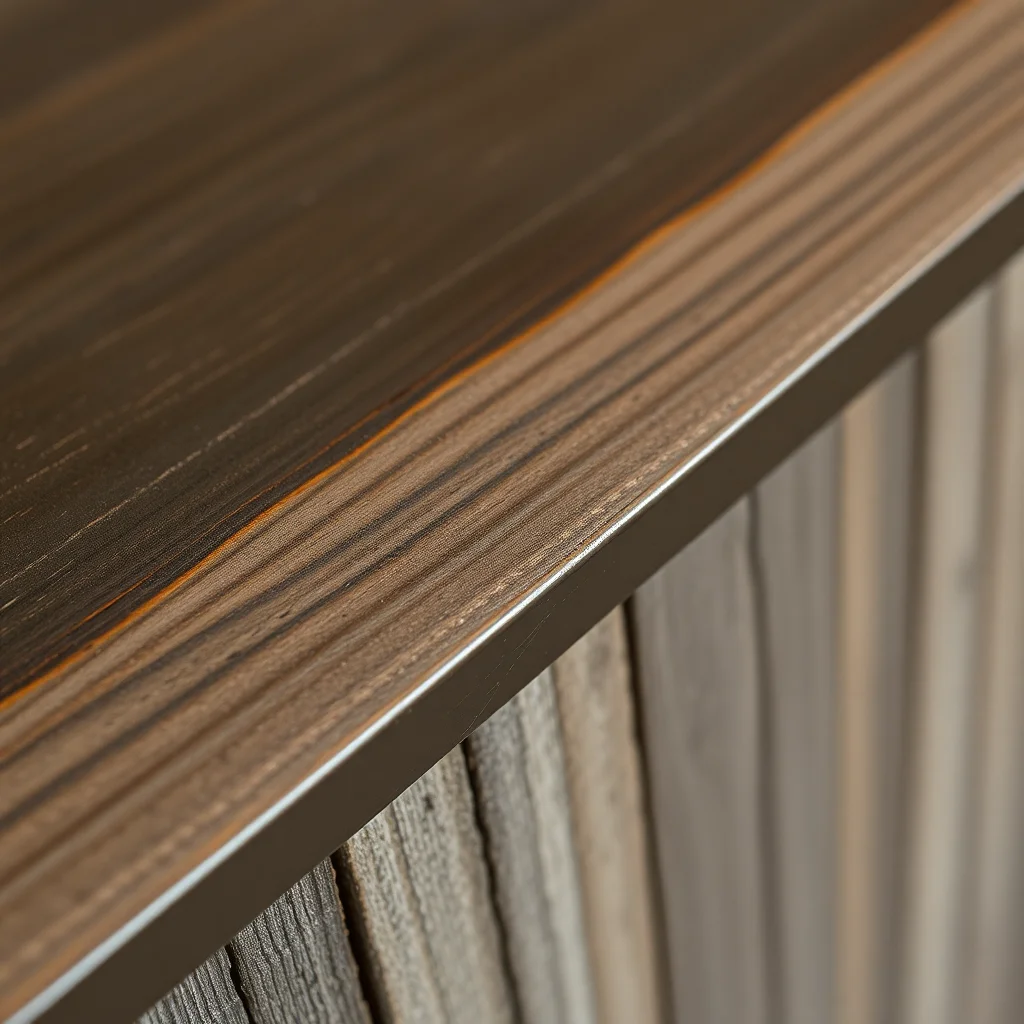
Some materials age badly because they were chosen to perform a false promise. Thin veneers peel, glossy coatings chalk, synthetic facades crack in ways that look like betrayal. By contrast, materials such as timber, bronze, stone, terra-cotta, and weathering steel can make aging visible without making it pathetic. They do not conceal the passage of time; they frame it.
Peter Zumthor has long understood this. In projects like the Therme Vals, stone is not merely cladding but an atmosphere of density and touch, where the building’s roughness keeps human scale in view. David Chipperfield’s refurbishment of the Neues Museum in Berlin similarly refuses the lie of seamless restoration; the old and new are not made to pretend they belong to the same era, and the resulting scars are more eloquent than a flawless reconstruction would be. These projects are not nostalgic. They are disciplined in their respect for evidence.
In Japan, Kengo Kuma’s work repeatedly argues against the dictatorship of glossy permanence. His material assemblies often lean into softness, shadow, and erosion of visual certainty. The architecture does not demand admiration from a distance; it becomes more convincing as one approaches, touches, and occupies it. That is precisely what aging can do: reduce the authoritarian distance between object and inhabitant.
There is also a moral dimension. A building that reveals use allows people to understand their own impact on place. Handrails polish where hands meet them; thresholds darken where feet insist; floors acquire a map of circulation. This is architecture becoming legible as a social artifact rather than a sealed image. The building says: you were here, and the evidence matters.
That tactile relationship also connects to the broader idea of multisensory architecture, where touch, texture, and environmental cues are treated as essential design tools rather than secondary effects. In that view, aging is not just visual; it is something occupants feel in the grain of a railing, the temperature of a wall, or the softness of a worn threshold.
PRO: Why Planned Wear Makes Buildings Better
First, intentional wear humanizes architecture. Perfect surfaces can feel sterile because they deny the viewer any proof of life. A wall that records weathering, a bench that shows the patina of bodies, or a façade that slowly shifts color creates a sense of companionship. In a culture addicted to the endlessly new, aging materials restore dignity to occupancy itself.
Second, designed aging can sharpen adaptability. When a building anticipates change, it often requires details that are repairable, replaceable, or reconfigurable. The best kind of wear-friendly architecture is not fragile; it is serviceable. Think of the most enduring civic structures, where floors can be resurfaced, panels swapped, and components maintained in layers rather than buried behind a monolithic skin. The building becomes less disposable because it expects a long life of edits.
Third, weathering can make space more honest. Weathering steel, famously used by artists like Richard Serra and in architecture across the late twentieth century, is valued because it turns corrosion into a stable surface condition rather than a hidden defect. Its dark, rusted finish absorbs the drama of rain and shadow. Likewise, untreated timber in projects by architects such as Glenn Murcutt often sits comfortably within climate, accepting the visible effect of sun and moisture as part of the building’s character rather than as damage to be alarmed by.
Finally, aged surfaces can improve orientation and memory. People navigate by contrast, repetition, and landmark. When a building accrues traces, it becomes easier to read. The corner worn by crowds, the stair rail polished by thousands of hands, the paving stones subtly sunken in one route and untouched in another: these are not blemishes but cognitive aids. In that sense, wear is urban wayfinding written at the scale of touch. The same logic appears in asymmetrical pivot doors, where movement and threshold become part of the spatial experience rather than a purely functional afterthought.
CONTRA: When Aging Becomes Aestheticized Neglect
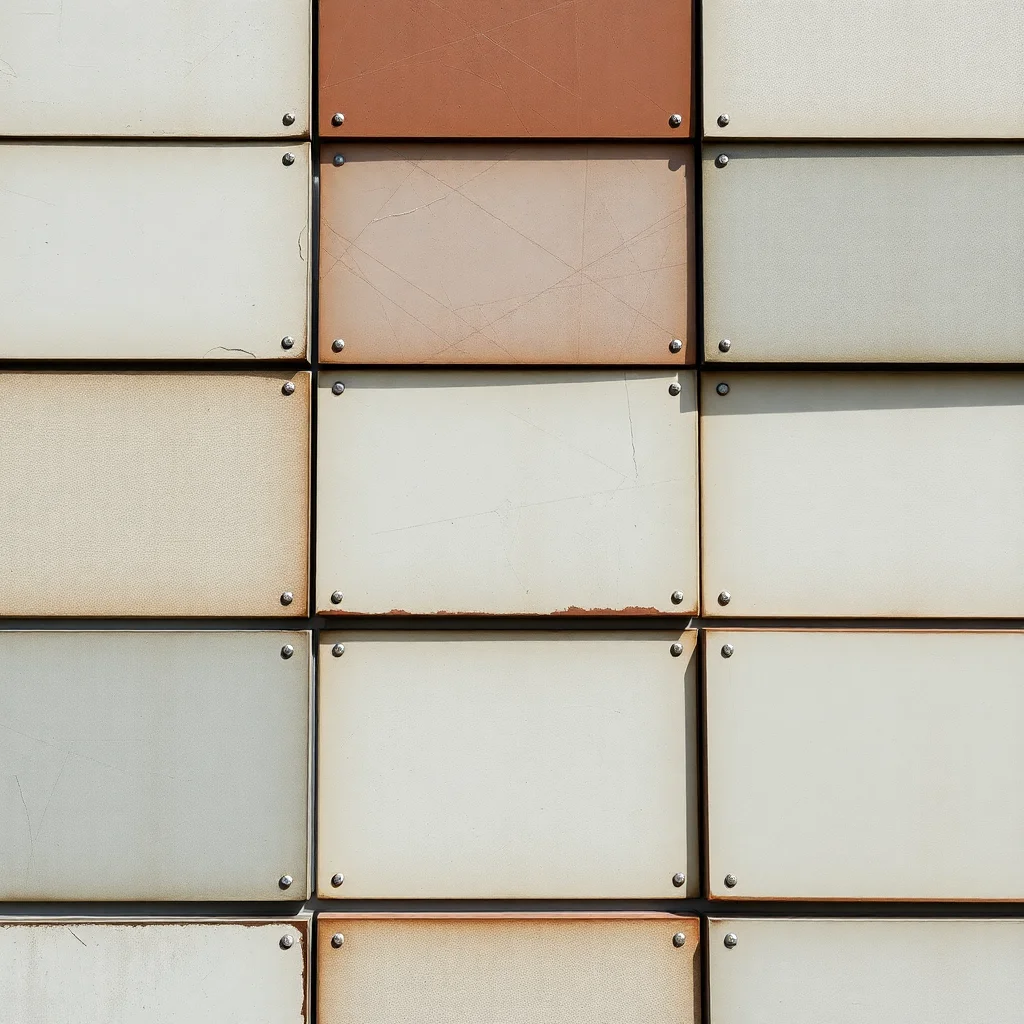
Yet the romance of patina has a dangerous edge. Not every scar is noble, and not every decay is eloquent. Some architects and developers use “honest aging” as a fashionable alibi for under-specification: if the façade cracks, call it character; if the sealant fails, call it authenticity. This is an aesthetic cover for cheapness, and it punishes the people who must live with the consequences.
There is also a class issue hiding inside the language of weathering. In wealthy districts, a rusted steel panel may read as curated industrial chic. In low-income contexts, the same deterioration can signal deferred maintenance, moisture damage, or systemic abandonment. Architecture cannot pretend that all wear is equal. The difference between patina and neglect is often resources, stewardship, and the political will to repair.
Moreover, some buildings need resilience against aging precisely because they serve vulnerable populations. Hospitals, schools, transit hubs, and housing for the elderly cannot make too much poetry out of breakdown. There are hygiene, safety, and accessibility standards that the fetish for rawness must not undermine. A building that “improves” through wear still has to remain legible in emergencies and reliable in daily life.
There is a final contradiction: the market often co-opts age aesthetics faster than the city can inhabit them. Weathering steel is now a brand code, reclaimed wood a luxury signal, concrete left “raw” a marker of designer seriousness. Once the look of deterioration becomes a commodity, the radical edge disappears. We get simulation, not aging. The challenge is not to imitate wear, but to produce structures whose maintenance, repair, and tactile life are materially genuine.
Designing for a Dignified Lifecycle
The real task is not to let buildings decay, but to choreograph their lifecycle so that each phase has architectural meaning. This means choosing materials that can gracefully shift, detailing interfaces where replacement is visible and acceptable, and designing for maintenance as an aesthetic event rather than a shameful interruption. It also means resisting the obsession with seamlessness. A seam can be a promise, not a flaw.
Consider the approach of Lacaton & Vassal, whose work often preserves and upgrades existing structures instead of demolishing them. Their transformations of housing and civic projects argue that the most sustainable building is frequently the one allowed to continue its life with visible additions, adapted envelopes, and generous generosity toward use. Here, aging is not an endpoint but a platform for renovation. The old structure becomes a collaborator rather than a casualty.
This philosophy also aligns with circular design thinking: components designed to be disassembled, materials chosen for repair, and finishes that can be renewed without erasing the building’s biography. If a facade panel can be replaced in ten years without hiding the fact that it was replaced, that is architectural maturity. If a timber surface can silver rather than be endlessly painted over, that is not laziness; it is a calibrated acceptance of climate and time.
What emerges is a more adult architecture. One that does not demand innocence from materials. One that accepts fingerprints, weather, and use as the price of habitation. The best buildings of the future may not be the ones that resist aging the longest, but the ones that age with enough intelligence to become more specific, more readable, and more humane as they go.
That idea also resonates with designing for mental health, where the atmosphere of a space can support resilience, comfort, and belonging over time. A building that ages well is often one that continues to feel emotionally stable even as its surfaces change.
FAQ
What does it mean for a building to age on purpose? It means the architect selects materials, details, and maintenance strategies so that visible change over time is part of the design intent. Instead of fighting every mark, the building is planned to develop patina, legibility, and character as it is used.
Is intentional aging the same as letting a building deteriorate? No. Intentional aging depends on robust construction, maintainable systems, and clear standards of safety. Deterioration without care is neglect; designed wear is a controlled, humane lifecycle.
Which materials are best for aging beautifully? Materials with stable, expressive weathering behavior tend to work well, including copper, bronze, timber, stone, terra-cotta, and weathering steel. Their surfaces can change without necessarily losing performance, provided they are detailed correctly.
Why is this idea important now? Because architecture must move beyond the illusion of permanent novelty. Cities need buildings that can be repaired, adapted, and read over time, especially as climate stress and resource limits make disposable construction untenable.
When should architects avoid patina-driven design? In buildings where hygiene, security, or accessibility are paramount, visible aging must never compromise performance. The goal is not romantic decay, but durable architecture that remains safe and functional while gaining character.
Does weathering always improve architecture? No. Some wear is simply damage, and some materials age poorly no matter how elegantly they are specified. The challenge is to distinguish meaningful patina from failure and design accordingly.
What is the core provocation here? That pristine architecture may be less honest, less adaptable, and less human than buildings allowed to show time. The most memorable spaces may be those that become clearer, not poorer, as they age.
Watch the Mainifesto Short
Get the Mainifesto weekly — curated design debates, speculative ideas and the week's best articles every Saturday.
Editorial Perspectives
Questions and counterpoints developed by the Mainifesto editorial desk to extend the discussion.
Perspective 1
I’m into the idea that a building can get better with age, but only if the aging reads as value, not neglect. In hospitality, guests notice patina, comfort, and character fast — they don’t care about an architect’s theory if the lobby feels tired or the maintenance bill explodes. Design for graceful wear, yes, but it has to hold up operationally first.
Perspective 2
This argues for a design logic that accepts time as a material, not just a threat. I’d be curious whether architects can calibrate decay the way we tune performance: which surfaces should soften, stain, or reveal structure, and which parts need to remain stable to preserve spatial legibility. The open question matters because permanence may be the wrong metric if adaptability and perceptible aging produce more humane architecture.
Perspective 3
Designing for beauty in decay makes sense, but only when it’s grounded in climate, maintenance capacity, and use patterns. Too often “weathering” is used to excuse poor detailing or to romanticize damage that will become expensive fast. If we’re honest, the best buildings don’t chase permanence; they age predictably, repairably, and with enough dignity that the city can live with them.