Francesc Gasch
Founder & Editor, Mainifesto
Founder and Editor of Mainifesto. Barcelona-based designer writing about architecture, design, technology and culture, with responsibility for the publication’s editorial direction and standards.



Crearctive turns a shop into four apartments. But spatial efficiency only succeeds when daylight, privacy, ventilation and usable space survive the conversion.
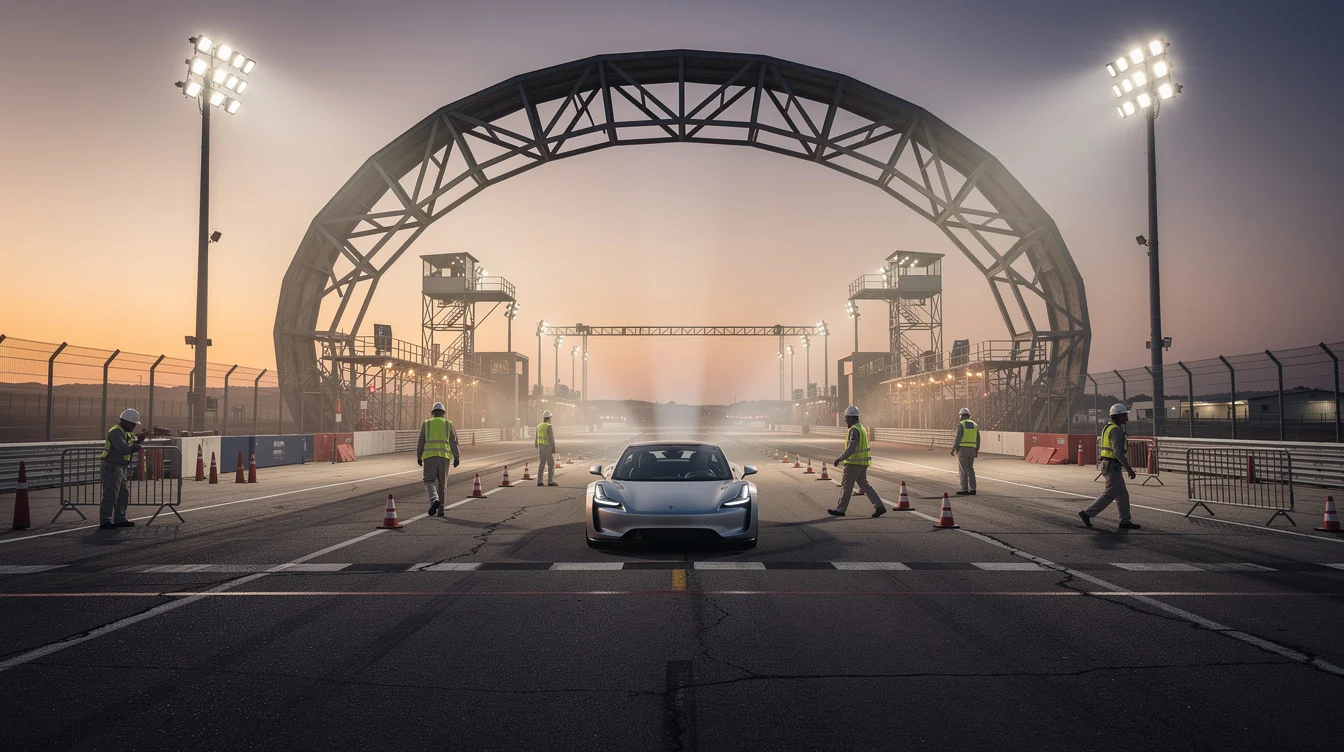
Tesla’s flying Roadster concept challenges the street itself. What safeguards could turn a spectacular stunt into predictable, accountable mobility?
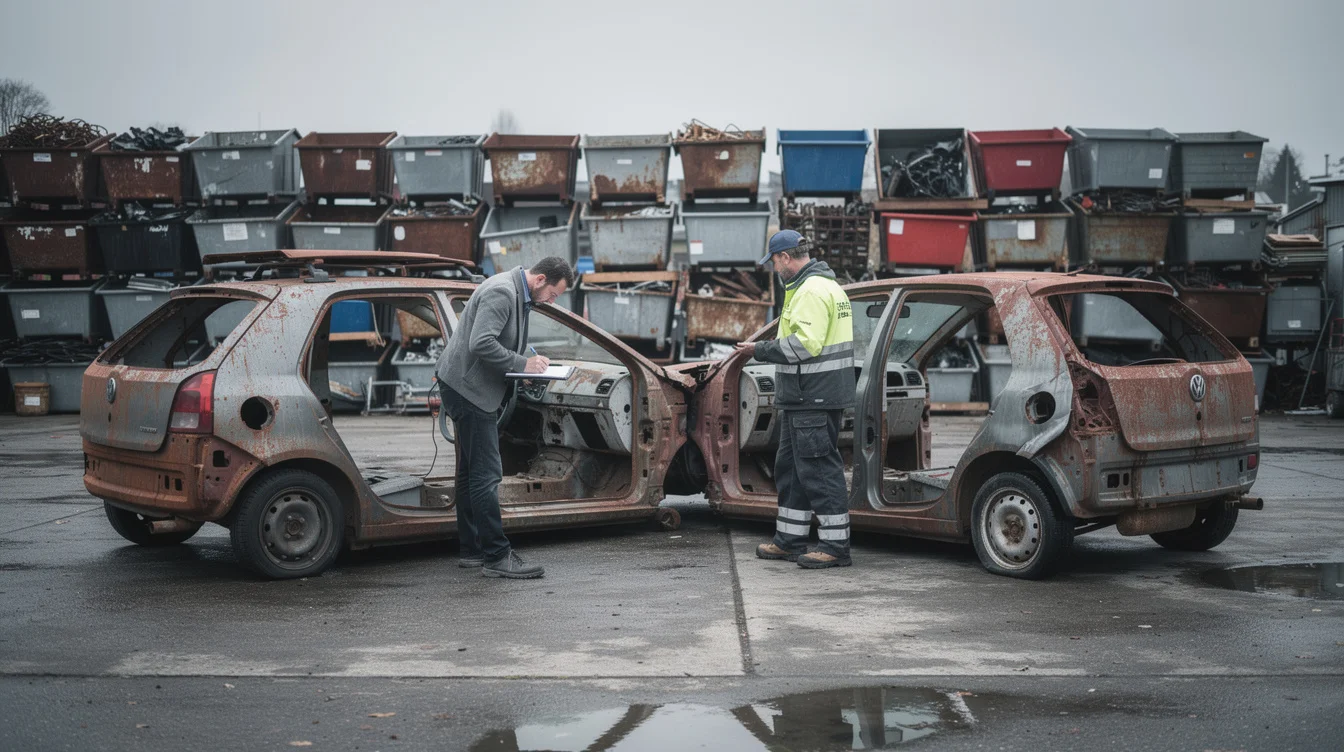
Giona Bierens de Haan’s It All Remains pits car reuse against material recovery. When does saving an object save resources—and when does it trap
Bangladesh’s RIBA-winning Green Field Factory challenges workplace hierarchy. But can equal space give workers power without changing management?
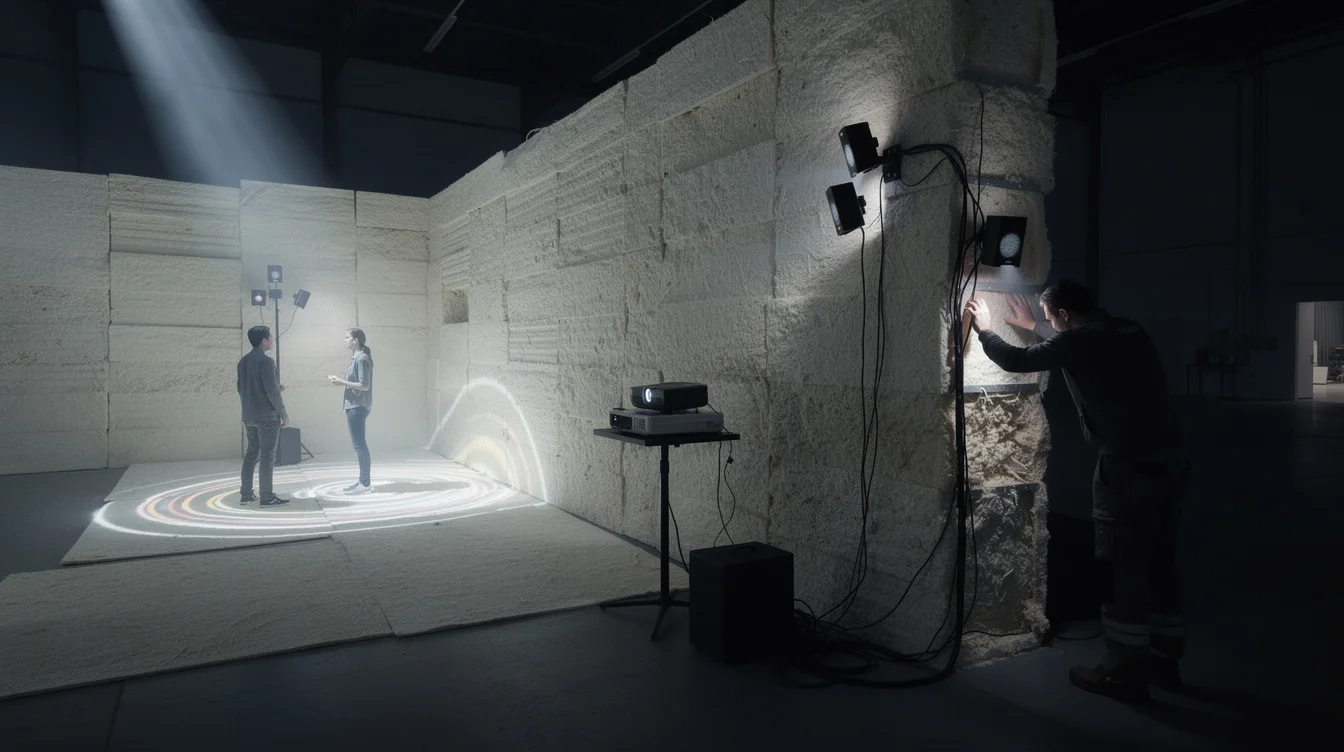
Hypha-lume pairs mycelium with interactive hardware. Its circularity test is not what grows, but what can be separated, repaired and recovered.
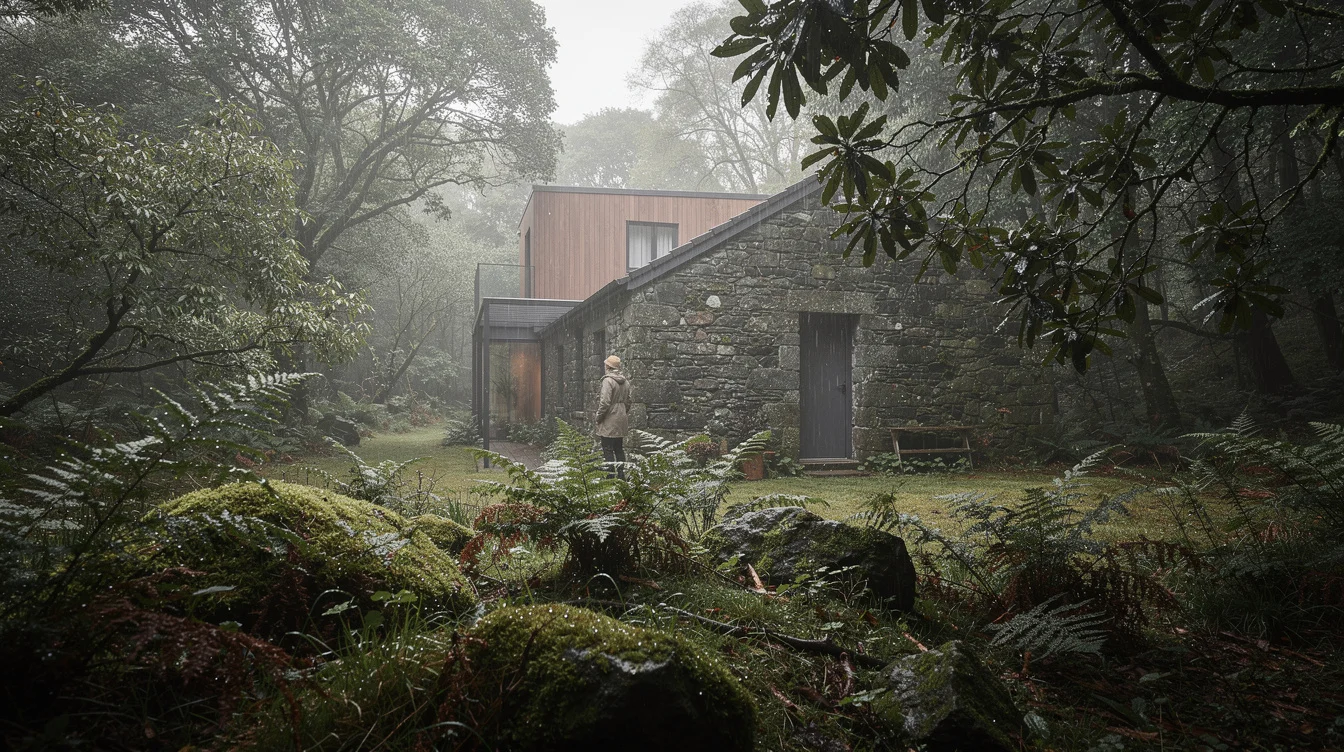
Schemata Architects’ Linden House raises a harder question for rainforest hospitality: who benefits when wellbeing becomes a reason to build?
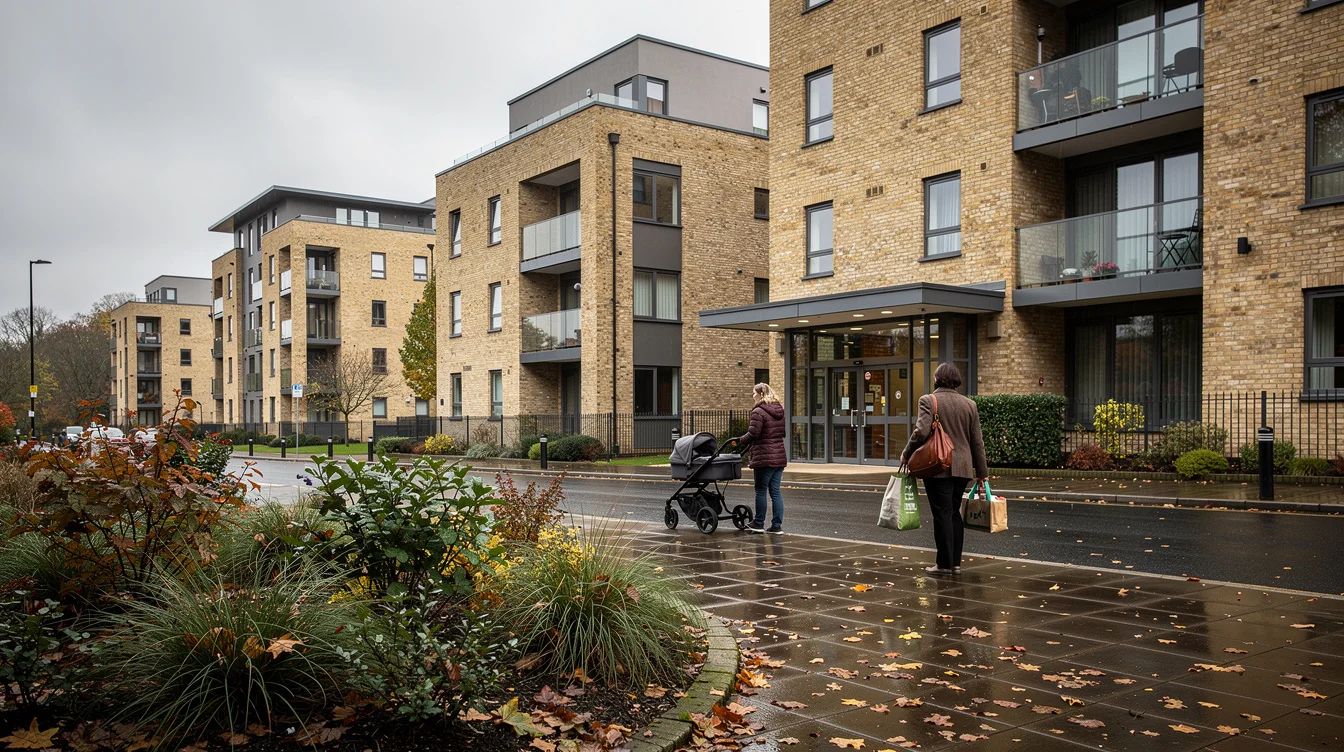
Lion Green Road’s Stirling Prize win raises a harder question: do mixed-tenure homes share architectural quality, amenities and maintenance fairly?
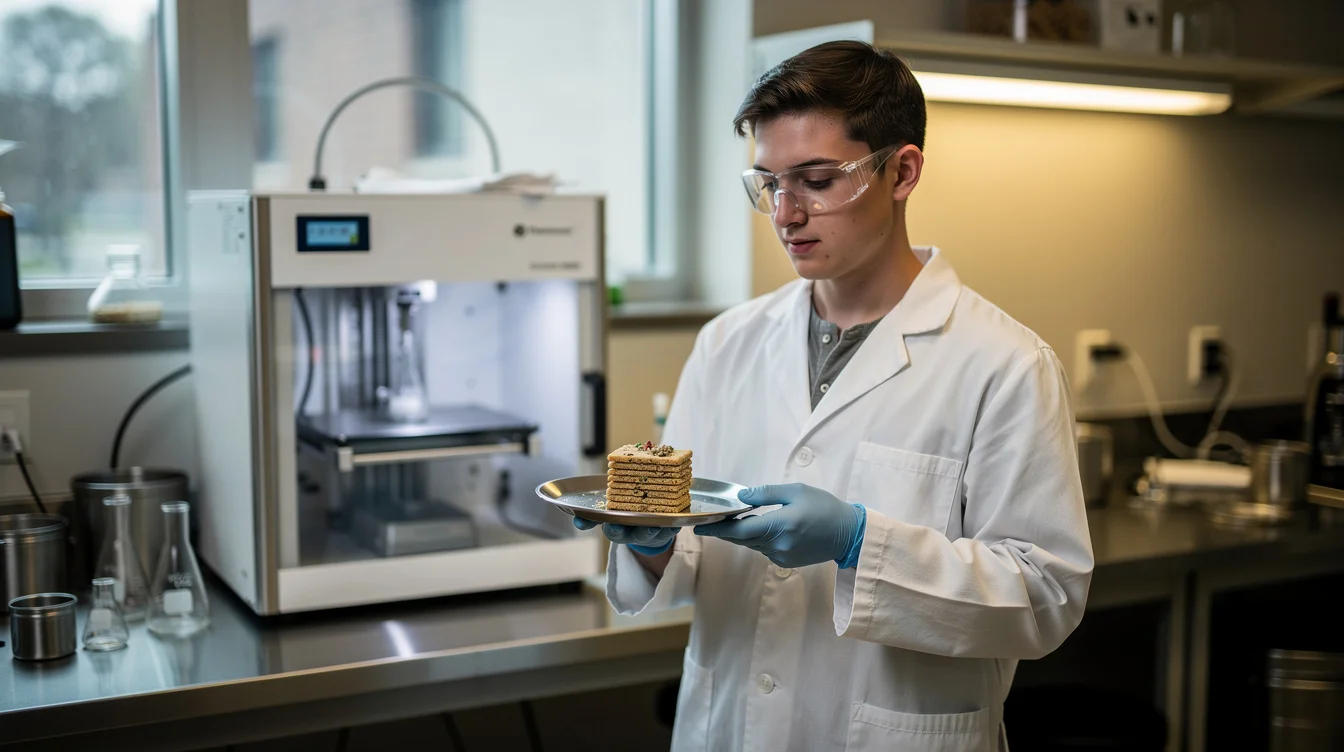
NASA-backed µBites turns waste into food. Can a 3D-printed cookie earn trust through design, transparent processing and credible safety evidence?
Latin America’s floodable parks make inundation a public service. But who guarantees safe evacuation, reliable reopening and somewhere else to play?
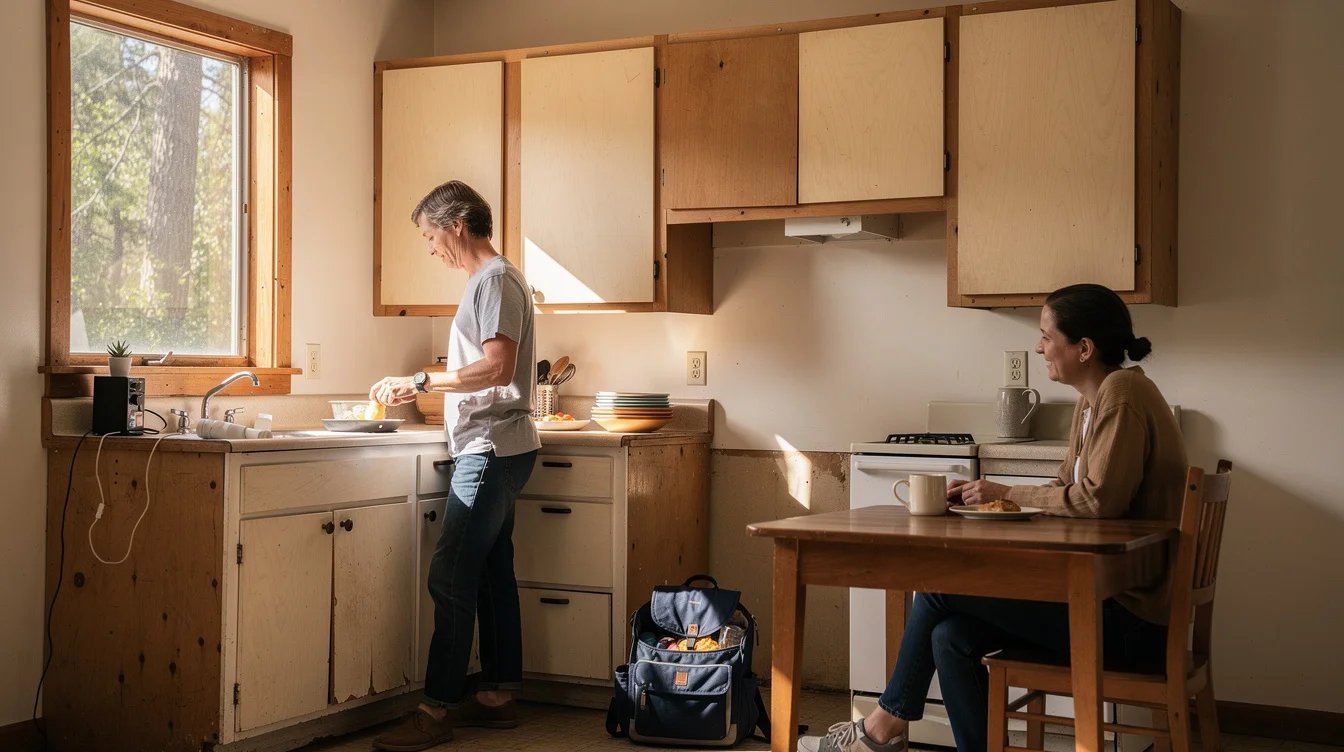
A $1,200 Topanga kitchen makeover asks who benefits when renters improve a home—and why permission alone may not protect their investment.