
Public Toilets: Civic Design’s Hardest Test
The city’s most unpopular building type is also its most revealing
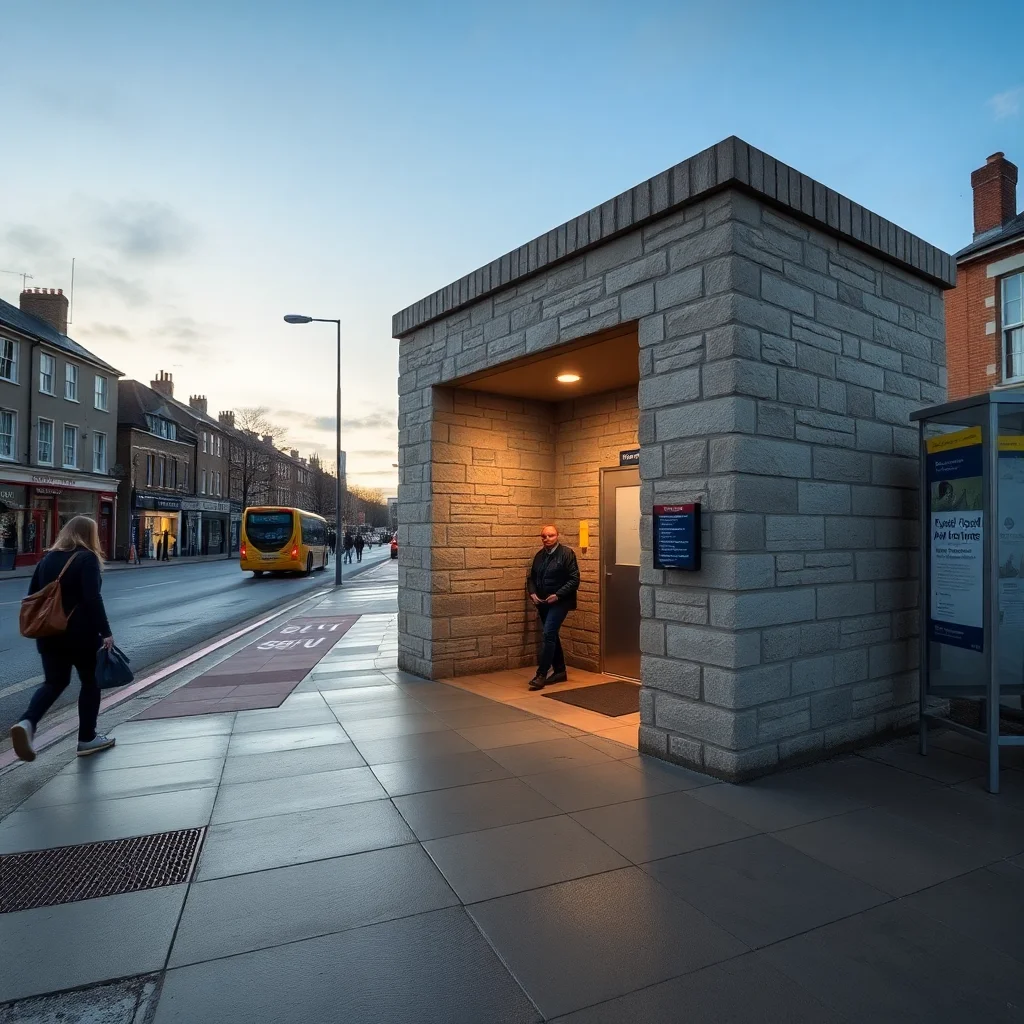
Public toilets are where architectural rhetoric goes to die—and where civic responsibility begins. No glossy render can save a filthy cubicle, no poet’s statement can compensate for broken locks, and no “community hub” language can disguise the fact that a toilet block is judged first by whether it works at 7:30 in the morning, in winter, with no staff around. That is why the stone public toilet block by Studio Weave in London’s Maida Hill matters. It does not pretend infrastructure is optional. It accepts the grim truth that cities need durable, legible, maintainable buildings for the most basic human function, and it does so with a material seriousness many prestige projects never reach.
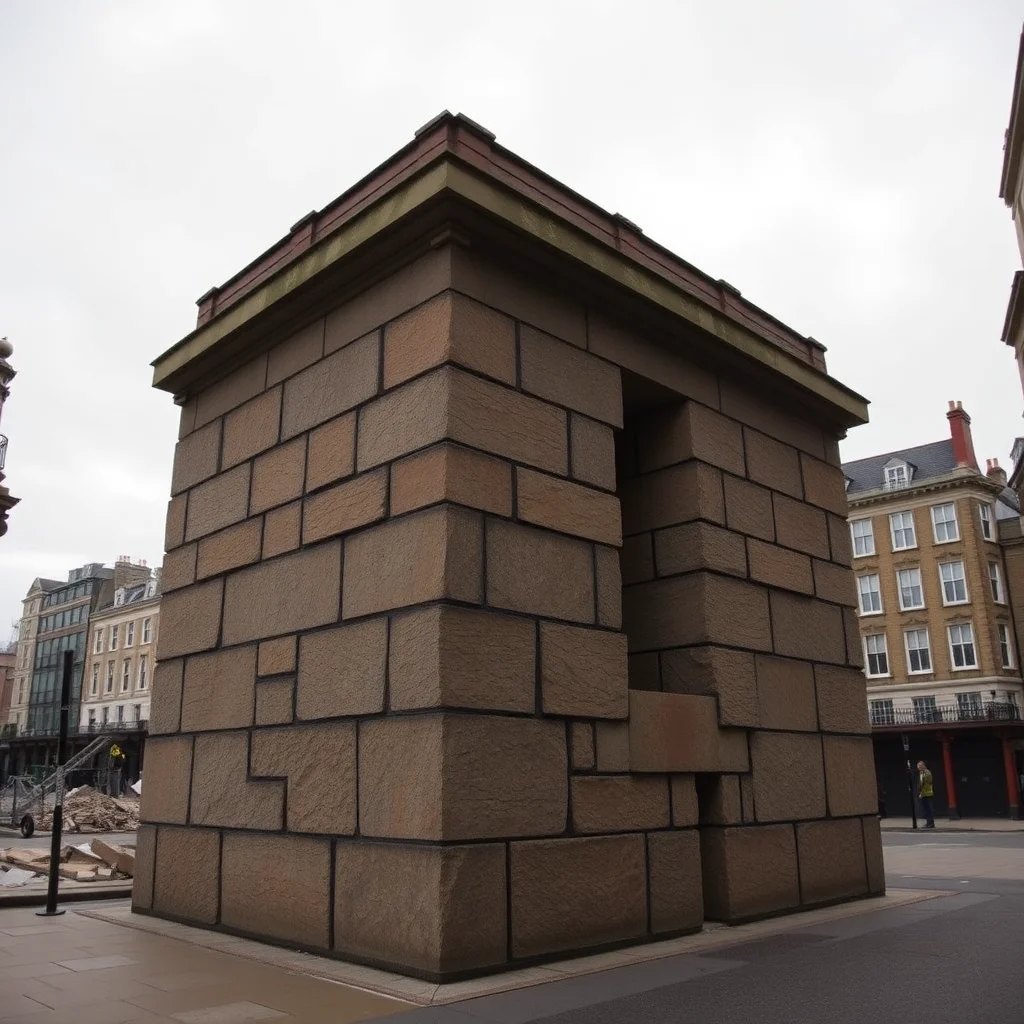
The reaction to the project was telling. Readers called it “sorely needed in the area,” which is exactly the sort of praise civic architecture should be chasing: not applause for novelty, but relief at necessity finally being addressed. The project’s use of salvaged stone from a demolished office building adds another layer of meaning. This is not luxury dressing. It is a small act of urban restitution: rubble turned into public service, demolition debris made useful again. In an era obsessed with carbon narratives and adaptive reuse, the toilet block is refreshingly unsentimental. It is a building that has to survive contact with the public.
And that is the point. Civic beauty cannot be judged only by symbolic value or visual refinement. In the public realm, beauty must endure abrasion, anti-social behavior, wet weather, grime, cost pressure, and neglect. A toilet block is the harshest possible test because it collapses every architectural fantasy into maintenance, safety, and dignity. If a city cannot design a toilet well, it is not serious about public life.
Why toilets expose the lie of “architecture as image”
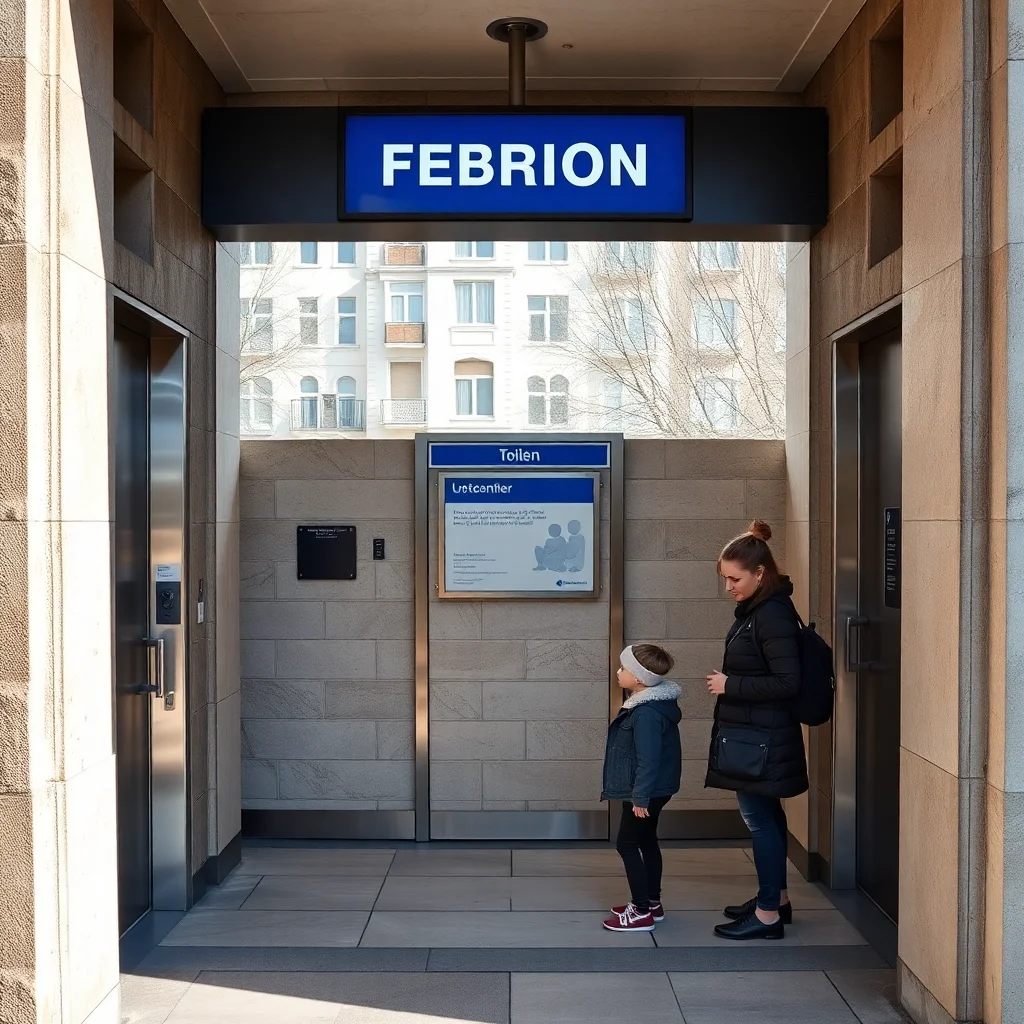
Architecture culture has spent decades rewarding buildings that photograph well and perform rhetorically, even when they fail operationally. Public toilets, by contrast, are anti-Instagram by nature. They are small, heavily used, easy to vandalize, politically vulnerable, and often hidden until they become a crisis. Yet the very qualities that make them unattractive to prestige architecture make them essential to serious civic design. They force designers to answer the questions that masterplans and renderings avoid: who cleans it, who feels safe entering it, who pays for repairs, who can access it, and what happens at night?
Consider the contrast with other public infrastructure projects that try to smuggle in civic virtue through form alone. The best transport hubs, libraries, and parks succeed not because they are merely beautiful, but because they are robustly managed. Thomas Heatherwick’s much-discussed Vessel in New York became a global object lesson in what happens when spectacle outruns program and public utility. By comparison, the plainest public conveniences in places like Japan often earn admiration precisely because they are honest about service. The Tokyo Toilet project, with contributions from designers including Shigeru Ban and Kengo Kuma, showed that even a banal civic necessity can become a site of design intelligence without denying its function. It did not make toilets disappear into abstraction; it made them visible as a civic priority.
Studio Weave’s Maida Hill project sits closer to that logic than to the cult of the iconic object. Salvaged stone, masonry heft, and an urban fit that reads as deliberate rather than decorative all suggest a refusal to cheapen the typology. That matters because public toilets are often the first thing cities underfund and the last thing they celebrate. And yet they are among the most democratic spaces we have: used by children, older people, workers, shoppers, tourists, and anyone whose body refuses the fiction of endless convenience. For a broader look at how everyday civic buildings can shape a city’s identity, see Public Toilets as Civic Statements.
The case for making the toilet block dignified
PRO: A good public toilet block is an act of urban respect. It says that the city recognizes bodies, not just circulation patterns. When well designed, these buildings can reduce exclusion for people with health conditions, parents with young children, older residents, and anyone who cannot simply “wait until home.” They also make parks, high streets, and bus corridors more usable for longer, which turns civic design from scenery into service.
Dignity is not a sentimental extra; it is a spatial condition. Clear sightlines, durable materials, intuitive entrances, and a sense of enclosure without menace all shape whether people feel safe enough to use the facility. The best examples understand this. Public toilets in Tokyo often use transparency, lighting, and disciplined planning to overcome suspicion. In London, smaller civic insertions by practices like Studio Weave often succeed because they take context seriously without turning the project into a monument. The Maida Hill toilet block’s stone construction signals permanence in an urban environment where lightweight, temporary, or overly fragile public interventions too often look like they are waiting to fail.
There is also an environmental argument that cannot be ignored. Salvage is no longer an aesthetic preference; it is a moral and ecological necessity. Reusing stone from a demolished office building is a modest but real refusal of extractive building culture. In a city obsessed with carbon accounting yet still too willing to demolish and replace, the project suggests that even the smallest civic building can participate in a more disciplined material economy. That does not just make it virtuous; it makes it smarter. Hard-wearing materials reduce lifecycle costs, and lifecycle costs are the real architecture of public budgets.
Most importantly, the project refuses the old lie that infrastructure must be ugly in order to be honest. A toilet block can be robust and elegant at once. In fact, if beauty means precision, proportion, and civic care, then a public toilet may be one of the purest places to find it. The question is not whether a toilet block deserves architectural ambition. The question is why so many cities have denied it. Questions of reuse and permanence are also central to When Renovation Refuses to Start Over, which looks at how existing materials can be given a second civic life.
The case against romanticizing necessity
CONTRA: Let’s not flatter ourselves. A well-detailed toilet block does not solve the structural neglect of public amenities. There is a risk in celebrating the form so enthusiastically that we excuse the absence of a broader maintenance regime. A city can commission one handsome facility, photograph it at golden hour, and still leave the rest of its toilets closed, unsafe, or inaccessible. Civic design becomes theatre if it is not backed by operations, staffing, and reliable funding.
There is also a class problem hidden inside architectural praise. Calling a new toilet block “beautiful” can become a way for affluent commentators to aestheticize hardship. For people who need public toilets urgently, the priority is availability, cleanliness, and security—not conceptual elegance. The danger is that architecture culture mistakes its own satisfaction for public value. A project that wins acclaim from the design press may still fail the very users it claims to serve if hours are limited, if gender-neutral access is poorly thought through, or if maintenance is under-resourced from day one.
And then there is the issue of fetishizing salvaged materials. Reclaimed stone is meaningful, yes, but it can also become a moral alibi. Reuse narratives are sometimes deployed to soften the politics of demolition rather than challenge it. A project can rework waste beautifully and still participate in a system that produces waste at scale. In that sense, the toilet block is not a solution to the city’s building economy; it is only a reminder that better decisions are possible. The hard truth is that public architecture is judged less by its sustainable story than by whether it remains clean, open, and safe two years later.
So yes, celebrate the Maida Hill toilet block—but do not pretend that one elegant answer solves a civic crisis. The honest measure of success is whether the city keeps paying for the unglamorous work after the ribbon-cutting is over.
What public toilets teach us about the future of civic design
The public toilet is a pressure test for design culture because it forces architecture to engage with time, not just appearance. It asks whether a building can absorb wear without becoming hostile, whether material choice can support repair, and whether a small footprint can still deliver public value. Practices such as Studio Weave, which often work at the intersection of urban narrative and practical making, understand that civic identity is built through these underestimated objects as much as through museums or towers.
Other cities have already shown the stakes. In Copenhagen, much public realm investment is inseparable from maintenance culture. In Paris, public amenities are often evaluated through their social usefulness as much as their form. In Japan, the recent attention paid to toilet design revealed something the West still resists: the idea that care is architectural. Care is not ancillary to design. It is design. A toilet block that is easy to clean, hard to vandalize, and pleasant to use is not “just infrastructure.” It is an argument about what a city owes its residents.
That argument is especially urgent now, when civic budgets are squeezed and public space is being asked to do more with less. The temptation is to replace permanent service buildings with temporary fixes, pop-ups, or app-mediated convenience. But bodies do not operate on a software update cycle. Cities need permanent, legible places that acknowledge biological reality without embarrassment. A toilet block is therefore not a minor building type; it is a proof of whether a city still believes in the public. That same tension between urban renewal and everyday usefulness runs through Urban Renewal Without the Grand Plan, which argues for incremental civic improvements over grand gestures.
Beauty after honesty
The Maida Hill project deserves attention because it refuses the false choice between utility and beauty. It suggests that the most civil thing architecture can do is answer a basic need with clarity, durability, and restraint. Salvaged stone lends the building weight, but the deeper weight is ethical: a reminder that civic design is tested where the city is least glamorous and most exposed. Public toilets are not peripheral to architecture. They are where architecture’s claims are either confirmed or exposed as luxury language.
If we want cities that are inclusive, resilient, and worth living in, we have to stop treating toilets as embarrassing afterthoughts. The best civic projects may not be the largest, but they are the ones that make ordinary life possible without humiliation. That is a higher standard than spectacle, and a far more difficult one to meet.
FAQ
Why are public toilets such an important architectural test?
Because they combine every hard civic problem in one small building: maintenance, safety, accessibility, cost, and durability. If a design works here, it is likely serious about public life.
What makes the Maida Hill toilet block notable?
Its use of stone salvaged from a demolished office building gives the project a material and environmental intelligence that goes beyond simple utility. It treats infrastructure as something worth making well.
Can a public toilet really be beautiful?
Yes, but not through ornament alone. Beauty in this context comes from proportion, legibility, robust materials, and the feeling that the building respects its users.
What is the biggest risk in celebrating projects like this?
The risk is confusing a single well-designed building with systemic improvement. A civic toilet only matters if it remains open, clean, safe, and maintained over time.
Get the Mainifesto weekly — curated design debates, speculative ideas and the week's best articles every Saturday.
Editorial Perspectives
Questions and counterpoints developed by the Mainifesto editorial desk to extend the discussion.
Perspective 1
A city that can't keep a toilet clean, open, and safe is advertising its governance failure in the most ordinary way possible. Public toilets sit at the intersection of maintenance budgets, staffing, surveillance, and social policy — not just architecture. Maida Hill matters because it treats that intersection as design territory, which is where it belongs.
Perspective 2
The public toilet is a small but merciless monument: it exposes the difference between civic rhetoric and civic care. Modern cities love the image of inclusion, but sanitation reveals whether that promise survives contact with routine maintenance and the body. In that sense, the question is not poetic at all — it is administrative, and therefore political.
Perspective 3
This is exactly where design gets interesting: the toilet block is a tiny system with huge feedback loops, from vandal resistance and cleaning logistics to lighting and wayfinding. If a city cannot maintain one, then it is probably optimizing for appearances over operations. I think the real challenge is whether we can design public amenities as resilient civic infrastructure, not isolated objects.