

When Waste Becomes Luxury Material
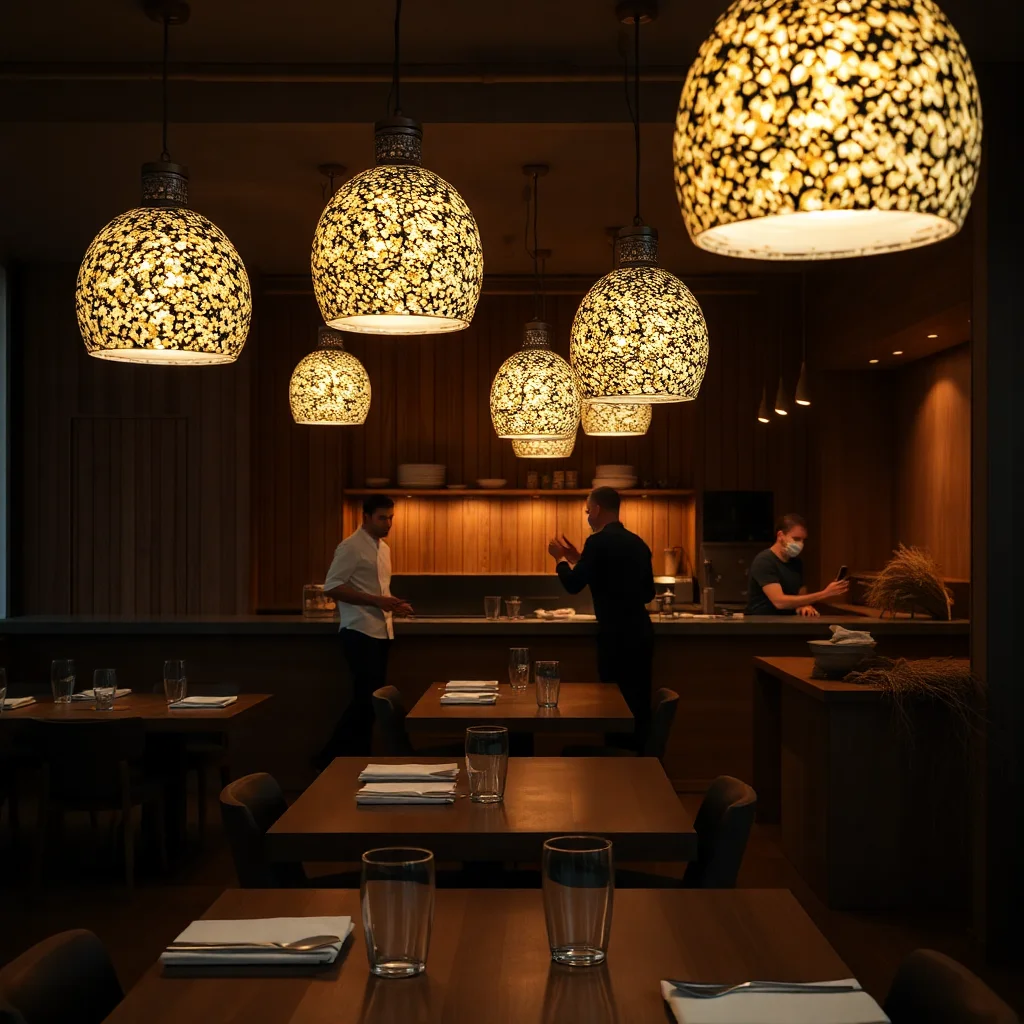
Luxury Is Moving Into the Compost Bin
For decades, luxury interiors have been defined by extraction: rare stone, tropical hardwoods, fossil-fuel plastics, and polished surfaces that broadcast expense through distance from the ordinary. That language is starting to fail. The new status symbol is not material excess, but material intelligence. Copenhagen-based Natural Material Studio’s pendant lights made from leftover seaweed and spirulina at Sticks n Sushi in Lyngby are not just charming experiments; they are a warning shot. A design culture that once fetishized scarcity of provenance is now discovering scarcity of resources, and the results are far more radical.
What happens when waste streams become the new material library for premium interiors? The answer is not a softer, greener version of the same market. It is a different prestige economy altogether. Seaweed, bamboo, agricultural residue, mushroom mycelium, recycled aluminum, and industrial offcuts are no longer “alternative” materials waiting politely at the edge of the mainstream. They are becoming the main event. The future luxury interior may be less about owning the rarest object and more about occupying the most cleverly metabolized one.
Natural Material Studio’s speckled biotextile lighting matters because it is both intimate and systemic. The kelp waste came from a restaurant kitchen, the kind of everyday site where design usually stops at the plate. Instead, the leftovers were transformed into layered, bespoke membranes with an aesthetic that is neither rustic nor synthetic. That visual ambiguity is the point. It suggests that the most desirable materials of the next decade may look unfamiliar precisely because they are born from flows we once considered disposable.
That same shift is visible in other corners of design culture, especially in conversations about evidence as the new luxury, where proof of process starts to matter as much as polish.
The Aesthetics of Abundance Will Be Built from Scarcity
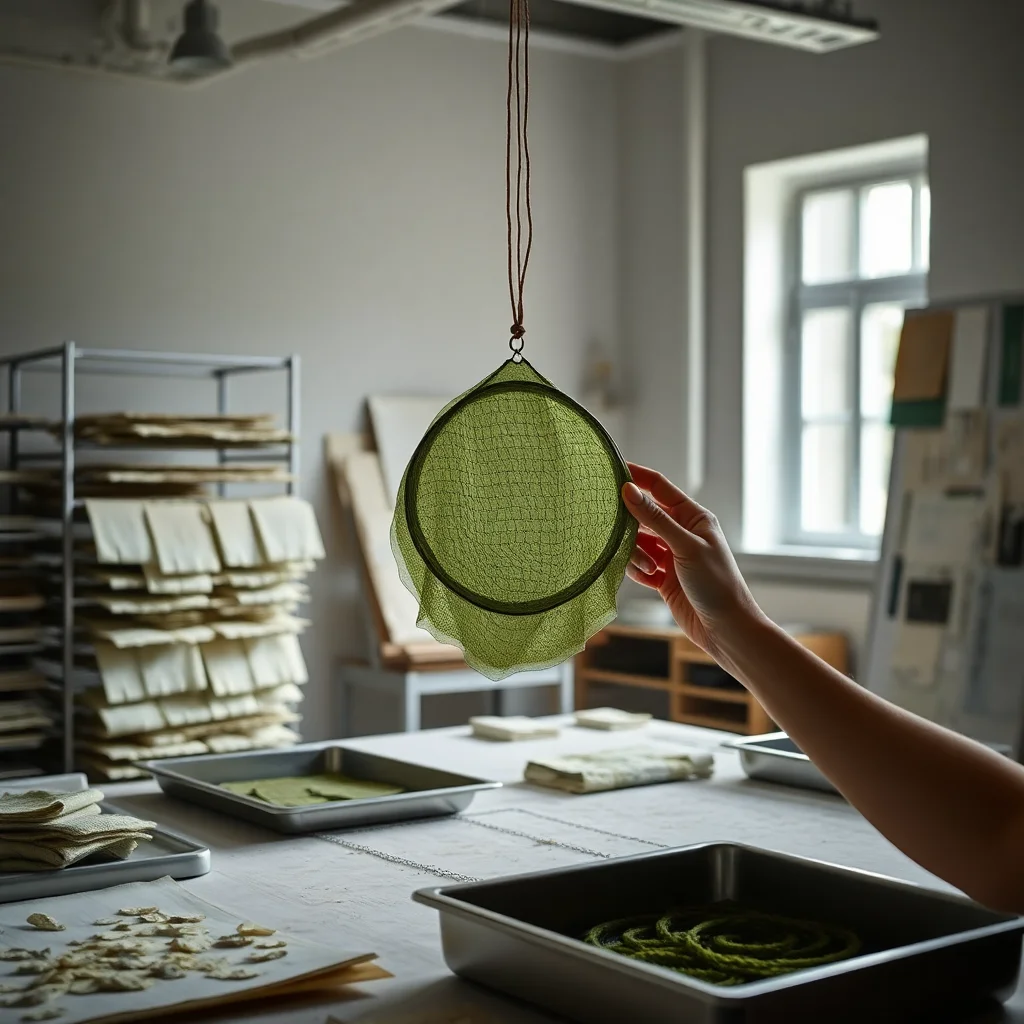
The old luxury formula relied on abundance as spectacle: glossy marble lobbies, oversized sofas, and cabinets that implied infinite consumption. But scarcity is changing the grammar. In a world of carbon limits, supply chain shocks, and mounting resource costs, abundance will be represented not by quantity, but by craft-rich complexity derived from constraint. The more constrained the feedstock, the more inventive the outcome must be. In other words, restriction becomes style.
This is already visible in product design. Biodesign pioneers have spent years proving that low-impact materials can have emotional and tactile depth. German designer Neri Oxman’s early material ecology work framed matter not as inert stock, but as grown, responsive matter. The Dutch label Oode uses seaweed-based materials and mycelium composites to imagine textiles and accessories with a distinctly post-petroleum elegance. Meanwhile, the growing universe of recycled textiles, algae inks, and bio-based surfaces shows that the category error was never sustainability itself; it was the assumption that sustainability had to look ascetic.
The next premium interior will likely be composed of materials that carry their own origin story in their grain, speckle, and translucency. A kitchen front made from bamboo-linoleum, for example, does more than replace synthetic laminate. It signals a shift in the emotional register of domestic space: warmth without guilt, tactility without extravagance, durability without ecological theater. The surface becomes a conversation about metabolism, not merely maintenance.
Texture plays a similar role in other product worlds, which is why pieces like the gritty renaissance of texture in design feel so relevant to this broader move away from smooth, anonymous finishes.
Seaweed Is the New Marble, But Better
Seaweed is especially potent as a luxury material because it refuses all the old binaries. It is coastal and industrial, edible and architectural, abundant and seasonal, humble and future-facing. That makes it ideal for a design culture trying to escape both greenwashing and tech fetishism. In kitchens, restaurants, and hospitality spaces, seaweed-derived composites offer a material narrative that can be local, circular, and beautiful without being visibly dutiful.
We are already seeing how this logic plays out in public-facing interiors. Restaurants are becoming laboratories for premium waste transformation because they sit at the intersection of procurement, spectacle, and daily material waste. When leftover kelp from miso soup can become a pendant shade, the boundary between ingredient and interior collapses. The kitchen is no longer a back-of-house disposal zone; it becomes a feedstock engine for the whole spatial identity of the venue.
This is where the rhetoric of sustainability needs to harden into ambition. Too much eco-design still presents itself as compromise: less glossy, less durable, less aspirational. That is a strategic mistake. If seaweed lighting looks compelling under a restaurant’s warm ambient glow, it has already won the cultural argument. The material does not need to pretend it came from a quarry to feel premium. Its luxury lies in specificity, in the fact that it could only exist in this climate, this cuisine, this supply chain, and this moment.
Bamboo-Linoleum Kitchens and the End of Generic Surfaces
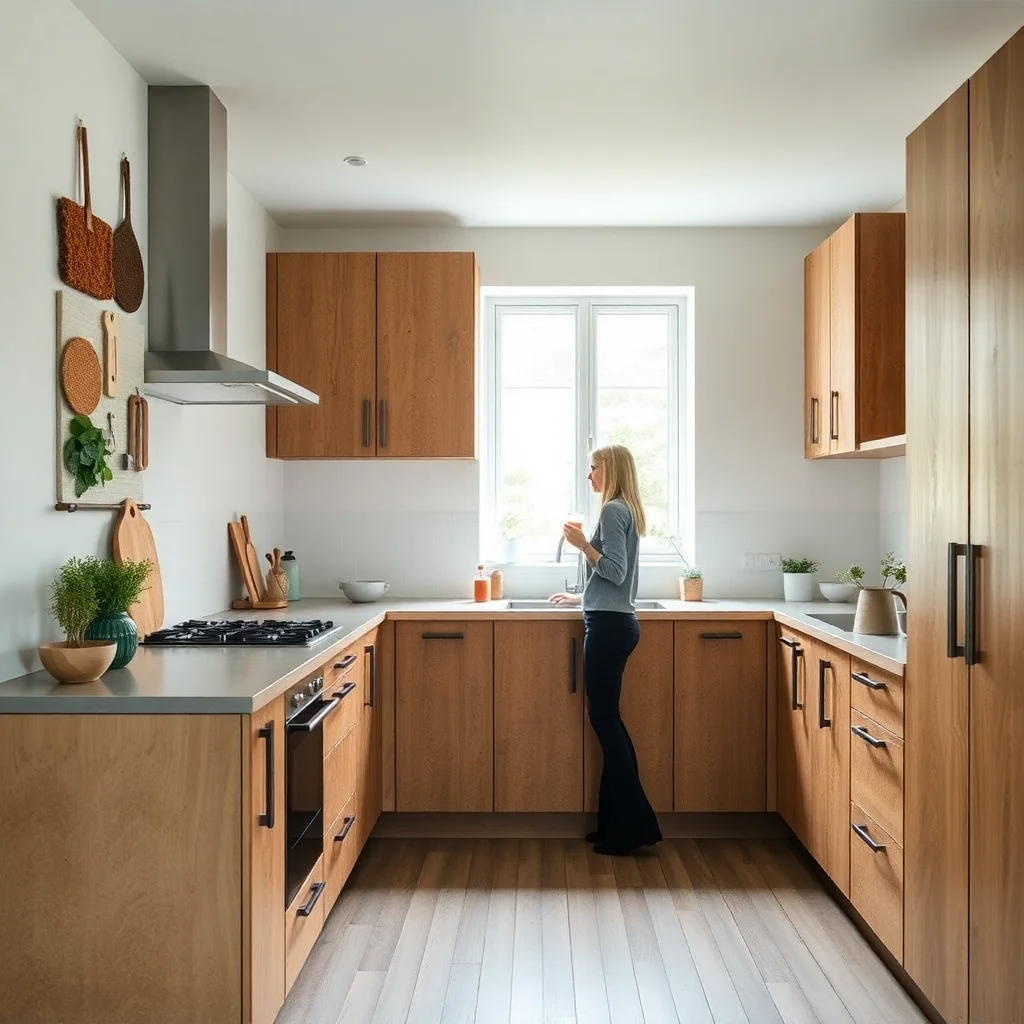
The kitchen may be the most important battleground for this new material order. It is where designers can normalize low-impact surfaces without forcing them into boutique eccentricity. Bamboo-linoleum composites, cork-faced cabinetry, reclaimed timber shelving, and bio-based sealants are already replacing the generic white-and-stainless kitchen as the default picture of “good taste.” But the real shift is not just technical. It is cultural. The kitchen is becoming less like a showroom and more like a proof of circular intelligence.
Designers such as Tom Dixon, with his long-running interest in industrial materials and recycled metal finishes, and the material-focused studios emerging across Northern Europe have helped broaden the conversation. Yet the strongest work avoids moralizing. It is not saying, “be less ambitious.” It is saying, “be ambitious about flows.” That means designing cabinetry, worktops, and lighting as if matter has biographies. Bamboo is not a trend garnish; linoleum is not a nostalgic flourish. Together, they form a new domestic seriousness.
Consumers will not adopt these materials because they are virtuous. They will adopt them because they are better at delivering atmosphere. A kitchen wrapped in waste-derived surfaces can feel calmer, richer, and more alive than one built from dead stock luxury veneers. The future premium home may be less about preciousness and more about evidence: visible proof that beauty can be made from what the system has already paid for.
That proof-driven mindset echoes a broader design move away from branding-by-author-name, the subject of design after the signature brand, where systems and materials matter more than logos.
Why the New Material Library Will Reward Proximity
The most disruptive idea here is not recycling. Recycling belongs to an older logic of damage control. The more radical model is proximity: using the material output of the place where the object will live. That is what makes Natural Material Studio’s work feel so important. The seaweed waste comes from the restaurant itself, meaning the material cycle is legible at the scale of a single brand, a single room, even a single meal. Luxury becomes locally metabolized.
This proximity changes the role of the designer. Instead of selecting from a distant catalogue of “sustainable options,” designers become authors of material systems. They establish protocols for capture, drying, binding, pressing, laminating, and finishing. They become part chef, part chemist, part scenographer. The result can be more premium than imported opulence precisely because it has a tighter relationship to place and process. A material that was once dish waste and is now a pendant light has narrative density that marble can never counterfeit.
In this sense, waste streams are not a limitation on luxury; they are its next vocabulary. The premium interior of the near future will not look like a showroom full of guilt-free substitutes. It will look like a world in which waste has been upgraded into culture. That is a much more dangerous and exciting proposition.
From Constraint to Abundance: The Politics of Desire
The real challenge is not technical feasibility. It is desire. For sustainability to reshape product design, it must stop apologizing for itself. The old eco-aesthetic often asked people to accept less. The new one must offer more: more texture, more narrative, more locality, more sensuous surprise. This is where premium interiors can help legitimize the shift. When a high-end restaurant installs seaweed lighting or a design-conscious home specifies bamboo-linoleum kitchens, they make the case that low-impact materials are not a downgrade. They are a new form of abundance.
That abundance is not based on extraction, but on recombination. It is what happens when designers treat the city, the kitchen, the farm, and the factory as continuous material fields. Seaweed from a soup becomes a pendant. Plant fibers become upholstery. Industrial scrap becomes polished hardware. The luxury is no longer in owning the untouched object; it is in recognizing the hidden value of what the system had already discarded.
If this future sounds provocative, that is because it threatens one of design’s oldest myths: that premium means removed from ordinary life. Waste-stream luxury says the opposite. The more ordinary the source, the more extraordinary the transformation.
FAQ
What does “waste-stream luxury” mean in product design?
It describes premium products and interiors made from discarded biological or industrial byproducts, such as seaweed, bamboo residue, recycled metals, or textile offcuts. The value comes from transformation, locality, and material intelligence rather than rarity alone.
Why is seaweed such a strong material for interiors?
Seaweed is abundant, fast-growing, and versatile, which makes it ideal for low-impact composites and biotextiles. It also carries a distinct visual identity that can feel both organic and contemporary in lighting, furniture, and surface applications.
Can sustainable materials really feel luxurious?
Yes, if they are designed with tactile richness, strong detailing, and a clear narrative. Luxury is increasingly about atmosphere, craftsmanship, and intelligence, not just expensive raw inputs.
What is the biggest barrier to this shift?
Cultural perception. Many buyers still assume sustainable materials look compromise-driven or temporary. Designers must prove the opposite by making waste-derived materials desirable, durable, and visibly elevated.
Get the Mainifesto weekly — curated design debates, speculative ideas and the week's best articles every Saturday.

James Okoro May 19, 2026
This is the right provocation: if waste can be engineered into something beautiful, then prestige starts moving away from extraction and toward intelligence. That shift matters, especially in places where scarcity has always forced material invention; suddenly the old luxury codes look slow, heavy, and a bit dishonest.
Sara Kowalski May 19, 2026
I’m interested in whether these materials still feel honest in the hand after all the processing. Bamboo kitchens and seaweed lighting only become convincing when the finish, joinery, and aging are treated with the same care as any premium timber or stone.
Helena Lindqvist May 19, 2026
Seaweed as a lighting material is compelling because it changes the atmosphere before it changes the object. If these waste-derived materials can give a room depth, softness, and a sense of life, then prestige may come from sensory intelligence rather than from rarity alone.
Olivier Dubois May 20, 2026
The article points to a familiar historical turn: every era renames necessity as refinement once the market finds a story for it. Still, let us not pretend the old prestige of extraction disappears so easily; more often it returns wearing a greener suit and a better PR strategy.