
Can a Cabin Be Log House and Glass Pavilion?
The Cabin Has Always Been a Contradiction
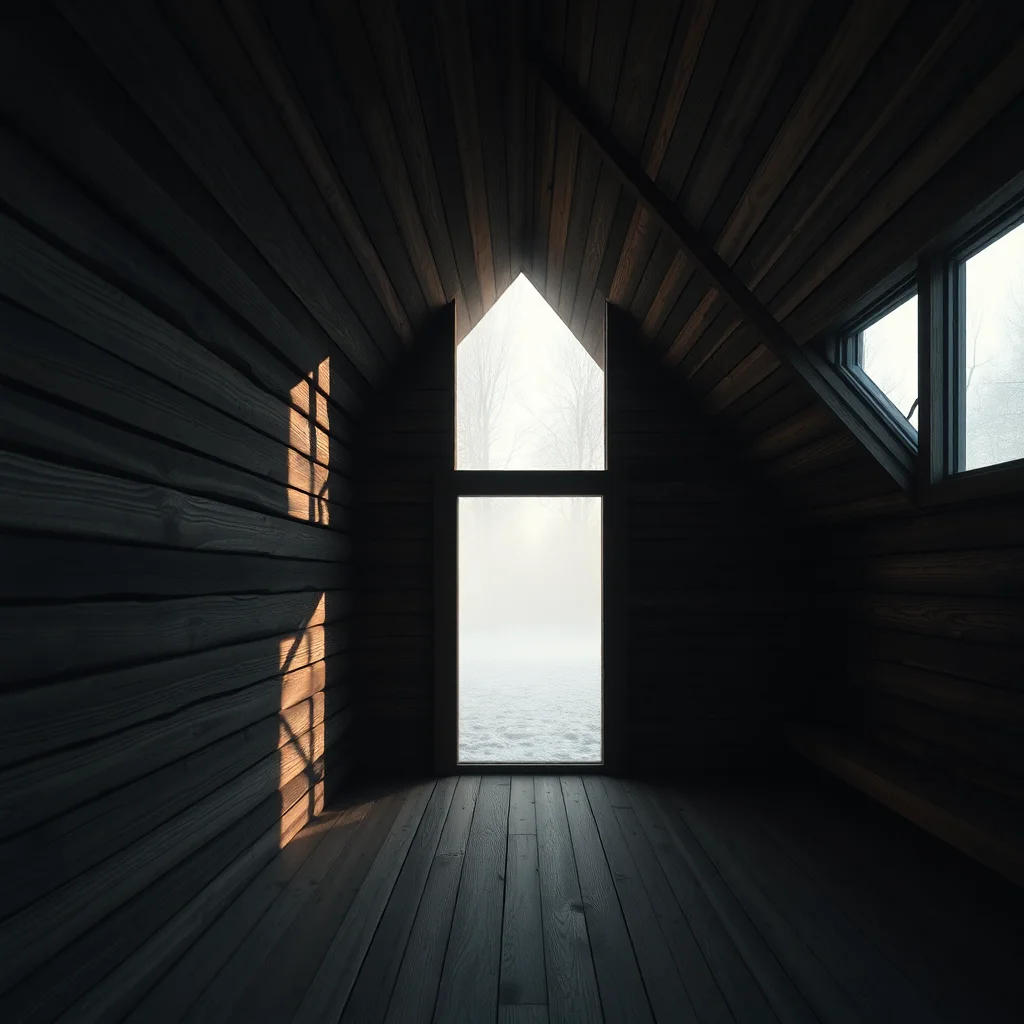
The contemporary cabin is no longer a simple shelter in the woods; it is a contested image. On one side stands the log house, with its thickness, scent, insulation, and promise of retreat through enclosure. On the other stands the glass pavilion, all light, horizon, and carefully edited exposure. The question is not whether these types can be combined, but what kind of life they are being asked to stage. Today’s retreat design is less about survival in nature than about performing a particular relationship to nature—one in which solitude is measured by how elegantly the landscape is framed.
This is why the cabin has become such a useful architectural proxy for cultural anxiety. It carries nostalgia for a slower, tactile world while also absorbing the design industry’s obsession with transparency, minimalism, and visual consumption. In the hands of contemporary architects, the cabin is no longer merely rustic. It is strategic. It can act as a memory object, a wellness machine, or a content-ready lookout. The real tension is whether these projects still provide refuge, or whether they have turned retreat into a more refined form of exposure. In that sense, cabin design overlaps with broader questions explored in designing for mental health in architecture, where shelter is judged not just by appearance but by its impact on stress, attention, and emotional restoration.
PRO: The Return of Material Refuge
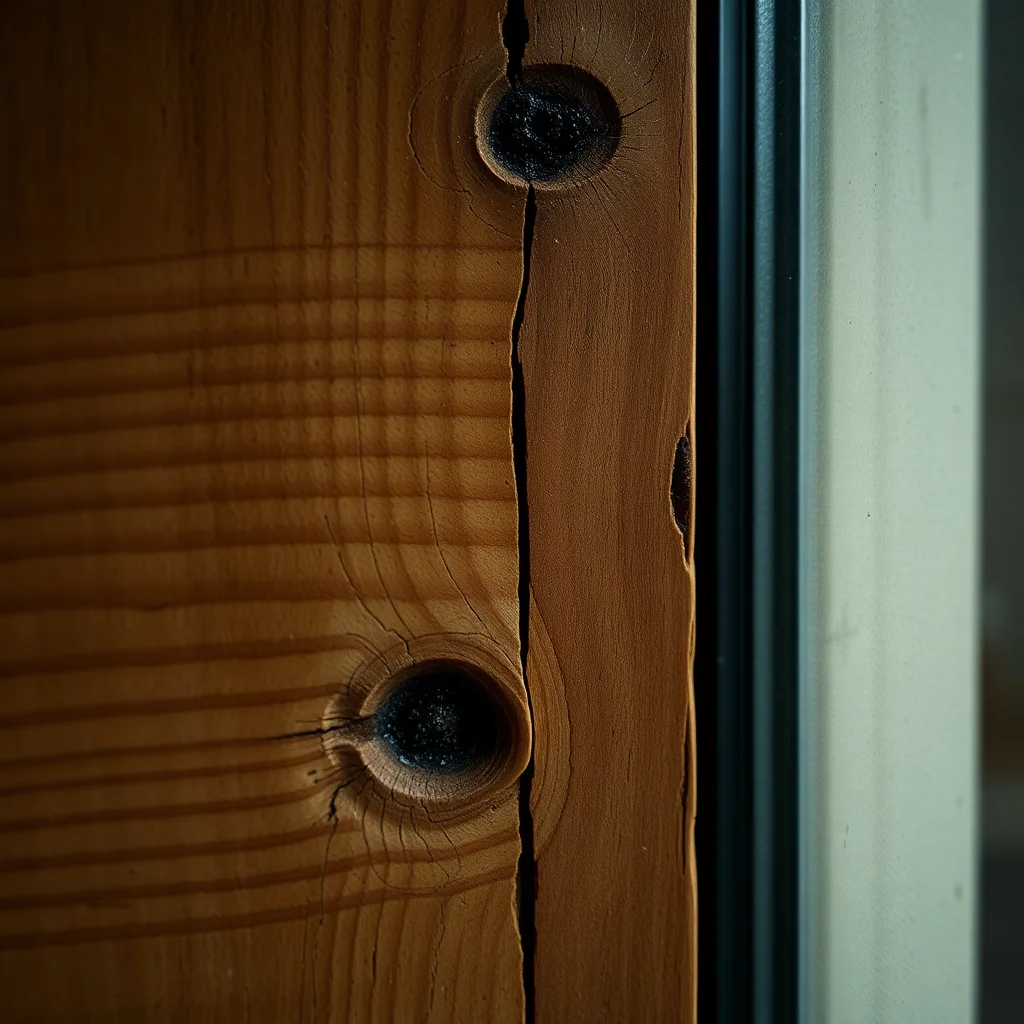
The strongest argument for the cabin as log house is psychological, not stylistic. Timber walls, low openings, and compressed interiors offer what glass rarely can: a body-scale sense of shelter. Projects by architects such as Peter Zumthor have long made the case that material depth matters—that surfaces can hold heat, sound, smell, and memory. Likewise, the Scandinavian tradition, from Alvar Aalto’s villas to contemporary Nordic cabins, treats wood not as decoration but as climate logic and emotional ballast. The cabin becomes a place where one can hear rain rather than merely watch it.
This material refuge is not nostalgia in the weak sense of costume. It is a critique of overstimulation. In the wake of pandemic-era domesticity and digital fatigue, many retreat projects intentionally narrow the field of vision and thicken the threshold between self and world. Tadao Ando’s more restrained domestic works, though not cabins in the literal sense, demonstrate the power of controlled enclosure: the right amount of light can feel more radical than abundance. In this context, the log house is not a regression. It is an insistence that retreat should restore the nervous system, not showcase the view. That restorative quality is closely tied to multisensory architecture, where touch, smell, sound, and light are treated as essential parts of spatial calm.
CONTRA: Transparency Has Turned the Cabin Into a Spectacle
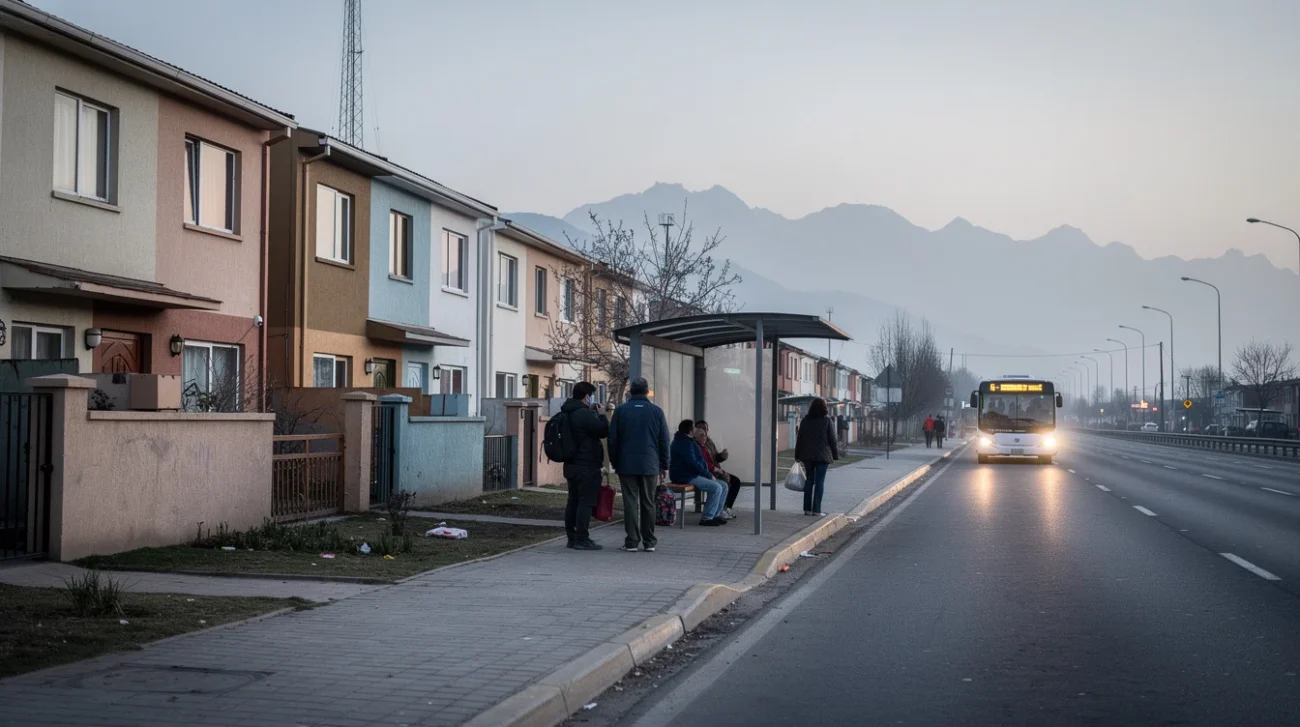
Yet the glass pavilion has its own seduction, and it is impossible to ignore how thoroughly contemporary retreat culture has embraced it. The iconic precedent is not the hut but the image of the hut: a building that disappears into landscape while paradoxically becoming more photographable than ever. John Pawson’s severe reductions, nor modernist glass houses by Philip Johnson or later cabin-like pavilions in the style of Richard Neutra, taught generations of designers that transparency can look like intellectual clarity. But the cabin adapted this lesson too well. It now often operates as a curated viewing device, where the landscape is consumed through floor-to-ceiling glazing as if nature itself were a luxury amenity.
The issue is not glass per se. It is what glass implies when it becomes the dominant spatial ethic. A transparent retreat can turn weather into entertainment and privacy into a problem to be solved by curtains, screens, and digital tinting. The cabin becomes less a shelter from the world than an expensive aperture onto it. In projects across North America and northern Europe, the language of immersion often masks a more familiar reality: the occupier is invited to occupy a position of scenic privilege. The wilderness is not entered; it is framed. And framing, in the age of social media, is often indistinguishable from branding.
What Recent Projects Reveal About the Split Personality
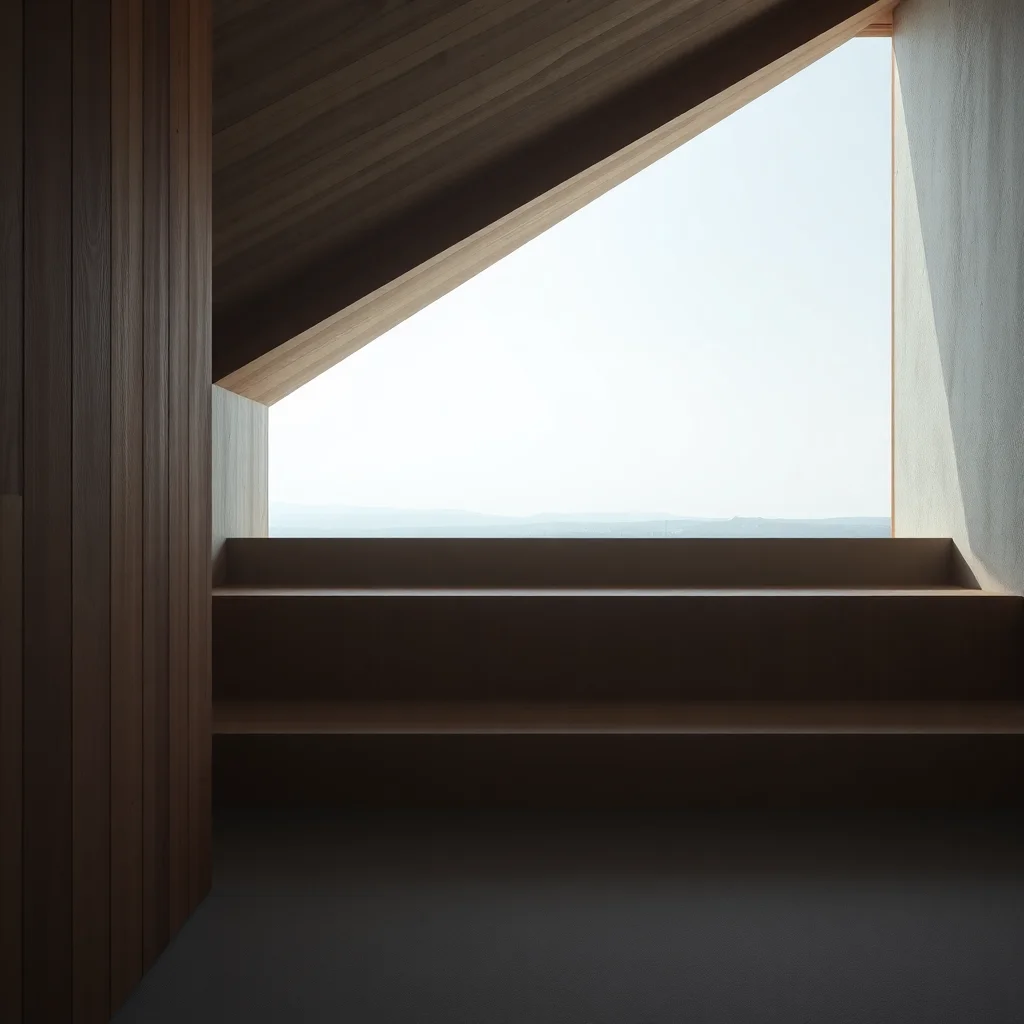
Recent work makes the split impossible to dismiss. On one end, studios like Olson Kundig have produced cabins and houses that lean into ruggedness without abandoning precision, using steel, timber, and operable walls to create a robust relationship between interior and site. On the other end, boutique retreat architecture increasingly favors planar transparency, where the cabin is reduced to a silhouette punctuating the horizon. Projects such as Off-Grid Cabins, micro-resorts, and remote artist residencies frequently borrow the visual code of the glass house while marketing themselves through adjectives like “immersive,” “quiet,” and “restorative.”
But immersion is a slippery term. A cabin surrounded by glazing may feel immersive to the camera and disembodied to the occupant. The body experiences glare, temperature swings, and exposure; the image experiences purity. This mismatch is the hidden politics of contemporary retreat design. The more the cabin becomes an object of visual desire, the more its function as psychological refuge is at risk of being outsourced to style. The most interesting projects are those that refuse the binary. Think of cabins that pair sealed, warm interiors with strategically cut openings, deep reveals, and thick thresholds—spaces that allow seeing without surrendering enclosure. In those moments, the cabin recovers its dignity as a device for calibrated withdrawal. They also suggest a more subtle architectural ethic, one aligned with emotional architecture, in which form is evaluated by how intelligently it responds to the occupant’s state of mind.
The Economics of the View
There is also a harder truth beneath the aesthetic debate: the panoramic cabin participates in an economy of views. In many markets, what is being sold is not simply architecture but access to scenery, and the building becomes a premium instrument for monetizing that access. The better the view, the more the architecture can justify its own reduction. This is why so many retreat projects appear to have been designed from the outside in. The interior is organized around the selfie, the sunrise shot, the breakfast shot, the “I am here” shot. The cabin becomes an elite frame, and the landscape becomes content.
That does not mean a log house is innocent. Rustic material language can also be commodified, especially when it is stripped of actual environmental intelligence and converted into an aesthetic of authenticity. Reclaimed wood, exposed joinery, and handmade textures can be deployed as luxury markers just as efficiently as glass. But the log house has one advantage: it resists instant dematerialization. It asks for proximity, maintenance, and a slower reading. Glass, by contrast, often flatters the fantasy that architecture can vanish entirely, leaving only nature and a perfectly composed observer. That fantasy is powerful—and deeply political.
Can a Cabin Be Both?
Yes, but only if architects stop treating the hybrid as a compromise and start treating it as a hierarchy. The answer is not to sprinkle wood onto glass or to wrap a timber box in panoramic openings. The real challenge is to decide what kind of refuge the cabin should provide. Is it a therapeutic cocoon, a social stage, a weather instrument, a picture frame, or all four? If it is to be both log house and glass pavilion, then one mode must not secretly dominate the other. The materials must perform different jobs: wood for intimacy, glass for orientation; enclosure for rest, transparency for episodic contact with the world.
Some of the best examples do exactly this by making transparency selective rather than total. They use glazing where distance matters and mass where the body matters. They keep the sleeping zone thick, the living zone open, and the transitions expressive. This is not a return to nostalgia but a contemporary ethics of retreat. In a culture that confuses openness with goodness, the cabin can make a more provocative claim: that limits are not failures, but forms of care. The most radical cabin may be the one that protects the right not to be on display.
FAQ
- Why are cabins increasingly made of glass?
Because glass offers expansive views, a strong visual identity, and a luxury association with nature. It also photographs well, which makes it attractive in a market driven by retreat aesthetics and social media circulation. - Does a log cabin still make sense today?
Absolutely. Timber and other dense materials provide thermal comfort, acoustic softness, and a stronger psychological sense of refuge. In an overstimulated world, enclosure can be an architectural asset rather than a limitation. - What is wrong with a fully transparent retreat?
Total transparency can undermine privacy, comfort, and bodily ease. It often turns the landscape into a spectacle while making the occupant feel exposed, especially in harsh climates or heavily branded hospitality settings. - Can hybrid cabins avoid becoming aesthetic clichés?
Yes, if architects assign materials distinct roles instead of using them as style cues. The best hybrids use wood and glass strategically: one to thicken the experience of shelter, the other to sharpen moments of outlook.
The cabin’s future will not be decided by whether it looks rustic or modern, but by whether it still knows how to protect the body from the tyranny of constant visibility. When retreat becomes a view economy, what exactly is being restored?
Watch the Mainifesto Short
Get the Mainifesto weekly — curated design debates, speculative ideas and the week's best articles every Saturday.
Editorial Perspectives
Questions and counterpoints developed by the Mainifesto editorial desk to extend the discussion.
Perspective 1
I’m for the hybrid, because the market already knows how to price a view and a sense of escape. The trick is not pretending glass alone makes a retreat; it has to work hard on privacy, thermal comfort, and maintenance, or it’s just an expensive lantern. Done properly, a cabin can be both grounded and open without losing its usefulness.
Perspective 2
I’m skeptical of the idea that more transparency equals better retreat design. Once the building is organized around exposure and spectacle, you’re often designing for the image of solitude rather than the conditions that actually let people recover. A retreat should control views, not surrender to them.
Perspective 3
The interesting question is whether we can tune degrees of openness instead of treating cabin and pavilion as opposites. With orientation, layered thresholds, and variable enclosure, you can make a place that frames the landscape without turning the occupant into part of the scenery. That feels closer to recovery than a full-glass statement ever does.