

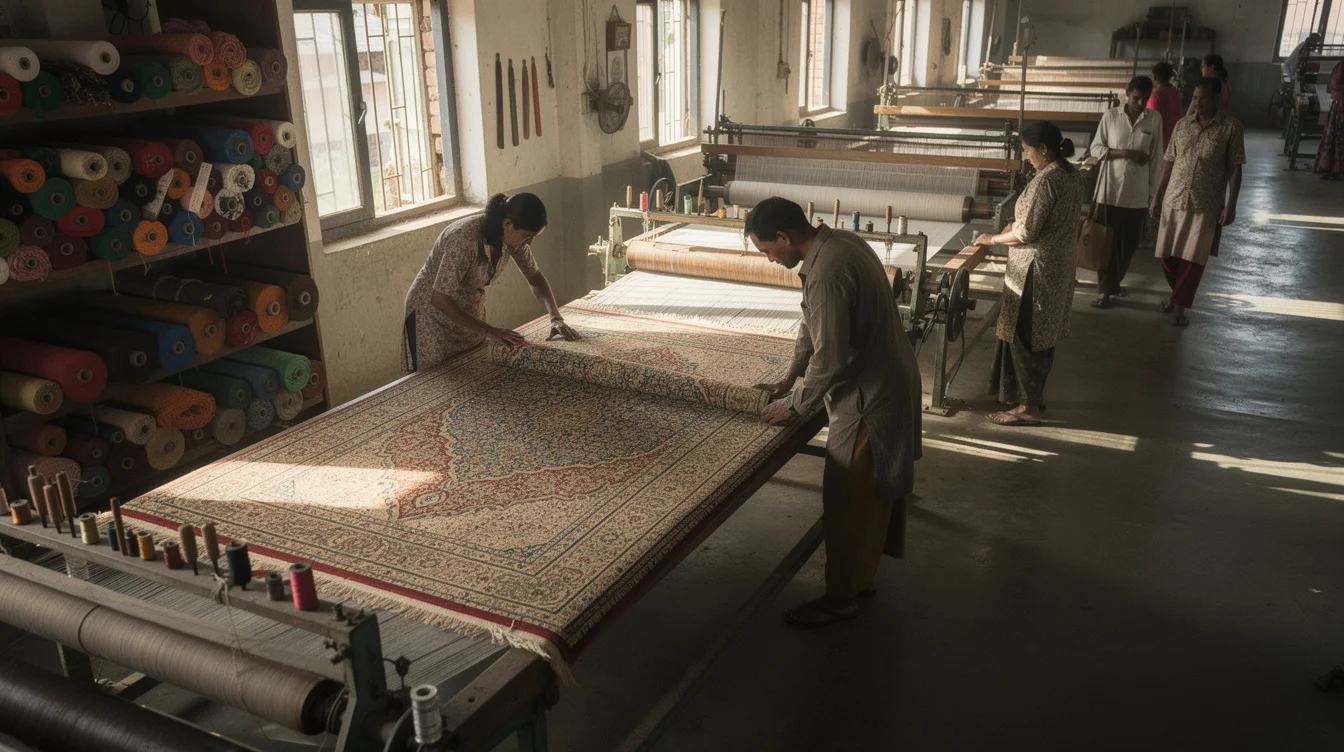
Bangladesh’s RIBA-winning Green Field Factory challenges workplace hierarchy. But can
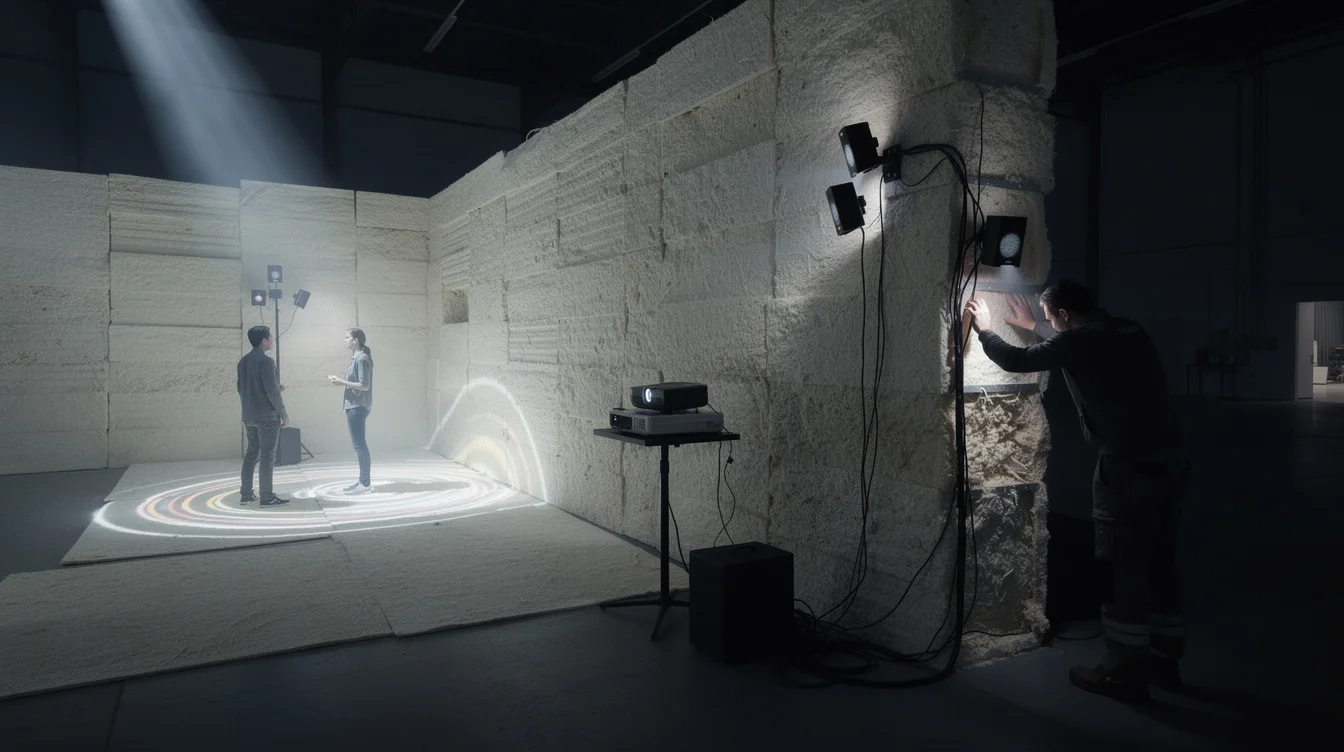
Hypha-lume pairs mycelium with interactive hardware. Its circularity test is
Who Pays the Human Cost of a Beautiful Building?
Forced labour hides inside construction supply chains. What must architects verify—and who should pay when ethical sourcing threatens budgets and deadlines?
Who Gets to Improvise on the Public Street?
Penny Hardy’s NYC dining shed archive exposes a public-space dilemma: how much freedom should restaurants have to redesign the street?
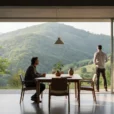
The Unfinished House: Freedom or Unpaid Work?
EX.’s unfinished house in Turin tests a seductive promise: adaptable living. But who supplies the effort, expertise and money to make openness work?
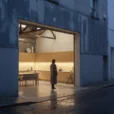
Industrial Adaptive Reuse: What Trophy Homes Cost Cities
A £4.9 million London workshop conversion exposes the tension between saving industrial architecture and preserving space for urban production.

Off-Grid Is Not the Same as Low-Impact
London’s floating Soak sauna tests the green promise of off-grid wellness. Wood fuel, air pollution and water management demand a harder assessment.

When Heritage Has to Deliver Clean Water
Can India's stepwell restoration serve residents without sacrificing heritage? The battle is over water safety, historic fabric and who gets to decide.

How Do You Design a Temporary Home for an Uncertain Future?
Office for Future’s Ukrainian school conversion tests whether emergency shelter for 42 displaced families can become a dignified home if return takes years.
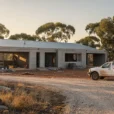
A Fire-Resistant House Still Needs a Rescue Plan
Cathedral House’s wildfire rescue exposes the gap between fire-resistant design and construction-site safety. What should resilience claims disclose?