

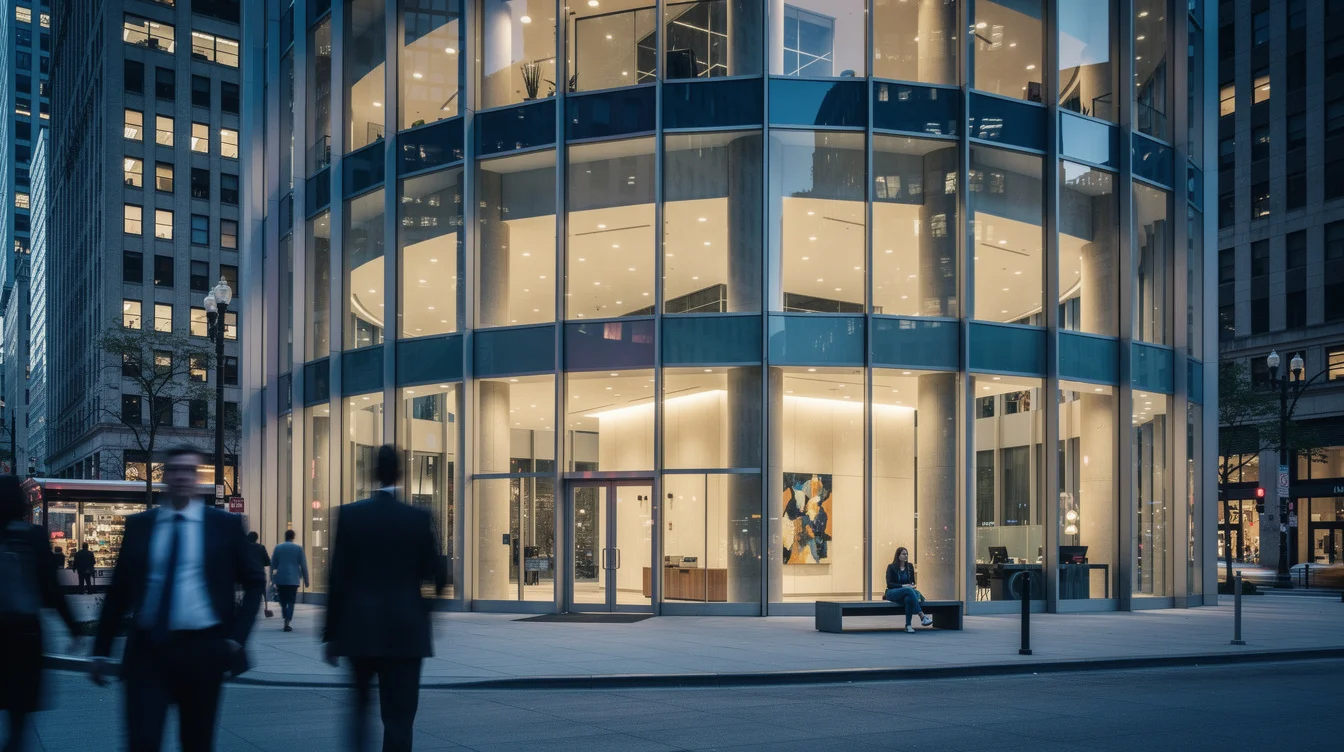
Google’s Thompson Center rescue saves a Chicago landmark. But access,

Apple’s 600-capacity Battersea venue unites concerts, recording and broadcasting. Does

Can a Better Cruise Terminal Make a Bigger Problem?
Arquitectonica’s Miami cruise terminal can process 36,000 passengers daily. Where does sustainable design end—and responsibility for cruise travel begin?

Benghazi’s Digital Masterplan: Who Gets to Edit the City?
ZHA’s proposed digital planning hub for Benghazi promises adaptability. Can residents gain responsive planning without surrendering control of their city?

Bromley Hall Workspace: Can Heritage Handle Real Work?
Assemble plans to turn Tudor Bromley Hall into workspace. Can a 25-year lease defend makers against rising rents while protecting fragile heritage?

When the Harvest Draws the House: Building With Straw
LTL Architects’ 16-unit straw prototype challenges construction’s demand for predictable materials, standardized performance and unlimited formal freedom.

Beyond the Parking Lot, Still Inside the Car
Grimshaw’s Allegiant Stadium plaza promises more pedestrian space. Does its Boring Company station loosen car dependence—or bury it out of sight?

The Housing We Need May Already Be Inside Our Homes
Bruna studio’s German house conversion challenges housing scarcity: can subdivision create homes without sacrificing privacy or hiding renovation costs?

Recycled Architecture: Beyond the Rubble Aesthetic
Tehran’s Debris Pavilion makes demolition waste spectacular. But what does recycled architecture save once processing, transport and disassembly count?

Who Gets to Override the Perfect City?
Superstudio’s 1971 ideal cities expose the smart-city dilemma: can infrastructure become more efficient without taking control away from residents?