
Feeling Like Home Is Not the Same as Having Control
Feeling Like Home Is Not the Same as Having Control
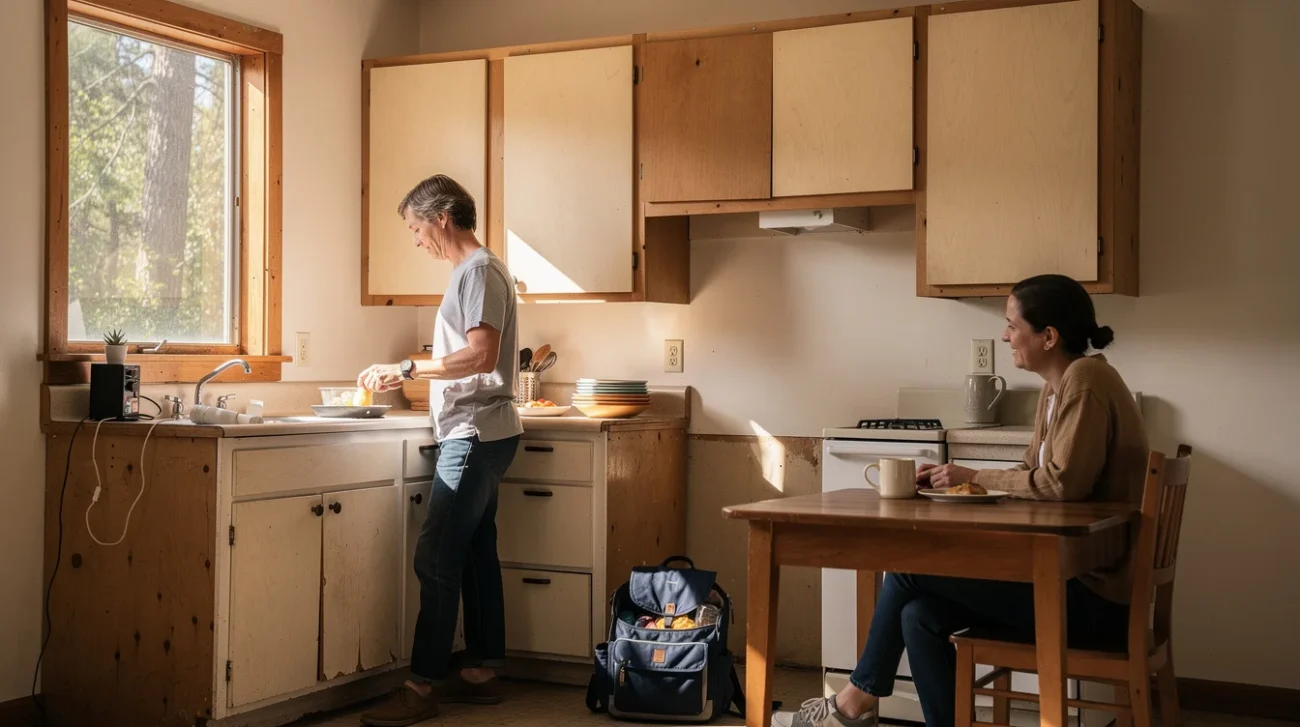
A residence can look reassuringly domestic while leaving its inhabitants remarkably little say over their day. The armchair might be inviting; the timetable might not be negotiable. This is the uncomfortable distinction that senior living design must confront: feeling at home is an experience; having control is a relationship of power.
Mirador de Gràcia, a 6,600 m² senior living community on the slopes of Collserola Natural Park, places that distinction in sharp relief. Barcelona-based studio Miriam Castells frames its interior design around the conviction that a senior residence can, and must, feel like home. At the boundary between Barcelona and its wooded hinterland, the ambition is compelling. It is also incomplete unless domestic atmosphere comes with authority over everyday life.
The published project description establishes a design intention, not evidence of residents’ actual decision-making powers. Without operational policies or resident testimony, we cannot judge how this community manages privacy, schedules or consent. We can, however, insist on a harder standard for what its promise should mean.
PRO: Domestic Design Can Make Autonomy Possible
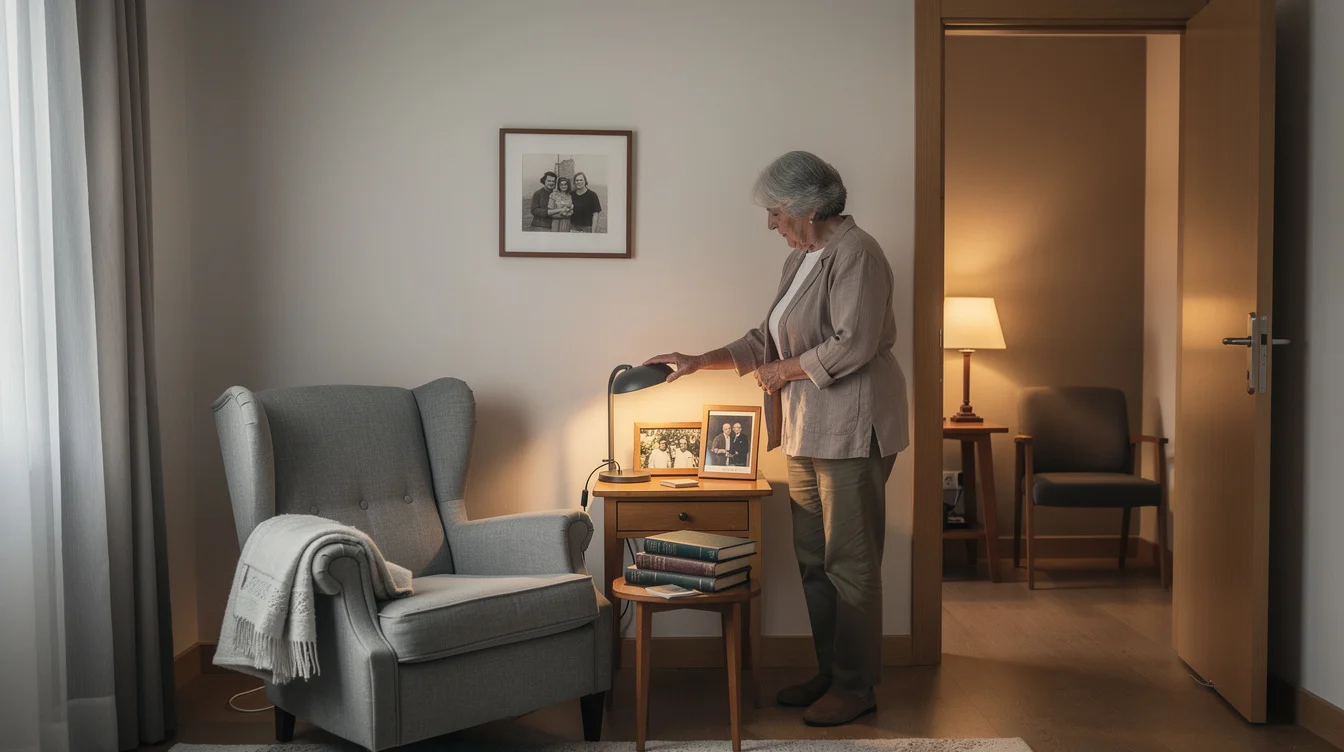
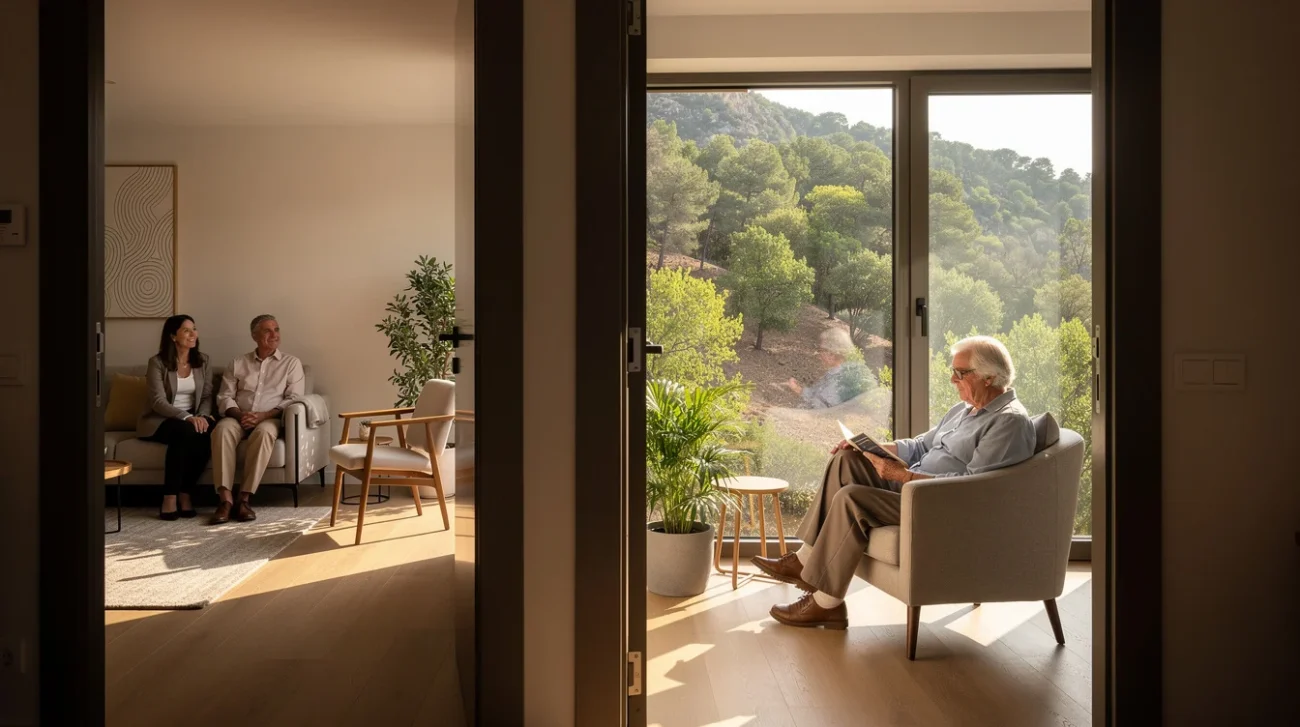
Domesticity is not necessarily a cosmetic disguise. At its best, interior design makes choices physically available that an institutional plan would foreclose. A resident cannot choose solitude if every comfortable seat occupies a busy communal lounge. Nor can someone enjoy company without participating if the only alternatives are a bedroom and a large, activity-filled room. Autonomy needs a spatial range, not a binary choice between isolation and participation.
Herman Hertzberger’s De Drie Hoven care complex in Amsterdam offers a useful historical reference. Its articulation of shared circulation and inhabitable thresholds challenged the idea that accommodation and social space should be neatly separated. The relevant lesson is not to reproduce its architectural language. It is to treat the territory between a private room and a collective interior as somewhere residents can occupy on different terms.
For a community at Mirador de Gràcia’s scale, that principle suggests intimate seating clusters, places to pause outside the main flow, and routes that do not require crossing an organised gathering. These are design criteria, not claims about the completed project. A chair at the edge of a room can support a radically different social experience from a chair at the centre. Someone may want to hear conversation, watch visitors arrive and remain unaddressed. Good interiors recognise that this is participation too.
PRO: Privacy and Personalisation Are Practical Rights
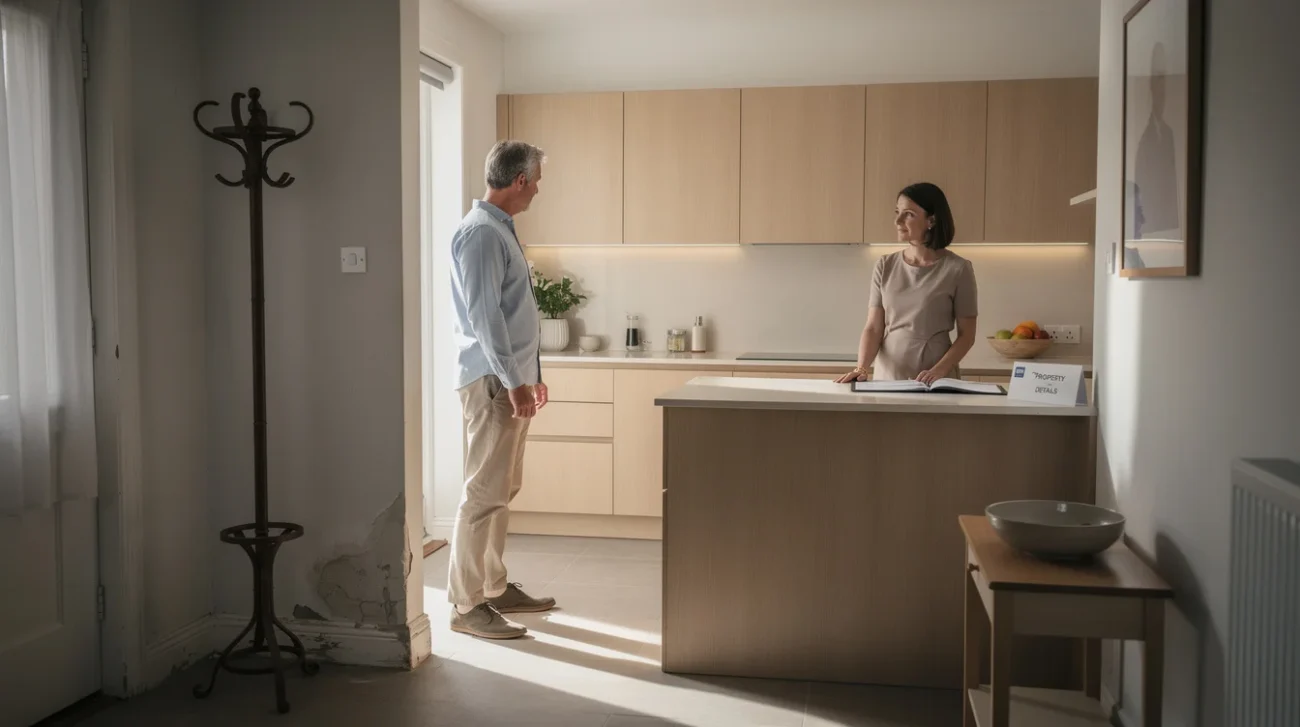
Privacy becomes meaningful through details that are often treated as technical afterthoughts: acoustic separation, controllable sightlines, accessible door hardware and storage that belongs unmistakably to one person. A private room is not genuinely private if conversations travel through its walls or staff routinely enter without warning. Design cannot guarantee respectful entry, but it can make respectful practice easier through clear thresholds and suitable door controls, with individually appropriate emergency access.
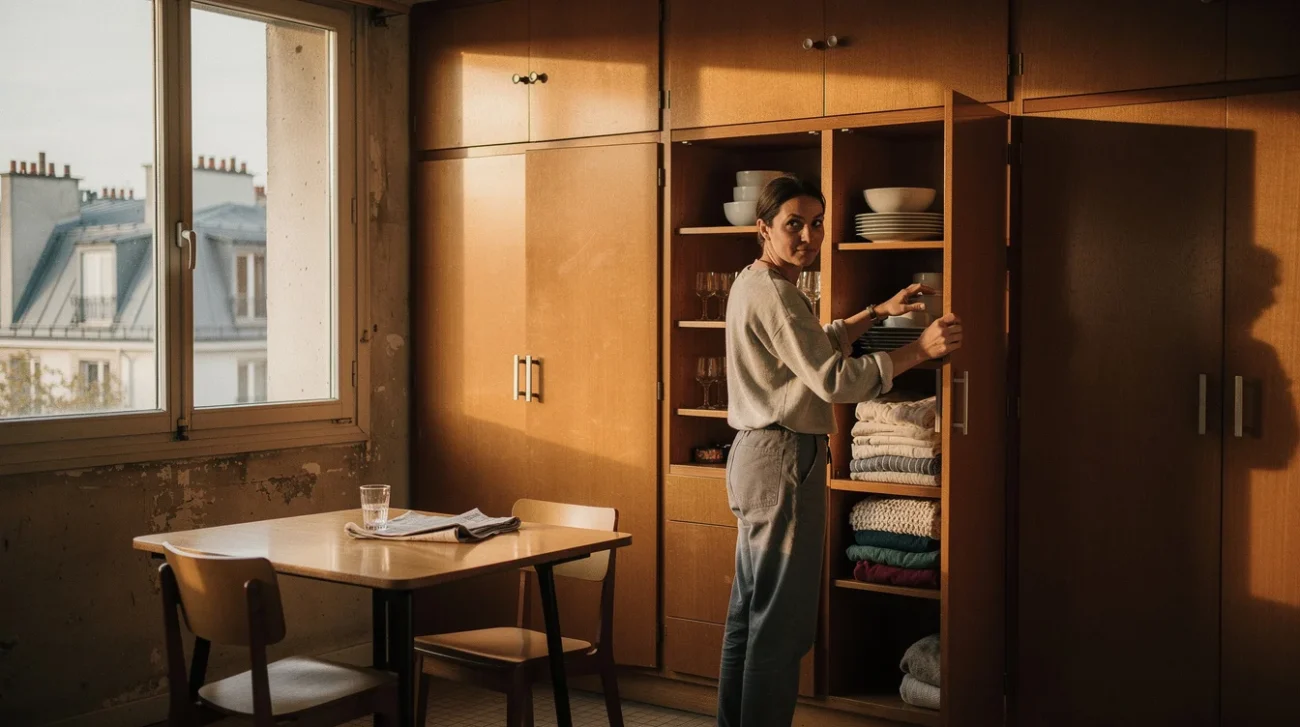
Personalisation requires similar precision. Permitting family photographs is a modest gesture. Allowing someone to bring a familiar chair, rearrange furniture, adjust lighting and decide what remains visible changes their relationship to the room. Designers should provide safe clearances, reachable switches and adaptable layouts rather than freeze every interior into a finished composition. A room that cannot tolerate its inhabitant’s taste is a display, not a home.
The US-based Green House model is instructive because it links small-house environments to changes in care organisation. Its significance lies in that pairing: domestic scale alone is not the intervention. Household routines, staff roles and residents’ preferences also matter. Mirador de Gràcia’s ambition deserves support on precisely these terms. At 6,600 m², the challenge is not simply to make a large facility appear smaller. It is to ensure that individual preferences remain consequential within it. A successful interior gives residents useful controls, then accepts that they may use them to disrupt the designer’s preferred arrangement.
CONTRA: The Institution Can Overrule Every Room
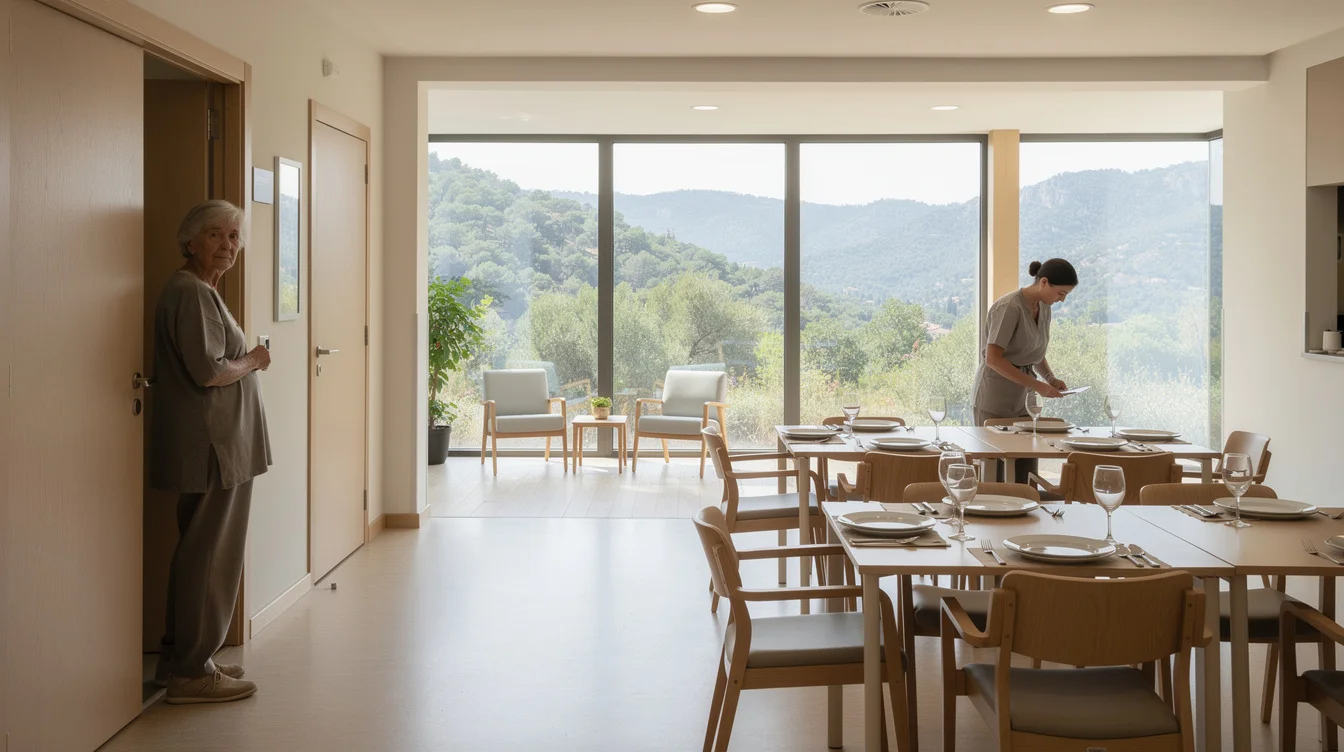
The strongest objection is brutally simple: an interior does not determine who holds authority. A beautifully furnished dining room can still serve dinner at one compulsory hour. A welcoming lounge can still be unavailable during cleaning. A bedroom can contain personal possessions while its occupant has little influence over waking, bathing or visiting arrangements. Domestic imagery may soften the experience of institutional control without reducing it.
Erving Goffman’s analysis of institutional life remains useful here, not because every senior residence fits his account of a total institution, but because he directs attention to who coordinates daily activities. When eating, sleeping, socialising and receiving care fall under one administrative structure, small rules accumulate. What looks like a minor scheduling decision to management may determine the shape of someone else’s entire day.
Consider a resident who prefers breakfast late and alone. Delivering that choice may require staffing flexibility, food-service coordination and a place to eat comfortably outside the main dining schedule. A kitchenette or an attractive table cannot supply those arrangements by itself. Likewise, personal lighting controls offer limited freedom if a blanket bedtime routine overrides them. The decisive test is not whether a space resembles a household, but whether a resident can decline the household’s proposed rhythm. This is not an allegation about Mirador de Gràcia; it is the operational question its domestic promise makes unavoidable.
CONTRA: Safety and Sociability Can Become Alibis
Senior living has genuine responsibilities around falls, cognitive impairment, medication and emergency response. Pretending otherwise would turn autonomy into a slogan. Yet safety can become a universal justification for restrictions that should instead be specific, proportionate and regularly reviewed. The right question is not whether risk exists. It is whose risk assessment prevails, and whether the resident participates in it.
De Hogeweyk, the dementia village in Weesp, the Netherlands, brings the tension into focus. Its neighbourhood-like setting supports everyday activities within a protected environment. It is an important alternative to conventional institutional surroundings, but it also demonstrates that recognisable streets and domestic settings do not, by themselves, establish unrestricted freedom. Supportive environments and managed boundaries can coexist. They should be discussed honestly rather than collapsed into a reassuring image of normality.
Social design carries a parallel danger. Communal rooms are often celebrated as antidotes to loneliness, but solitude and loneliness are not synonyms. A resident should be able to refuse an activity without being treated as a problem to solve. This respect for differing needs also matters when asking who gets to call an interior neuroinclusive. A discreet route back to a private room is therefore as important as an inviting shared table.
For Mirador de Gràcia, and for senior living more broadly, the credible measure of success would combine spatial assessment with resident accounts: who controls entry, which routines can change, and what happens when someone says no? This requires adequate staffing and organisational accountability, not just sensitive specification. The most persuasive domestic interior is one whose residents can contradict its programme.
FAQ: What Would Genuine Autonomy Look Like?
What is the difference between a homelike interior and resident autonomy?
A homelike interior creates familiarity and comfort. Autonomy means having meaningful influence over everyday decisions, including privacy, possessions, schedules and company. The two can reinforce each other, but neither warm materials nor residential furniture proves that residents hold decision-making power.
Which interior features best support privacy?
Acoustic separation, adjustable screening, accessible door controls and space for private visits all help. They must be paired with respectful entry procedures and clearly defined emergency access. A door protects privacy only when the organisation recognises the boundary it creates.
How can communal spaces support choice rather than compulsory sociability?
Provide different degrees of contact: small seating groups, quiet shared rooms, peripheral seats and routes around organised activities. Residents should be able to observe, join, leave or avoid a gathering without embarrassment, physical difficulty or pressure from staff.
Does greater autonomy mean abandoning safety?
No. It means tailoring support and restrictions to the person rather than treating a blanket rule as inevitable. Accessible layouts and appropriate assistance can expand choice. Decisions about risk should involve residents as far as possible, with supported decision-making where needed.
If a resident cannot change the timetable, refuse company or close the door on their own terms, should we call the place home at all?
Watch the Mainifesto Short
Get the Mainifesto weekly — curated design debates, speculative ideas and the week's best articles every Saturday.
Editorial Perspectives
Questions and counterpoints developed by the Mainifesto editorial desk to extend the discussion.
Perspective 1
Warm light can soften a corridor, but it cannot make an unwanted visitor welcome. I would hesitate to call a room home if its resident cannot decide when to dim the lights and shut the door.
Perspective 2
I wouldn’t withhold the word home simply because some routines are shared; living together often means negotiating limits. Before dismissing the interiors, I’d ask residents whether familiar materials, comfortable temperatures and belongings they’ve kept actually help them feel settled.
Perspective 3
Domestic architecture has housed plenty of unequal arrangements, so looking like a home has never guaranteed freedom. At Mirador de Gràcia, I’d want to know whose habits the building accommodates and whose are being edited out to keep the place running neatly.
Perspective 4
A flexible timetable has staffing costs, and those need to be budgeted as seriously as the interiors. If residents can’t decline company or get privacy, the operator has a service problem that a better-looking room won’t fix.