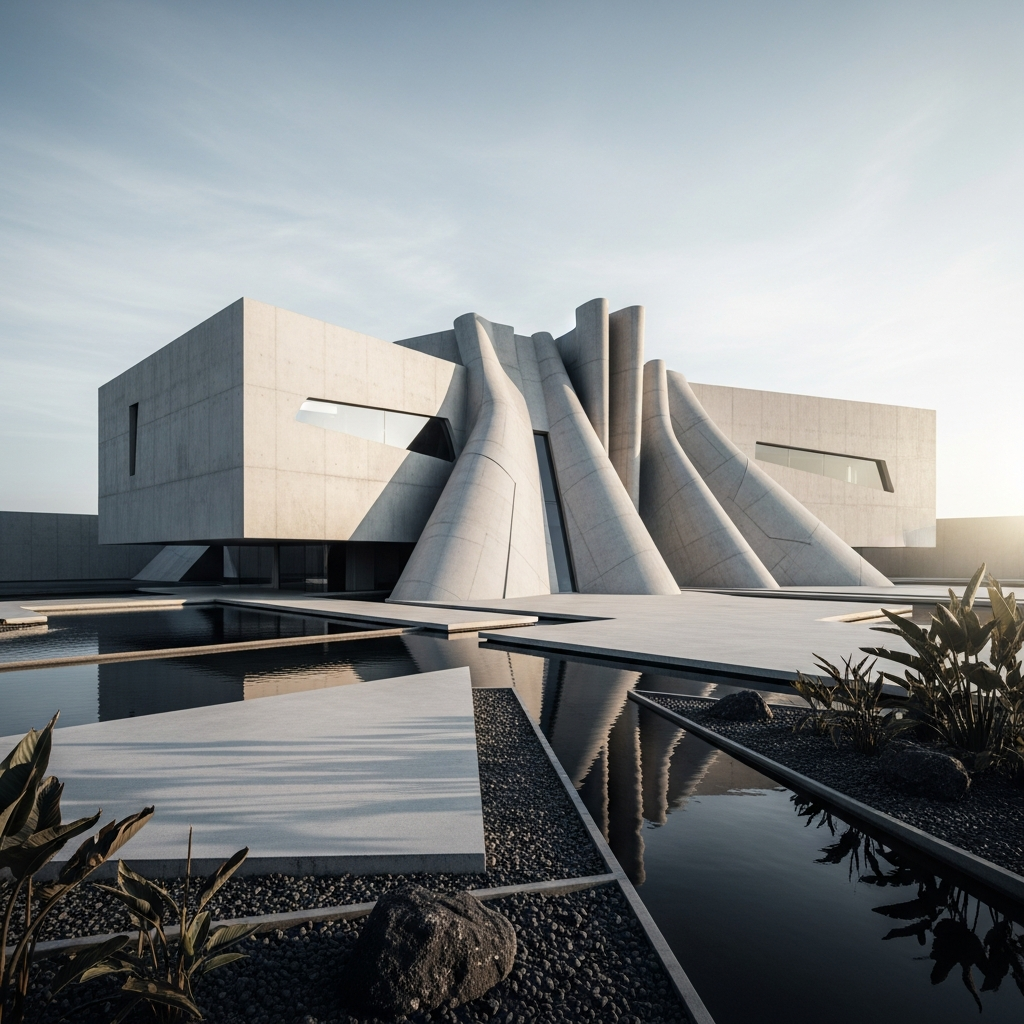

Smart Facade Systems: Adaptive Exteriors That Respond to Climate and Light
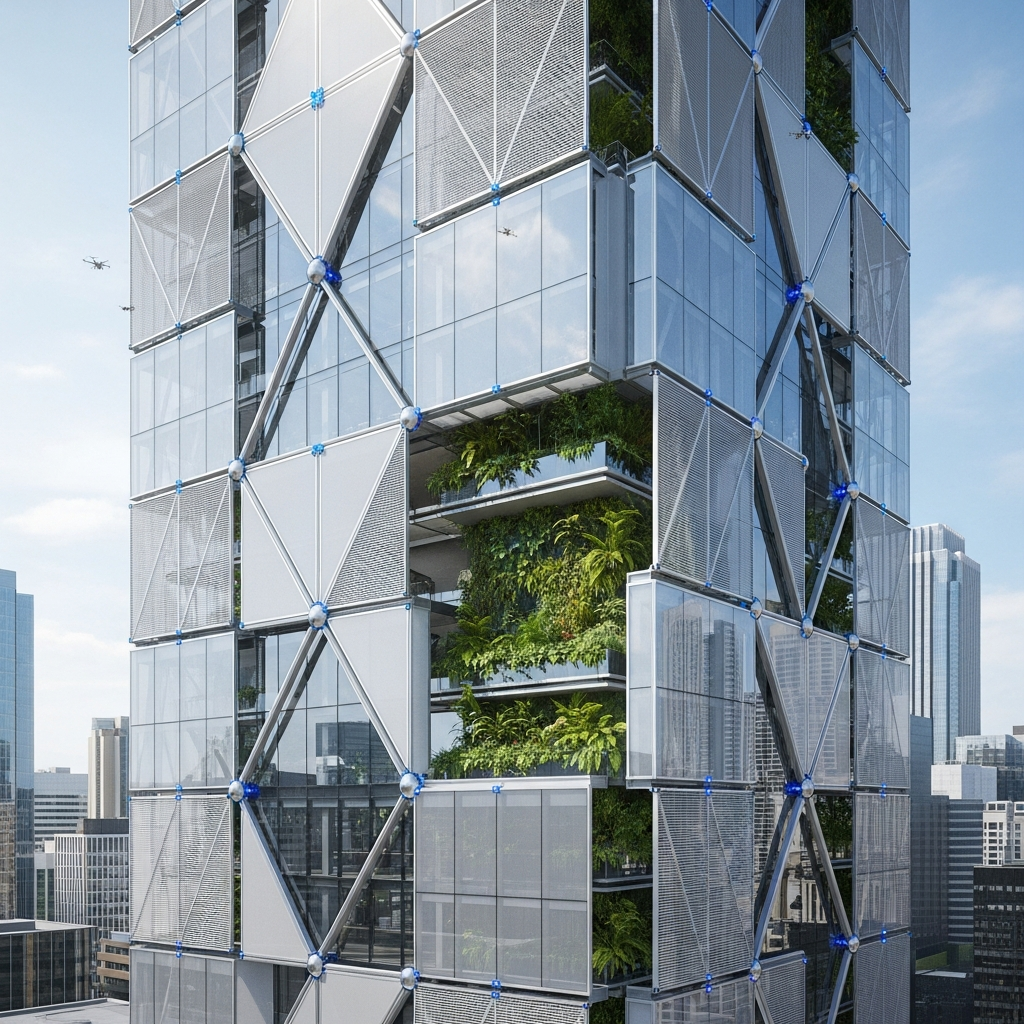
Smart Facade Systems: Adaptive Exteriors That Respond to Climate and Light
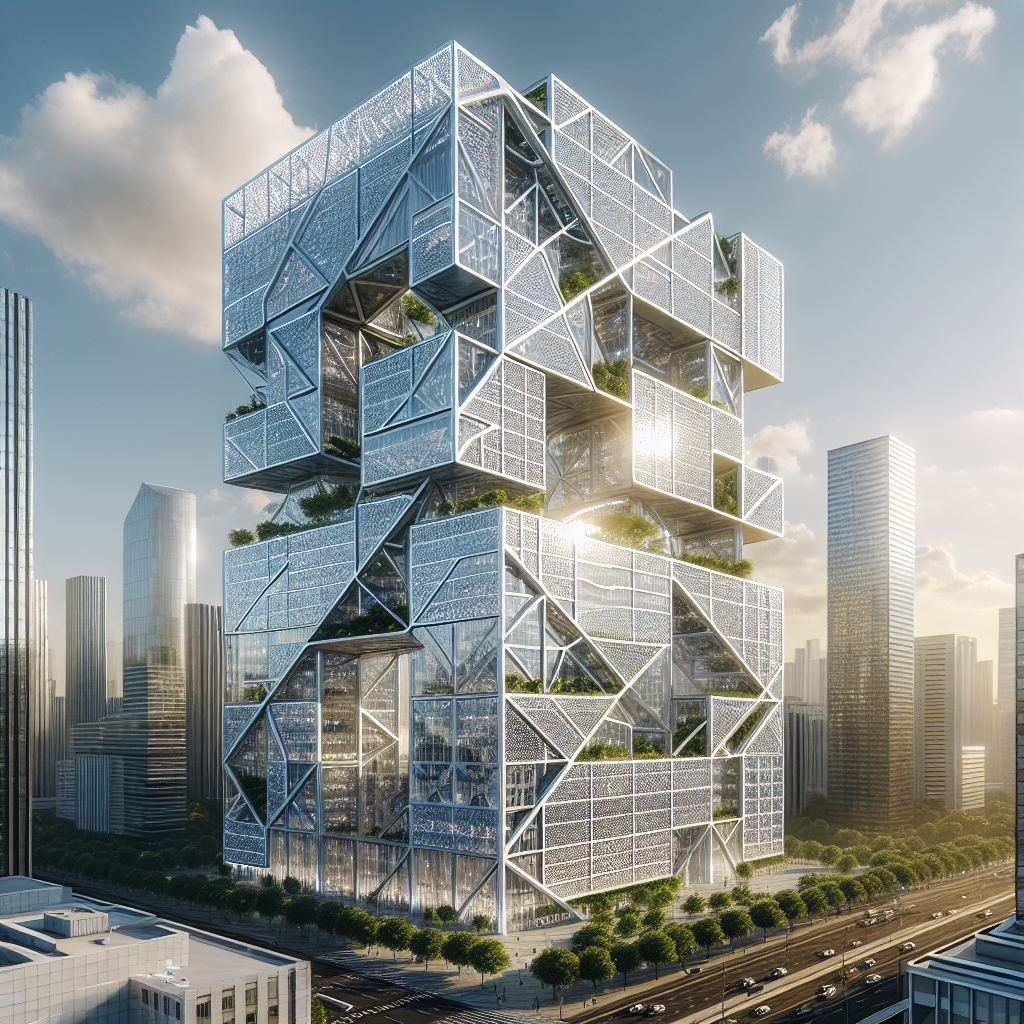
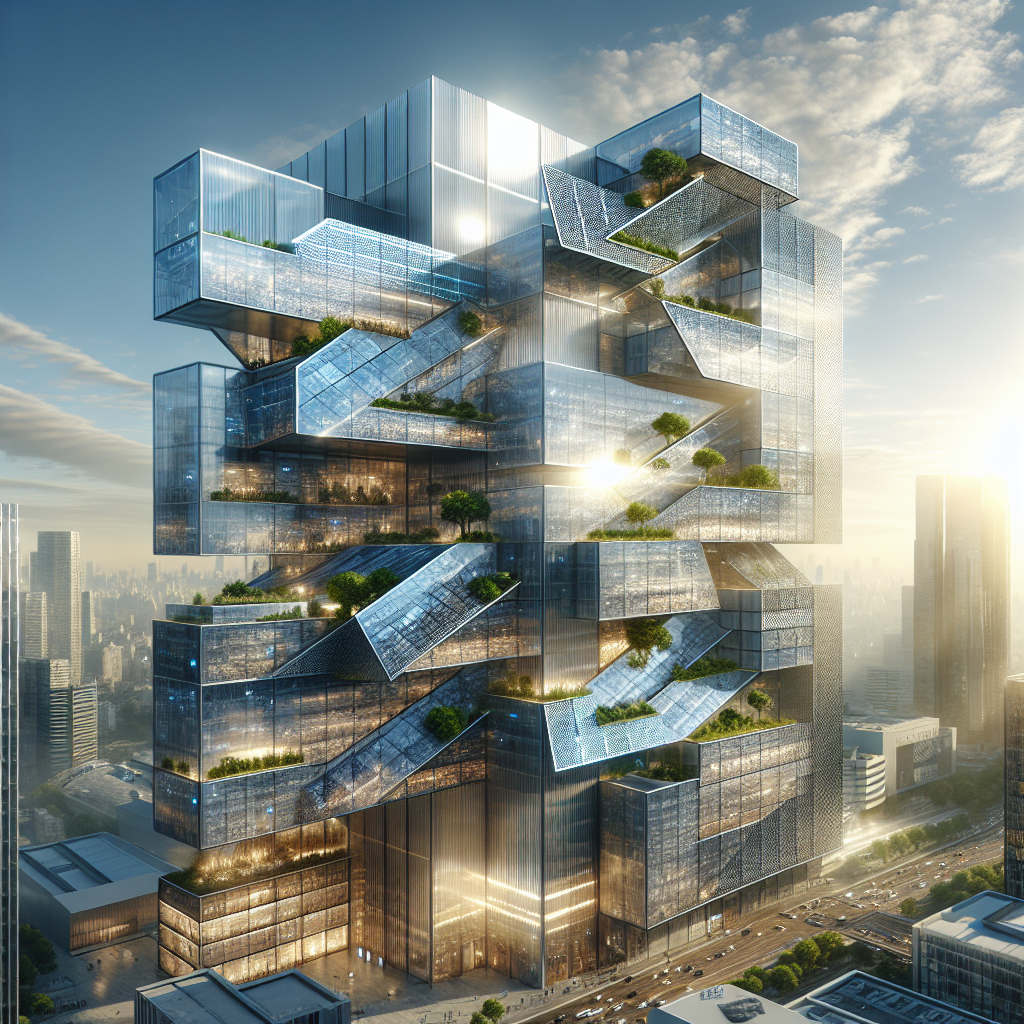
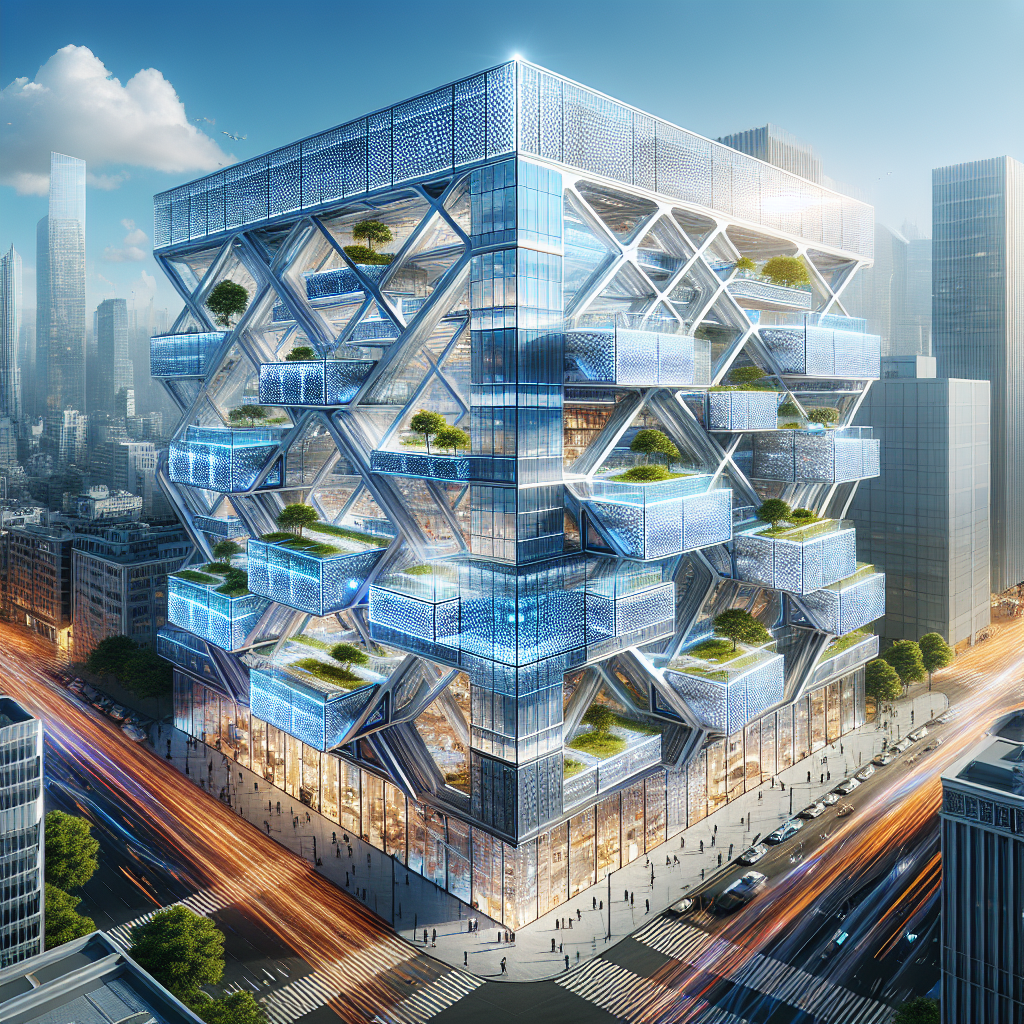
In the ever-evolving dialogue between architecture and environment, smart facade systems have emerged as the new language of sustainable intelligence. These adaptive exteriors—responsive to light, temperature, and atmospheric conditions—are redefining how buildings breathe, shade, and interact with their surroundings. For architects and designers, they represent not just a technological advancement, but a philosophical shift: the building envelope as a living, thinking interface between human comfort and planetary health.
The Rise of Responsive Architecture
Over the past decade, architecture has transitioned from static monumentality to dynamic adaptability. Responsive architecture—a term that encompasses kinetic facades, shading membranes, and climate-reactive skins—reflects a broader ambition to make buildings more attuned to their environments. The facade, once a mere aesthetic surface, now operates as a sensorial membrane, mediating energy, light, and airflow in real time.
According to the Building Envelope concept, the outer shell of a structure is crucial for regulating thermal performance. Smart facades elevate this principle by integrating materials and systems that can autonomously adjust—opening louvers to admit winter sunlight, or tightening mesh screens to block summer glare. These innovations align with the global movement toward net-zero energy buildings, where efficiency and adaptability converge to minimize environmental impact.
Technology Meets Material Intelligence
At the heart of smart facade systems lies the fusion of digital control and material intelligence. Architects are increasingly collaborating with engineers and data scientists to create facades that respond to environmental inputs through embedded sensors, actuators, and algorithms. These systems analyze real-time data—solar intensity, wind direction, humidity—and adjust the building’s skin accordingly.
For instance, the Al Bahar Towers in Abu Dhabi, designed by Aedas, feature a mashrabiya-inspired facade composed of 1,049 dynamic shading units. Each geometric module opens and closes in response to sunlight, reducing solar gain by up to 50%. The result is a building that performs like a living organism, balancing aesthetics with ecological logic. Similarly, the Media-TIC Building in Barcelona employs an ETFE (ethylene tetrafluoroethylene) cushion system that modulates transparency and insulation, creating a delicate equilibrium between daylight and heat control.
These innovations echo the ethos of biophilic design, which emphasizes harmony between built and natural systems. Smart facades, in essence, are a digital evolution of this principle—merging organic responsiveness with computational precision.
Light as a Design Medium
Light has always been the architect’s most elusive material. With smart facades, it becomes programmable. Advanced glazing technologies—such as electrochromic glass and liquid crystal panels—allow architects to choreograph daylight with unprecedented nuance. These materials can shift from transparent to opaque at the touch of a sensor, controlling glare and privacy while maintaining visual connection to the outside world.
In the Edge Amsterdam, often cited as one of the world’s smartest buildings, dynamic glass panels adjust tint levels based on solar exposure and occupancy patterns. The result is a workspace that optimizes both human comfort and energy efficiency. This interplay of light and intelligence transforms facades into kinetic canvases—surfaces that evolve throughout the day, reflecting the rhythms of the sun and the pulse of the city.
Such systems are increasingly paired with smart home and building automation platforms, enabling integrated control over lighting, shading, and ventilation. The boundary between architecture and technology is dissolving, giving rise to a new typology of “living buildings.”
Climate Responsiveness and Regional Identity
One of the most compelling aspects of smart facade design is its ability to express regional identity through climate responsiveness. In arid regions, facades often incorporate kinetic shading inspired by traditional latticework, while in temperate zones, they may use thermochromic coatings that modulate color and reflectivity with temperature changes. This contextual sensitivity not only enhances performance but also grounds innovation in cultural and environmental continuity.
In Singapore’s Oasia Hotel Downtown, WOHA Architects reimagined the facade as a vertical ecosystem. Its porous red aluminum mesh supports over 20 species of climbing plants, creating a living skin that cools the building naturally while absorbing carbon dioxide. The result is both a bioclimatic and aesthetic triumph—a lush, ever-changing facade that blurs the line between architecture and landscape.
These strategies resonate with lessons from ancient desert architecture, where passive cooling and material adaptation were central to survival. Today’s smart facades reintroduce that wisdom through digital means, combining tradition with technology to craft sustainable futures.
Data-Driven Design and Predictive Performance
As buildings become more connected, data has become the new design material. Smart facades generate vast streams of information—on solar exposure, energy use, and occupant behavior—that feed back into predictive models. This data-driven approach allows architects to refine performance continuously, ensuring that buildings evolve rather than age.
Machine learning algorithms can now anticipate environmental shifts and adjust facade behavior proactively. For example, predictive shading systems can preemptively close panels before a heatwave or open vents ahead of a cooling breeze. This anticipatory intelligence not only enhances comfort but also reduces mechanical load, extending the lifespan of HVAC systems and cutting operational costs.
Such integration of artificial intelligence aligns with broader explorations in AI in architecture, where computational tools augment human creativity. The facade, once a passive surface, becomes a dynamic participant in the building’s environmental narrative.
Aesthetic Fluidity and Urban Expression
Beyond performance, smart facades are reshaping the visual language of cities. Their kinetic patterns, reflective textures, and light-responsive surfaces create a new urban choreography—one that shifts with time, weather, and human presence. The shimmering aluminum petals of the Institut du Monde Arabe in Paris, designed by Jean Nouvel, remain a seminal example: camera-like diaphragms that open and close in response to sunlight, translating cultural motifs into mechanical poetry.
In contemporary practice, this aesthetic fluidity is increasingly valued as a form of architectural storytelling. Facades no longer merely enclose; they communicate. They reveal the building’s environmental intelligence, its sensitivity to context, and its role within the urban ecosystem. The result is a new kind of architectural expression—one that is performative, ecological, and profoundly human.
The Future of Adaptive Exteriors
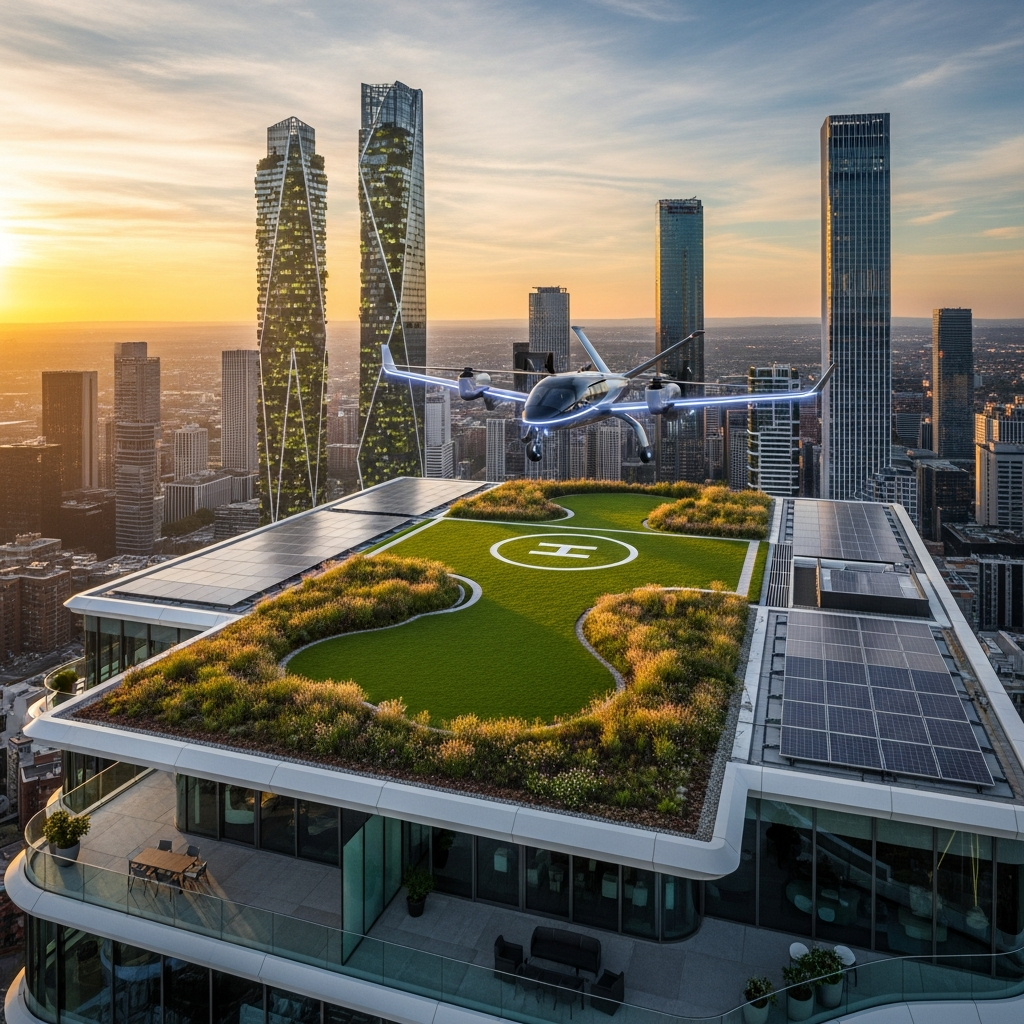
As climate change accelerates, the demand for adaptive architecture will only intensify. Smart facade systems offer a pathway toward resilience—buildings that can self-regulate, self-protect, and self-optimize. Yet their promise extends beyond sustainability. They represent a redefinition of architectural authorship, where design is not fixed at completion but continues to evolve through interaction and feedback.
Emerging materials such as photovoltaic textiles, phase-change composites, and bio-responsive membranes are pushing the boundaries of what facades can do. Imagine walls that harvest energy from sunlight, store it thermally, and release it at night; or surfaces that change porosity based on humidity, mimicking the behavior of plant leaves. These are not distant fantasies—they are the logical next step in the evolution of intelligent building skins.
In this new paradigm, the facade becomes both infrastructure and interface—a responsive organism that embodies the synergy of design, technology, and ecology. It is architecture’s answer to the pressing question of our time: how can we build structures that not only inhabit the planet but actively heal it?
Smart facades, in their shimmering adaptability, remind us that the future of architecture lies not in domination over nature, but in collaboration with it.
Keywords: smart facade systems, adaptive architecture, responsive design, kinetic facades, sustainable architecture, climate-responsive buildings, dynamic shading, energy-efficient design, building envelope, intelligent materials